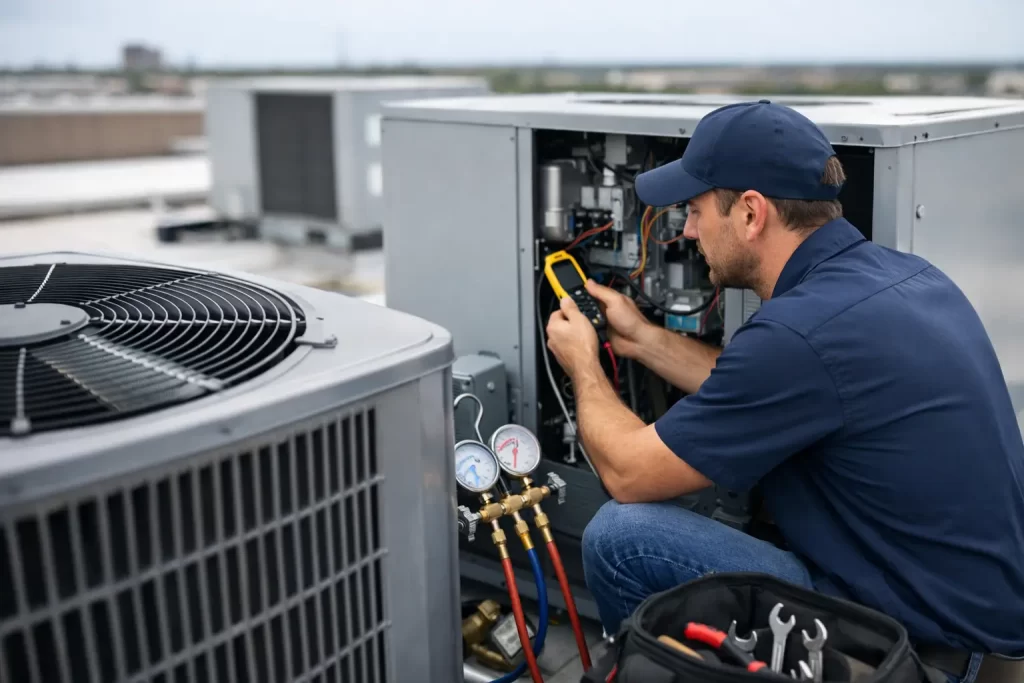
A furnace that quits during a cold Lower Mainland night or an air conditioner that fails in the first heat wave rarely gives much warning. In many cases, the warning signs were there: a filter left unchanged, a drain beginning to clog, unusual cycling, or a small ignition issue that became a no-heat call. Regular HVAC maintenance gives homeowners and property managers a chance to address those problems before comfort, safety, and budgets are affected.
For homes, rental properties, strata buildings, and commercial spaces, maintenance is not simply a seasonal task to cross off a list. It is a practical way to protect equipment that works hard through wet winters, cool springs, summer heat, and year-round occupancy. The right service plan also helps clarify when a repair is worthwhile and when an aging system is approaching replacement.
What HVAC Maintenance Should Accomplish
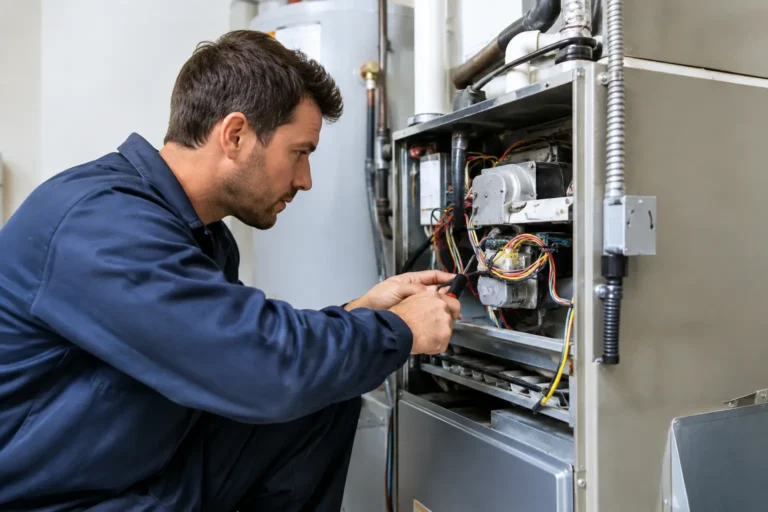
Good maintenance is more than changing a furnace filter. Filters matter, but a heating and cooling system includes electrical components, moving parts, airflow pathways, drains, controls, combustion equipment, and safety shutoffs. A professional service visit looks at how those parts are working together.
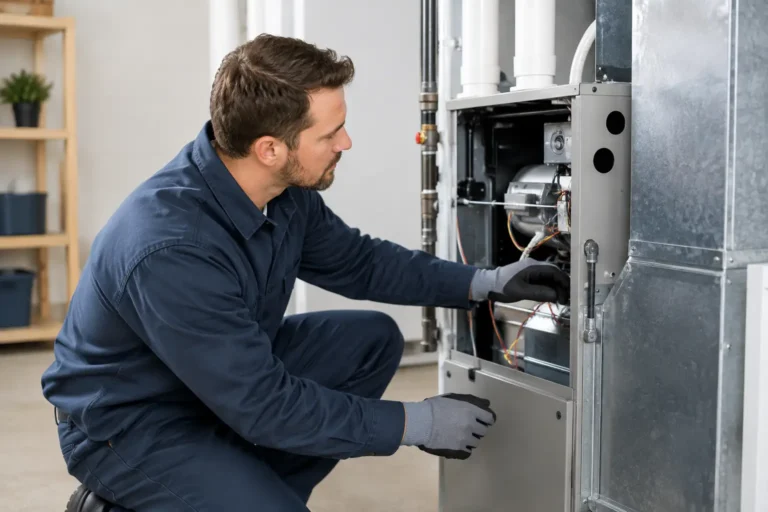
For a furnace, boiler, fireplace, or gas appliance, the safety side is especially important. Technicians should check for proper operation, venting concerns, ignition performance, worn components, and signs that combustion equipment is not operating as intended. Gas-related work should always be handled by a qualified, licensed contractor.
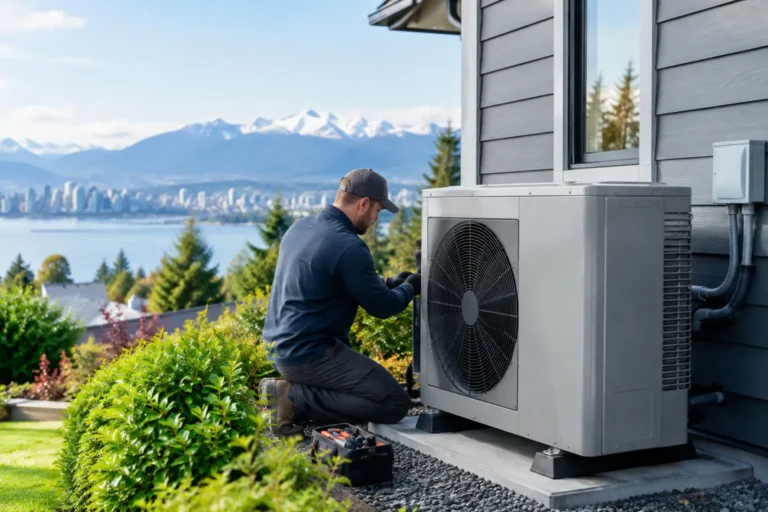
For air conditioners, heat pumps, mini-splits, and other cooling equipment, maintenance focuses on airflow, refrigerant-related performance, electrical connections, condensate drainage, indoor and outdoor coil condition, and system controls. A heat pump deserves attention in both heating and cooling seasons because it performs both jobs.
Maintenance cannot guarantee that every part will last forever. A capacitor, blower motor, control board, or circulating pump can still fail unexpectedly. What maintenance can do is reduce preventable failures, identify wear before it becomes urgent, and give you useful information before you are forced to make a same-day replacement decision.
Why Skipping HVAC Maintenance Gets Expensive
The cost of neglect is often not one dramatic failure. It is a series of smaller losses: higher utility use, uneven room temperatures, more strain on equipment, reduced indoor comfort, and repairs that become more involved because the problem was allowed to progress.
Restricted airflow is a common example. A dirty filter can make a furnace or air handler work harder to move air through the home. That strain may contribute to overheating, limit heating or cooling output, and leave rooms farther from the thermostat uncomfortable. A dirty outdoor coil can create a similar problem for an air conditioner or heat pump by limiting heat transfer.
Drainage problems are another issue that starts small. Air conditioning and heat pump systems remove moisture from indoor air. If the condensate line blocks, water can back up, trigger a safety switch, damage nearby materials, or shut the system down when you need it most.
For landlords and property managers, deferred maintenance can also mean tenant disruption and avoidable after-hours calls. A planned service appointment is easier to schedule than a no-heat emergency, particularly in multi-unit properties where access, notices, and resident comfort must all be managed.
A Practical HVAC Maintenance Schedule
Most homes benefit from professional heating service once a year and cooling service once a year. If you have a heat pump that provides both heating and air conditioning, schedule service before the season when it will carry the heaviest load. Homes with pets, smokers, renovations, high occupancy, or allergy concerns may need filter checks more often.
Before the Heating Season
In early fall, have your furnace, boiler, fireplace, or heat pump inspected before cold weather arrives. This is the time to catch ignition problems, unusual burner operation, weak airflow, thermostat issues, and worn electrical parts before the system is needed every day.
Homeowners can also test carbon monoxide alarms, make sure supply and return vents are open and clear, and replace the filter if needed. Never store boxes, paint, cleaning supplies, or other items against a furnace, boiler, or water heater. Equipment needs clear space for safe service and proper airflow.
Before the Cooling Season
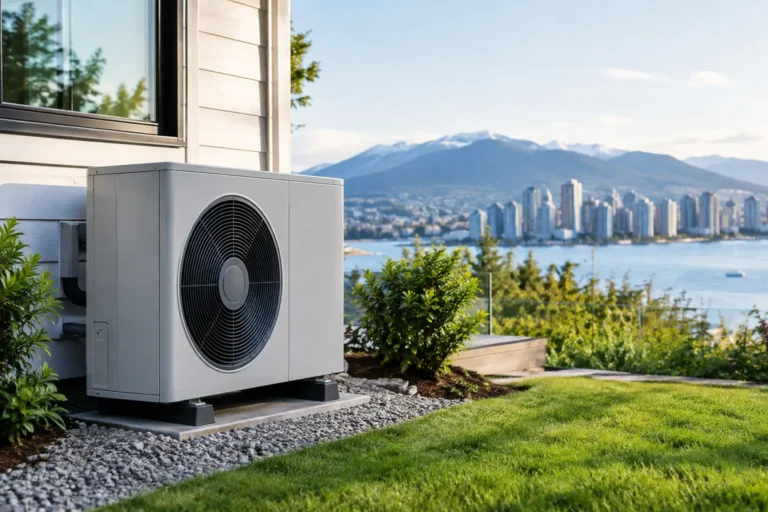
In spring, arrange service for your central air conditioner, ductless mini-split, or heat pump. Outdoor units should be clear of leaves, branches, grass clippings, and stored items. Do not cover or tightly enclose operating equipment. It needs room to move air.
Inside, check that air registers are not blocked by furniture or rugs, and look for signs of water near the indoor unit. If your system runs but does not cool well, avoid repeatedly lowering the thermostat. That can add run time without solving the underlying issue.
Between Professional Visits
There are several simple tasks property owners can handle safely:
- Check disposable filters monthly and replace them when dirty, following the equipment manufacturer’s guidance.
- Keep outdoor heat-pump and air-conditioner units free of debris, snow buildup, and vegetation.
- Listen for new rattling, grinding, clicking, or whistling sounds during operation.
- Watch for uneven temperatures, weak airflow, frequent cycling, water leaks, or unexplained increases in utility bills.
These checks do not replace professional service. They help you notice changes early and give a technician clearer information when service is required.
Maintenance Needs Vary by Equipment
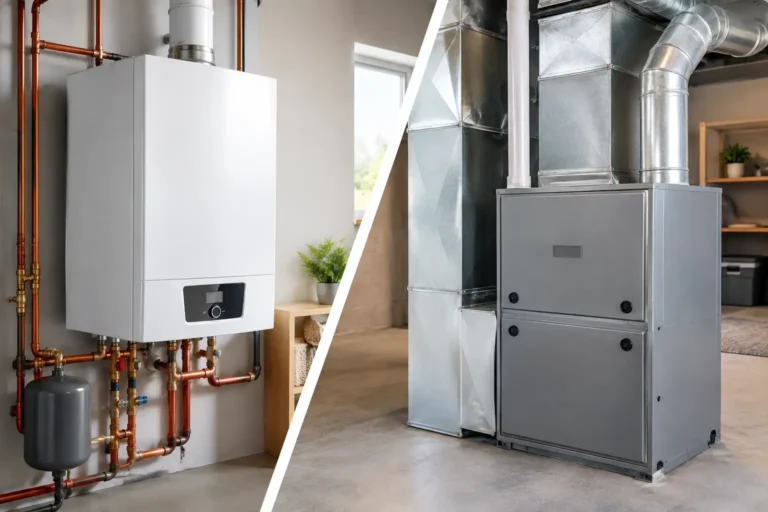
A single maintenance approach does not fit every system. Furnaces rely on safe combustion, venting, ignition, blower operation, and heat-exchanger condition. Boilers require attention to pressure, pumps, piping, controls, and hydronic components. Fireplaces and gas appliances need inspection for safe ignition, venting, and operation.
Heat pumps need a broader seasonal view because they reverse operation between heating and cooling. If a heat pump struggles in winter, the cause may involve airflow, defrost operation, controls, outdoor-unit condition, or another issue that should be diagnosed rather than guessed at.
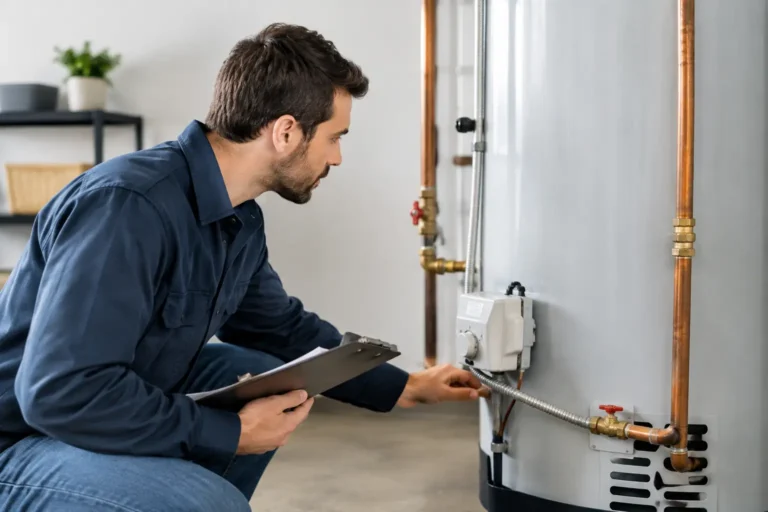
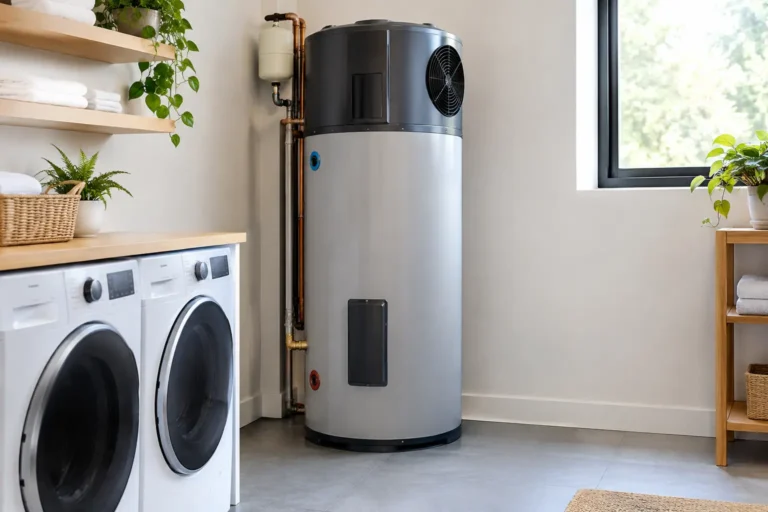
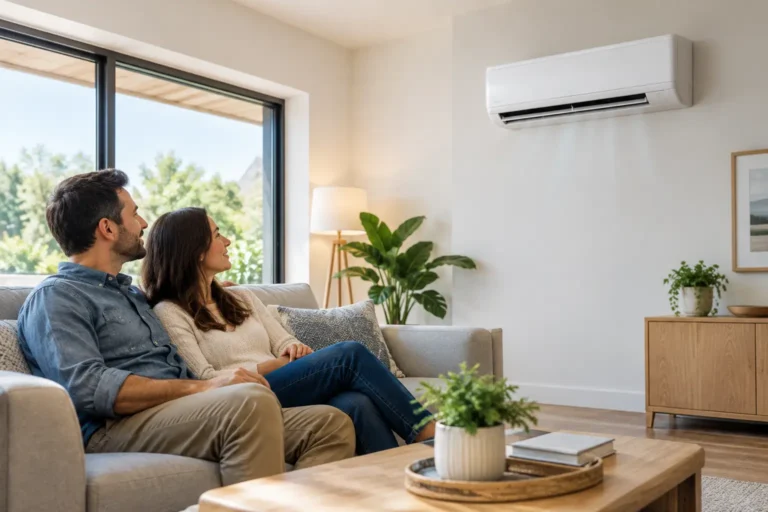
Ductless mini-splits also need regular cleaning and inspection. Their indoor heads can accumulate dust and buildup that affects airflow and indoor air quality. Hot-water tanks have their own maintenance needs, including checking for leaks, corrosion, valve issues, and performance changes. Gas and hot-water equipment should not be treated as a do-it-yourself repair project.
When Maintenance Reveals It Is Time to Replace
A well-maintained system can still reach the end of its practical life. The decision to repair or replace depends on age, repair history, efficiency, available parts, the seriousness of the issue, and how well the equipment serves the property.
If a repair is minor and the system is otherwise reliable, repair is often the sensible choice. If breakdowns are becoming frequent, comfort is inconsistent, or a major component fails on older equipment, a replacement quote may provide a clearer long-term path. This is particularly true when an inefficient furnace, air conditioner, or water heater is driving high energy costs.
Heat-pump upgrades may also be worth considering for properties looking to improve year-round comfort and reduce reliance on older heating equipment. Government incentives and rebate programs can change, and eligibility depends on the equipment, property, and program requirements. Heat-pump water-tank incentives may also be available for qualifying upgrades. Confirm the current requirements before purchasing equipment so the installation and documentation meet program rules.
Know When to Call for Service Right Away
Do not wait for a scheduled maintenance visit if you smell gas, a carbon monoxide alarm activates, a gas appliance shows unusual flame behavior, or you suspect a venting problem. Leave the area if necessary, follow safety guidance, and contact qualified emergency help.
Other issues that deserve prompt service include a furnace blowing cold air, a boiler losing pressure, an air conditioner or heat pump leaking water, electrical burning smells, repeated breaker trips, loud mechanical noises, or a system that starts and stops constantly. Continuing to run failing equipment can make the repair larger and may create a safety concern.
For property managers, a clear response plan matters. Keep equipment locations, unit access details, tenant contacts, and prior service information organized. When an urgent call happens after hours, that information helps reduce delays and disruption.
FlameCo Heating Services provides licensed, bonded, and insured service for heating, cooling, ventilation, gas, and hot-water equipment across Maple Ridge, Metro Vancouver, and the Lower Mainland. Whether the need is planned maintenance, a repair decision, or an urgent no-heat call, the goal is straightforward: identify the issue clearly, explain the options, and restore safe, dependable comfort without hidden-fee surprises.
The best time to schedule maintenance is when your system is still working normally. That is when you have time to make a measured decision, protect your equipment, and keep a small concern from becoming the call you never wanted to make.