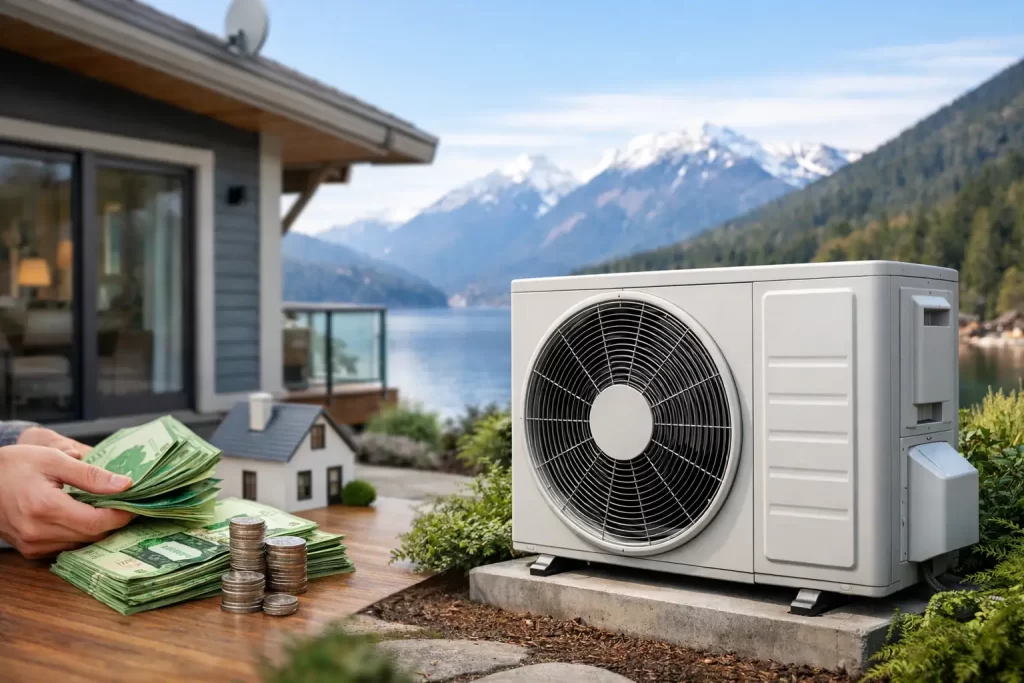
A failing furnace in a Lower Mainland winter is not the time to discover that a heat pump upgrade may qualify for significant incentives. Heat pump rebates British Columbia homeowners can access may reduce the upfront cost of replacing older electric, oil, propane, or natural-gas heating equipment, but the details matter. The equipment, the home, the utility provider, and the order in which work is completed can all affect eligibility.
For homeowners, landlords, and property managers, the practical question is not simply, “Is there a rebate?” It is, “Which system qualifies for this property, what paperwork is required, and can the work be completed without risking the incentive?” A qualified HVAC contractor can help answer those questions before equipment is ordered or an existing system is removed.
Heat Pump Rebates British Columbia Property Owners May Find
Rebate programs in British Columbia are commonly offered through a combination of provincial, municipal, and utility sources. Depending on where the property is located and how it is currently heated, an eligible upgrade may have incentives available through CleanBC-related programs, BC Hydro, FortisBC, local government programs, or other limited-time offers.
The available amount is not one fixed number for every home. A homeowner replacing electric baseboard heat may face different options than someone replacing a gas furnace. A property served by BC Hydro may have different requirements than one served by another electricity provider, and FortisBC customers may have separate fuel-switching or dual-fuel considerations.
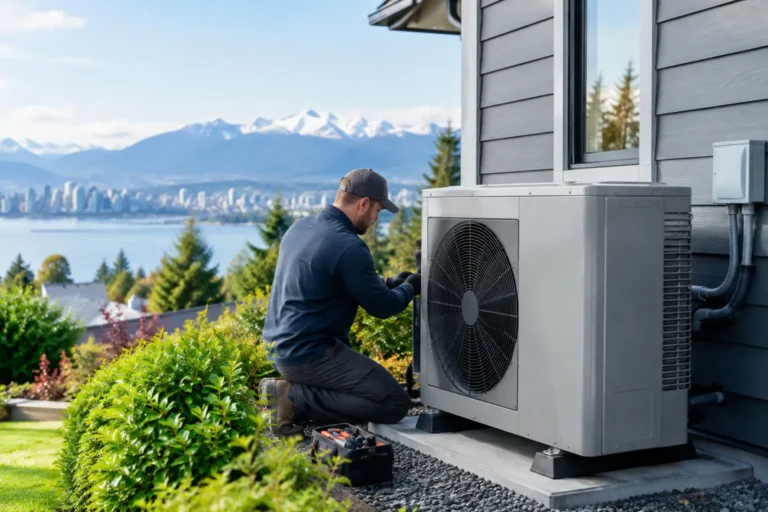
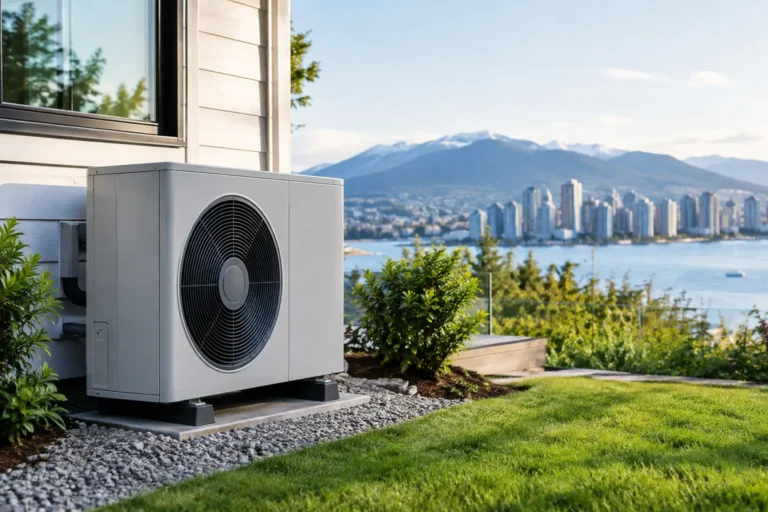
Most programs are designed to encourage a meaningful reduction in energy use or fossil-fuel consumption. That is why the largest incentives are often tied to replacing less-efficient heating systems with qualifying air-source heat pumps, cold-climate heat pumps, ductless mini-splits, or heat pump water heaters.
Programs can change, pause, run out of funds, or update their requirements. Treat any advertised rebate amount as a starting point, not a promise. Confirm the current program rules before approving an installation.
What Usually Determines Eligibility
A heat pump is not automatically rebate-eligible because it is new. Incentive programs generally look at the complete project. The unit must often appear on an approved equipment list, meet specific efficiency ratings, and be installed at an eligible residential address by a qualified contractor.
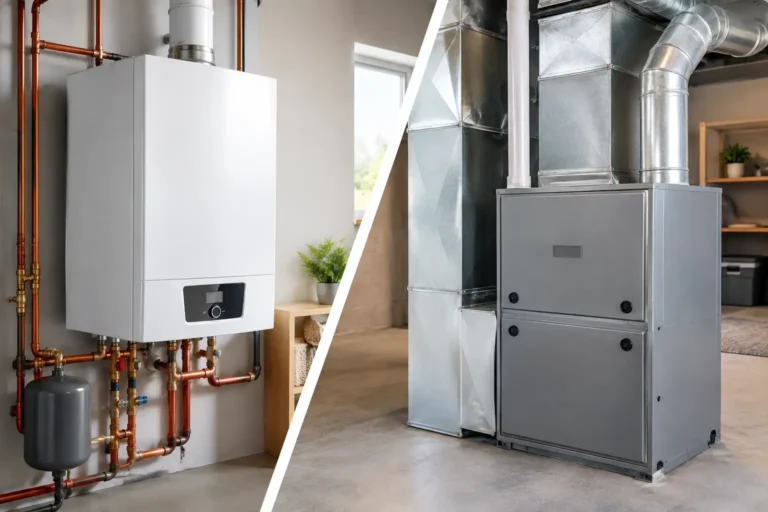
Your existing heating system also matters. Some rebates focus on switching away from fossil fuels, while others support replacing electric resistance heating. If the home has a gas furnace and the plan is to keep it as backup, the system may be treated differently from a full conversion to electric heating. That does not necessarily mean the project will not qualify, but it needs to be reviewed before installation.
Homeowners should also expect requirements related to occupancy and ownership. Many residential offers apply to primary residences, while rental homes, strata properties, and commercial buildings may follow separate rules. Landlords and property managers should verify whether the applicant must be the property owner, whether tenant consent is needed, and whether each suite requires its own application.
For multi-unit buildings, electrical capacity and system design can be just as important as rebate eligibility. Adding several heat pumps may require panel upgrades, electrical planning, or a phased installation. The right plan protects comfort for occupants while avoiding an expensive surprise midway through the project.
The equipment must be properly matched
A heat pump should be sized for the building, not selected only for the highest possible rebate. An oversized unit can short-cycle, create uneven temperatures, and wear components faster. An undersized unit may struggle during cold weather and rely too heavily on backup heat.
A proper quote considers the home’s layout, insulation, windows, ductwork, electrical service, and heating load. In Metro Vancouver’s mild but damp climate, moisture control and airflow deserve attention too. A system that heats efficiently but leaves bedrooms uncomfortable or creates persistent humidity concerns is not a successful upgrade.
Why Timing Can Make or Break a Rebate
The most common rebate mistake is starting work too early. Some programs require pre-approval, an application, an energy assessment, or a contractor quote before installation begins. Other offers allow applications after the job is complete but impose strict submission deadlines.
Do not assume that an invoice alone will be enough. Keep copies of the signed proposal, paid invoice, model and serial numbers, proof of payment, permit information if required, and any before-and-after equipment details. If an energy assessment is part of the program, schedule it according to the program’s required sequence.
This matters most when a furnace or air conditioner has failed unexpectedly. Emergency replacement decisions are stressful, and restoring heat or cooling comes first. Still, a quick eligibility check before choosing equipment can prevent a customer from installing a system that misses an available incentive by a technical detail.
A contractor should be clear about the distinction between an estimate and a guaranteed rebate. The program administrator, not the installer, makes the final approval decision. Straight answers upfront are better than promises that cannot be controlled.
Heat Pumps and Heat Pump Water Heaters
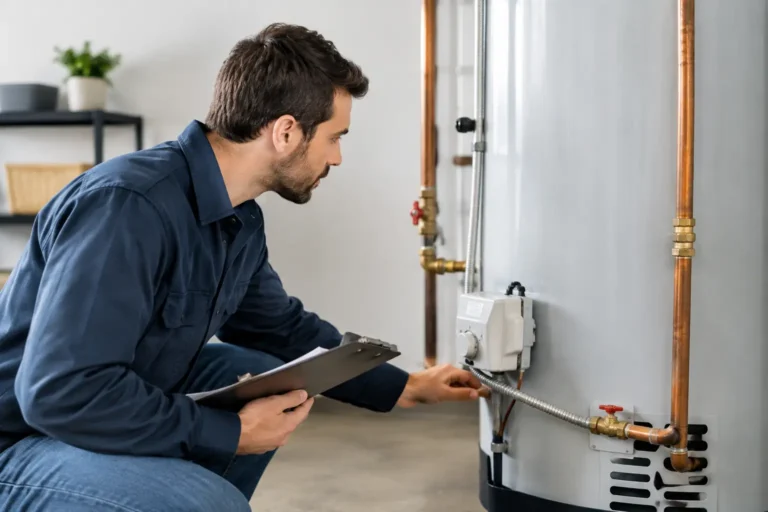
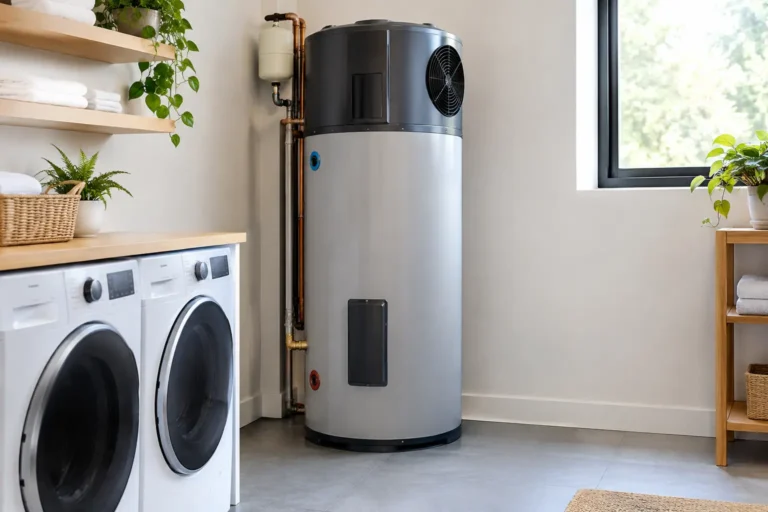
A home can sometimes qualify for more than one energy-upgrade incentive. In addition to space-heating heat pumps, government and utility incentives may be available for qualifying heat pump water heaters. These systems use electricity to move heat into the water tank rather than producing heat in the same way as a conventional electric resistance tank.
A heat pump water heater can be a strong fit for households replacing an aging electric tank, especially where there is adequate installation space and a suitable location such as a utility room, garage, or basement. Because the unit draws heat from surrounding air, it can cool and dehumidify the room where it operates. That can be helpful in some spaces and less desirable in others.
The trade-off is straightforward: heat pump water heaters are efficient, but they need proper placement, drainage, electrical capacity, and air volume. A small enclosed closet may not be appropriate without a design that addresses those conditions. For a busy household with high hot-water demand, tank size and recovery performance also need to be considered.
Pairing a heat pump for home comfort with a heat pump water heater may improve overall efficiency, but each rebate program may have separate equipment and application requirements. Verify both projects individually rather than assuming one approval covers the other.
Questions to Settle Before You Accept a Quote
Before moving ahead, ask the contractor which exact model is being quoted, whether it is expected to meet current incentive requirements, and what assumptions are being made about your existing heating system. Ask whether ductwork modifications, electrical upgrades, permits, condensate drainage, and removal of old equipment are included in the price.
It is also reasonable to ask who is responsible for supplying rebate documents and what the homeowner must submit personally. Some contractors support the application process, while others provide paperwork for the customer to file. Either approach can work as long as responsibilities are clear.
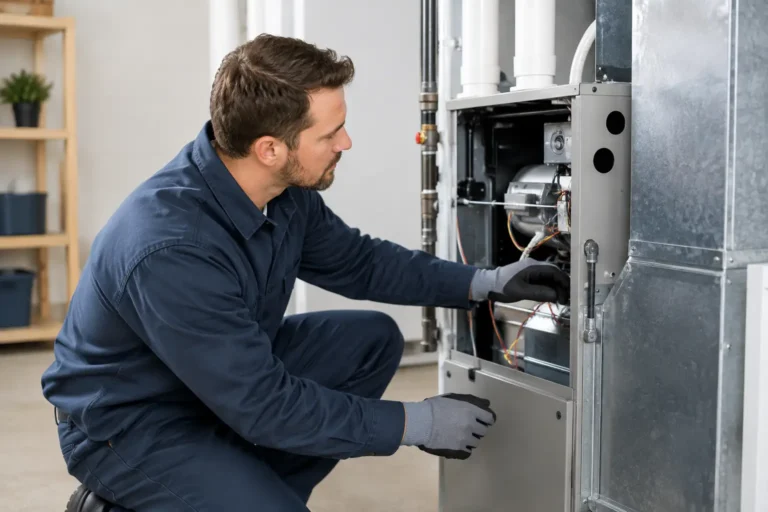
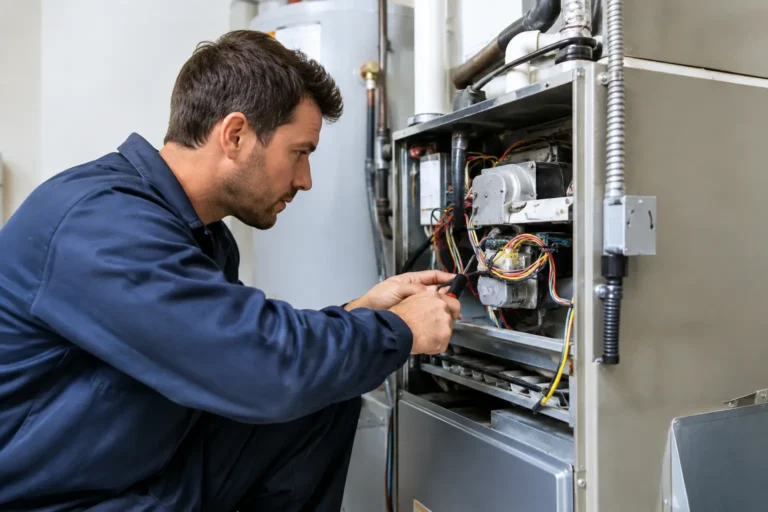
For homes with a gas furnace, fireplace, boiler, or water heater, consider the full system rather than treating every appliance as isolated. Removing or changing one gas appliance can affect venting, gas piping, electrical needs, and future replacement decisions. A licensed contractor with HVAC and gas-fitting capability can assess those connections before work begins.
Choosing an Upgrade That Works After the Rebate
The best rebate-supported project is still one that keeps the property comfortable, safe, and manageable after the paperwork is done. A cheaper system may not be the better value if it has poor cold-weather performance, limited service support, or does not fit the home’s ductwork. Likewise, a larger incentive should not push a property owner into a system design that is impractical for the building.
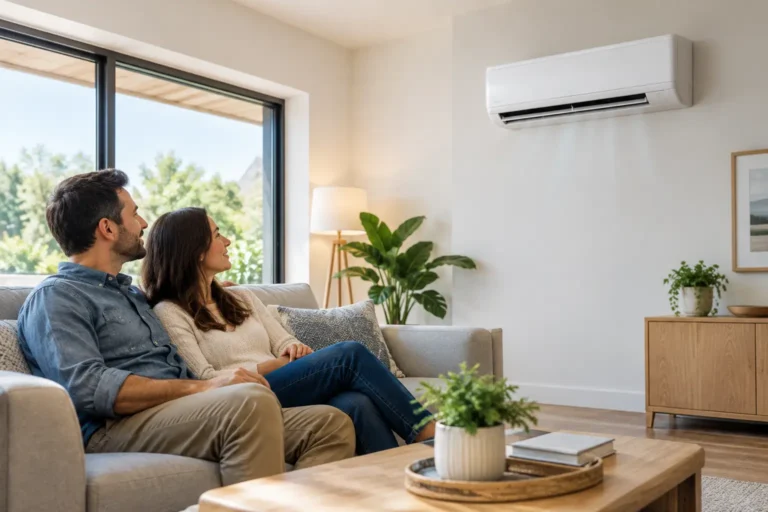
For a typical detached home, a central ducted heat pump may make sense when usable ductwork already exists. A ductless mini-split can be an effective option for additions, suites, homes with baseboard heating, or rooms that never stay comfortable. Some homes benefit from a dual-fuel arrangement, while others are better suited to a full electric conversion. It depends on the building, utility setup, budget, and comfort expectations.
FlameCo Heating Services can review the existing equipment, explain practical replacement paths, and provide a clear quote for homes and properties across Maple Ridge, Metro Vancouver, and the Lower Mainland. The goal is not to chase a rebate at any cost. It is to install equipment that is properly sized, safely connected, and worth owning long after the incentive has been paid.