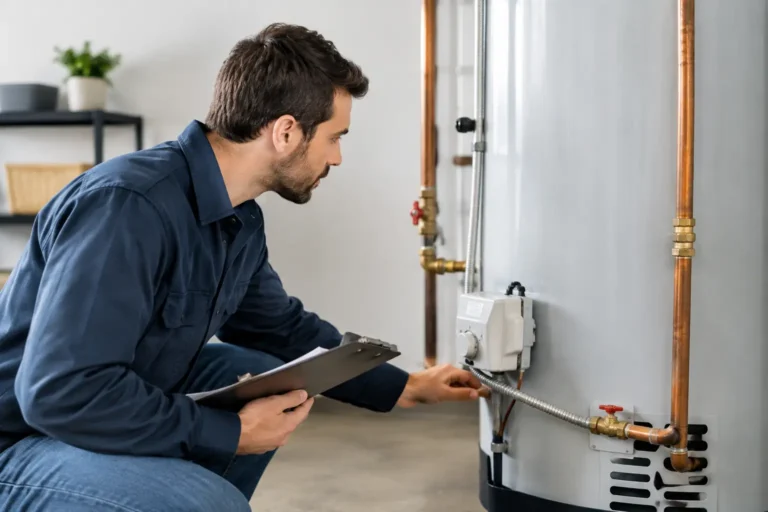
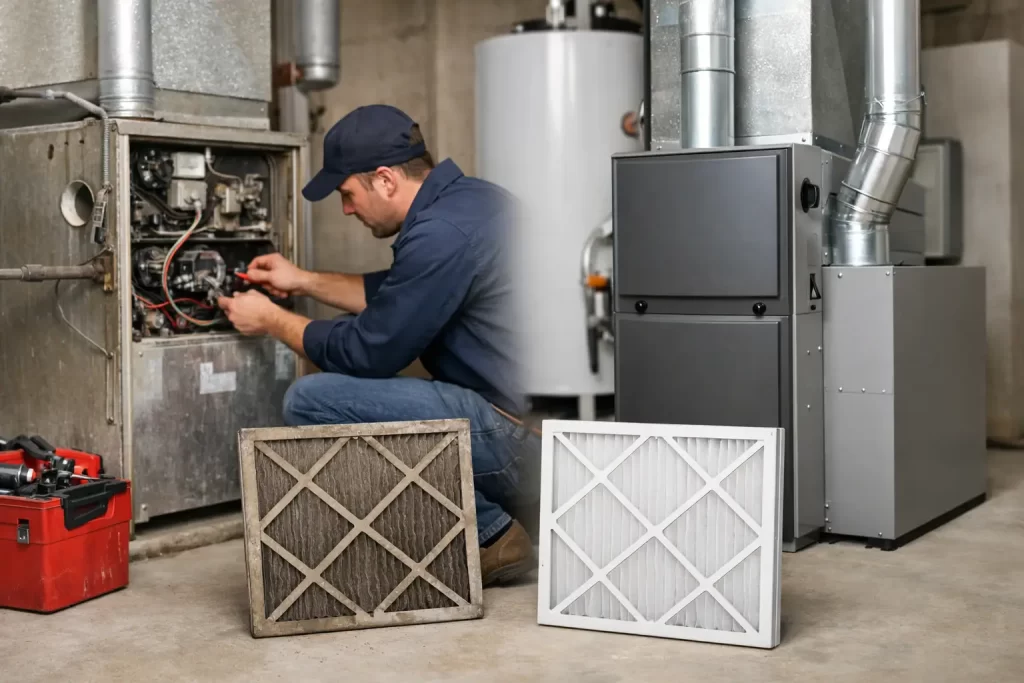
A furnace that quits on a cold Lower Mainland night is not a problem to put off until morning. When you search for furnace repair and replacement near me, you need more than a name in a search result. You need a qualified contractor who can identify the issue, explain the cost clearly, and restore safe heat without unnecessary delays.
For some homes, the right answer is a focused repair that gets a reliable system back online. For others, repeated failures, unsafe operation, or rising energy bills make replacement the smarter long-term move. Knowing the difference can protect your comfort, your budget, and your property.
When Furnace Repair Is the Right Call
A furnace breakdown does not automatically mean you need a new unit. Many no-heat calls come down to repairable issues such as a failed igniter, dirty flame sensor, worn blower motor, faulty thermostat, pressure switch problem, or a clogged condensate drain on a high-efficiency furnace. These problems need proper diagnosis, but they do not always require a major equipment investment.
Repair often makes sense when your furnace is under 10 to 12 years old, has otherwise been dependable, and the repair is proportionate to the unit’s remaining life. A single part failure is very different from a system that has needed multiple expensive repairs over two winters.
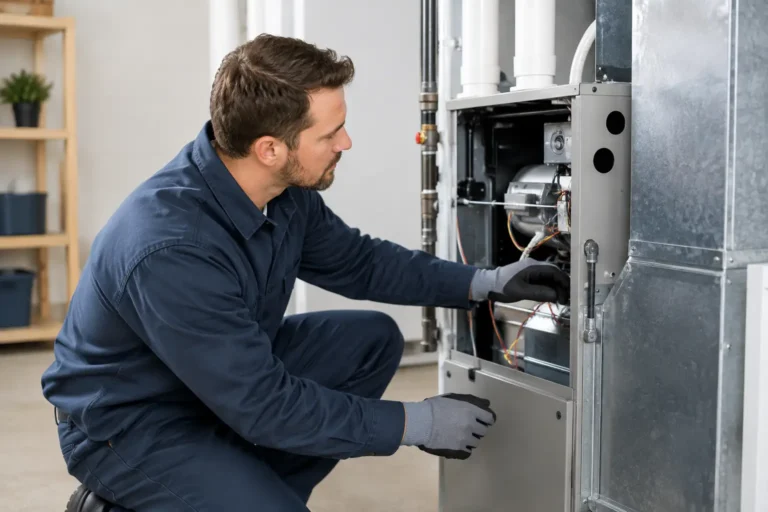
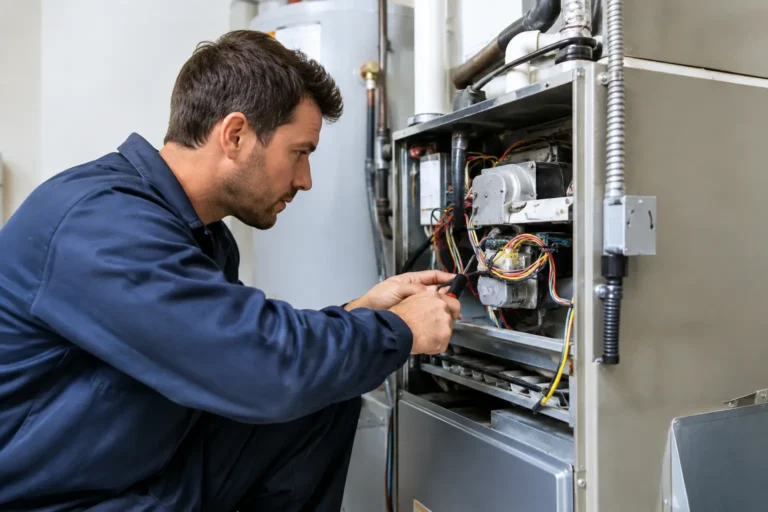
A licensed technician should inspect the complete operating sequence rather than replacing a part based on a guess. That includes checking airflow, venting, electrical connections, gas pressure where applicable, safety switches, combustion performance, and the condition of the heat exchanger. The goal is not simply to make the furnace start. It is to confirm that it can run safely and reliably.
For landlords, apartment owners, and property managers, timely repair also reduces tenant disruption. A prompt diagnostic visit can prevent a minor issue from becoming a no-heat emergency across several units or a costly after-hours call.
Signs You Should Consider Furnace Replacement
Furnaces do not usually fail all at once. They tend to give warning signs: uneven temperatures, longer run times, unusual noise, recurring service calls, or utility bills that rise without a clear change in use. An older unit may still produce heat, but it may no longer be doing so efficiently or dependably.
Replacement deserves serious consideration when a furnace is 15 years or older and requires a major component repair. It may also be the better choice if the heat exchanger is cracked, the system has recurring ignition or blower failures, or replacement parts are becoming difficult to source. A damaged heat exchanger is a safety concern, not a repair decision to postpone.
The repair-versus-replace decision depends on more than equipment age. A relatively new furnace with a neglected filter, restricted return air, or thermostat issue may be worth repairing. On the other hand, a 17-year-old furnace needing a costly motor and showing signs of combustion trouble may be a poor place to keep investing. A clear quote for both paths helps you compare the immediate cost with the expected value over the next several years.
A replacement can also be an opportunity to correct problems that were present from the original installation. An oversized furnace can cycle too frequently and create uncomfortable temperature swings. Undersized ductwork can limit airflow and strain equipment. Poor venting, inadequate filtration, or an incorrectly set thermostat can affect comfort even when the furnace itself is new. The best replacement plan considers the whole heating system, not just the cabinet in the utility room.
Furnace Repair and Replacement Near Me: What to Expect
When you call for furnace repair and replacement near me, the process should feel straightforward. A qualified contractor begins with the symptoms you are seeing, whether that is no heat, cold air from vents, frequent cycling, loud operation, a burning smell, or a furnace that will not stay on.
For an urgent repair visit, the technician should diagnose the cause, identify any safety concerns, and present the repair cost before work proceeds. Transparent pricing matters when your heat is off and decisions need to be made quickly. Ask whether the quoted repair addresses the root cause, whether there are related wear items to monitor, and what warranty applies to the work.
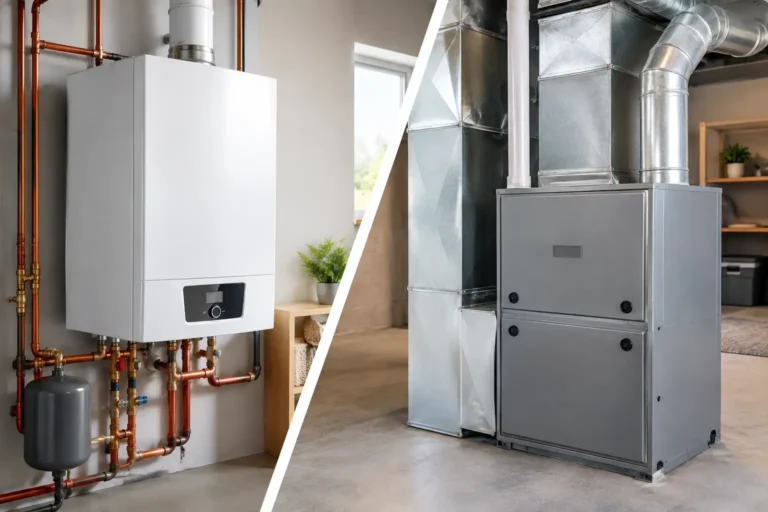
If replacement is recommended, expect a discussion about furnace capacity, efficiency, fuel type, airflow, venting, installation requirements, and available budget options. A professional should not select a furnace solely because it matches the size of your old one. Home additions, insulation upgrades, window replacements, occupancy changes, and duct modifications can all change heating needs.
For commercial spaces and multi-unit properties, planning is especially important. A replacement schedule may need to account for tenant access, business hours, equipment location, roof or mechanical-room access, and temporary heat needs. A contractor with heating, ventilation, gas-fitting, and hot-water capabilities can coordinate more of that work under one accountable service team.
Do Not Ignore These Furnace Safety Warnings
Some furnace issues call for immediate action, not troubleshooting by a homeowner. Turn the furnace off if it is safe to do so, keep people away from the area, and arrange professional help when you notice any of the following:
- A gas odor, hissing near a gas line, or suspected gas leak
- Carbon monoxide alarm activation, headaches, dizziness, or nausea inside the property
- Soot, scorch marks, yellow burner flames, or signs of incomplete combustion
- Water around the furnace, repeated breaker trips, smoke, or an electrical burning smell
Do not repeatedly reset a furnace that has shut down on a safety control. Those controls are there for a reason. Changing filters and checking a thermostat setting are reasonable first steps for a basic comfort issue, but gas, electrical, venting, and combustion concerns require licensed service.
How to Choose a Local Furnace Contractor
The lowest number on an estimate is not always the lowest cost over time. Furnace work affects indoor comfort, energy use, ventilation, and, in gas-fired systems, combustion safety. Choose a contractor that can explain the problem in plain language and stand behind the recommended work.
Start by confirming licensing, bonding, insurance, and experience with your furnace type. Ask whether the contractor handles both repairs and replacements. A company that does both can give a more balanced recommendation than one that only sells new equipment or only performs minor service calls.
Availability also matters. Heating failures do not wait for regular business hours, particularly during cold spells. For Maple Ridge, Surrey, Langley, Burnaby, Vancouver, Coquitlam, Richmond, Delta, and the Tri-Cities, a local contractor with 24/7 emergency service can make a major difference when there is no heat, a suspected gas issue, or a vulnerable tenant or family member in the building.
Look for a written, itemized quote with no hidden fees. You should understand what is included in labor, parts, permits if required, removal of old equipment, start-up testing, and warranty coverage. If a replacement quote seems unusually low, ask whether it includes duct transitions, venting changes, electrical work, condensate drainage, thermostat setup, and disposal.
Consider Efficiency Beyond the Furnace
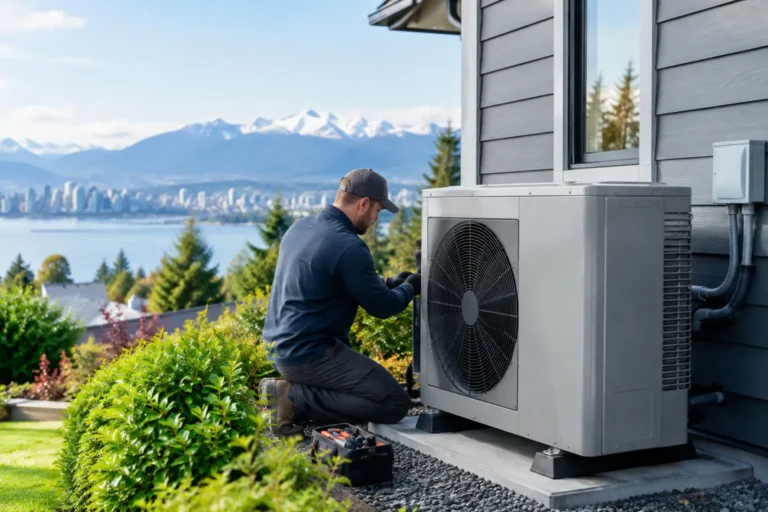
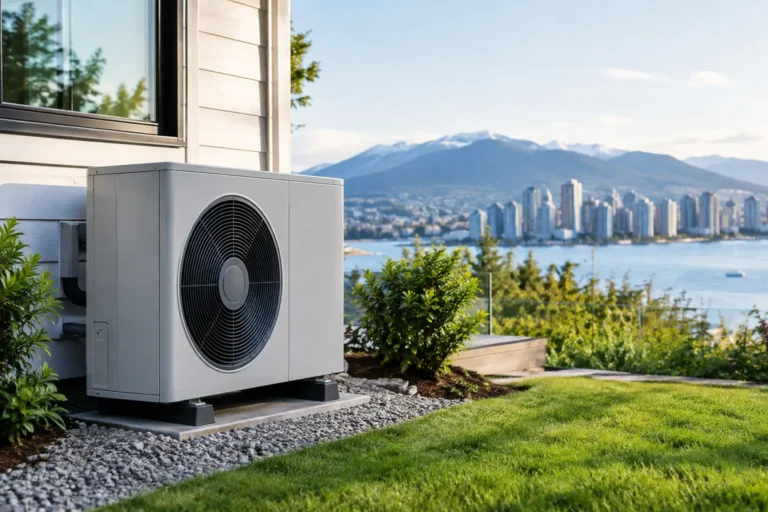
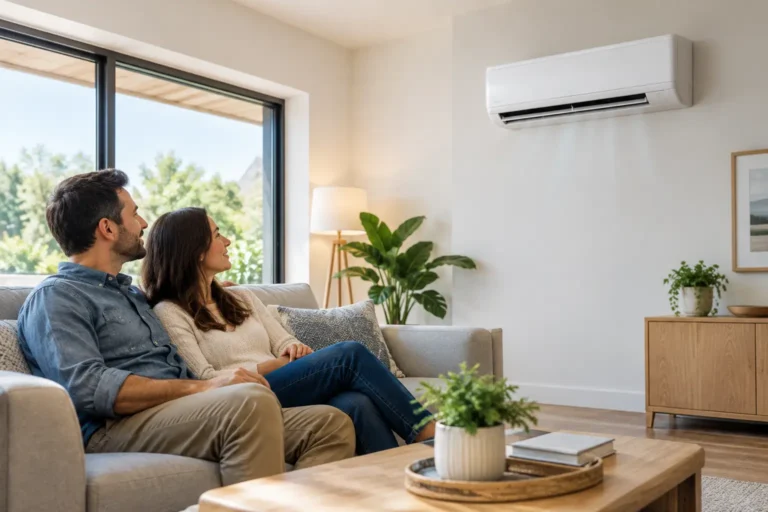
If your furnace is nearing replacement age, it may be worth considering how the rest of your comfort system is performing. Depending on the property and existing equipment, a heat pump can provide efficient heating and cooling while a furnace serves as backup heat. This approach is not right for every home, but it can be worth evaluating during a planned upgrade.
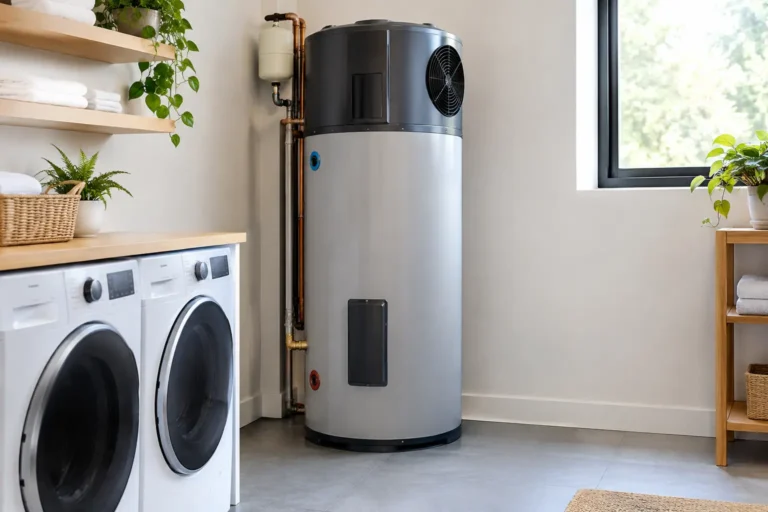
Government incentives for heat pumps and heat pump water tanks may help reduce the upfront cost of eligible energy-efficient improvements. Programs, amounts, and qualification rules can change, so eligibility should be confirmed before making a final equipment decision. Financing options may also help spread the cost of a necessary replacement without settling for an unsafe or unreliable system.
FlameCo Heating Services provides licensed, bonded, and insured furnace repair, replacement, and emergency service throughout Metro Vancouver and the Lower Mainland. With transparent pricing and full heating, cooling, ventilation, and gas-service capability, the focus is on fixing the immediate problem and giving you a clear path forward.
If your furnace is making new noises, running poorly, or leaving rooms cold, arrange an assessment before the next cold night turns a warning sign into an emergency.