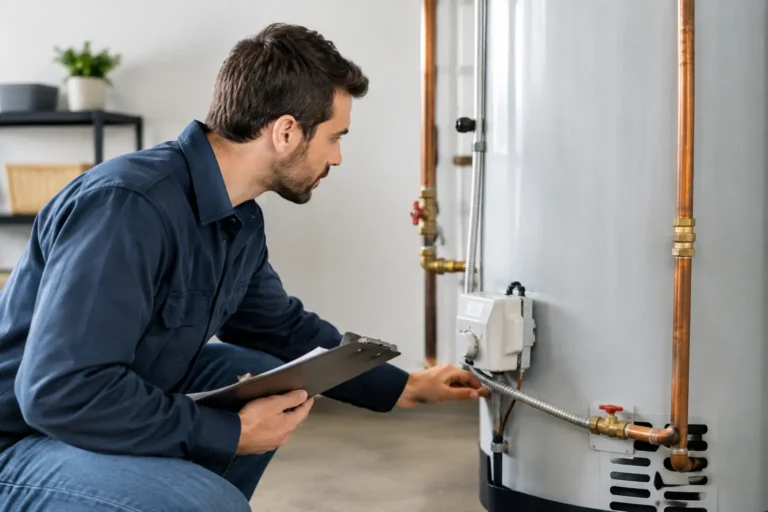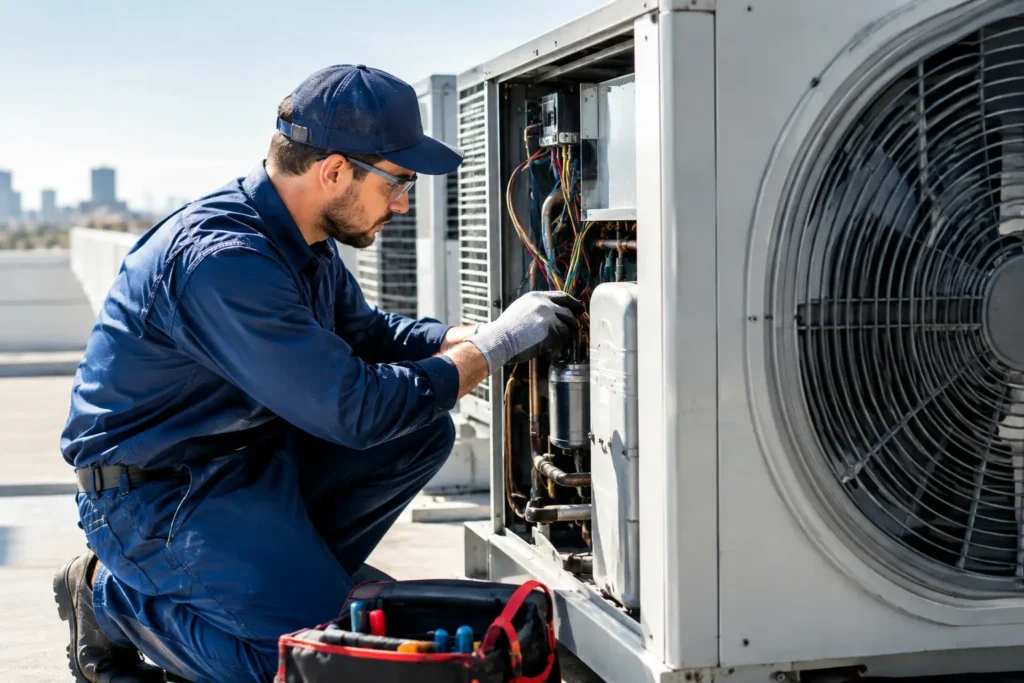
A furnace that stops on a cold night, an air conditioner that quits during a heat wave, or a boiler that leaves tenants without hot water is rarely just an inconvenience. It can mean frozen pipes, unhappy residents, lost business hours, safety concerns, and an emergency repair bill. Knowing how to prevent HVAC downtime gives property owners and managers more control over those risks.
The practical goal is not to promise that mechanical equipment will never fail. Every furnace, heat pump, air conditioner, boiler, water heater, and ventilation system has wear parts and a limited service life. The goal is to identify small issues early, maintain the equipment correctly, and have a clear response plan before a failure becomes urgent.
How to Prevent HVAC Downtime Before Peak Season
HVAC equipment works hardest when outdoor temperatures are at their most demanding. In the Lower Mainland, that often means heating systems are pushed through wet, cold stretches while cooling systems face sudden summer heat. Waiting until the first cold snap or hottest week to test equipment leaves little room for a convenient repair.
Schedule professional heating maintenance before the heating season and cooling maintenance before sustained warm weather. A proper visit should go beyond changing a filter. It should include checking the equipment’s operation, electrical connections, safety controls, drainage, airflow, combustion components where applicable, and signs of developing wear.
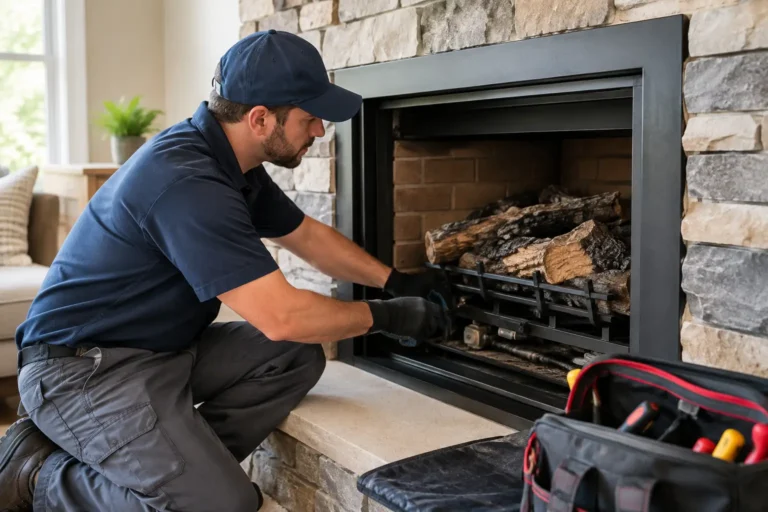
For gas-fired equipment, this work is also a safety measure. Furnaces, boilers, fireplaces, and gas appliances need correct combustion, venting, and gas connections. A weak ignition component or dirty burner may first look like a comfort problem, but it can turn into a reliability or safety issue if ignored. Gas work should always be handled by a qualified, licensed professional.
Pre-season maintenance is especially valuable for rental buildings and commercial properties. A planned appointment allows access to mechanical rooms, suites, rooftop equipment, and filter locations without the pressure of a service outage. It also creates a service record that helps track recurring concerns and equipment condition over time.
Start With the Simple Work That Protects Equipment
Many downtime events begin with restricted airflow or poor housekeeping around equipment. A clogged filter makes a furnace, air conditioner, or heat pump work harder than necessary. It can contribute to overheating, frozen coils, reduced capacity, higher utility use, and premature wear on motors and other components.
Check filters regularly and replace them on the schedule recommended for the equipment and the property. Homes with pets, construction dust, fireplaces, or high occupancy may need more frequent changes. Larger commercial systems may use several filters or require a documented replacement schedule, so assign responsibility rather than assuming it is being done.
Keep supply vents and return grilles open and clear of furniture, boxes, drapes, or stored materials. Closing too many vents does not usually save money. Instead, it can disrupt airflow and create uneven temperatures that cause the system to run longer.
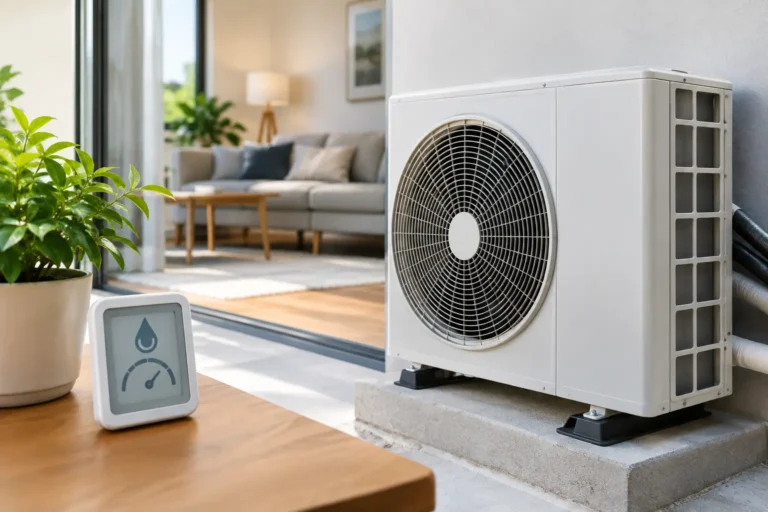
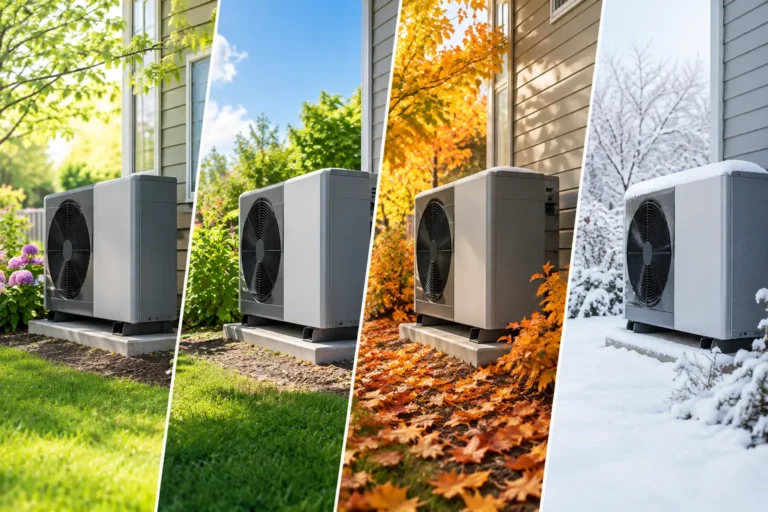
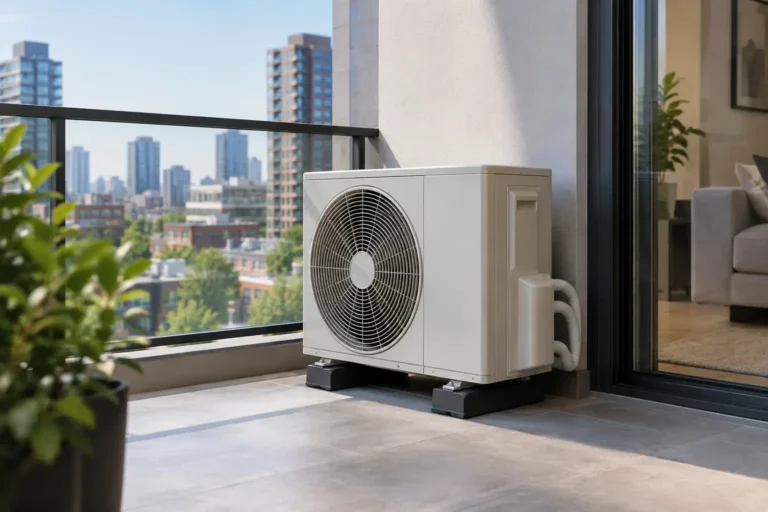
Outdoor equipment needs room to breathe as well. Remove leaves, grass clippings, snow buildup, and loose debris around air conditioner and heat-pump units. Do not stack supplies against the unit or cover it tightly while it is operating. A professional should address damaged coil fins, refrigerant concerns, electrical issues, or anything that requires opening the unit.
Watch for Small Changes Before They Become a Shutdown
HVAC systems usually give warning signs before a complete failure. The key is responding while the equipment still runs, not after it has stopped on the most inconvenient day of the year.
Pay attention to these changes and arrange service promptly:
- Rooms that are suddenly too hot, too cold, or slow to reach the thermostat setting
- New banging, grinding, squealing, rattling, or repeated clicking sounds
- Short cycling, where equipment turns on and off more often than normal
- Water around a furnace, air handler, boiler, water heater, or indoor coil
- A sharp increase in energy use without a clear change in weather or occupancy
- Burning, musty, electrical, or gas-like odors
Some symptoms have straightforward causes, while others require diagnosis. A drain blockage may be resolved before it damages nearby materials. A noisy blower motor may still operate for a time, but delaying service can turn a targeted repair into a full system outage. If there is a suspected gas leak, leave the area if necessary, avoid ignition sources, and seek urgent qualified assistance.
Property managers should make it easy for tenants and staff to report changes early. A short maintenance request about a noisy fan is useful information, not a minor complaint to postpone. Fast reporting protects the equipment and reduces disruption for everyone in the building.
Use Monitoring and Clear Operating Records
You do not need an advanced building automation system to improve HVAC reliability, although monitoring can be worthwhile for larger properties. The right approach depends on the number of units, equipment age, tenant needs, and the cost of an outage.
For a home, a programmable or smart thermostat can make unusual run times and temperature swings easier to notice. It should be installed and configured correctly, particularly with heat pumps or multi-stage equipment. Incorrect thermostat settings can cause poor performance and unnecessary cycling.
For apartment buildings and commercial sites, maintain a simple equipment record for each system. Include the model and serial number, installation date, filter sizes, service history, repair history, warranty details, and the contractor contact information. Record what was repaired, not just that someone attended the site. This helps identify a unit that is repeatedly failing for the same reason.
Tracking operating issues also supports better replacement decisions. If an aging rooftop unit needs frequent emergency repairs, the question is not only whether the next repair is possible. It is whether continued reactive spending, comfort complaints, and downtime risk make planned replacement the better business decision.
Plan Repairs and Replacements Before Failure Forces the Choice
Emergency replacement can be necessary, but it limits choices. Availability, installation timing, building access, electrical or gas upgrades, and budget all become harder to manage when a system has already failed.
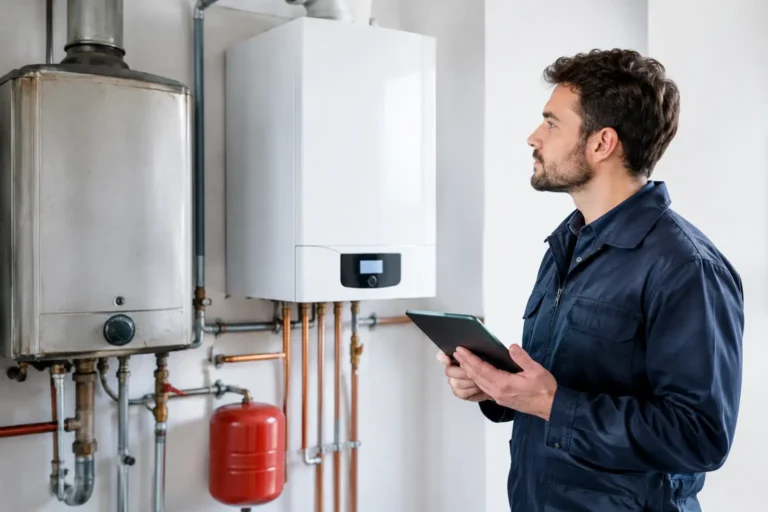
A professional assessment can help determine whether equipment should be repaired, monitored, or replaced. Age matters, but condition matters more. A well-maintained system may have useful life remaining, while a newer system with repeated compressor, heat exchanger, control-board, or leak issues may no longer be dependable.
Replacement planning is also an opportunity to correct underlying problems. An oversized or undersized system, poor ductwork, inadequate ventilation, aging thermostats, or an unreliable condensate setup can shorten equipment life and affect comfort. Replacing only the failed box without reviewing the full system can leave the original cause in place.
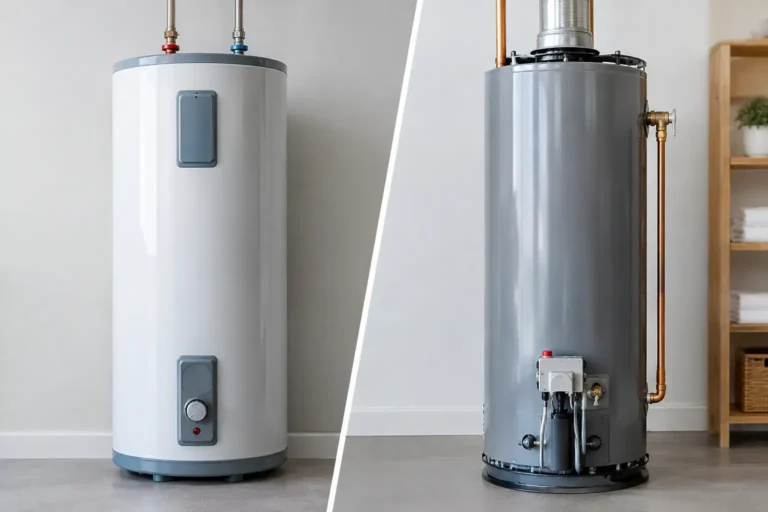
For many properties, high-efficiency heat pumps can provide both heating and cooling while reducing reliance on older equipment. Heat-pump water heaters may also be worth considering during hot-water equipment replacement. Available government incentives and financing options can affect the cost calculation, but eligibility and program terms can change. Review the current requirements before making a final equipment decision.
Build an Emergency Response Plan That Limits Disruption
Even with strong maintenance, unexpected failures happen. The difference between a manageable event and a prolonged outage is often preparation.
Keep the electrical panel and mechanical area accessible. Make sure the people responsible for the property know where shutoffs, thermostats, equipment disconnects, and water isolation valves are located. Keep equipment manuals, recent invoices, and warranty information together. For commercial properties, identify who has authority to approve urgent repairs outside regular business hours.
Avoid repeated resets or improvised repairs when equipment trips a breaker, shuts down, leaks, or produces unusual odors. Resetting a safety control may temporarily restore operation, but it can also hide the reason the control activated. That is particularly risky with combustion equipment, boilers, furnaces, and gas appliances.
When downtime affects tenants, customers, or vulnerable occupants, communication matters. Give people a realistic update, explain reasonable temporary measures, and avoid promising a completion time before the issue is diagnosed. Clear expectations reduce frustration while qualified service is underway.
FlameCo Heating Services provides licensed, bonded, and insured HVAC and gas service for homeowners, landlords, property managers, and businesses across Maple Ridge, Metro Vancouver, and the Lower Mainland. For urgent equipment failures, timely professional diagnosis can protect comfort, property, and safety while preventing a small issue from becoming a longer shutdown.
The best time to protect a heating or cooling system is when it is still operating normally. A scheduled inspection, a clean filter, and a prompt response to a new symptom can preserve more than equipment life – they can preserve a comfortable, safe property when people need it most.