A heat pump can make a condo quieter, more comfortable, and less dependent on expensive resistance heat. But the best heat pumps for condos are not simply the highest-efficiency units on a showroom floor. They are the systems that fit your suite layout, electrical capacity, outdoor-space rules, and building’s strata or condo-board requirements without creating noise, drainage, or access problems.
For condo owners and property managers, the installation plan matters as much as the equipment. A system that is ideal for a detached home may be impractical in a high-rise, a townhouse-style complex, or a building with tightly controlled exterior modifications. Start with the building constraints, then choose the heat pump type and capacity that can deliver reliable heating and cooling.
What Makes a Heat Pump Condo-Friendly?
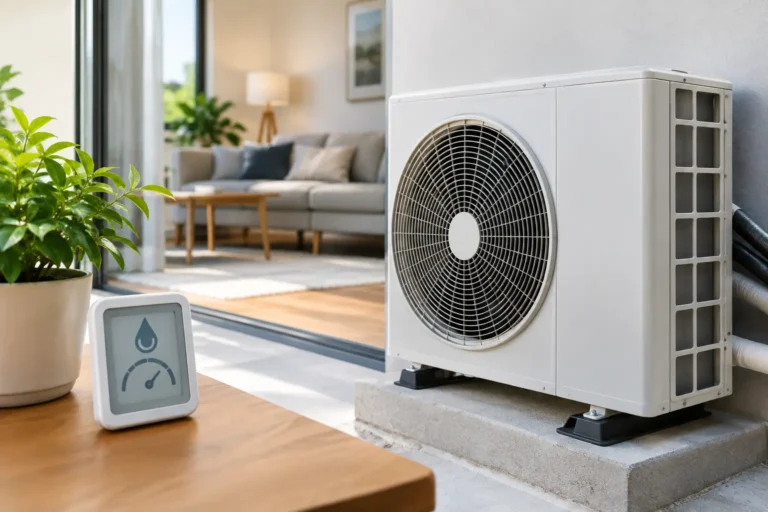
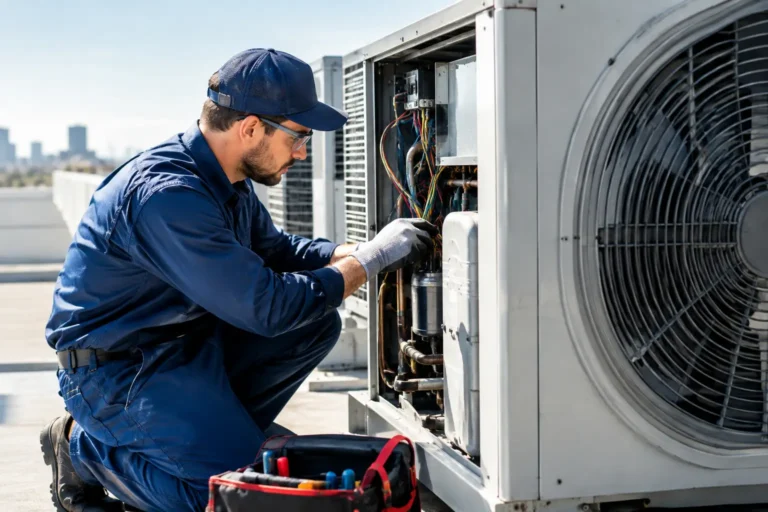
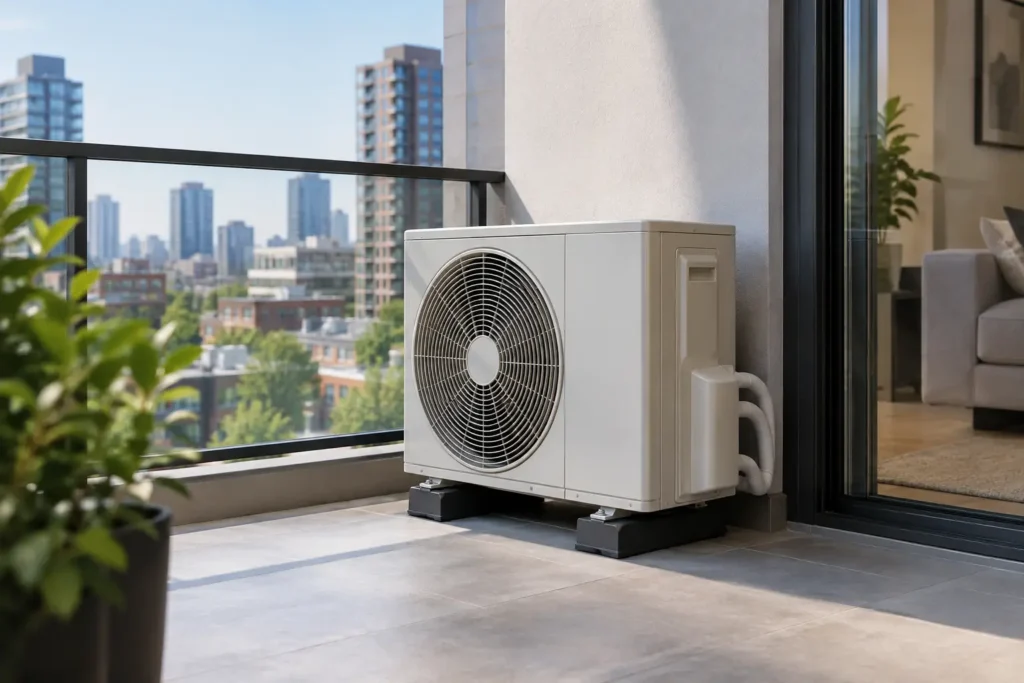
Condo HVAC work has limits that do not apply to most single-family homes. Your outdoor unit may need to sit on a balcony, roof, approved ground pad, or designated mechanical area. Its dimensions, appearance, vibration control, condensate drainage, and sound level may all be subject to board approval.
Inside the suite, space is equally important. Many condos do not have room for a conventional air handler and full-size ductwork. Others have existing fan-coil equipment, electric baseboards, a packaged terminal unit, or an aging in-suite furnace. The right replacement depends on what is already there and whether it can be adapted safely.
A qualified site visit should confirm the available electrical service, panel capacity, route for refrigerant lines, location of the outdoor condenser, and access for future maintenance. A lower-priced unit is not a better value if it requires difficult service access or cannot meet building rules after installation.
The Best Heat Pumps for Condos by Setup
Ductless mini-splits for suites without ducts
For many condos, a ductless mini-split is the most practical choice. It uses a compact outdoor unit connected to one or more indoor wall-mounted, ceiling-mounted, or concealed air handlers. There is no need to add bulky ductwork through finished ceilings or walls.
A single-zone mini-split can work well in an open-concept one-bedroom or smaller suite where one properly placed indoor head can serve the main living area. A multi-zone system is often a better option for larger layouts, bedrooms that need separate temperature control, or suites with long hallways and closed doors.
The trade-off is appearance and air distribution. Wall heads are visible, and one head in the living room will not automatically heat or cool every bedroom evenly. A good design considers where people sleep, work, and spend time, not just the total square footage.
Compact ducted heat pumps for a built-in look
A compact ducted heat pump can be an excellent choice when a condo has usable ceiling space, a mechanical closet, or existing ductwork. The indoor equipment is largely concealed, while short ducts distribute conditioned air through discreet registers.
This option usually provides a more uniform look and can improve comfort in rooms that a wall-mounted head would not reach well. It is especially worth considering during a renovation, when ceilings are already open and routing can be planned properly.
However, compact ducted systems require more installation space and planning than ductless equipment. Do not assume existing ducts are ready for a new heat pump. Duct size, insulation, leakage, return-air paths, and static pressure all need to be checked before selecting the unit.
Heat pumps that work with existing fan-coil systems
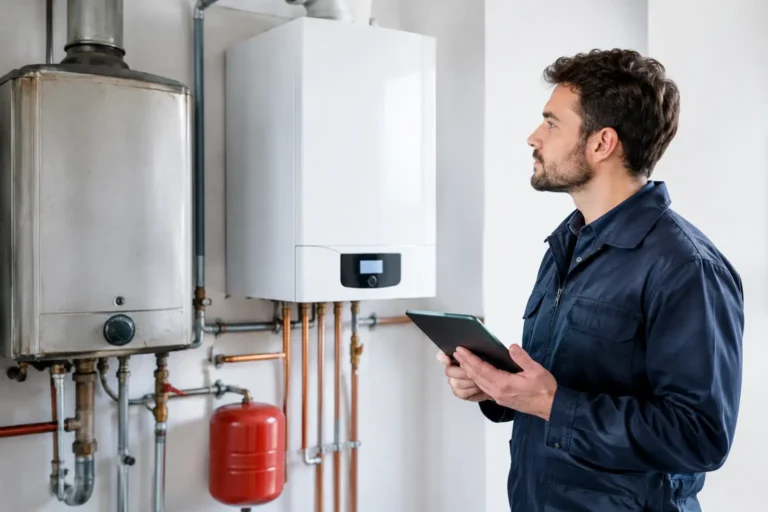
Some apartment buildings use centralized boilers or chillers with in-suite fan coils. Others have water-source heat pumps or packaged terminal units. In these buildings, an individual owner may not be free to install a separate outdoor condenser, even if there is a balcony.
The best path may be replacing the existing in-suite unit with a compatible high-efficiency model, repairing the building-provided system, or working with the property manager on a building-wide upgrade strategy. This is where equipment selection becomes a coordination issue, not simply a homeowner purchase.
Before requesting quotes, find out who owns and maintains the fan coil, piping, condenser water loop, or exterior grille. In many buildings, these components are common property, and unauthorized changes can create liability for leaks, water damage, or building-system imbalance.
Cold-climate inverter systems for real winter performance
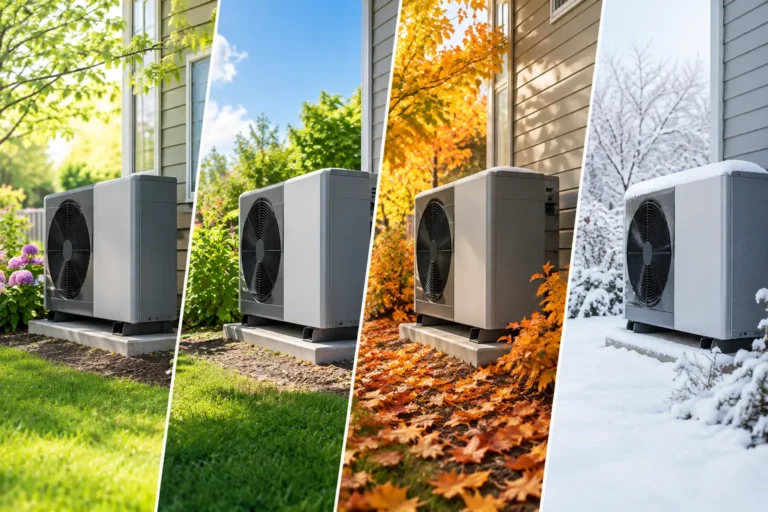
If your condo is in a region with sustained winter temperatures, choose a cold-climate heat pump with inverter-driven capacity and documented low-temperature performance. Standard heat pumps can be efficient in mild weather but may lose heating output when outdoor temperatures fall.
A cold-climate model modulates rather than cycling hard on and off. That can improve comfort, reduce noise, and maintain steadier indoor temperatures. It may still need supplemental heat during extreme cold, depending on local weather, insulation levels, and the size of the system.
Do not choose based on a heating-season efficiency number alone. Ask how much heat the unit delivers at lower outdoor temperatures, whether it has a built-in base-pan heater where needed, and what backup heat will operate if the system reaches its limits.
Size It for the Suite, Not the Sales Sheet
Oversizing is one of the most common condo heat-pump mistakes. A unit that is too large may short-cycle, create temperature swings, dehumidify poorly in cooling mode, and wear out faster. Undersizing can leave bedrooms cold in winter or the living area uncomfortable during summer heat.
Square footage is only a starting point. Two 800-square-foot condos can have very different heating and cooling needs. A top-floor corner unit with large west-facing glass may need much more cooling capacity than an interior suite with limited exterior exposure. Ceiling height, insulation, window quality, floor level, occupancy, and adjacent conditioned units all change the calculation.
A proper load assessment should guide the recommendation. It also helps prevent an installer from adding unnecessary capacity just to cover an uncertain design.
Condo Board Approval Is Part of the Installation
Get approval before equipment is ordered. Most condo boards want details that show the installation will not damage common property or disturb neighbors. Your application may need equipment specifications, condenser dimensions, electrical requirements, line-routing drawings, noise data, drainage details, and confirmation of licensed installation.
Ask these questions early:
- Is an outdoor unit permitted on the balcony, exterior wall, roof, or common area?
- Are there decibel limits, approved locations, or required vibration isolation pads?
- Where will condensate drain without dripping onto another balcony or walkway?
- Who is responsible for future repairs, access, and exterior restoration?
- Does the work require permits, engineering review, or proof of contractor insurance?
A responsible contractor will help identify these issues before installation day. That avoids the expensive situation where a new condenser must be relocated after the board objects to its placement.
Efficiency, Electrical Capacity, and Operating Cost
Heat pumps move heat instead of creating it directly, which is why they can be significantly more efficient than electric baseboards or portable heaters. Actual savings depend on your utility rates, insulation, thermostat settings, and how the system is used.
Electrical capacity remains a major consideration in condos. Some older suites have limited panel space or service capacity, particularly if they already use electric ranges, dryers, baseboard heaters, and hot-water equipment. A panel upgrade or load calculation may be required before adding a heat pump.
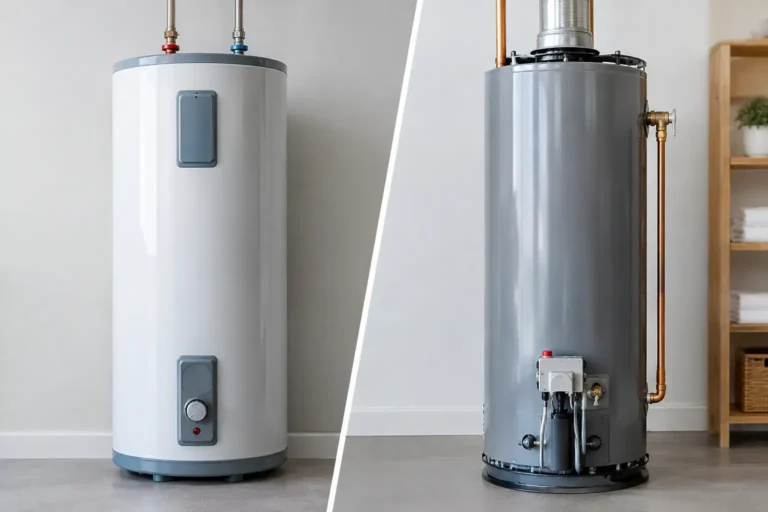
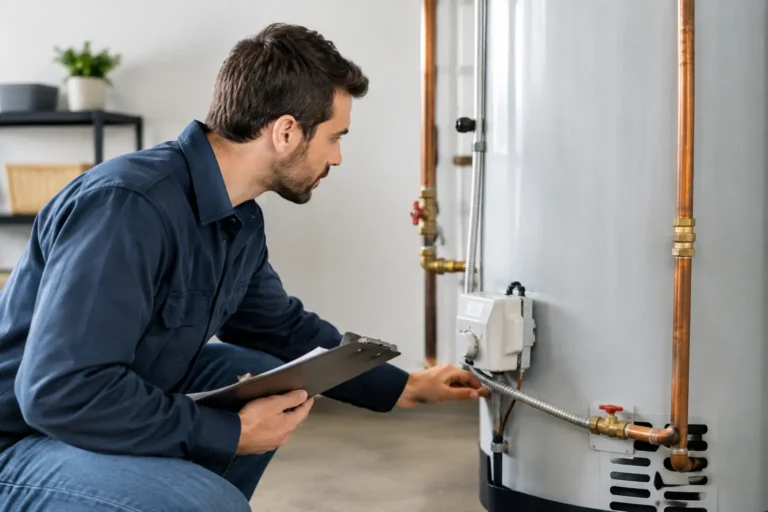
Ask whether your project qualifies for available heat-pump incentives or financing programs. Requirements often depend on equipment ratings, installation details, and documentation, so confirm eligibility before committing. If your water heater is also near the end of its service life, a heat-pump water heater may be worth reviewing at the same time, provided the condo has suitable space, drainage, ventilation, and electrical capacity.
Choose the Installer as Carefully as the Equipment
The best equipment can still perform poorly when line sets are improperly routed, condensate is not managed, electrical work is incomplete, or the system is never commissioned correctly. Condo installations require careful coordination because the work affects your suite, shared building components, and nearby residents.
Look for a licensed, insured HVAC contractor that can explain the scope in plain language, provide upfront pricing, and account for service access. FlameCo Heating Services can assess condo heat-pump options, coordinate a practical installation plan, and help you understand the equipment, approval, and maintenance requirements before work begins.
The right condo heat pump should feel quiet, controlled, and dependable rather than complicated. Bring your building rules, recent utility information, and suite layout to the first assessment. Those details make it far easier to select a system that will keep working for you long after installation is complete.