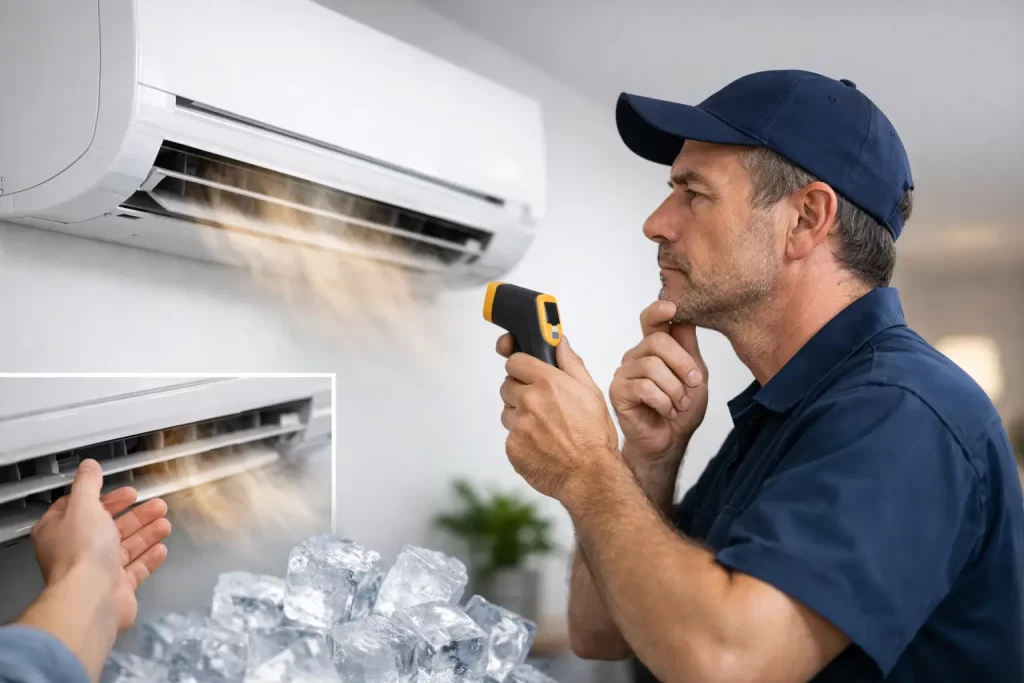
A hot house can become uncomfortable quickly, especially when the outdoor unit is running but the air from the vents feels warm. Air conditioner not cooling troubleshooting starts with a few safe checks, but it also means recognizing when a small symptom points to a refrigerant, electrical, airflow, or equipment problem that needs licensed service.
Do not keep lowering the thermostat and hoping the system catches up. That can add wear without solving the cause. Start with the simple items below, then arrange professional help promptly if the system is still not cooling, is making unusual noises, or is shutting down repeatedly.
Start With These Safe Cooling Checks
Before opening equipment panels or resetting breakers, confirm that the thermostat is set to Cool and the set temperature is below the current indoor temperature. A thermostat set to Fan or Heat, a depleted battery, an incorrect schedule, or a recently changed setting can look like a major AC failure.
Next, check the air filter. A heavily loaded filter restricts airflow across the indoor coil. The system may run longer, cool poorly, or freeze up. If the filter is visibly dirty, replace it with the correct size and airflow rating. Do not run the system without a filter, even briefly.
Then look at the supply vents and return grilles. Open the vents in the rooms you want cooled, and make sure furniture, rugs, boxes, or curtains are not blocking returns. Closing too many vents can raise static pressure and reduce system performance.
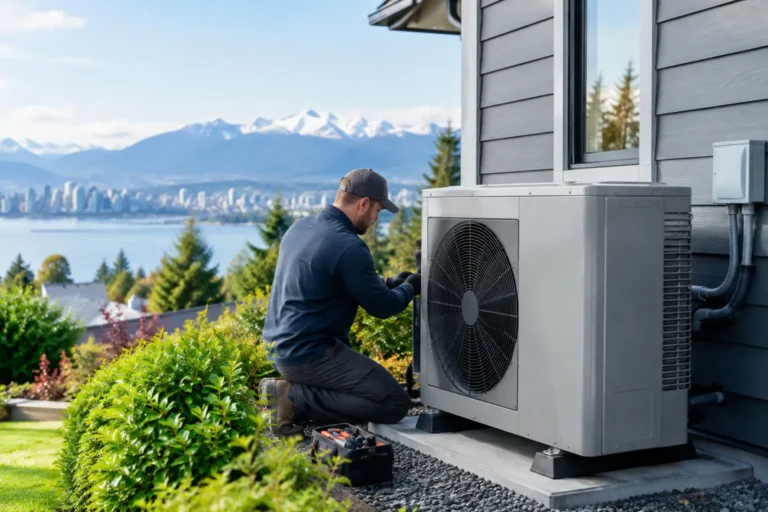
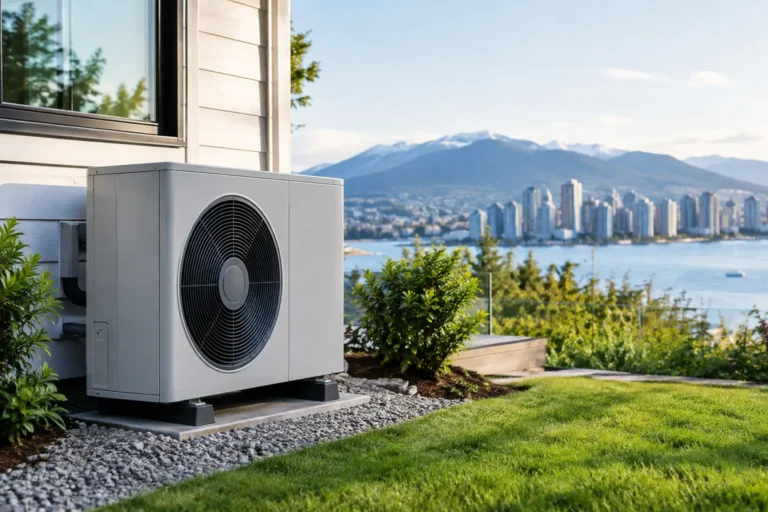
Finally, inspect the outside condenser from a safe distance. It needs open space to release heat. Remove leaves, grass clippings, and loose debris around the unit, keeping landscaping well back from the cabinet. Do not spray water into electrical components, bend coil fins, or remove access panels.
If these checks do not restore normal cooling within a reasonable period, the issue is likely beyond a homeowner reset.
Why Your AC Runs but Does Not Cool
An air conditioner does not create cold air. It moves heat from indoors to outdoors through a sealed refrigerant system. For that process to work, the thermostat, blower, indoor coil, refrigerant charge, compressor, condenser fan, electrical controls, ducts, and drainage system all need to operate correctly.
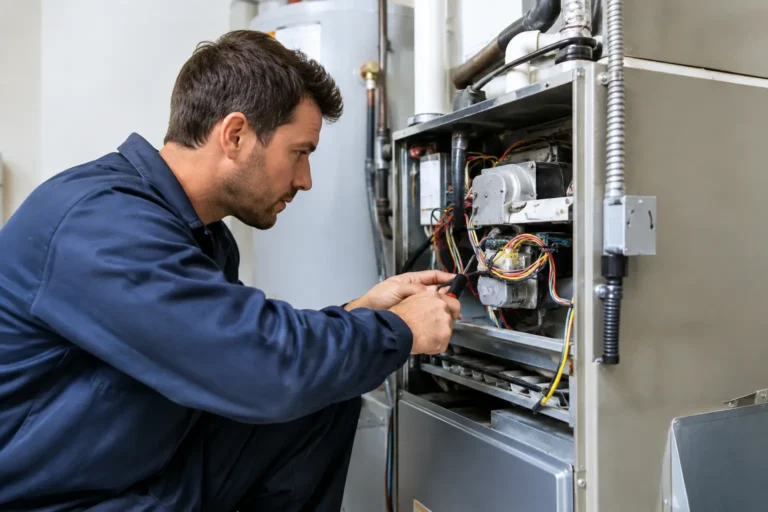
A dirty filter is common, but it is not the only reason a system loses cooling. A failed capacitor may prevent the outdoor fan or compressor from starting properly. A worn contactor can interrupt power to the condenser. A blower motor problem can leave the indoor unit running with very little air at the vents. These are electrical repairs that should be handled by a qualified HVAC technician.
Low refrigerant is another frequent cause, particularly when the system cools weakly, runs for long periods, or develops ice on the refrigerant line or indoor coil. Refrigerant is not a fuel that an AC simply uses up. If the level is low, there is usually a leak that needs to be located and repaired before the system is recharged. Adding refrigerant without addressing the leak is a temporary expense, not a dependable repair.
Duct issues can also affect comfort. A disconnected duct, damaged insulation, a crushed flex duct, or major air leakage in an attic, crawlspace, or utility area can keep cooled air from reaching the rooms that need it. In commercial properties and multi-unit buildings, airflow balance and shared equipment issues can make the diagnosis more complex.
Air Conditioner Not Cooling Troubleshooting by Symptom
The outdoor unit will not turn on
First, verify the thermostat is calling for cooling. Check whether the indoor blower is operating and whether the electrical panel has a tripped breaker. If a breaker trips again after being reset once, leave it off and call for service. Repeated breaker trips can indicate a short circuit, compressor issue, motor failure, or other electrical fault.
Avoid repeatedly cycling the breaker or pressing the thermostat on and off. That approach can damage equipment and makes the original issue harder to diagnose.
The system is blowing warm air
Warm air can result from a thermostat setting, a condenser that is not operating, a failed compressor component, or low refrigerant. Go outside and listen from a safe distance. If the condenser is silent while the indoor fan runs, or if it hums but the fan does not spin, turn the system off and schedule a repair.
If the outdoor fan is spinning but the home is still warm, the problem may be refrigerant-related or connected to the compressor, indoor coil, or ductwork. A technician can test pressures, temperatures, voltage, and airflow rather than guessing at the cause.
Airflow is weak from the vents
Start with the filter and all return-air openings. If those are clear, weak airflow may point to a failing blower motor, dirty evaporator coil, duct restriction, or improperly sized equipment. A frozen coil can create the same symptom because ice blocks airflow through the indoor unit.
Turn cooling off if you see ice on the copper refrigerant line, indoor coil, or outdoor unit. Set the thermostat fan to On if airflow is available, and allow the equipment to thaw. Do not chip ice away. Once thawed, the system still needs service because freezing is a symptom, not the root problem.
The AC cools sometimes, then stops
Intermittent cooling often involves electrical components, overheating equipment, condensate safety switches, or thermostat communication issues. On very hot days, an undersized or poorly maintained system may struggle, but it should not repeatedly shut down or fail to maintain a reasonable indoor temperature.
A clogged condensate drain can also stop some systems from operating. Water around the indoor unit, a drain pan overflow, or a system that quits after running for a while warrants prompt attention. Water damage can become more costly than the original cooling repair.
When to Turn the System Off
Shut the AC down and request service if you smell burning, hear loud grinding or banging, see smoke, notice a buzzing electrical panel, find oil-like residue around refrigerant lines, or see persistent ice. These symptoms can worsen when the system continues to run.
The same applies if the breaker trips repeatedly. Electrical work inside an air conditioner involves high voltage, stored energy in capacitors, and components that need proper testing. Refrigerant work also requires the right equipment and handling procedures. This is not a safe do-it-yourself repair category.
For landlords, property managers, and commercial operators, act early when tenants report warm rooms, leaks, or inconsistent cooling. A quick diagnostic visit can prevent a complete outage during a heat event and reduce disruption across occupied spaces.
Repair or Replace? Make the Decision With Real Numbers
A repair is often the right move when the equipment is relatively new, the issue is isolated, and the system has otherwise cooled reliably. Capacitors, contactors, drain repairs, and certain motor repairs can restore operation without requiring a replacement.
Replacement deserves consideration when an older system has a major compressor failure, recurring refrigerant leaks, expensive coil damage, or a history of repeated service calls. Age alone does not decide it. The condition of the ducts, insulation, electrical capacity, equipment size, repair cost, and expected efficiency all matter.
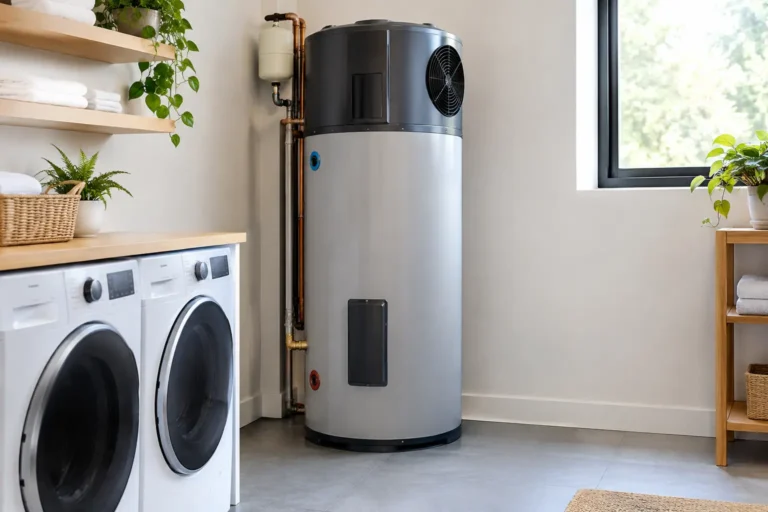
For homes considering a change, a heat pump can provide both cooling and heating and may qualify for available government incentives. Heat pump water heater incentives may also improve the value of a broader home-efficiency upgrade. A clear quote should explain the equipment options, installation scope, expected benefits, and any applicable rebate or financing path before work begins.
Get Cooling Help Before the Next Heat Wave
If basic checks do not solve the issue, a professional diagnostic visit is the fastest way to protect your equipment and get a clear answer. FlameCo Heating Services provides licensed, bonded, and insured HVAC service, including emergency response, with transparent pricing for homeowners and property managers across Metro Vancouver and the Lower Mainland.
Comfort problems rarely improve by waiting. Address weak cooling, ice, leaks, or electrical symptoms while the repair is still manageable, and you will have a better chance of restoring dependable cooling before the next hot afternoon.