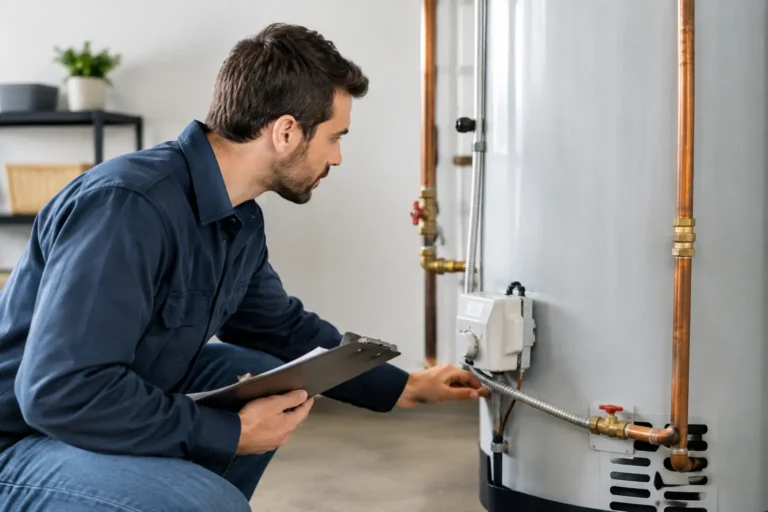
A cold shower during a busy Maple Ridge morning makes the choice feel urgent, but an electric water heater versus gas comparison should not be decided on fuel cost alone. The right tank depends on your household’s hot-water demand, the utilities already serving the building, the condition of the venting and electrical system, and how long you expect to own the property.
Gas water heaters often recover faster, while electric models can be simpler to install where no gas line or approved vent route exists. For a rental building, restaurant, or large family home, recovery speed may matter more than the price on the equipment tag. For a condo, smaller household, or property moving toward electrification, electric may be the more practical path.
Electric Water Heater Versus Gas: The Real Differences
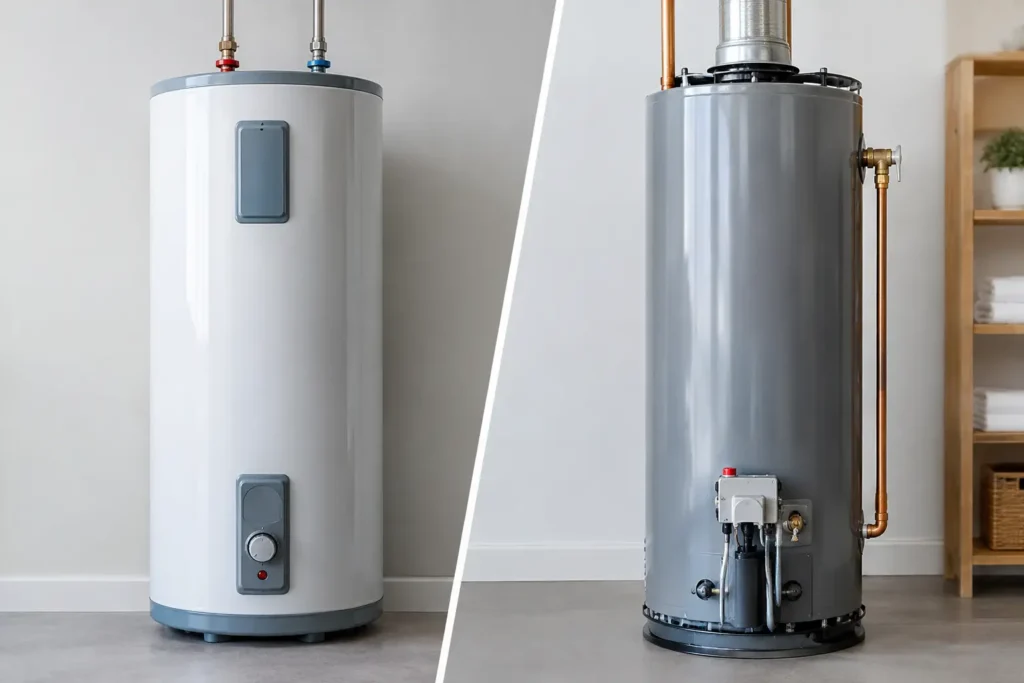
Both conventional tank water heaters store and heat a reserve of water. When hot water is used at a shower, faucet, dishwasher, or washing machine, cold water enters the tank and the unit reheats what was used. The difference is how that heat is created.
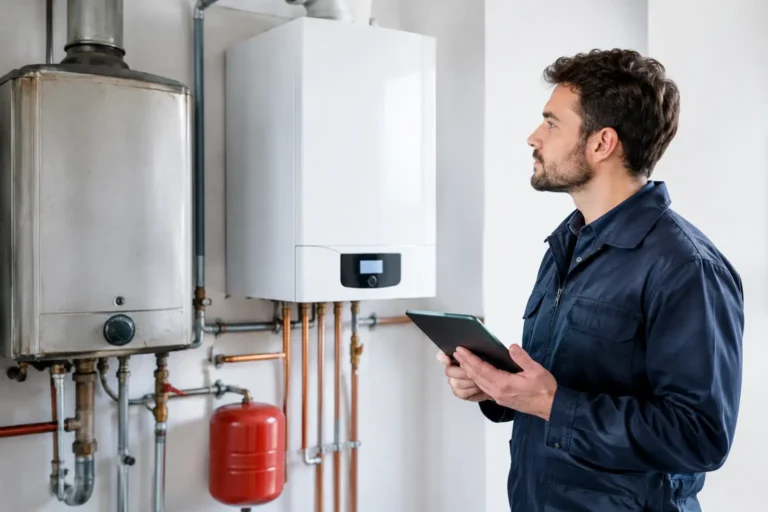
A gas water heater uses a burner beneath the tank. It needs a properly sized gas supply, combustion air, and code-compliant venting to move combustion gases safely outdoors. An electric tank uses internal heating elements powered by a dedicated electrical circuit. There is no flame and no combustion vent, but the home’s electrical capacity must be sufficient.
Gas units typically have a higher recovery rate. In practical terms, they can restore hot water more quickly after several back-to-back showers or a heavy laundry load. Electric units usually recover more slowly, although capacity, wattage, incoming water temperature, and usage habits all affect the result.
Neither option is automatically better. A well-sized electric tank can serve a modest household reliably for years. A gas tank can be an excellent choice for a high-demand property that already has safe gas infrastructure in place.
Upfront Installation Cost Is About the Existing Setup
If your existing water heater is being replaced with the same fuel type in the same location, the project is usually more straightforward. Replacing gas with gas may allow the installer to use the existing gas connection and venting, provided both are in good condition and meet current requirements. Replacing electric with electric may be similarly direct if the electrical circuit is correctly sized.
Switching fuel types changes the equation. Moving from electric to gas can require a new gas line, venting route, roof or wall penetration, combustion-air considerations, and licensed gas-fitting work. Moving from gas to electric can require a dedicated 240-volt circuit, panel capacity review, and electrical upgrades. These site requirements can cost more than the water heater itself.
For older Lower Mainland homes, an inspection is especially valuable. Previous installations are not always configured to current code, and water damage, corrosion, improper vent slope, undersized wiring, or missing seismic restraint can turn a simple replacement into a safety and reliability issue. A clear quote should identify what is included before work begins, not after the old tank has been disconnected.
Operating Cost Depends on Local Utility Rates and Efficiency
Gas has traditionally offered lower operating costs in many areas because natural gas can be less expensive per unit of heat than electricity. That does not mean every gas water heater will cost less to run. Equipment efficiency, standby heat loss, household habits, and local utility pricing all matter.
Electric tank heaters convert electricity to heat at the tank very efficiently, but electricity pricing can make their monthly operating cost higher. Gas tanks lose some energy through venting and standby losses, though high-efficiency gas options can reduce those losses.
The most useful comparison is not a single monthly estimate from a product brochure. Look at the unit’s energy rating, tank size, expected daily use, fuel rates for your address, and likely service life. A lower initial price can become less attractive if the unit is too small and runs constantly. Likewise, paying more for capacity you never use can be unnecessary.
For landlords and property managers, usage patterns deserve special attention. A suite occupied by one person has different needs than a four-bedroom rental with multiple occupants. Commercial properties should be evaluated around actual peak demand, such as opening hours, restroom use, cleaning cycles, staff showers, or kitchen operations.
Recovery Rate and Tank Size Matter More Than Fuel Alone
A water heater should be sized for the busiest hour of use, not the average day. A family may need hot water for two showers, a dishwasher cycle, and laundry within a short window. If the tank cannot keep up, occupants get lukewarm water even when the equipment is functioning correctly.
Gas water heaters often suit higher-demand households because of their faster recovery. They can be a strong fit for homes with several bathrooms, large tubs, or frequent simultaneous hot-water use. Electric water heaters can work well for predictable, moderate demand when the tank is sized correctly.
Do not solve a sizing problem by simply buying the largest tank available. Oversized tanks take up more space, hold more water that must be kept hot, and can increase standby losses. An experienced technician can review the household size, fixture count, fuel source, installation space, and first-hour hot-water needs to recommend an appropriate capacity.
Safety and Maintenance Are Different for Each System
Gas equipment requires careful attention because it combines fuel, flame, venting, and combustion gases. A damaged vent, failing burner, gas leak, or venting obstruction requires qualified service. Warning signs include a rotten-egg gas odor, soot around the unit, unusual burner behavior, pilot issues, frequent shutdowns, or a carbon monoxide alarm. Leave the area if there is a suspected gas leak and contact the appropriate emergency service before arranging repair.
Electric water heaters avoid combustion-related concerns, but they are not maintenance-free. Electrical connections, thermostats, heating elements, temperature-pressure relief valves, and tank condition still need attention. A leaking tank, tripped breaker, rusty water, banging sounds, or inconsistent temperatures should be assessed before the problem becomes water damage or a complete failure.
Both types benefit from periodic maintenance. Flushing sediment can help protect efficiency and tank life, particularly where mineral buildup is an issue. Testing the relief valve, inspecting connections, checking for corrosion, and confirming safe temperature settings are also worthwhile. For gas units, venting and burner performance should be part of professional service.
Space, Venting, and Resilience During Outages
An electric tank heater does not need a flue, which can make placement easier in some homes. It still needs clearance for servicing and a dry, suitable location with proper drainage protection. A gas tank needs room for safe venting and access to combustion air according to the equipment and installation requirements.
Power outages are another practical consideration. A standard gas water heater with a standing pilot may continue to provide hot water during an electrical outage, while models with electronic ignition or powered components may not. A conventional electric water heater will not heat water without power. Existing stored hot water may remain available for a limited time, but it will not be replenished.
This point matters differently for every property. Some homeowners prioritize outage resilience. Others place more value on removing combustion equipment from the home or simplifying a renovation. The best choice reflects the building and the owner’s priorities.
When a Heat Pump Water Heater May Be the Better Upgrade
The comparison is no longer limited to standard electric tanks and gas tanks. Heat pump water heaters use electricity to move heat from surrounding air into the water, rather than creating all heat with resistance elements. They can use substantially less electricity than a conventional electric tank under suitable conditions.
They also have trade-offs. Heat pump water heaters need adequate space and air volume, can cool and dehumidify the room around them, and may produce noticeable fan noise. They work especially well in locations such as a garage, utility room, or mechanical area where those effects are acceptable. Installation planning should account for condensate drainage, electrical requirements, clearances, and cold-weather performance.
Government incentives for heat pump water heaters may help reduce upgrade costs, but eligibility, funding levels, and program rules can change. Confirm available incentives before selecting equipment or beginning work. A qualified contractor can help determine whether the installation location and electrical system are suitable before you commit to the project.
Make the Decision Before the Tank Fails
Waiting until a water heater leaks often forces a rushed choice. If your tank is nearing the end of its expected service life, showing corrosion, making rumbling noises, or delivering inconsistent hot water, arrange an assessment while you still have options.
FlameCo Heating Services can evaluate tank condition, hot-water demand, gas and electrical requirements, venting, and installation costs for homes and properties across Metro Vancouver and the Lower Mainland. The work should be completed by licensed, bonded, and insured professionals, with the scope and price explained clearly before replacement begins.
The best water heater is the one that safely fits your building, meets demand without wasting energy, and can be serviced confidently for years. Planning that decision now is far easier than making it with a leaking tank on the floor.