A home can feel stuffy long before anyone notices an odor or sees condensation on a window. Cooking moisture, shower steam, pet dander, cleaning products, and everyday occupancy all add contaminants to indoor air. Knowing how to improve indoor ventilation helps protect comfort, control humidity, and reduce the strain on your heating and cooling equipment.
For homeowners and property managers, ventilation is not simply a matter of opening a window. That may help on a mild day, but it is not always practical during wildfire smoke, heavy rain, winter cold, high pollen counts, or extreme summer heat. The right solution depends on the building, the season, the number of occupants, and the equipment already installed.
How to Improve Indoor Ventilation Without Wasting Energy
The goal is to bring stale indoor air out and introduce cleaner outdoor air in a controlled way. In a tightly sealed newer home, that often means using mechanical ventilation rather than relying on leaks around doors, windows, and ductwork.
Start with the rooms that create the most moisture and pollutants: kitchens, bathrooms, laundry rooms, garages, and areas with gas-burning appliances. A ventilation plan that ignores these spaces can leave the rest of the home feeling damp, stale, or unevenly heated and cooled.
Use kitchen and bathroom exhaust fans correctly
A range hood should vent outdoors, not simply recirculate air through a basic filter. Use it whenever you cook, especially when boiling water, frying food, or using a gas range. Turn it on before cooking begins and leave it running for 10 to 20 minutes afterward so steam and airborne particles have time to clear.
Bathroom fans matter just as much. Run the fan during every shower and for at least 20 minutes afterward. If the mirror stays fogged, walls feel damp, or mildew returns quickly, the fan may be undersized, clogged, poorly ducted, or venting into an attic instead of outside. That is a repair issue worth addressing promptly, since trapped moisture can damage finishes and encourage mold growth.
For rental properties and commercial washrooms, timer switches or humidity-sensing controls can help ensure fans run long enough without asking tenants or staff to remember every time.
Check where exhaust air actually goes
An exhaust fan only works if its duct has a clear path to the exterior. Crushed flexible ducting, loose connections, dirty exterior hoods, and long duct runs with too many turns can sharply reduce airflow. Birds’ nests, lint, and debris can also block exterior vents.
Dryer vents deserve special attention. A restricted dryer vent creates a fire risk, increases drying time, and adds unwanted humidity to the building. Never vent a dryer indoors. If clothes take more than one cycle to dry or the laundry room feels unusually hot, arrange an inspection and cleaning.
Create cross-ventilation when outdoor conditions allow
Opening windows on opposite sides of a home can move air far more effectively than opening one window alone. Even a small opening at the front and back of the home can create a useful path for air to travel through living areas.
This approach works best when outdoor air quality is good and temperatures are moderate. During a smoke event or periods of high outdoor pollution, opening windows may worsen indoor air quality. Keep windows closed, use properly maintained filtration, and rely on a mechanical ventilation strategy instead.
Make Your HVAC System Part of the Solution
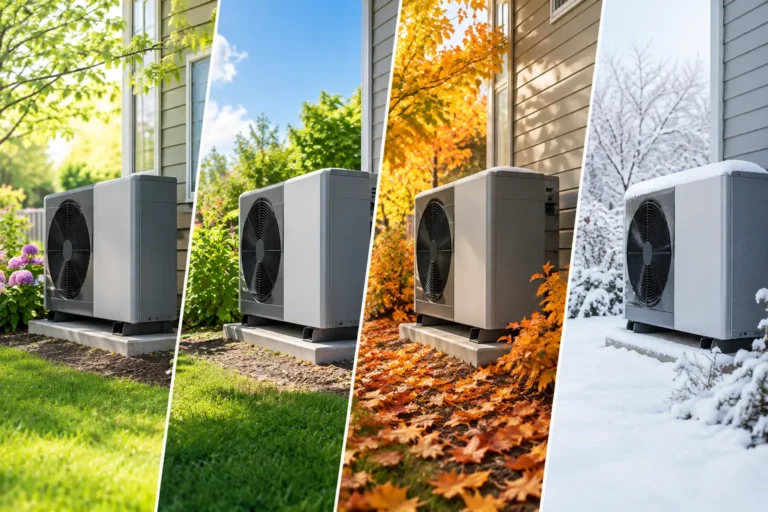
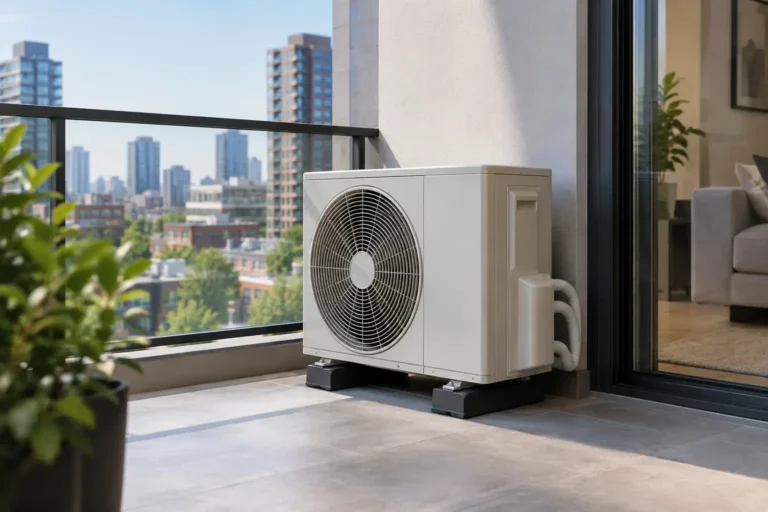
Your furnace, heat pump, air conditioner, or mini-split is primarily designed for heating and cooling. Some systems also support ventilation, but not every HVAC setup brings in fresh outdoor air. Running the fan alone may circulate indoor air without removing moisture, odors, or pollutants.
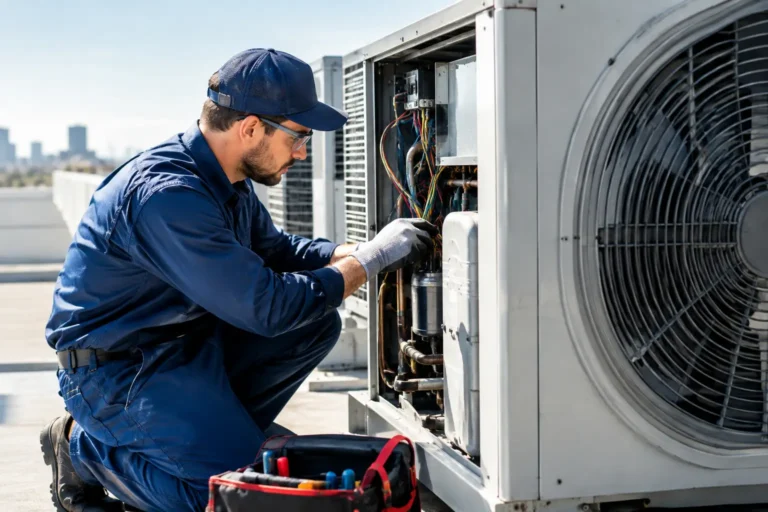
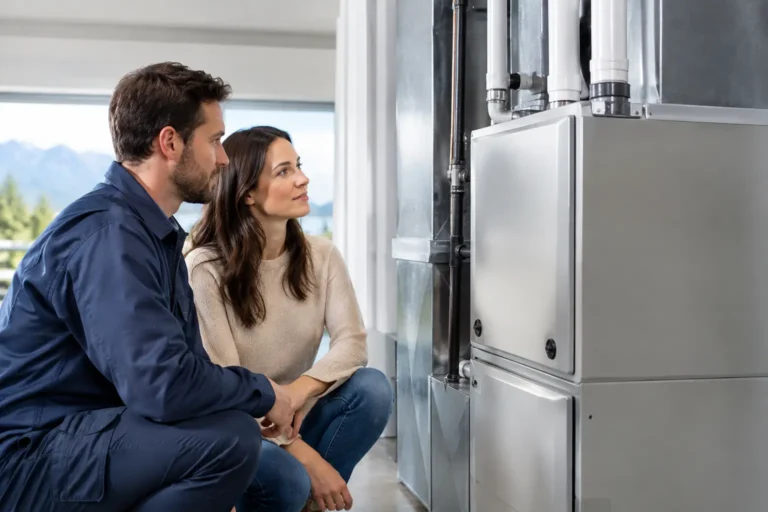
A qualified HVAC technician can determine whether your system has a fresh-air intake, whether it is correctly sized, and whether the ductwork is distributing air as intended. In older homes, return-air problems, dirty ducts, closed dampers, and poorly balanced registers can leave bedrooms and upper floors feeling stagnant even when the main floor is comfortable.
Replace filters on schedule
A clogged filter restricts airflow and can make ventilation problems feel worse. Check the filter monthly and replace it according to the manufacturer’s instructions, typically every one to three months depending on the filter type, pets, renovation activity, and household needs.
Higher-efficiency filters can capture smaller particles, but they are not automatically the right choice for every system. A filter that is too restrictive for the blower can reduce airflow and increase equipment wear. The best filter balances filtration needs with your furnace or air handler’s capabilities.
Keep supply and return vents clear
Furniture, rugs, curtains, and storage bins can block registers and returns. Keep a clear area around them so conditioned air can enter rooms and return to the system. Closing too many supply vents to force air into another area can create pressure issues and reduce overall system performance.
If one room consistently feels stale, hot, cold, or humid, do not assume a portable fan will solve the underlying issue. It may point to duct leakage, insufficient return air, poor insulation, or a system that needs balancing.
Consider an HRV or ERV for Reliable Fresh Air
For homes that are tightly sealed or frequently have condensation, a heat recovery ventilator (HRV) or energy recovery ventilator (ERV) can provide steady, controlled fresh-air exchange. These systems exhaust stale air while bringing in outdoor air, transferring some heat between the two air streams to reduce energy loss.
An HRV is often a good fit in colder climates where moisture management is a major concern. An ERV transfers some moisture as well as heat, which can be helpful where summer humidity is an issue. The right choice depends on local climate, home construction, existing HVAC equipment, and the household’s humidity concerns.
These systems require proper design and installation. An oversized unit can waste energy and over-dry indoor air, while an undersized unit may not adequately serve the home. Duct routing, exterior intake location, and commissioning all affect results. This is not a place for guesswork or an improvised connection to existing furnace ducts.
Reduce Indoor Pollutants at the Source
Ventilation works best when there is less contamination to remove. Store paints, fuels, solvents, and strong chemicals outside the living space whenever possible. Never idle a vehicle in an attached garage, even with the garage door open. Carbon monoxide can enter the home quickly.
Use low-odor cleaning products when practical, and avoid smoking or vaping indoors. When renovating, isolate dusty work areas and use exhaust ventilation where possible. New flooring, paint, cabinetry, and adhesives can release fumes for days or weeks, so temporary increases in outdoor air exchange may be worthwhile when conditions permit.
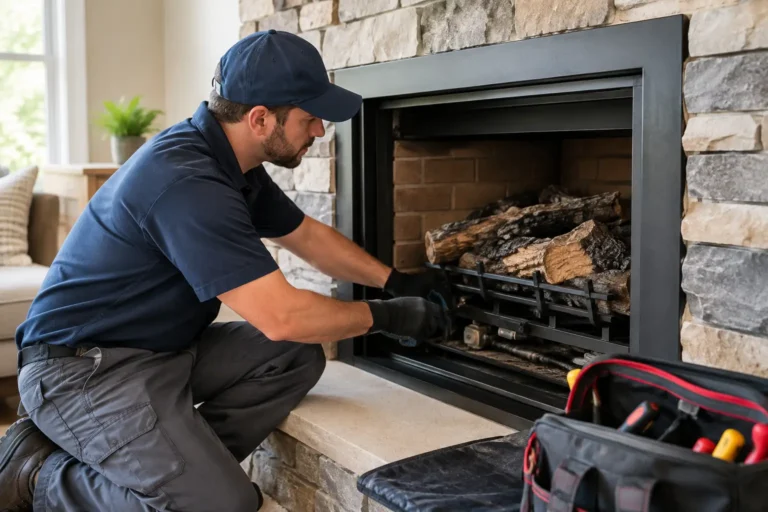
Gas appliances need special care. A yellow or unstable burner flame, soot around an appliance, recurring headaches, or a carbon monoxide alarm should be treated seriously. Leave the area if you suspect a gas leak or carbon monoxide issue, follow emergency guidance, and have the appliance inspected by a licensed professional. Carbon monoxide alarms should be installed and tested according to local requirements and manufacturer instructions.
Control Humidity Before It Becomes Damage
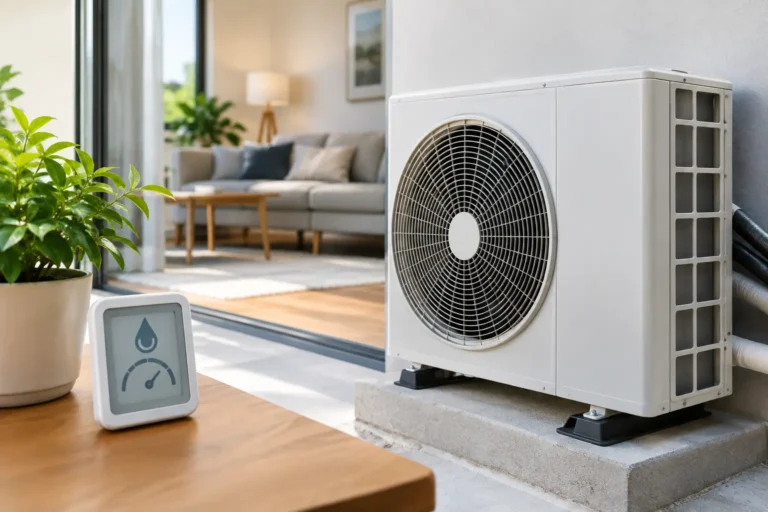
Humidity is one of the clearest signs that ventilation needs attention. In many homes, indoor relative humidity around 30% to 50% is a practical target, though the right range changes with outdoor temperature and building conditions. Winter condensation on windows may mean indoor humidity is too high for the season, while persistently dry air can cause discomfort and static electricity.
A dehumidifier can help in a damp basement or during humid weather, but it does not replace exhaust ventilation or repair water intrusion. If moisture is coming through a foundation, leaking plumbing, or an unvented combustion appliance, the source needs to be corrected.
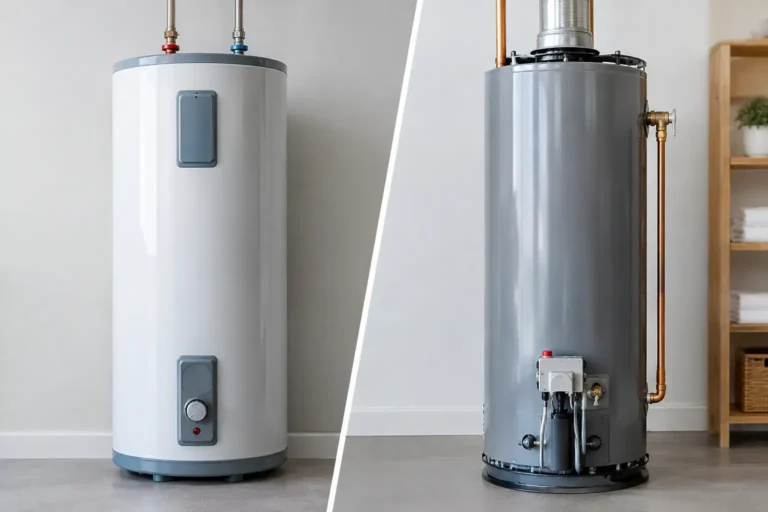
For homes replacing aging equipment, a properly selected heat pump or heat-pump water heater may improve efficiency while supporting better overall moisture management. Available government incentives can make qualifying upgrades more affordable, but eligibility and program requirements change, so confirm options before making a purchase decision.
When to Call for Professional Ventilation Help
Some warning signs call for more than routine filter changes. Arrange an assessment if you notice persistent musty odors, visible mold, frequent window condensation, uneven room temperatures, recurring bathroom mildew, unusual dust buildup, or a home that feels stale despite open vents and working fans.
For landlords and property managers, repeated tenant complaints about humidity, odors, or uncomfortable rooms should be documented and investigated rather than handled with temporary air fresheners. The cause may involve ventilation, exhaust routing, HVAC performance, insulation, or an appliance safety issue.
FlameCo Heating Services can assess heating, cooling, ventilation, and gas equipment as connected parts of one comfort and safety system. A clear inspection can identify whether the practical fix is a fan replacement, duct repair, HVAC maintenance, ventilation upgrade, or a larger equipment plan.
Fresh air should not come at the expense of comfort, safety, or unreasonable energy bills. Start with working exhaust fans, clean filters, clear vents, and sensible moisture control, then bring in qualified help when the signs point to a system-level problem.