A boiler can fail slowly for years, then become an urgent problem on the first cold night when it cannot keep up. This boiler replacement case study follows a common Lower Mainland scenario: an aging hydronic boiler, uneven heat, rising repair costs, and a property owner who needed a dependable answer rather than another temporary fix. Details have been generalized to protect the customer’s privacy, but the decision process is one homeowners, landlords, and property managers can use.
The Call: Heat Was On, but the Building Was Not Comfortable
The property was a multi-level home with a gas-fired boiler supplying hot-water baseboards. The owner had noticed warning signs for more than one heating season. Several rooms lagged behind the thermostat setting, the boiler needed more frequent resets, and a repair had already been completed the previous winter.
The immediate complaint was not a complete no-heat emergency. The boiler still ran, but it cycled repeatedly and struggled to maintain temperature during colder weather. That matters because partial heat can hide a serious equipment issue. It may also lead an owner to keep paying for repairs while the underlying system becomes less reliable.
The owner’s first question was reasonable: could the boiler be repaired again? The answer depended on the inspection, the availability of parts, the condition of the venting and gas connections, and whether a repair would provide meaningful life from the equipment.
Boiler Replacement Case Study: What the Inspection Found
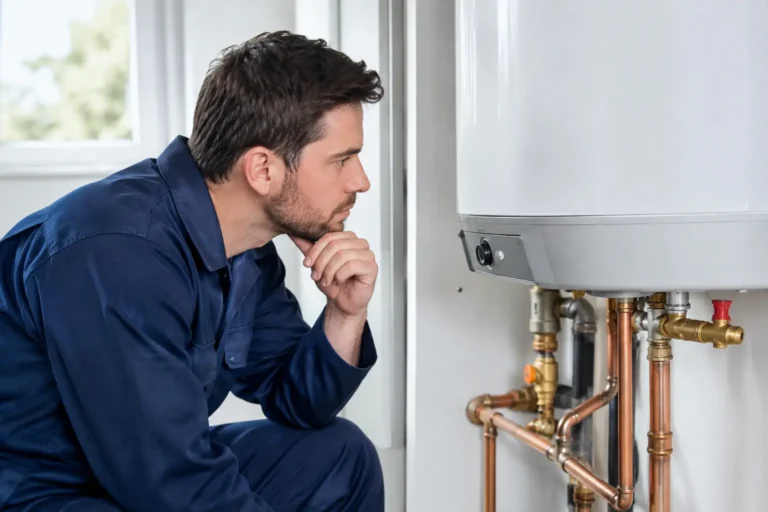
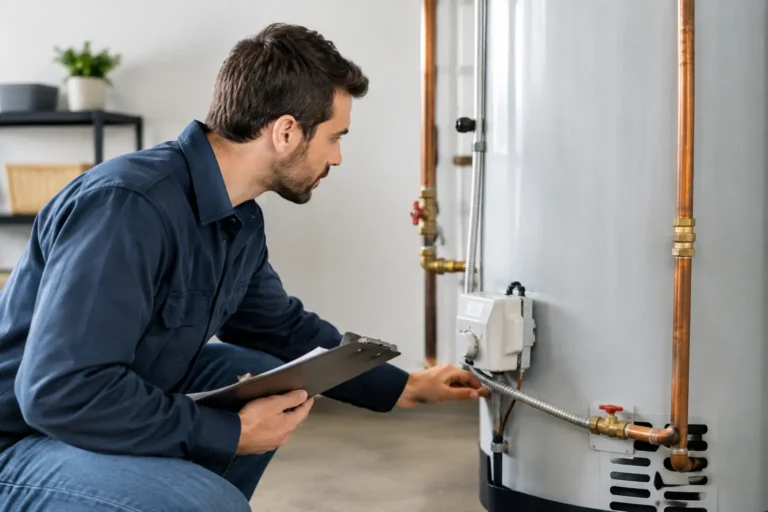
A proper boiler assessment starts with more than the boiler cabinet. The technician needs to inspect the complete heating and combustion system, including the distribution piping, circulator pumps, expansion tank, controls, gas supply, venting, condensate arrangement where applicable, and visible signs of leaks or corrosion.
In this case, the boiler had reached an age where major components were increasingly difficult to justify repairing. The heat exchanger area showed signs of long-term wear, and the unit had a history of ignition-related service calls. The existing controls were also contributing to short cycling, where the boiler starts and stops too often instead of running in steadier, efficient cycles.
Short cycling is not always caused by a failed boiler. It can result from incorrect sizing, control settings, circulation problems, zoning issues, or a mismatch between the equipment and the building’s actual heating load. Replacing equipment without checking those conditions can leave the customer with a new boiler and the same comfort problem.
The inspection also identified an opportunity to improve the system layout. A few aging isolation valves and a weak expansion tank did not have to be the reason for replacement, but addressing them during installation would reduce the chance of an early service call after the new boiler was installed.
Repair or Replace? The Decision Was Based on Risk, Not Pressure
A repair can be the right choice when the issue is isolated, replacement parts are readily available, and the rest of the system is in good shape. It is often the lower immediate-cost option. For a newer boiler with a failed sensor, valve, pump, or ignition component, a targeted repair may be the practical path.
That was not the situation here. The owner was facing a larger repair on equipment near the end of its expected service life. Even after the repair, there was no guarantee that another aging component would not fail during the next heating season. The owner also wanted better temperature consistency and lower operating costs where possible.
The replacement recommendation was made with clear trade-offs. A new high-efficiency boiler would require a larger upfront investment, and the installation would involve planned downtime. In return, the owner would receive new equipment, updated safety-related connections, a manufacturer warranty, and a more reliable foundation for the home’s hydronic heating system.
For rental and commercial properties, this calculation can shift even further toward replacement. An unexpected boiler failure affects tenants, creates scheduling pressure, and can require after-hours response. Planned work is usually easier to coordinate than a breakdown in the middle of a cold spell.
Building the Right Replacement Plan
The proposal was not based on matching the old boiler’s input rating. Older boilers are often oversized, particularly when a home has received insulation upgrades, newer windows, or other efficiency improvements over the years. Correct sizing should account for the building, its heat loss, the existing radiation, and how the system is used.
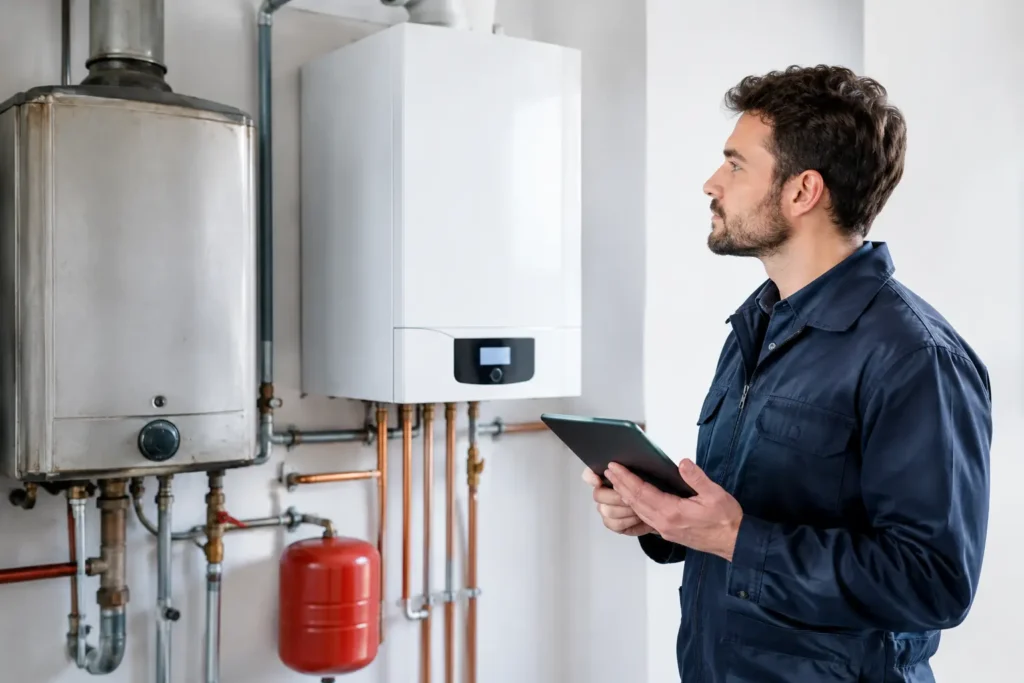
The replacement plan included a properly sized high-efficiency condensing boiler, updated near-boiler piping components, new controls, and a review of venting and condensate drainage requirements. The goal was not simply to install a newer model. It was to give the boiler stable operating conditions so it could deliver even heat without unnecessary cycling.
Equipment selection also considered the existing baseboard system. Hydronic systems can be highly comfortable, but their performance depends on water temperature, circulation, and control strategy. A boiler that can modulate its output and adjust water temperature to outdoor conditions may operate more efficiently than an older unit that runs at one high fixed temperature.
The owner received an upfront quote explaining the scope of work, expected schedule, and any items that could change if concealed site conditions were discovered. That kind of clarity matters. Boiler replacements sometimes reveal damaged piping, inadequate vent clearances, electrical issues, or drainage limitations that were not visible during the initial visit. A responsible contractor explains those possibilities before work begins instead of presenting surprise charges after the old equipment is removed.
Installation Day: Keeping Downtime Controlled
The work was scheduled for a period with the least practical disruption. Before removal, the team confirmed the equipment, materials, access route, gas shutoff process, and protection for the work area. The old boiler was isolated, the system was drained, and the equipment was removed safely.
The new boiler installation included the necessary gas, venting, water, electrical, and control connections. The heating system was then filled, purged of air, and checked for leaks. Air left in hydronic piping can cause noisy operation, poor circulation, and cold rooms, so this step is not a formality.
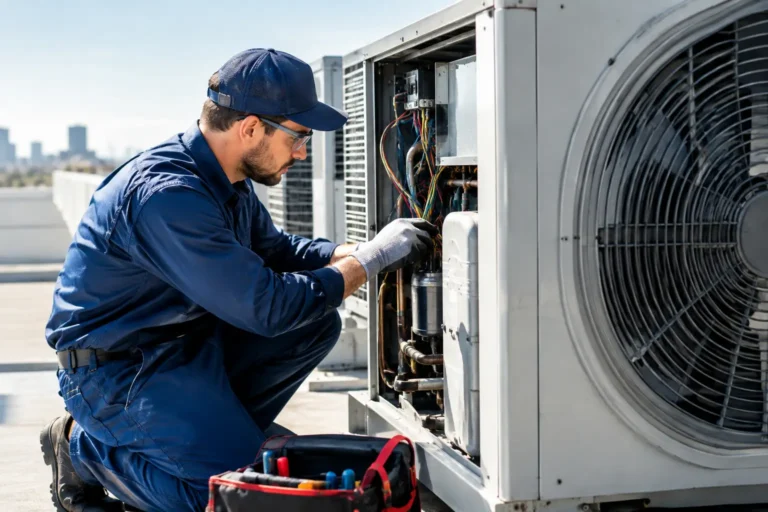
Commissioning was equally important. The team verified ignition, combustion-related operation, system pressure, pump function, temperature response, and control settings. Each heating zone was checked to confirm that heat was reaching the intended areas of the home.
FlameCo Heating Services approaches this work as both a comfort and safety job. Gas-fired equipment requires qualified installation, correct venting, and careful final testing. A boiler that turns on is not automatically a boiler that has been installed correctly.
The Result: More Predictable Heat and Fewer Unknowns
After replacement, the most noticeable change was consistency. Rooms reached temperature more evenly, and the boiler no longer cycled as aggressively as the old unit. The owner also had a clearer understanding of how the system worked, what maintenance it required, and which warning signs should prompt a service call.
Utility savings are possible with a modern, correctly installed high-efficiency boiler, but no contractor should promise a specific dollar amount without reviewing fuel use, thermostat habits, insulation, weather, and the condition of the distribution system. Efficiency gains vary. What the owner could count on was eliminating the immediate risk of a major breakdown from the failing boiler and reducing exposure to repeated repairs.
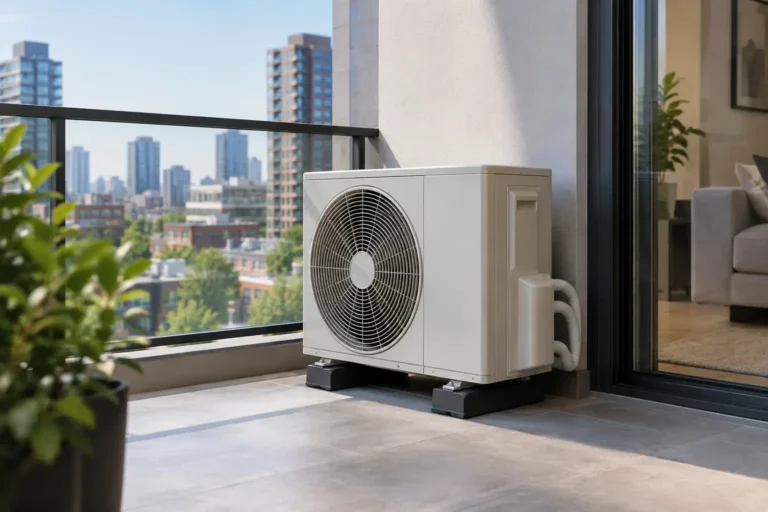
The project also opened a broader conversation about energy upgrades. Some properties may benefit from adding a heat pump for cooling and shoulder-season heating while keeping a boiler for hydronic comfort during colder periods. Available government incentives for heat pumps and heat-pump water heaters can help improve the economics of those upgrades, though eligibility, funding levels, and installation requirements change. Those programs should be verified before equipment is purchased or work begins.
What Property Owners Can Take From This Case
The most useful lesson is to act before a boiler becomes a no-heat emergency. If the system is increasingly noisy, needs frequent resets, heats unevenly, leaks, produces unusual odors, or requires expensive repairs, schedule an assessment while there is time to compare options.
Ask for a recommendation that covers the whole system, not only the failed part. You should understand why repair or replacement is being suggested, what equipment is being proposed, how sizing was determined, what safety work is included, and what the final scope is expected to cost. Licensed, bonded, and insured work is especially important where gas, venting, and combustion equipment are involved.
A boiler replacement is a major property decision, but it should not feel like a gamble. The right plan starts with a careful inspection, gives you honest repair-versus-replace options, and leaves you with dependable heat when you need it most.