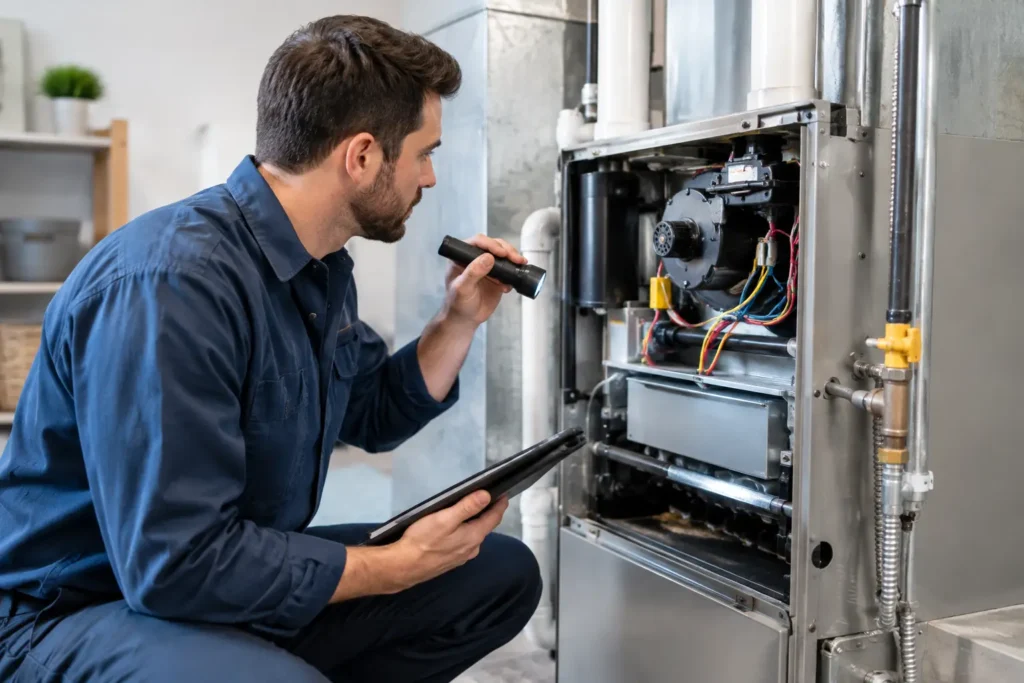
A furnace can seem fine right up until the first cold night when it will not start, blows cool air, or makes a burning smell impossible to ignore. This furnace inspection guide helps homeowners, landlords, and property managers recognize what they can safely check, what requires a licensed technician, and why a routine inspection is about more than avoiding an inconvenient breakdown.
For properties across Maple Ridge and the Lower Mainland, the best time to arrange furnace service is before steady heating demand begins. But if your furnace is already acting differently, do not wait for a convenient date. Unusual operation can point to a simple maintenance need, or a combustion, electrical, venting, or gas issue that needs prompt professional attention.
What a Professional Furnace Inspection Covers
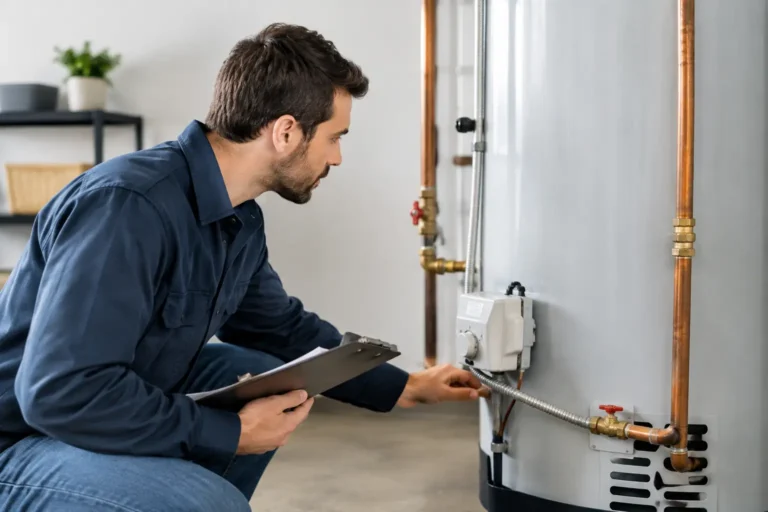
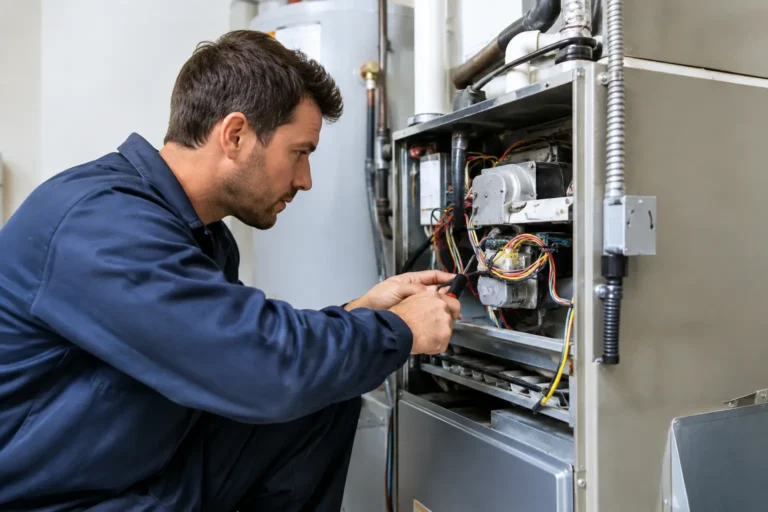
A proper furnace inspection is not just a quick look at the thermostat and a filter change. A qualified HVAC technician checks how the system starts, runs, vents, and shuts down. The goal is safe combustion, dependable heating, efficient operation, and early identification of worn parts before they leave you without heat.
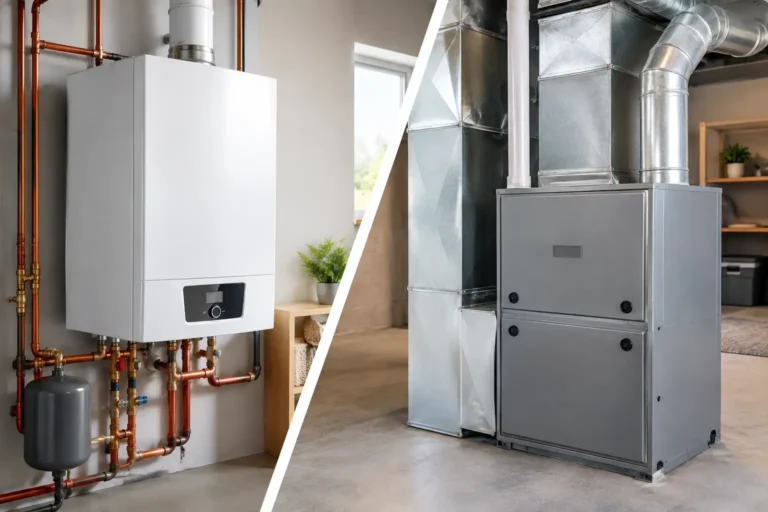
The exact scope depends on whether you have a gas furnace, electric furnace, high-efficiency condensing unit, rooftop commercial system, or equipment connected to zoning and ventilation controls. Age, maintenance history, and recent symptoms also matter. A well-maintained five-year-old furnace does not need the same discussion as a 20-year-old unit with repeated ignition failures.
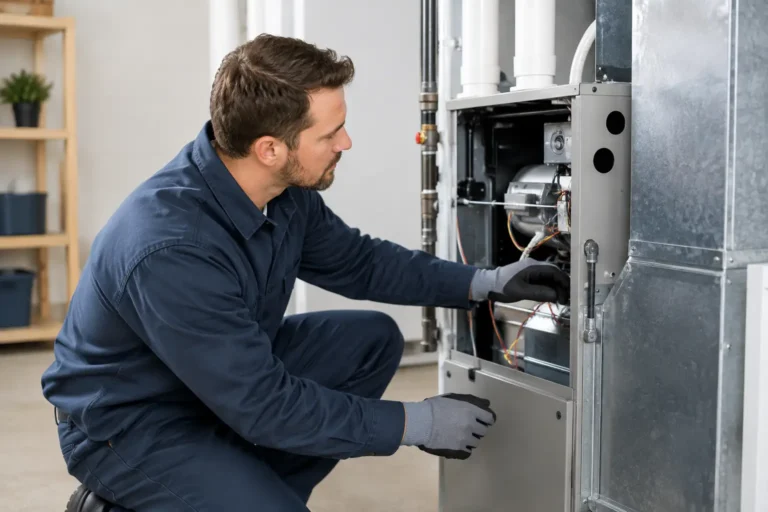
During a standard service visit, a technician commonly evaluates the air filter, blower operation, electrical connections, safety switches, ignition system, burners, heat exchanger condition, condensate drainage where applicable, flue venting, and thermostat response. They should also test the heating cycle and look for signs of carbon monoxide risk, improper combustion, water leaks, corrosion, or restricted airflow.
For apartment and commercial properties, inspection may also include common-area equipment, multiple thermostats, makeup air considerations, rooftop units, and scheduling that reduces disruption for tenants or staff. Keeping service records is especially useful when several units are involved.
Safe Checks You Can Do Before Calling
Homeowners can spot many warning signs without removing furnace panels or touching gas, electrical, or combustion components. Start with the thermostat. Confirm it is set to Heat, the temperature setting is above the current room temperature, and batteries are working if the thermostat uses them.
Next, inspect the furnace filter. A clogged filter can reduce airflow, make rooms heat unevenly, increase energy use, and cause the furnace to cycle off on a safety limit. Replace disposable filters with the correct size and airflow rating. If you are unsure which filter your furnace requires, bring the old filter dimensions and model information to your service appointment rather than forcing one that does not fit.
Check that supply vents and return-air grilles are open and not blocked by furniture, boxes, rugs, or drapes. Closing too many vents does not usually save energy. It can restrict airflow and place extra strain on the system.
You can also look around the furnace area for water on the floor, rust, loose vent connections, debris, or stored materials. Keep the area clear. Paint, gasoline, cleaning solvents, and other combustible products should never be stored beside heating equipment.
If the furnace uses a standard visible pilot or has a viewing window, do not attempt adjustments. A healthy gas flame is generally blue, but flame appearance alone is not a complete safety test. Yellow or wavering flames, soot, or scorch marks are reasons to shut off the system if you can do so safely and call a licensed professional.
Warning Signs That Need Prompt Furnace Service
Some furnace concerns are routine. Others should be treated as urgent. Call for service quickly if you notice repeated cycling, a furnace that starts but does not heat, cold air from the vents, loud banging or grinding, a strong burning odor that does not fade, or rooms that suddenly heat very unevenly.
A gas smell is a different situation. Leave the building if the odor is strong or you suspect a gas leak. Do not operate switches, appliances, or vehicles nearby, and do not use flames or lighters. Contact your gas utility or emergency services from a safe location, then arrange for qualified gas and HVAC service once the area has been cleared.
Carbon monoxide alarms deserve the same urgency. If an alarm sounds, get everyone outside immediately and call emergency services or the appropriate local authority. Carbon monoxide has no color or smell. Do not re-enter simply because the furnace appears to be off, and do not rely on opening windows as a substitute for professional assessment.
Other signs can wait for a scheduled visit, but should not be ignored: rising heating bills without a change in use, dust around registers, a blower that runs constantly, a thermostat that cannot hold the set temperature, or a furnace that needs frequent resets. Addressing these issues early is usually less disruptive than waiting for a complete failure during a cold spell.
A Homeowner Furnace Inspection Guide: What Not to Do
There is a clear line between basic upkeep and furnace repair. Changing a filter, checking a thermostat, and keeping vents clear are reasonable homeowner tasks. Removing burner assemblies, bypassing safety switches, adjusting gas valves, cleaning internal electrical components, or opening sealed combustion sections are not.
Modern furnaces contain controls designed to shut equipment down when they detect unsafe conditions. Resetting a tripped switch once under guidance may be appropriate, but repeated resets are a warning, not a solution. The same applies to a breaker that repeatedly trips. Continuing to restart the furnace can damage equipment or hide the cause of the shutdown.
Do not tape over damaged ductwork, use a space heater to compensate for a failed furnace without following heater safety instructions, or block exterior intake and exhaust pipes. High-efficiency furnaces often use PVC venting outdoors, and snow, leaves, ice, nests, or landscaping can obstruct these terminations. You can visually check that they are clear, but do not dismantle the vent system.
How Often Should a Furnace Be Inspected?
Most homes benefit from a professional furnace inspection once a year, ideally before the heating season. Annual service gives a technician a baseline for performance and helps catch smaller concerns such as a dirty flame sensor, worn igniter, weak capacitor, blocked condensate line, or developing blower issue.
Older furnaces, rentals, commercial equipment, and systems with a history of repairs may need closer attention. A property manager may also choose preseason inspections for all units to reduce no-heat calls and tenant disruption once temperatures drop.
The trade-off is straightforward: annual maintenance is an upfront cost, while skipped service can lead to emergency calls, shortened equipment life, higher utility use, and avoidable safety concerns. Maintenance cannot guarantee that a part will never fail, but it gives you a far better chance of finding problems on a planned schedule.
When Inspection Becomes a Replacement Conversation
A repairable furnace is usually worth repairing when the issue is isolated, the unit has years of expected service life left, and it is operating safely and efficiently after the repair. Replacement becomes more reasonable when the furnace has a cracked heat exchanger, repeated expensive failures, poor efficiency, obsolete parts, or an age that makes major repairs difficult to justify.
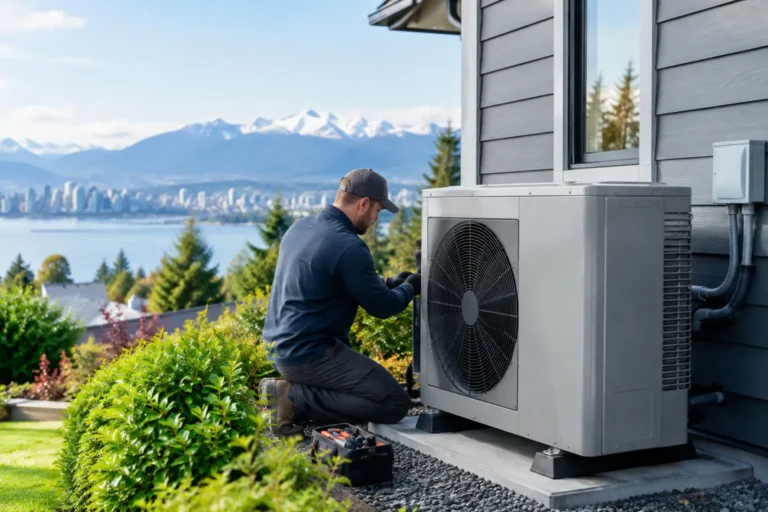
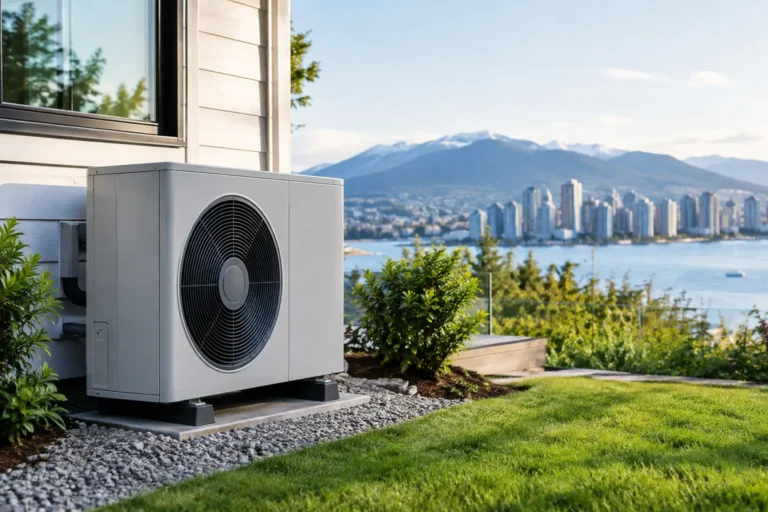
A qualified contractor should explain the condition of your current equipment, the repair options, the estimated cost, and why replacement may or may not make sense. Ask about system sizing, airflow, duct condition, thermostat compatibility, warranty coverage, and whether a heat pump could reduce heating costs while also providing cooling. The right answer depends on your home, electrical capacity, comfort needs, and budget.
FlameCo Heating Services provides licensed, bonded, and insured furnace inspection, repair, maintenance, and replacement support throughout Maple Ridge and Metro Vancouver, including urgent no-heat and gas-equipment concerns. Clear findings and upfront pricing help you decide what to do next without guessing.
A furnace should not have to fail completely before it gets attention. If something sounds, smells, or performs differently, schedule an inspection while you still have time to make a calm, informed decision.