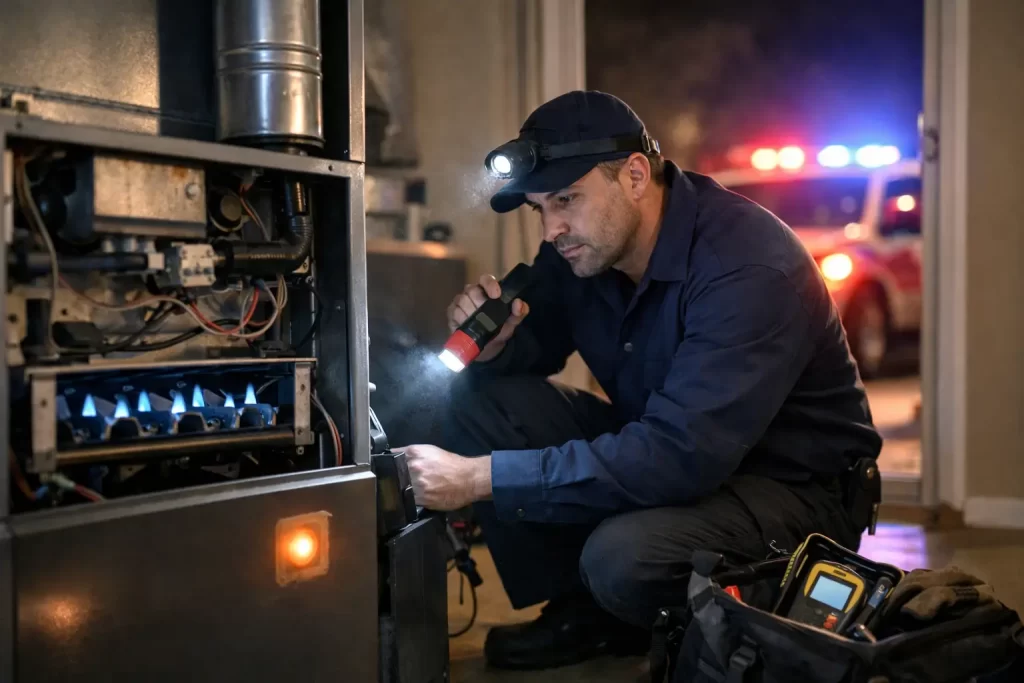
A furnace failure at 2 a.m. is more than an inconvenience. In a Lower Mainland cold snap, indoor temperatures can fall quickly, pipes may be at risk, and a gas or carbon monoxide concern requires immediate attention. When you need 24/7 emergency furnace repair, the first priority is protecting the people in the building, then getting a qualified technician involved to identify the actual cause.
Not every no-heat call means the furnace has failed beyond repair. A tripped breaker, a thermostat setting, a clogged filter, or a condensate drainage issue can stop a system. But a furnace that will not start, blows cold air, shuts off repeatedly, smells unusual, or triggers a carbon monoxide alarm should never be ignored.
When 24/7 Emergency Furnace Repair Is Needed
An emergency call makes sense when the building has no safe, reliable heat and waiting until regular business hours could create a safety issue, property damage, or serious disruption. This is especially true for homes with young children, seniors, tenants, or anyone who depends on stable indoor temperatures.
Call for urgent help if your furnace will not run and the home is becoming cold, if it is cycling on and off without heating, or if it is making loud banging, grinding, or screeching noises. Water around a high-efficiency furnace, frequent breaker trips, or an error code that returns after a reset also deserve professional diagnosis.
A property manager may need emergency service even when only one area is affected. A failed furnace in a rental suite, common area, daycare, retail space, or office can quickly become a tenant-comfort issue and, depending on conditions, a building-protection concern. Fast assessment helps limit downtime and gives decision-makers a clear repair or replacement plan.
Leave immediately for a gas or carbon monoxide concern
If you smell rotten eggs, hear gas hissing, feel dizzy or nauseated near gas equipment, or a carbon monoxide alarm sounds, do not try to troubleshoot the furnace. Leave the building with everyone inside, avoid switches, flames, and electrical devices, and call emergency services and your gas utility from a safe location. Do not re-enter until authorities say it is safe.
A furnace technician can address equipment-related repairs after the immediate hazard has been handled. Gas combustion equipment should only be inspected and repaired by qualified, licensed professionals. This is not a situation for a video tutorial, a temporary patch, or repeated attempts to restart the system.
If there is no gas smell or alarm
For a standard no-heat problem, there are a few safe checks you can make before calling. Confirm the thermostat is set to Heat and several degrees above the current room temperature. Check that the furnace switch is on, the breaker has not tripped, and the air filter is not severely clogged.
If the furnace has a visible error-code display, take a photo of it. Note when the problem started, whether the unit is blowing air, and whether the issue affects the entire property or one zone. Those details help the dispatched technician arrive prepared. Do not remove furnace panels, bypass safety switches, or repeatedly reset a unit that keeps locking out.
Keep the building safe while help is on the way
Close exterior doors, keep interior doors open where practical to circulate warmer air, and use blankets and warm clothing. If you use a portable electric heater, keep it on a stable surface, away from curtains, furniture, bedding, children, and pets. Plug it directly into a wall outlet, not an extension cord or power bar.
Never use an oven, barbecue, camp stove, or unvented fuel-burning appliance to heat indoor spaces. These methods create serious fire and carbon monoxide risks. If the indoor temperature is falling toward freezing, protect exposed plumbing where possible and communicate promptly with your service provider about the conditions at the property.
What an Emergency Furnace Technician Should Check
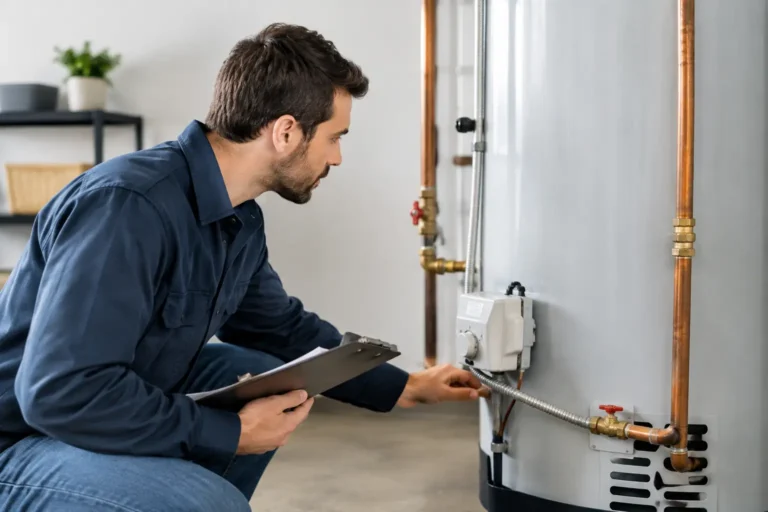
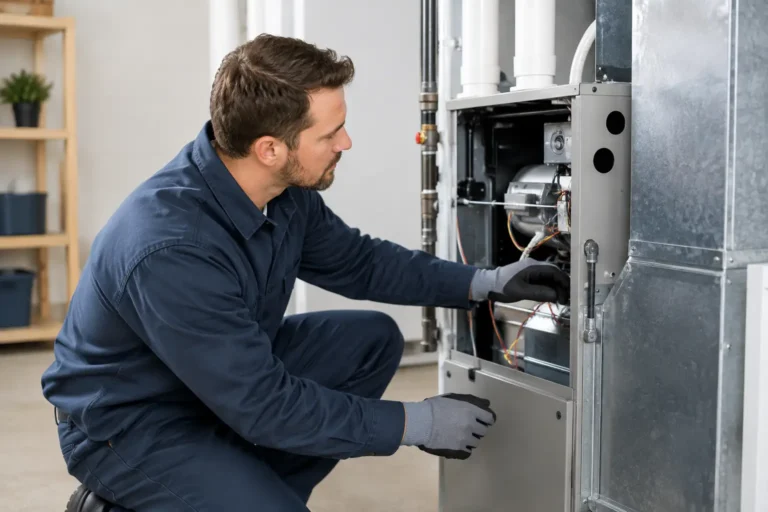
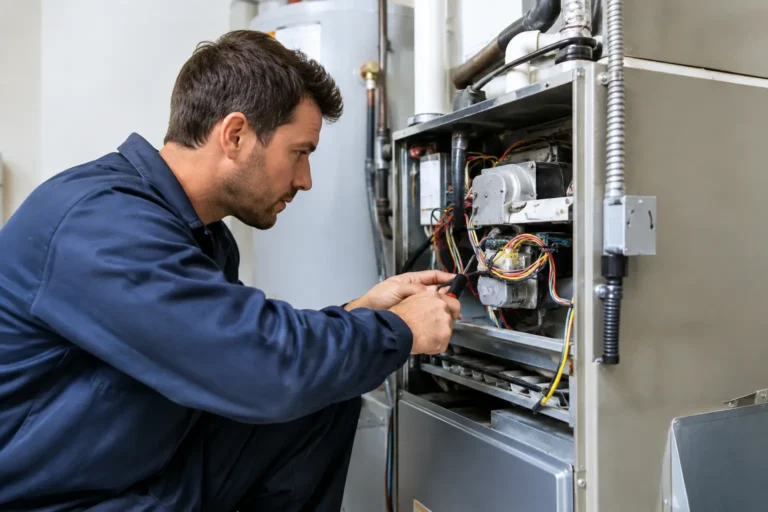
A proper emergency repair starts with diagnosis, not guesswork. The technician should inspect the furnace’s electrical supply, thermostat communication, safety controls, ignition sequence, airflow, venting, and fuel delivery as needed. High-efficiency furnaces may also need condensate drains and pressure switches checked, particularly during wet or freezing weather.
Many breakdowns trace back to restricted airflow from a dirty filter, a failed igniter, a faulty flame sensor, a pressure-switch issue, a blower motor problem, or a control-board fault. The right repair depends on the furnace type, age, condition, and availability of parts. A repair that gets heat back tonight may still require a follow-up visit if a specific part must be ordered.
Transparent communication matters during an urgent call. You should understand what failed, what needs to be repaired now, what the expected cost is before work begins, and whether there are reasonable options. FlameCo Heating Services provides licensed, bonded, and insured service, including gas-fitting work, with clear no-hidden-fee pricing and License LGA202344.
Repair or Replace: The Decision After the Emergency
Restoring heat is the immediate goal, but an emergency visit can reveal that a furnace is approaching the end of its useful life. That does not automatically mean replacement is the right choice. A well-maintained unit with a straightforward igniter, sensor, or motor repair may be worth fixing, even if it is older.
Replacement becomes more reasonable when the furnace has repeated failures, major heat-exchanger concerns, expensive control or blower problems, or poor efficiency that drives up utility costs. It may also be the better path if parts are obsolete or the system is undersized for the building.
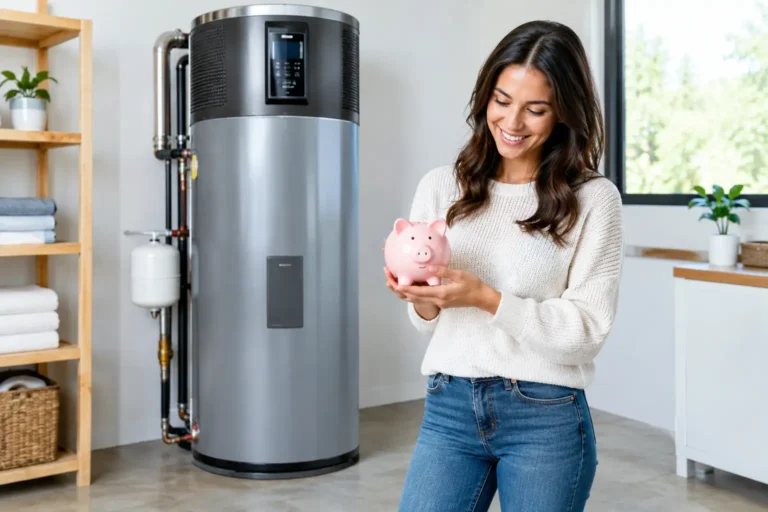
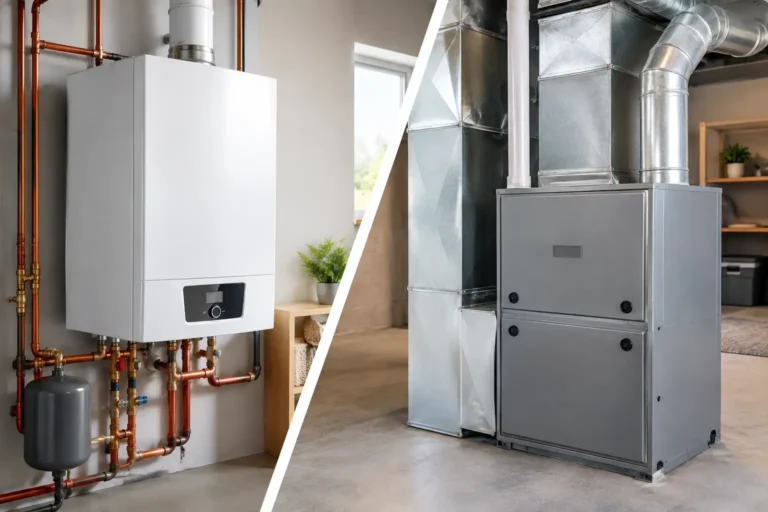
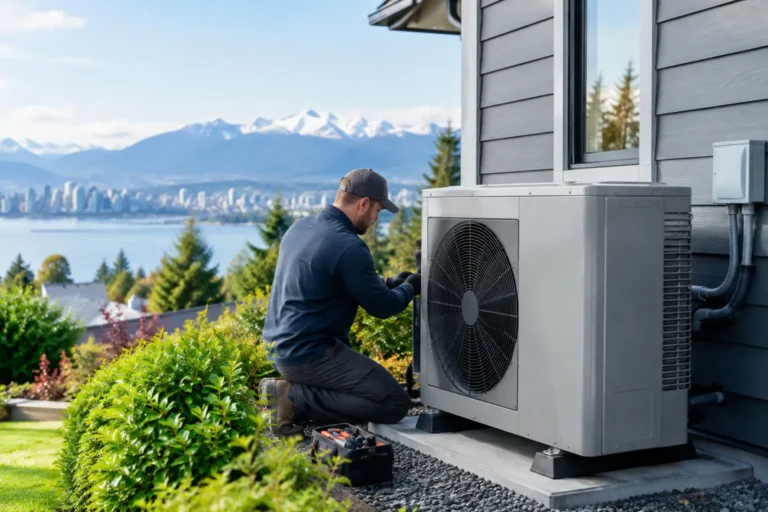
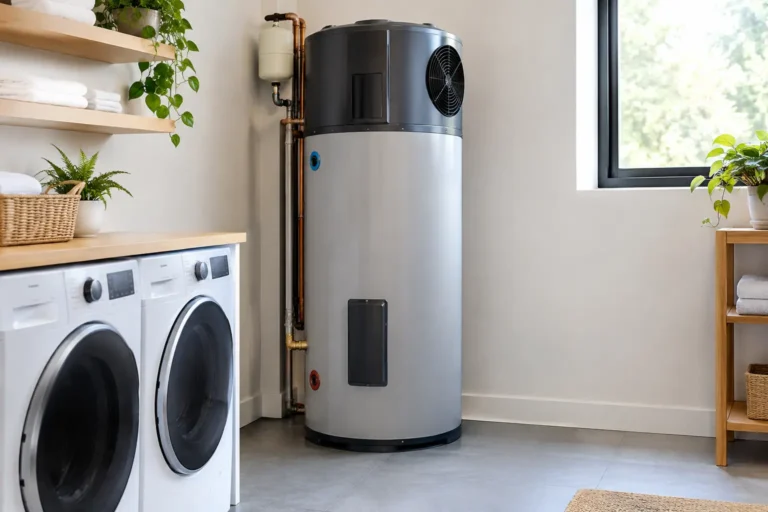
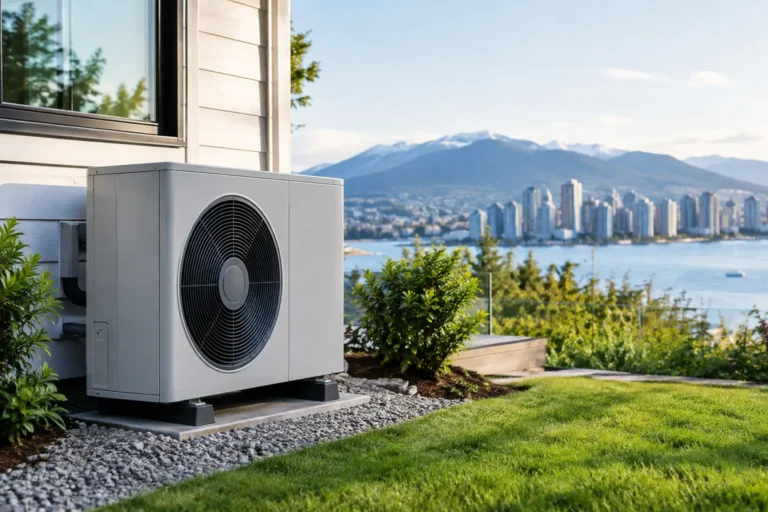
A qualified contractor should explain the trade-off in plain language. Ask for the repair cost, the remaining risks, the condition of related equipment, and a separate replacement quote if appropriate. For homes considering a broader efficiency upgrade, a heat pump can provide both heating and cooling, while certain heat pump water tank upgrades may qualify for available government incentives. Incentives, eligibility rules, and available financing can change, so confirm the current options before making a final equipment decision.
Emergency Furnace Service for Rentals and Commercial Buildings
For landlords and property managers, a furnace breakdown requires both technical action and clear communication. Tenants need to know that service has been arranged, what safe temporary steps to follow, and when access may be needed. Documenting the reported symptoms, indoor temperature, and technician findings helps support a timely repair decision.
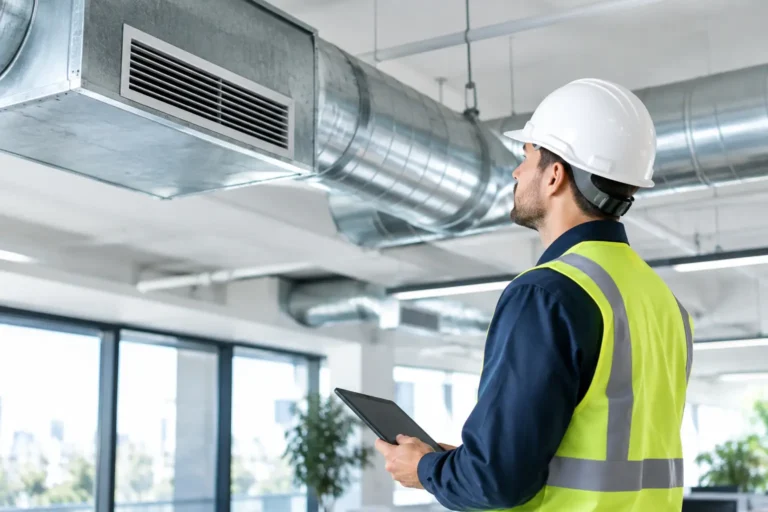
Commercial properties have their own pressures. A furnace outage can affect employees, customers, inventory, or business operations. Multi-unit buildings may also have interconnected heating, ventilation, boiler, hot-water, or gas systems. Working with one accountable contractor that can assess the full system helps avoid treating a symptom while missing the cause.
Reduce the Odds of Another No-Heat Night
Emergency repairs cannot always be avoided, but regular maintenance catches many common problems before winter demand peaks. A professional furnace service visit can identify weak ignition components, dirty burners, drainage issues, airflow restrictions, venting concerns, and controls that are starting to fail.
Between service visits, replace filters on schedule, keep supply and return vents clear, test carbon monoxide alarms, and pay attention to changes in furnace noise or run time. If the unit begins short-cycling or takes longer to heat the home, schedule service before it becomes a middle-of-the-night failure.
When the heat goes out, stay focused on safety, avoid risky DIY repairs, and share clear details with the technician. A prompt, qualified assessment can restore comfort now while giving you a practical plan for the system that keeps your property warm through the next cold spell.