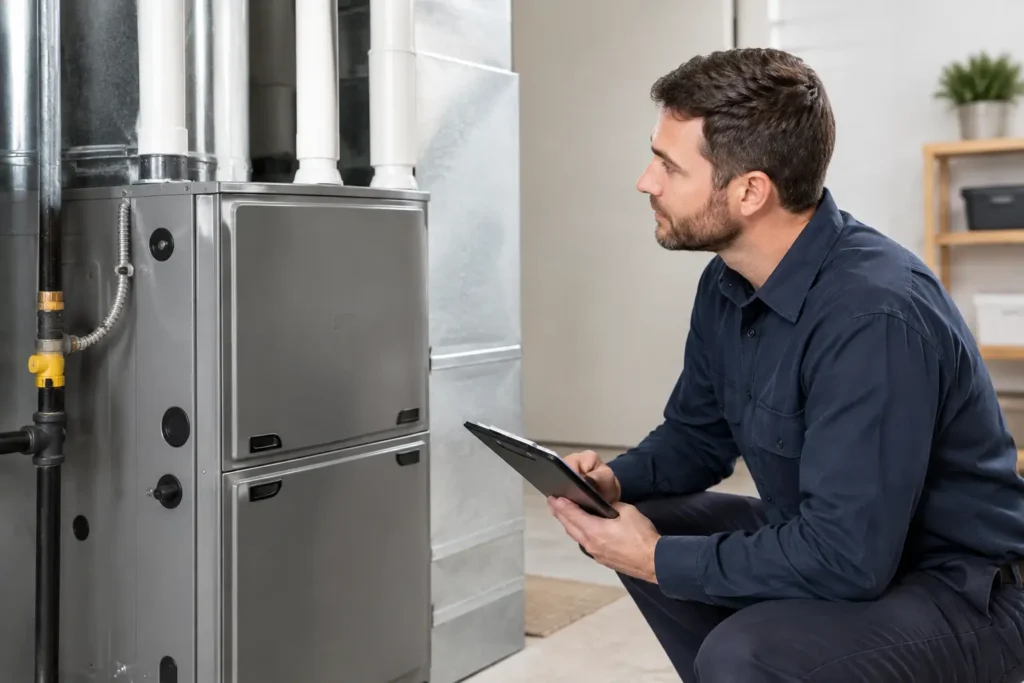
A furnace can look excellent on a product page and still be the wrong replacement for your home. That is why high efficiency furnace reviews should be read as a starting point, not a final decision. A system that earns strong ratings for efficiency or quiet operation may still underperform if it is oversized, poorly installed, or mismatched to your ductwork.
For homeowners and property managers, the better question is not simply, “Which furnace is best?” It is, “Which furnace will deliver safe, even, dependable heat in this building at a price that makes sense over time?” The answer depends on the equipment, the installation plan, and the contractor standing behind both.
How to Read High Efficiency Furnace Reviews
Most reviews focus on what owners notice first: lower utility bills, steadier indoor temperatures, operating noise, and whether repairs have been needed. Those points matter, but they do not tell the whole story.
Look for details about the type of home, the climate, how long the furnace has been in service, and whether the reviewer replaced old ductwork or added a smart thermostat. A review from the first few weeks of ownership may describe quiet performance, but it cannot say much about long-term reliability. A five-year review is more useful for warranty service, maintenance needs, and repair history.
It also helps to separate a review of the furnace from a review of the installation. Complaints about short cycling, loud airflow, uneven rooms, or repeated shutdowns are sometimes blamed on the brand when the real problem is sizing, venting, drainage, gas pressure, or duct design. High-efficiency equipment is less forgiving of installation errors than an older standard-efficiency unit.
Efficiency Ratings: AFUE Is Important, Not Everything
Annual Fuel Utilization Efficiency, or AFUE, measures how much of the fuel a furnace converts into usable heat over a typical year. A 96% AFUE furnace turns roughly 96 cents of every heating dollar into heat, while the remaining amount is lost through operation and venting.
For many replacement projects, a furnace rated at 95% AFUE or higher is considered high efficiency. These models use sealed combustion and vent exhaust gases through plastic piping rather than a traditional metal chimney. That design can reduce fuel waste, but it requires correct condensate drainage and properly routed intake and exhaust piping.
A higher AFUE rating can lower gas use, especially when replacing an aging 70% or 80% furnace. Still, the most efficient model is not automatically the best value. The expected savings depend on your current furnace, household thermostat habits, insulation, air leakage, gas rates, and how much heat your building actually needs.
If your existing furnace is near the end of its life, compare the installed price and expected operating cost rather than focusing only on the AFUE number. A well-selected 96% unit can be a smart investment. Paying substantially more for a small efficiency increase may not make sense if the added cost will take many years to recover.
Single-Stage, Two-Stage, and Modulating Performance
The burner design affects comfort as much as efficiency. A single-stage furnace runs at full output whenever it operates. It is often the most budget-friendly choice and can work well in smaller or less demanding spaces.
A two-stage furnace can run at a lower setting during milder weather and use full capacity when temperatures drop. This generally means longer, quieter heating cycles and fewer temperature swings. For many Lower Mainland homes, two-stage equipment provides a practical balance of comfort, efficiency, and price.
A modulating furnace makes smaller adjustments to match the home’s heating demand more closely. When installed with a compatible thermostat and properly designed ductwork, it can deliver very consistent temperatures and quiet operation. It also costs more upfront and has more sophisticated controls, so it is best suited to homeowners who value comfort and intend to stay in the property long enough to benefit from the investment.
What Reviews Often Miss: Installation Quality
A furnace replacement is not a box swap. The furnace must be sized through a heat-load calculation, not selected based only on the size of the old unit. An oversized furnace can heat the space quickly, then shut off too soon. That short cycling can create uneven comfort, add wear to components, and reduce the benefit of higher-efficiency features.
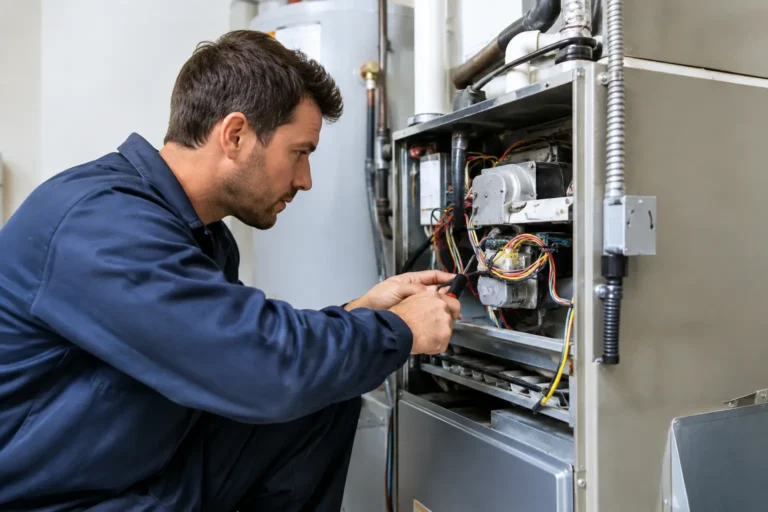
A qualified installer should also assess the gas line, electrical supply, venting route, condensate drain, filter cabinet, return-air capacity, supply ducts, and thermostat compatibility. In homes with restricted airflow, installing a more powerful furnace without correcting the duct issue can make noise and comfort problems worse.
This matters in rental and commercial properties as well. A replacement that minimizes downtime but overlooks shared venting, makeup air, zoning, or tenant scheduling can create avoidable disruption later. Clear planning before installation is usually less expensive than correcting rushed work after the system is running.
Reliability, Warranties, and the Cost of Ownership
Brand reputation is useful, but no manufacturer is completely free of repairs. When comparing furnace reviews, look for patterns instead of reacting to one very positive or very negative story. Repeated comments about ignition issues, blower motors, control boards, or difficult warranty claims deserve attention. So do consistent reports of dependable operation after regular maintenance.
Read warranty terms carefully. Many furnaces offer a longer heat-exchanger warranty and a shorter parts warranty. Registration requirements, labor coverage, exclusions, and transfer rules can vary. A parts warranty does not necessarily cover the technician’s time to diagnose and install the part, which is why labor coverage and contractor support matter.
High-efficiency furnaces also need regular service. Filters should be checked consistently, condensate drains must remain clear, and combustion components should be inspected by a qualified technician. Skipping maintenance to save a small amount now can lead to no-heat calls when the system is working hardest.
Noise and Comfort Are Worth Comparing
Owners often choose high-efficiency furnaces for quieter operation, but “quiet” is relative. Variable-speed blower motors can reduce abrupt starts and stops, while insulated cabinets can limit mechanical sound. Yet airflow noise may come from undersized ducts, restrictive filters, or closed registers rather than the furnace itself.
Ask for a clear explanation of what will change inside the home. Will the new furnace use a variable-speed blower? Can the existing ductwork support it? Is there a return-air problem that should be corrected during replacement? These questions move the conversation beyond marketing claims and toward the comfort you will actually feel room to room.
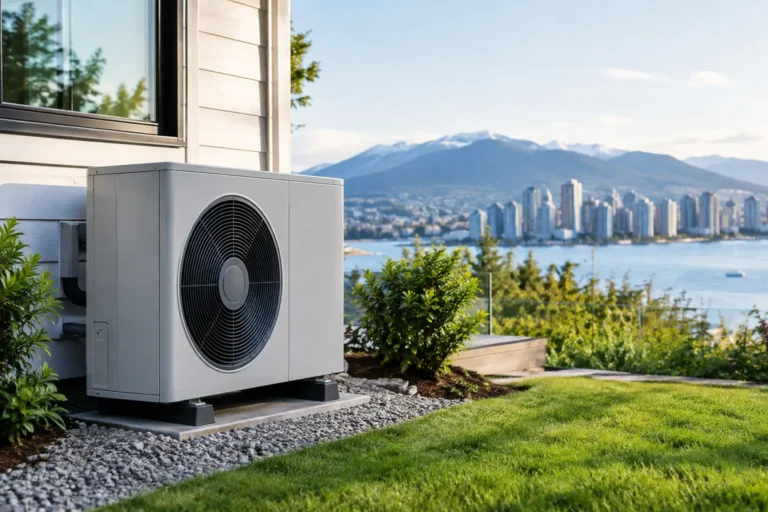
For homes considering a future heat pump, the blower and controls are especially relevant. A compatible furnace can serve as part of a dual-fuel setup, allowing the heat pump to handle much of the heating season while the furnace provides dependable backup during colder conditions. Available heat-pump incentives can affect the timing and value of that plan, but eligibility should always be confirmed before equipment is ordered.
Questions to Ask Before You Accept a Quote
A good replacement quote should identify the furnace model, efficiency rating, warranty information, scope of installation work, and total price. It should also explain whether permits, electrical changes, venting, drain work, thermostat upgrades, and disposal of old equipment are included.
Ask the contractor how the furnace capacity was determined and whether ductwork will be inspected. Ask who handles warranty support if a problem occurs, and whether service is available after normal business hours. For a home without heat, response time and accountability can matter as much as the initial equipment price.
FlameCo Heating Services approaches furnace replacement as a complete comfort and safety job, with licensed, bonded, and insured work under license LGA202344. That means looking beyond the cabinet to the gas connections, venting, airflow, controls, and the condition of the system serving the home or property.
The Right Review Is the One That Matches Your Home
The most useful furnace review is not necessarily the one with the highest rating. It is the one from an owner with similar heating needs, a similar type of building, and enough time with the system to comment on real operating costs and reliability. Use reviews to narrow your options, then rely on a proper in-home assessment to make the final choice.
A high-efficiency furnace should provide more than an impressive label. It should give your household or tenants dependable heat, manageable operating costs, and confidence that qualified help is available if the system needs attention.