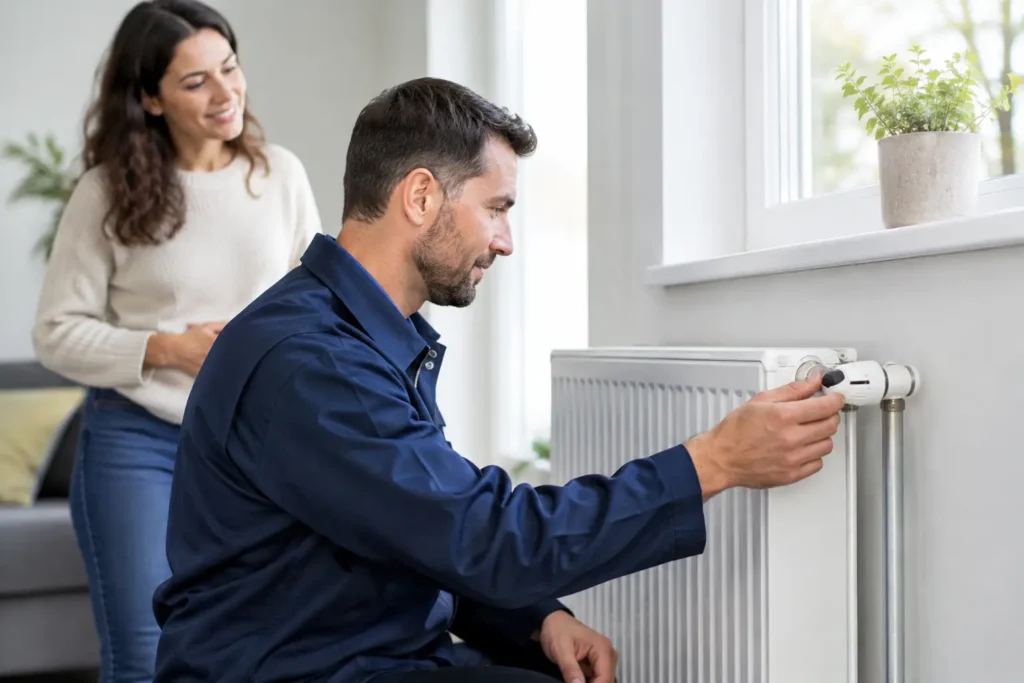
A no-heat call from a tenant is not a routine maintenance request. In cold weather, it can quickly become a safety issue, a damaged-pipe risk, and a serious interruption to someone’s home life. Landlord heating responsibilities generally center on providing a safe, working heating system, responding promptly when it fails, and keeping the equipment in suitable condition before an emergency occurs.
For property owners and managers, the practical goal is straightforward: tenants need dependable heat, and you need a documented plan for restoring it when something goes wrong. The details can vary by lease, local bylaw, and rental law, so this article is general guidance rather than legal advice. When there is a dispute or an unusual situation, confirm the rules that apply to your property and municipality.
What landlord heating responsibilities usually include
A landlord is typically responsible for supplying and maintaining the primary heating equipment in a rental unit. That may be a furnace, boiler, heat pump, baseboard system, or another permanently installed source of heat. The system should be capable of safely heating the home under normal seasonal conditions.
This responsibility does not begin only after a tenant complains. A furnace that is technically running but producing weak heat, cycling off repeatedly, or emitting unusual odors may need attention before it becomes a complete breakdown. Preventive service is often less disruptive and less costly than an after-hours emergency repair.
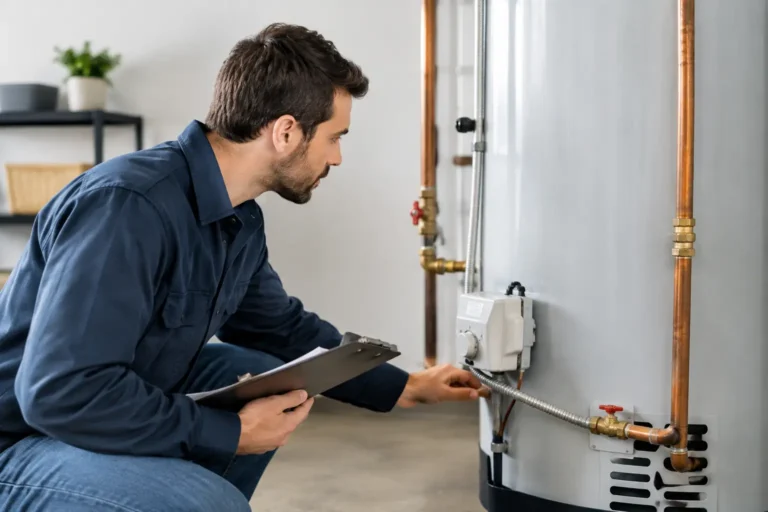
Landlords should also make sure heating equipment is installed and serviced safely. Combustion appliances, venting, gas lines, electrical connections, and carbon monoxide protection all matter. A heat problem can sometimes point to a larger safety concern, particularly with gas furnaces, boilers, fireplaces, and water heaters.
In practical terms, owners should be prepared to:
- Keep the building’s primary heating system operational and safe.
- Arrange repairs within a reasonable timeframe, with greater urgency during cold weather.
- Address hazards such as suspected gas leaks, carbon monoxide alarms, burning smells, or damaged venting immediately.
- Maintain records of inspections, service calls, repairs, tenant reports, and communications.
- Give proper notice before non-emergency access, while recognizing that urgent repairs may require faster action.
The lease can clarify expectations, but it generally cannot remove an owner’s obligation to provide a habitable home or avoid required repairs.
Heat failures need a fast, measured response
Not every heating call has the same urgency. A tenant reporting that one bedroom feels cooler than the rest may allow time for scheduled diagnostics. A furnace that has stopped on a freezing night, a boiler leaking water, or a carbon monoxide alarm sounding requires immediate action.
Start by getting clear information. Ask whether the system has stopped entirely, whether there is airflow, whether the thermostat has power, and whether there are warning lights or error codes. Ask about odors, smoke, water leaks, unusual noises, or carbon monoxide alarms. These details help a qualified technician arrive prepared, but they should never be used to delay a necessary service call.
If a tenant smells gas or a carbon monoxide alarm activates, the priority is safety, not troubleshooting over the phone. They should leave the affected area and follow local emergency instructions. Do not ask a tenant to reset equipment, open panels, relight a pilot, or work around gas appliances.
For a straightforward no-heat issue, provide a realistic update: when the technician is expected, what temporary measures are appropriate, and how the tenant can reach you if conditions change. Clear communication reduces frustration and creates a useful written record.
Temporary heat is a short-term measure, not a repair plan
Portable electric heaters may help bridge a short outage, but they are not a substitute for repairing the building’s heating system. They also introduce fire and electrical risks if used carelessly. If temporary heaters are provided, make sure they are appropriate for the space, used with clear safety instructions, and kept away from bedding, curtains, furniture, and high-traffic areas.
Avoid relying on ovens, gas ranges, barbecue equipment, or unvented fuel-burning devices for heat. These can create carbon monoxide, fire, and indoor-air-quality hazards. The correct response to a heating failure is qualified diagnosis and repair.
Who pays when a heating system breaks?
In most cases, the landlord pays for repairs to the primary heating system because it is part of the property and required for normal occupancy. A worn igniter, failed blower motor, damaged thermostat, boiler circulation issue, frozen condensate line, or aging heat pump component is generally an ownership maintenance expense.
There can be exceptions when tenant actions directly caused the damage. Examples may include deliberately disabling equipment, blocking required vents, damaging a thermostat, or failing to report an obvious leak until it causes more extensive harm. Even then, the immediate concern is restoring safe heat. Questions about responsibility and cost recovery can be addressed after the system is stabilized and documented.
This is why service records matter. Keep invoices, technician findings, photos where appropriate, maintenance dates, and copies of tenant messages. Good documentation supports fair decision-making and helps identify repeat issues, such as a unit that consistently loses heat because of inadequate airflow or an aging furnace near the end of its service life.
Preventive maintenance protects the property and tenants
The most effective approach to heating responsibility is not waiting for an emergency. Schedule professional maintenance before the heating season, especially for equipment serving multiple units or older systems with a history of repairs.
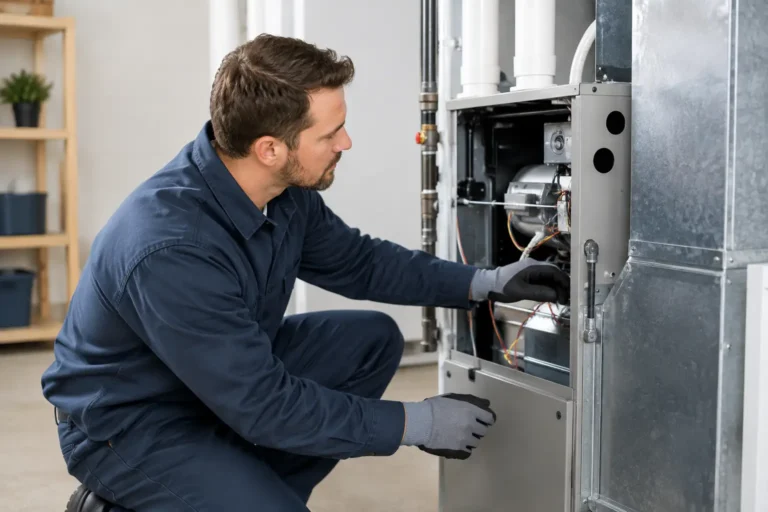
A proper service visit may identify dirty filters, worn belts, weak ignition components, blocked drains, failing motors, venting issues, thermostat problems, or unsafe combustion readings. The scope depends on the equipment, but the purpose is the same: catch conditions that can lead to a no-heat call, water damage, or safety risk.
For landlords with several properties, create a simple equipment register. Record the make, model, approximate age, fuel type, filter size, prior repairs, warranty information, and service history for each system. This makes replacement planning more accurate and prevents wasted time when an urgent repair is needed.
Tenant cooperation matters too. Residents can usually help by changing tenant-accessible filters when the lease assigns that task, keeping supply and return vents clear, reporting unusual noises promptly, and maintaining reasonable access around mechanical equipment. Landlords should give clear instructions rather than assuming tenants know what the system needs.
When repair stops making financial sense
A repair is often the right answer when a system is relatively new, the issue is isolated, and parts are readily available. Replacement becomes worth considering when repairs are frequent, the equipment is nearing the end of its expected life, energy bills are unusually high, or a technician finds safety or reliability concerns that cannot be reasonably resolved.
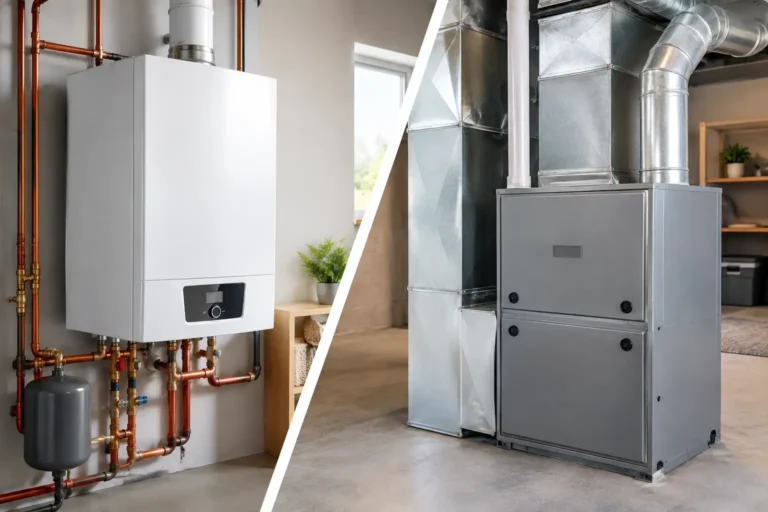
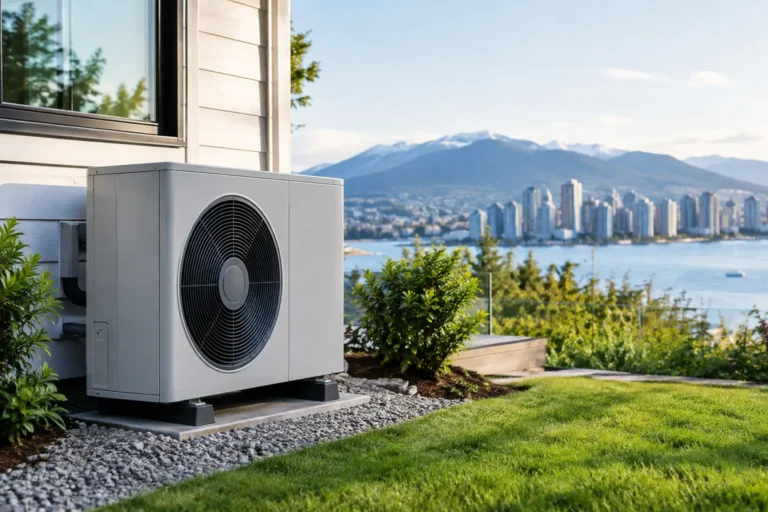
For a rental property, the lowest immediate repair bill is not always the lowest operating cost. An older furnace or boiler may continue to run but demand repeated calls, create tenant disruption, and consume more energy than a modern replacement. A properly sized high-efficiency furnace, heat pump, or boiler can improve comfort and reduce operating costs, although the best option depends on the building’s electrical capacity, insulation, existing distribution system, and budget.
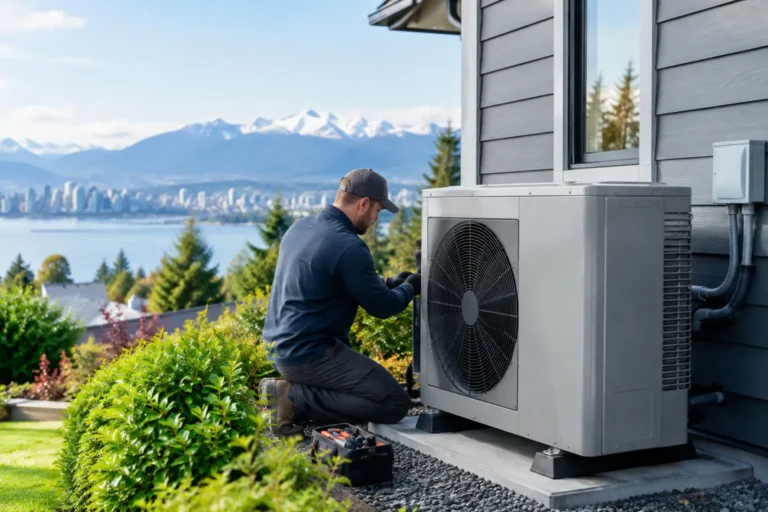
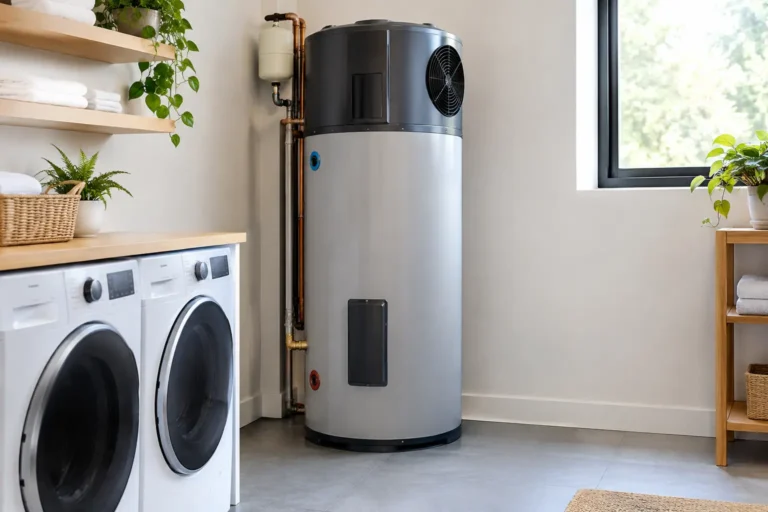
Heat pump upgrades can be particularly attractive where available incentives help offset installation costs. Heat pump water heater incentives may also be relevant for properties replacing aging domestic hot-water equipment. Incentive programs change, and eligibility can depend on the property type, equipment selected, and installation details, so verify the current requirements before committing to a purchase.
Choose qualified service for heating and gas work
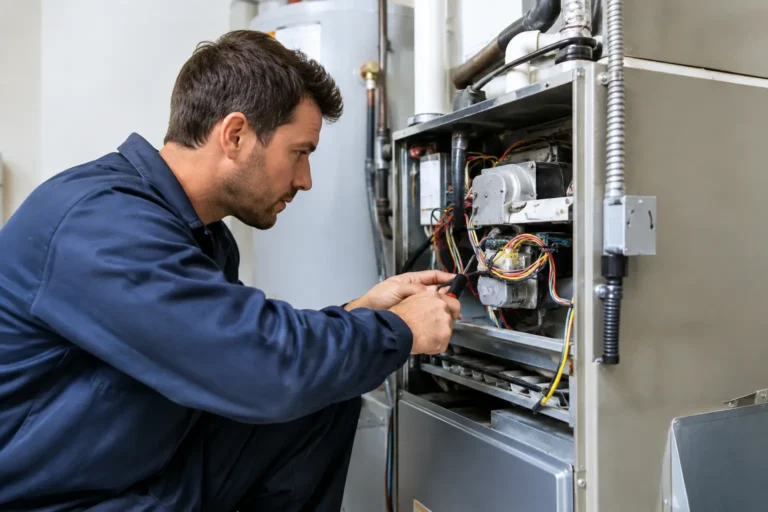
Heating equipment crosses several safety systems: electricity, gas, combustion, venting, drainage, and controls. A quick fix that ignores one of those systems can create bigger problems later. Use qualified, licensed, bonded, and insured professionals for repairs, replacements, and gas-related work.
For property managers, it also helps to work with a contractor that can handle more than one equipment category. A tenant may report no heat, but the root cause could involve a furnace, boiler, heat pump, thermostat, gas supply, venting issue, or hot-water system. FlameCo Heating Services provides heating, cooling, hot-water, and gas equipment service across Metro Vancouver and the Lower Mainland, including urgent calls when a comfort or safety system cannot wait.
A dependable heating plan protects more than the building. It protects tenant trust, limits emergency costs, and gives you a clear path forward when equipment fails at the worst possible time. Treat every heating concern early, document the response, and keep qualified help ready before the temperature drops.