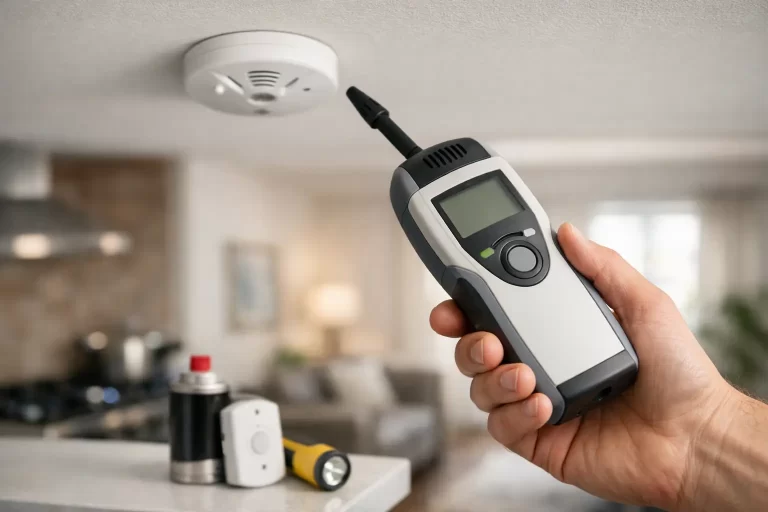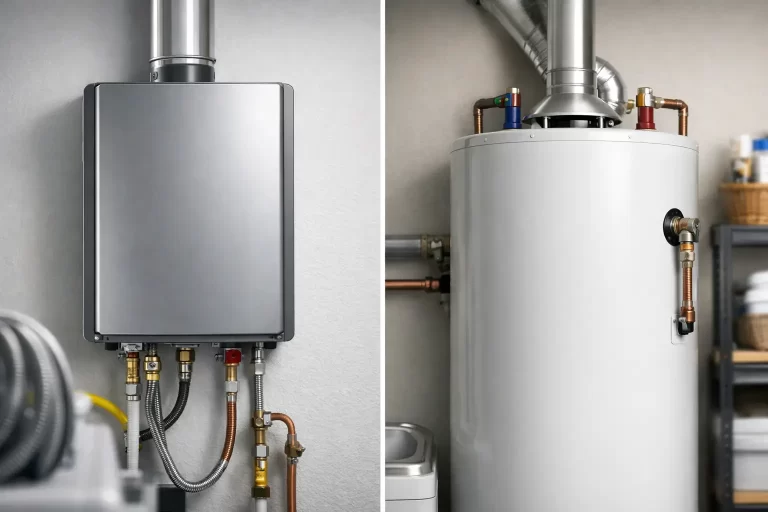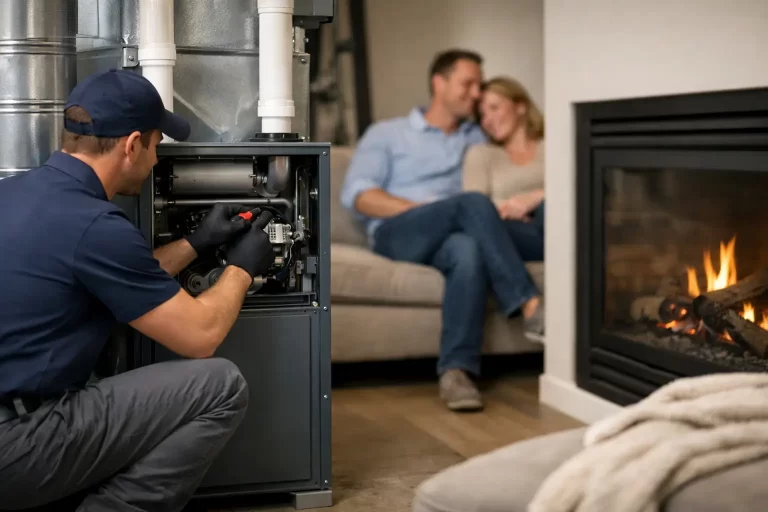
A carbon monoxide detector can look perfectly normal on the wall and still be past the point where it can protect you. Knowing when to replace a carbon monoxide detector is not just another home-maintenance task, especially in homes or buildings with furnaces, fireplaces, boilers, water heaters, gas ranges, or attached garages. Carbon monoxide has no smell, color, or taste. Your detector is often the only warning you will get.
For homeowners, landlords, and property managers, the practical rule is simple: replace the detector by its labeled expiration date, replace it immediately after an alarm event if the manufacturer requires it, and never rely on a test button alone to prove the sensing element still works.
When to Replace a Carbon Monoxide Detector
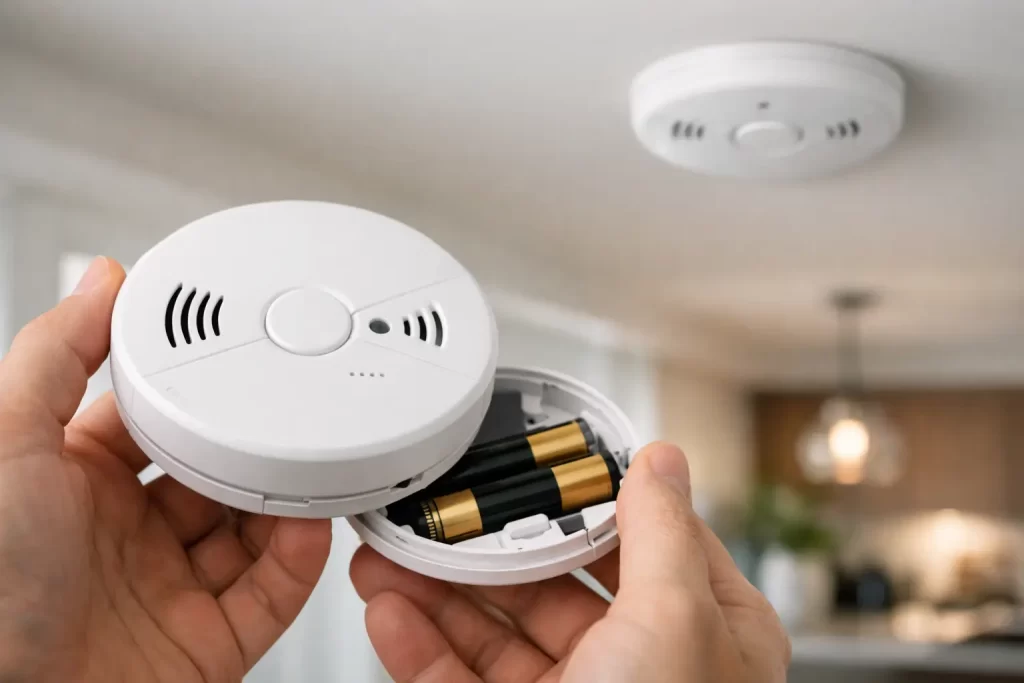
Most carbon monoxide detectors need replacement every 5 to 10 years, depending on the model. The correct deadline is printed on the back or side of the unit, in the manual, or sometimes inside the battery compartment. Look for a manufacturing date, an expiration date, or wording such as “replace by.”
The variation matters. Older or lower-cost detectors may have a five-year sensor life, while many newer models are designed for seven or 10 years. A detector that is hardwired to your electrical system does not last forever simply because it has household power. Its internal carbon monoxide sensor still ages and must be replaced on schedule.
If you cannot find a date, cannot identify the model, or the detector came with a property when you moved in, replacement is the safe call. The cost of a new certified detector is minor compared with the risk of relying on an unknown unit.
Replace it right away if it signals end of life
Many newer detectors chirp or display an error code when they reach the end of their service life. This is different from the intermittent low-battery chirp. Check the manufacturer instructions if you still have them, but do not silence an end-of-life warning and leave the device in service.
A low battery generally calls for a new battery, unless the unit uses a sealed 10-year battery. An end-of-life signal means the complete detector needs replacement. The sensor has reached its designed limit, even if the alarm still responds when you press the test button.
Replace damaged, contaminated, or unreliable units
Replace a detector that has been painted over, exposed to water, heavily coated in dust, dropped, or damaged during renovation work. Heat, moisture, chemical vapors, and debris can affect performance. This is particularly relevant near mechanical rooms, garages, laundry areas, or active construction zones.
A unit that gives repeated nuisance warnings also deserves attention. Do not assume it is defective, but do not dismiss it either. Carbon monoxide alarms can be triggered by real combustion or exhaust issues, including a venting problem, a malfunctioning furnace, fireplace drafting concerns, an idling vehicle near the building, or a blocked flue. Treat every alarm as real until the cause is confirmed.
The Test Button Does Not Test for Carbon Monoxide
This is one of the most common misunderstandings. Pressing the test button usually checks the battery, horn, and basic electronics. It does not necessarily confirm that the carbon monoxide sensing cell can accurately detect gas.
Test each detector according to its instructions, usually once a month. That regular habit confirms the audible alarm can be heard and helps you catch battery or wiring issues early. But testing does not extend the unit’s lifespan or override its replacement date.
Avoid trying to test a detector with vehicle exhaust, a gas appliance flame, or other improvised methods. That can create a genuine exposure hazard and may damage the device. If you have a concern about a fuel-burning appliance, have the equipment inspected by a qualified heating and gas professional instead.
Where Carbon Monoxide Detectors Should Be Installed
A new detector only helps if it is placed where occupants can hear it. Follow the detector manufacturer instructions and the local code that applies to your property. As a practical baseline, homes should have carbon monoxide alarms outside sleeping areas and on each level of the home, including the basement where applicable.
Properties with fuel-burning appliances or an attached garage need particular care. Carbon monoxide can enter living spaces from a furnace, boiler, fireplace, water heater, gas range, or vehicle exhaust. In multi-unit residential buildings, alarm requirements and placement can be more complex, so property managers should review the building’s applicable code and life-safety responsibilities rather than treating every suite the same.
Do not place an alarm directly beside a furnace, fireplace, range, bathroom, or cooking appliance unless the instructions specifically permit it. Excess humidity, steam, heat, and normal combustion byproducts can cause problems. A detector should also be close enough to sleeping areas that its alarm will wake occupants.
What to Do When a Carbon Monoxide Alarm Sounds
Do not spend time trying to determine whether the alarm is “real.” Get everyone outside into fresh air immediately, including pets, and call emergency services from a safe location. If anyone has symptoms such as headache, dizziness, nausea, confusion, weakness, chest pain, or fainting, seek medical attention right away.
Do not re-enter the property until emergency responders say it is safe. Do not open up the appliance, relight a pilot, reset a furnace, or run fans to clear the air before the source is assessed. Those actions can delay proper investigation or expose someone to more gas.
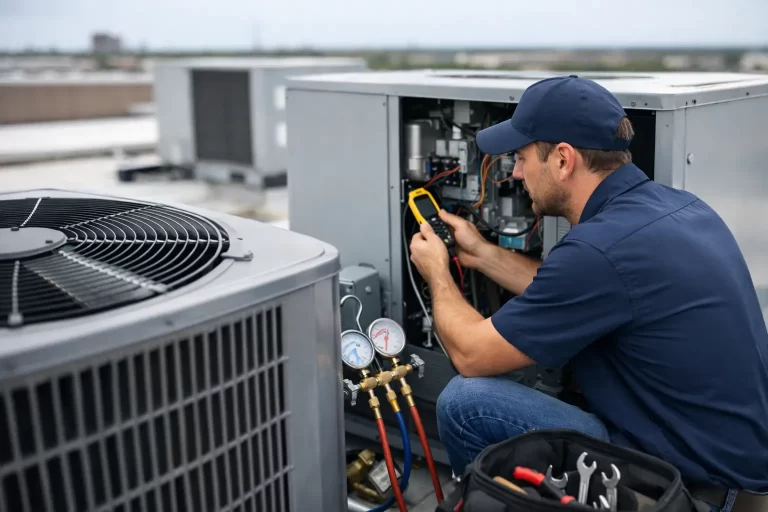
Once the immediate emergency is cleared, the source still needs to be found. A licensed HVAC and gas professional can inspect combustion equipment, venting, flues, gas connections, and appliance operation. The problem might be a damaged vent, incomplete combustion, an improperly drafted fireplace, a failed heat exchanger, or another equipment issue that should not be guessed at.
Carbon Monoxide Detector Replacement During Furnace or Boiler Work
Replacing aging detectors is smart whenever you replace or service a furnace, boiler, fireplace, water heater, or other fuel-burning equipment. It is an easy moment to verify detector locations, expiration dates, and battery condition while the mechanical system is being reviewed.
That does not mean a new high-efficiency furnace or boiler eliminates the need for carbon monoxide protection. Properly installed modern equipment is designed to operate safely, but all combustion systems need correct venting, routine maintenance, and working alarms. The detector is a final layer of protection, not a substitute for qualified installation or service.
For landlords and commercial property managers, recording replacement dates is especially useful. Keep a simple log of each detector’s location, model, installation date, battery type, and replacement deadline. This reduces missed replacements between tenants, maintenance staff changes, and annual safety inspections.
Choosing the Right Replacement Detector
Choose a carbon monoxide detector that is certified for its intended use and appropriate for the installation location. Battery-powered models can be useful where electrical wiring is not available. Hardwired interconnected alarms can provide stronger whole-home notification because one alarm can trigger the others. Sealed-battery models reduce the chance that someone removes a battery and forgets to replace it.
Combination smoke and carbon monoxide alarms can be practical, but they still have separate sensor life expectations. Check the label carefully. If either sensing component has reached its expiration date, the entire combination unit may need replacement.
For larger homes, multi-unit properties, and commercial spaces, a one-size-fits-all approach can leave gaps. Occupancy type, sleeping areas, equipment rooms, attached garages, and local requirements all affect the right layout. If you are already arranging service for a furnace, boiler, fireplace, gas appliance, or hot-water system, FlameCo Heating Services can help identify combustion and venting concerns and provide licensed support for the equipment itself.
A carbon monoxide detector should never become background noise. Check its date today, replace it before it expires, and act immediately if it alarms. That small, scheduled decision can protect everyone who sleeps, works, or lives in the building.