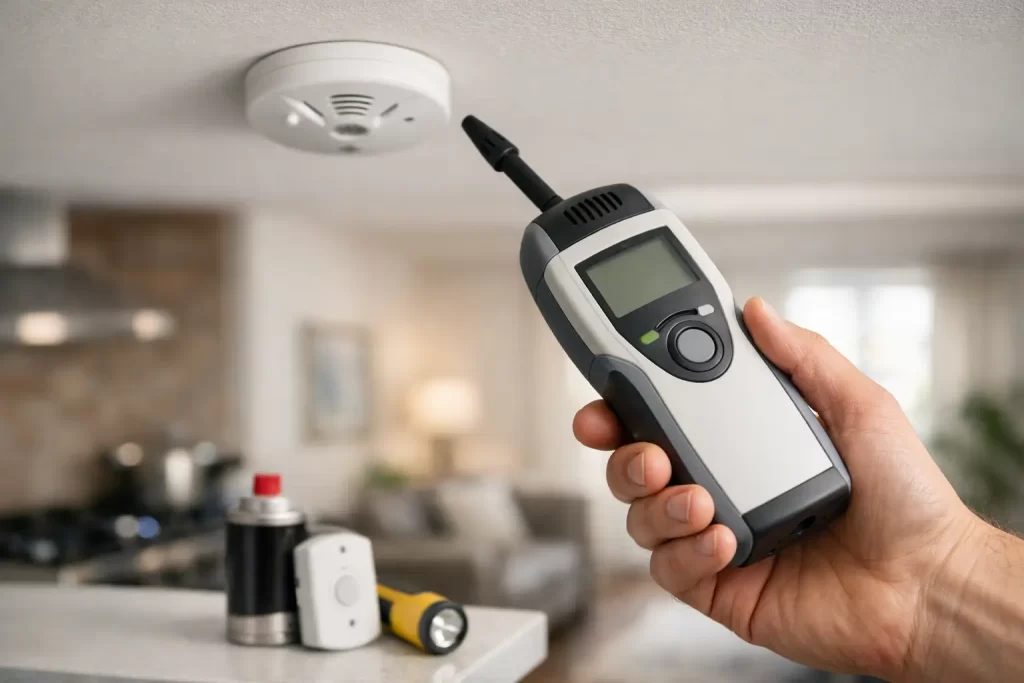
A carbon monoxide alarm that has been silent for years can feel reassuring – until you realize nobody has tested it. To test carbon monoxide protection properly, you need to check more than a button. Your home also needs correctly placed, in-date alarms and fuel-burning equipment that is operating safely.
Carbon monoxide, often called CO, is a colorless, odorless gas produced when fuels such as natural gas, propane, oil, wood, or gasoline do not burn completely. Furnaces, boilers, fireplaces, water heaters, gas ranges, and attached garages can all present a risk when equipment is damaged, improperly vented, or poorly maintained.
For homeowners, landlords, and property managers, a few minutes of routine attention can identify a simple alarm issue before it becomes a serious safety concern. But an alarm test is not the same as a professional combustion-safety inspection. Knowing the difference matters.
How to Test Carbon Monoxide Alarms
Most carbon monoxide alarms have a clearly marked Test or Test/Silence button. Press and hold it according to the manufacturer’s instructions, usually for several seconds, until the unit sounds. The alarm should be loud enough to hear from nearby sleeping areas.
This button test confirms that the alarm’s power source, internal electronics, and sounder are functioning. It does not confirm that the sensor can accurately detect carbon monoxide. A detector may beep during a button test while its sensing element is expired or compromised.
Test each CO alarm monthly. If your unit uses replaceable batteries, change them on the schedule stated by the manufacturer rather than relying only on a seasonal reminder. Many newer alarms have sealed, long-life batteries, but the entire device still has an expiration date.
Check the date printed on the back or side of every alarm. Carbon monoxide detectors commonly have a service life of five to 10 years, depending on the model. Replace a unit that has reached its end-of-life date, is damaged, repeatedly chirps, or fails its test.
Do not test a CO detector by running a vehicle in the garage, holding it near an appliance vent, or introducing exhaust or smoke into the home. That approach can expose people to dangerous gas levels and may damage the detector. If you want to verify sensor response, use only an approved test product designed for your specific alarm and follow the manufacturer’s directions carefully.
Where Carbon Monoxide Alarms Should Be Installed
A working detector cannot protect occupants if it is installed in the wrong location. Local building requirements and product instructions should guide final placement, particularly in rental and multi-unit properties. As a practical starting point, install carbon monoxide alarms outside sleeping areas and on every level of the home.
Homes with attached garages need particular attention because vehicle exhaust can enter living areas. Even if you never intentionally leave a vehicle running indoors, CO can build up quickly when a garage door is closed or partially open.
Avoid placing alarms directly beside fuel-burning appliances, in very humid locations, or where cooking fumes, drafts, and vents may affect performance. Keep them close enough to sleeping areas that occupants will hear an alarm at night. For larger homes, townhomes, apartment buildings, and commercial properties, a licensed professional can help assess coverage and code-related needs.
An Alarm Test Does Not Test Your Furnace or Boiler
This is the distinction that homeowners often miss. Pressing the test button checks the alarm. It does not test whether your furnace, boiler, fireplace, water heater, or gas appliance is producing carbon monoxide.
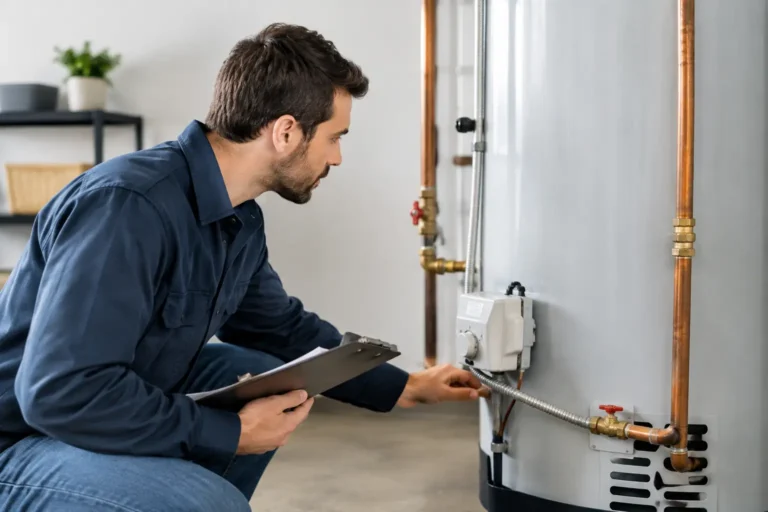
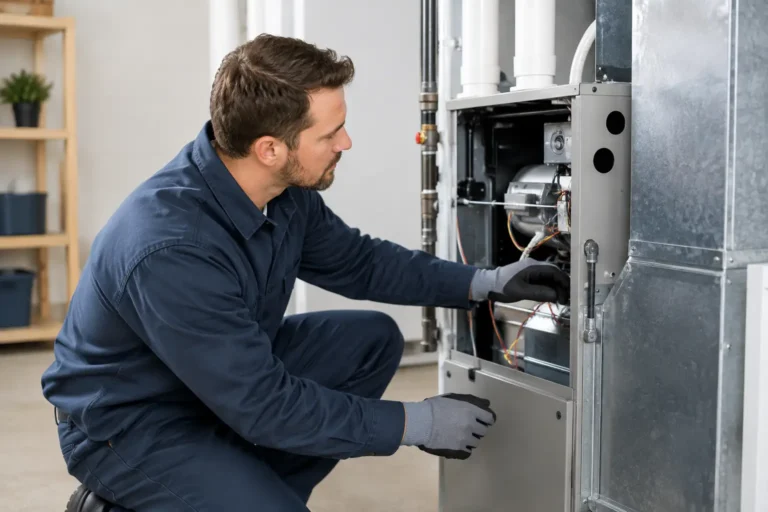
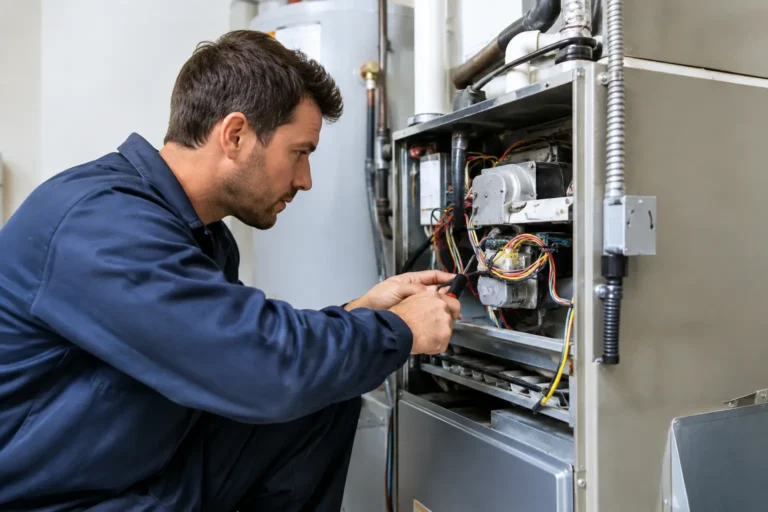
A professional combustion-safety visit looks at the equipment itself. A qualified technician can inspect venting, burners, heat exchangers, flue connections, gas pressure, ignition performance, and signs of corrosion or damage. They use calibrated instruments to measure combustion gases and determine whether an appliance is venting safely.
A furnace may still heat the house while developing a problem. A blocked vent, cracked heat exchanger, disconnected flue pipe, dirty burner, or inadequate air supply can create unsafe conditions without an obvious breakdown. That is why annual service is particularly valuable for aging furnaces, boilers, fireplaces, and gas water heaters.
The trade-off is simple: a homeowner can and should test alarms regularly, but combustion diagnostics require licensed equipment service. Trying to adjust gas components or disassemble venting yourself can make the problem worse and create additional hazards.
Warning Signs That Need a Professional Inspection
Carbon monoxide itself has no smell, but an appliance problem may leave clues. Do not wait for a CO alarm to go off if you notice changes in how gas or fuel-burning equipment operates.
Call for service if you see yellow or flickering burner flames where a steady blue flame is expected, soot around an appliance or vent, unusual condensation on windows near equipment, rusted flue connections, or repeated pilot-light problems. New rattling, booming, whistling, or burning odors also deserve attention.
People can experience headache, dizziness, nausea, weakness, confusion, chest discomfort, or flu-like symptoms without a fever when exposed to carbon monoxide. Symptoms can improve after leaving the building and return when occupants come back inside. Never assume these signs are only a seasonal illness when a furnace, fireplace, garage, or gas appliance is involved.
What to Do if Your CO Alarm Sounds
Treat an active carbon monoxide alarm as an emergency. Do not spend time opening windows, searching for the source, resetting the device, or gathering belongings.
Get everyone out of the building immediately, including pets, and move to fresh air. Call 911 or your local emergency service from outside. If anyone feels ill, tell responders that carbon monoxide exposure is possible. Do not re-enter until emergency personnel say it is safe.
After the immediate danger has been addressed, arrange for a licensed gas and HVAC technician to inspect the suspected appliances and venting system. Replacing or silencing the alarm without identifying the source is not a solution. The alarm may have prevented a serious exposure.
For landlords and property managers, document the event, communicate clearly with occupants, and arrange qualified inspection before returning a space to normal use. A fast response protects tenants and helps limit longer disruptions.
Build Carbon Monoxide Safety Into Seasonal Maintenance
The best time to address combustion safety is before the heating season puts your equipment under daily load. Schedule furnace, boiler, fireplace, and water-heater service before cold weather arrives, especially if the equipment is older, has had repairs, or serves a rental property with multiple occupants.
Between service visits, keep exterior vents clear of leaves, snow, nests, and stored materials. Do not block combustion-air openings or enclose equipment rooms without professional guidance. Never use an oven or gas range to heat a room, and never operate generators, charcoal grills, or fuel-burning equipment inside a home, garage, or enclosed area.
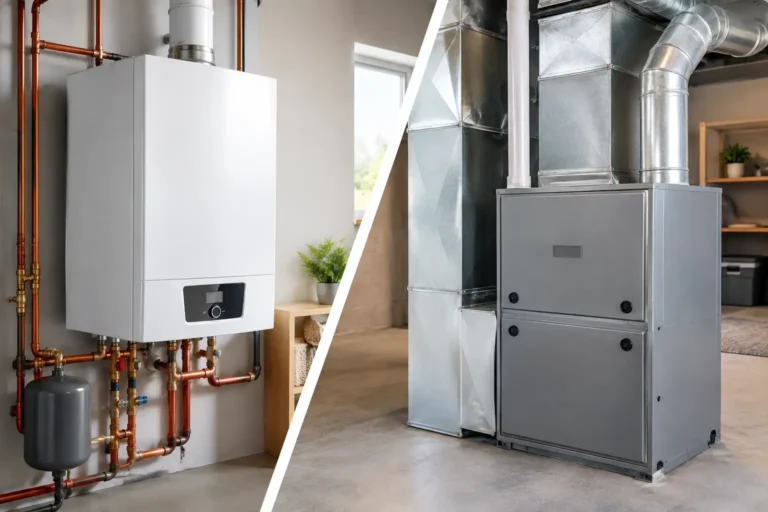
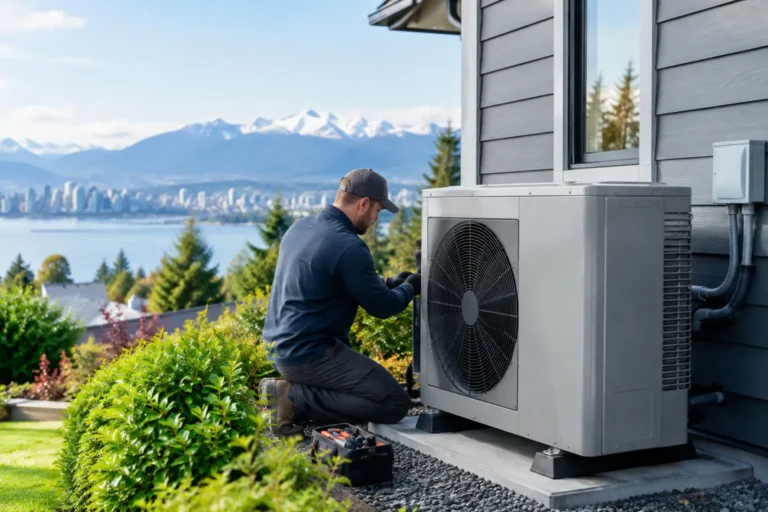
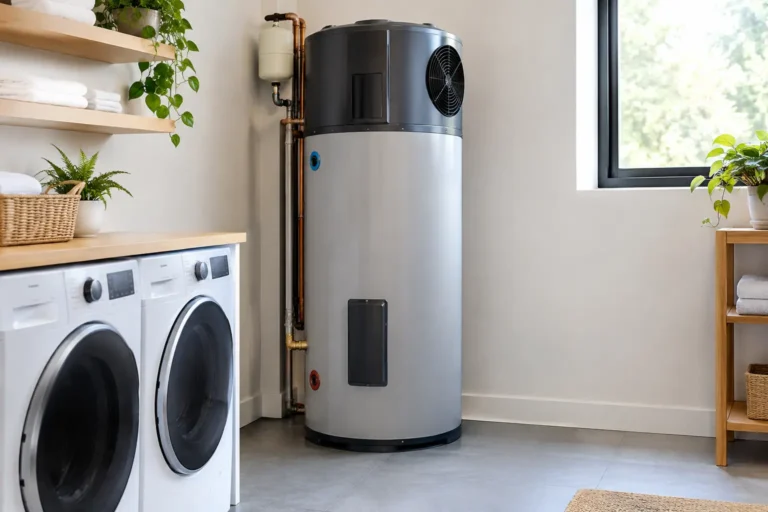
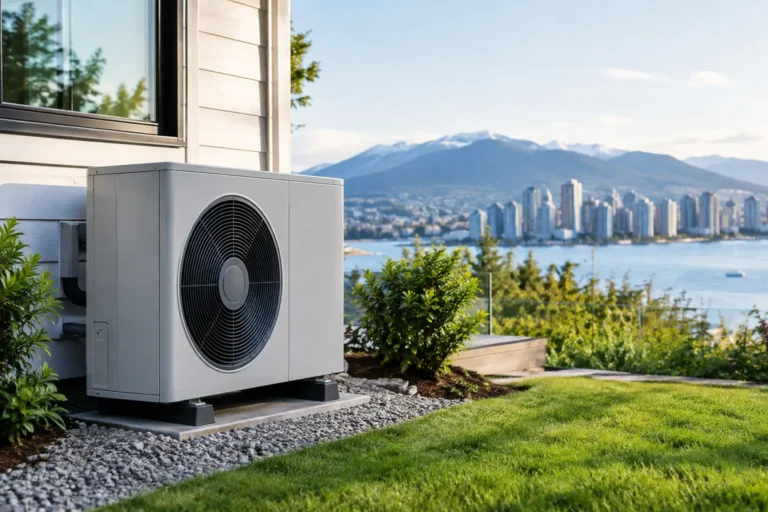
If your system is nearing replacement age, ask about safer, more efficient options rather than waiting for an emergency failure. A properly sized furnace, boiler, heat pump, or heat pump water heater can improve comfort and reduce dependence on aging combustion equipment. Available government incentives may also help offset qualifying heat pump and heat pump water-heater upgrades.
FlameCo Heating Services provides licensed gas and HVAC service for homeowners and property managers throughout Maple Ridge, Metro Vancouver, and the Lower Mainland. When an alarm sounds, a gas appliance behaves differently, or you need a clear answer about aging equipment, prompt qualified service is the practical next step.
Your monthly alarm test is small, but it gives you a reason to look closely at the systems that keep your property warm. Keep detectors current, take every alarm seriously, and have fuel-burning equipment checked before a minor concern becomes an emergency.