A furnace replacement used to be a fairly simple decision: replace the old gas unit with a newer, more efficient one. Heat pump adoption trends are changing that conversation across Metro Vancouver. Homeowners and property managers are now weighing heating, air conditioning, electrical capacity, rebates, backup heat, and long-term operating costs at the same time.
That does not mean a heat pump is automatically the right answer for every property. It does mean more Lower Mainland buildings are good candidates than they were a decade ago, especially where aging furnaces, older air conditioners, or expensive electric resistance heat are due for replacement.
What Is Driving Heat Pump Adoption Trends?
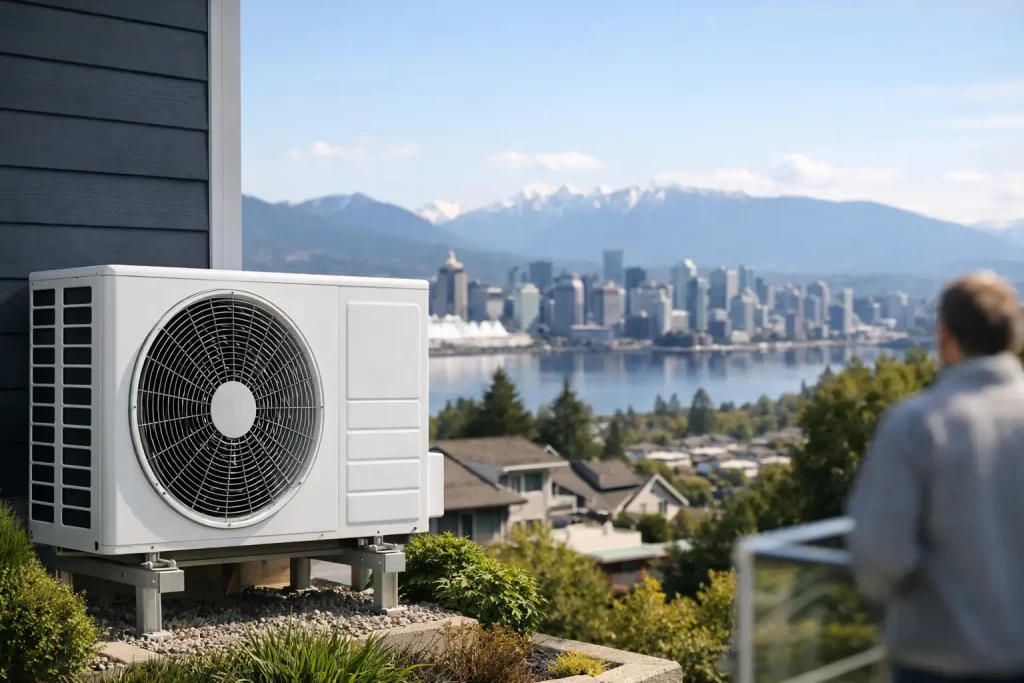
Metro Vancouver’s mild winter climate is a major reason heat pumps are gaining ground. Modern cold-climate systems can move heat into a home efficiently through much of the heating season while also providing air conditioning during summer heat events. For many households, that year-round function changes the value of the replacement decision.
Rising concern about utility costs also matters. A properly selected and installed heat pump can use less energy than baseboard heaters, electric furnaces, and some older heating equipment. Actual savings depend on the home, the utility rate structure, insulation levels, thermostat settings, and whether the heat pump is replacing gas, oil, electric resistance heat, or an aging cooling system. A quote that promises one universal savings number should be treated carefully.
Government incentives have also moved heat pumps from a future project to a current planning decision for many owners. Available provincial, utility, and municipal programs can help reduce the upfront cost of qualifying equipment and improvements. Program rules, funding levels, installation requirements, and deadlines can change, so eligibility should be confirmed before ordering equipment or starting work.
For landlords and commercial property managers, the trend is also about asset planning. Replacing a failed heating system in an occupied building creates pressure. Planning an upgrade before a breakdown can allow time to compare system designs, coordinate tenant access, assess electrical work, and pursue applicable incentive pathways.
Why Cooling Demand Is Changing the Calculation
The Lower Mainland has historically focused on heating, but warmer summers have made cooling a practical need rather than an occasional luxury. A central heat pump can replace both a furnace and an air conditioner in many homes. A ductless mini-split can add heating and cooling to suites, additions, older homes without ducts, offices, and selected multi-unit spaces.
This dual-purpose capability is one reason heat pump adoption trends are strongest when an air conditioner is already nearing the end of its service life. Instead of paying for a new furnace now and a separate air conditioner later, owners can assess whether one coordinated project makes better financial and operational sense.
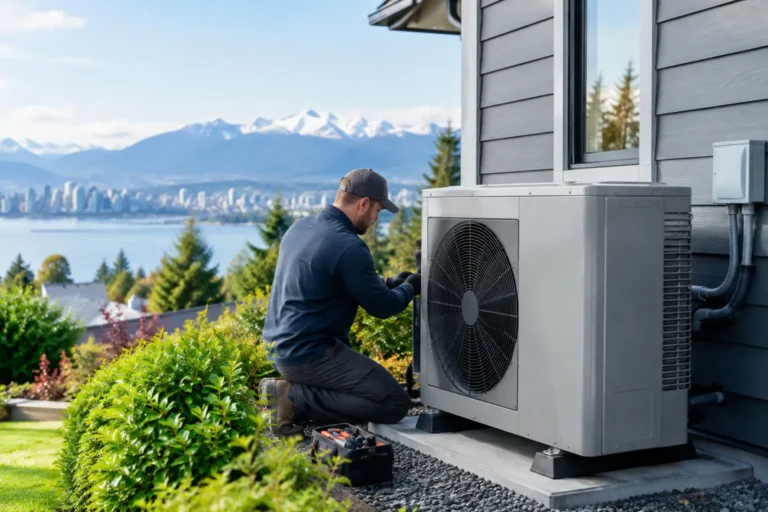
Still, equipment selection should follow the building rather than the trend. An oversized unit can short-cycle, create comfort issues, and waste energy. An undersized unit may struggle during colder weather. Proper load calculations, duct assessment, equipment placement, condensate drainage, and electrical review are essential parts of a dependable installation.
Ducted, Ductless, and Hybrid Systems
A ducted heat pump is often a practical choice when a home already has usable forced-air ductwork. The existing distribution system may need modifications, repairs, balancing, or a review of return-air capacity. Older ducts are not automatically a deal-breaker, but they should not be ignored simply because the outdoor equipment is new.
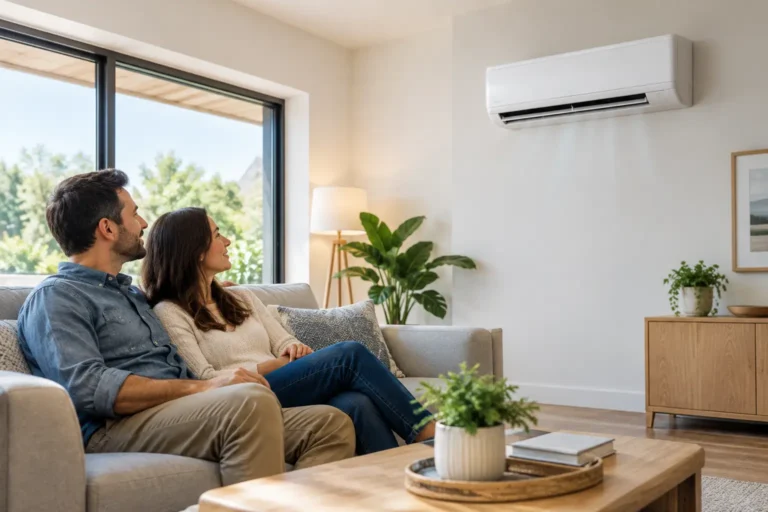
Ductless mini-splits are increasingly common in homes without ducts and in areas that need targeted comfort control. They can work well for a primary living area, a converted garage, a basement suite, or a smaller commercial space. Multiple indoor heads can serve several rooms, but placement, appearance, access for maintenance, and cold-weather performance should be discussed upfront.
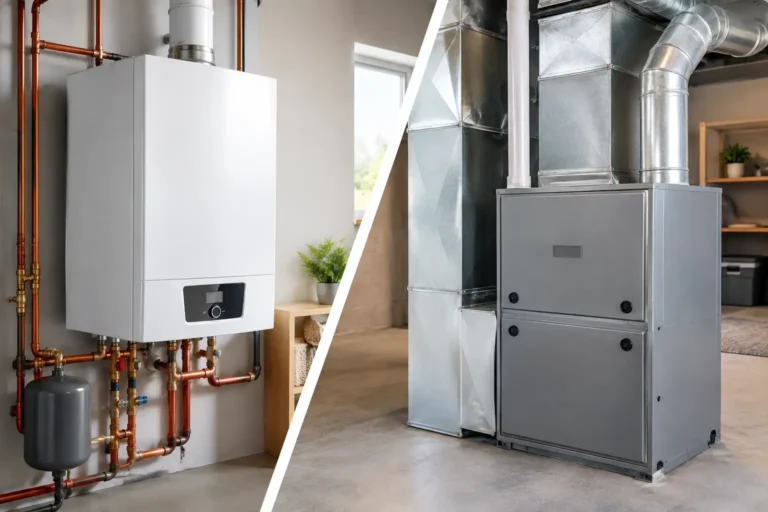
Hybrid or dual-fuel systems combine a heat pump with a gas furnace. The heat pump handles heating during milder conditions, while the furnace provides backup when temperatures fall or demand rises. This setup can be a sensible option for larger homes, properties with existing gas infrastructure, or owners who want added heating redundancy. It is not always the lowest-cost installation, but it can offer flexibility and familiar backup performance.
The Real Barriers to Adoption
Upfront cost remains the most common barrier. A heat pump project can involve more than the equipment itself. Electrical panel capacity, wiring, duct changes, refrigerant-line routing, thermostat controls, equipment pads, and removal of aging systems can all affect the final scope. Transparent pricing matters because the lowest initial quote may omit work that becomes necessary later.
Electrical capacity is especially relevant in older Lower Mainland homes. A heat pump may fit within the existing service, or it may require electrical upgrades depending on the equipment, panel load, and other major electrical appliances. Adding an EV charger, induction range, hot tub, or heat pump water heater can further affect the calculation. An early assessment helps prevent surprises after installation is scheduled.
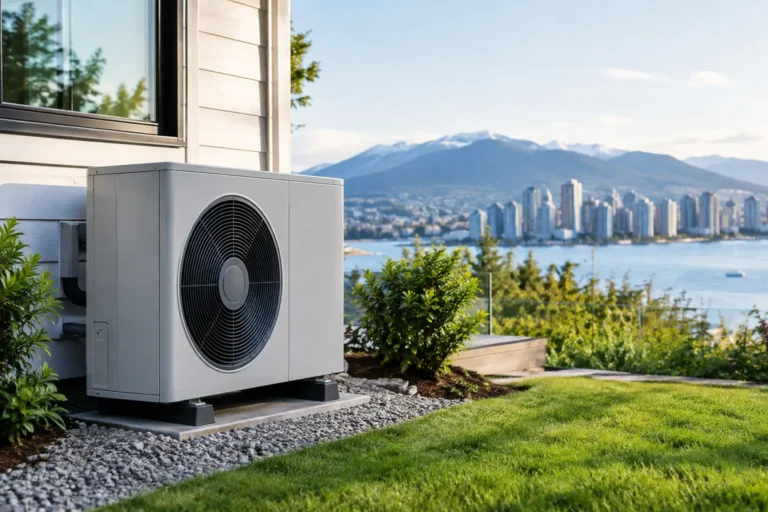
Noise and outdoor-unit location can also be concerns, particularly for townhomes, strata properties, and tightly spaced lots. Manufacturers publish sound ratings, but placement still matters. The unit needs sufficient clearance for airflow and service access, while local requirements, strata rules, property lines, and nearby bedroom windows should be considered.
Finally, there is a knowledge gap. Some owners assume heat pumps do not work in colder weather, while others expect them to solve every comfort problem without changes to the building. Modern equipment has improved significantly, but a heat pump is still part of a system. Air sealing, insulation, windows, duct condition, and controls all influence results.
Heat Pump Water Heaters Are Joining the Conversation
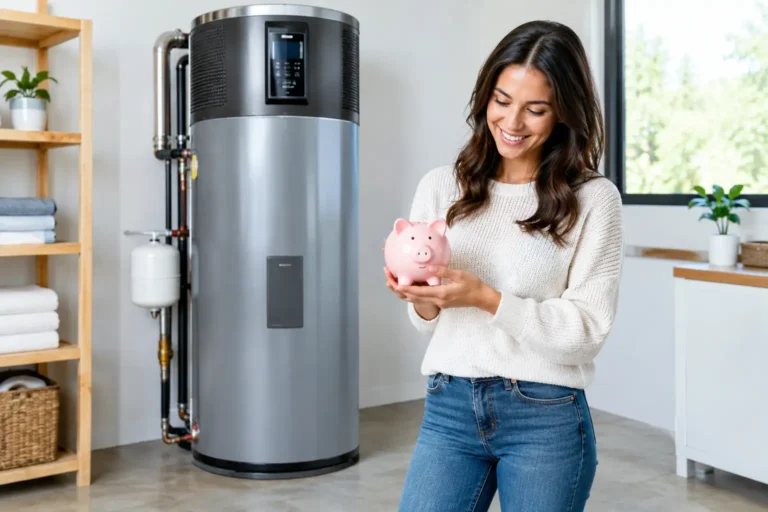
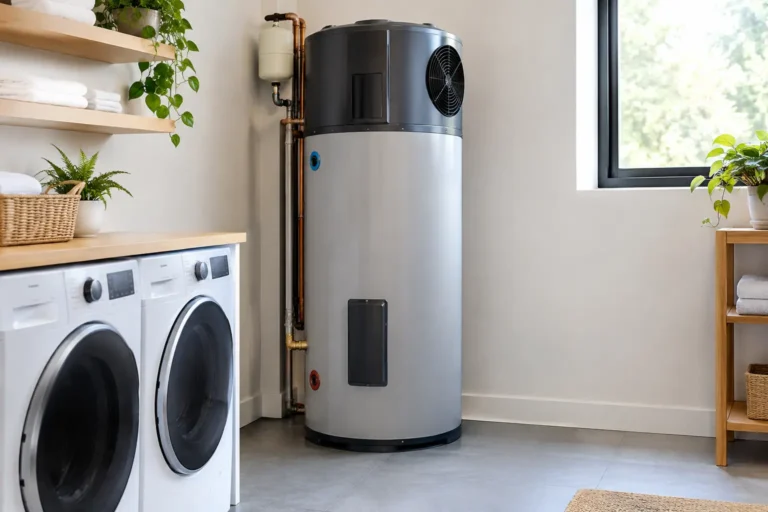
Heat pump adoption is no longer limited to space heating and cooling. Heat pump water heaters are receiving more attention from homeowners replacing electric tanks and from property owners looking at broader energy upgrades. Rather than generating heat directly with electric elements alone, these units pull heat from surrounding air to heat stored water.
They can be highly efficient, but installation conditions matter. A heat pump water heater needs adequate space and airflow, produces condensate, and can cool the area around it. That may be helpful in a utility room during warm weather but less desirable in a small, conditioned interior space during winter. Garage, basement, mechanical-room, and utility-space layouts should be evaluated case by case.
Government incentives on heat pump water tanks may improve the project economics when programs are available and the installation meets program requirements. As with space-heating incentives, owners should confirm current eligibility before purchase. Equipment model requirements, contractor documentation, fuel-switching conditions, and pre-approval rules may apply.
What Homeowners and Property Managers Should Check First
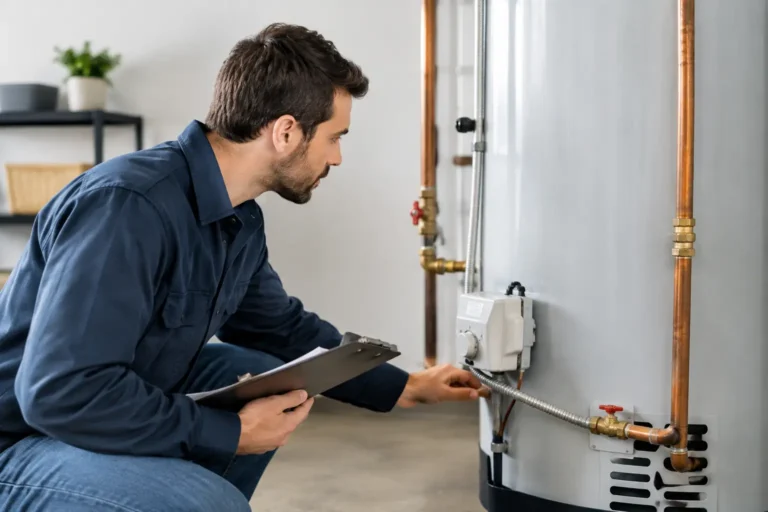
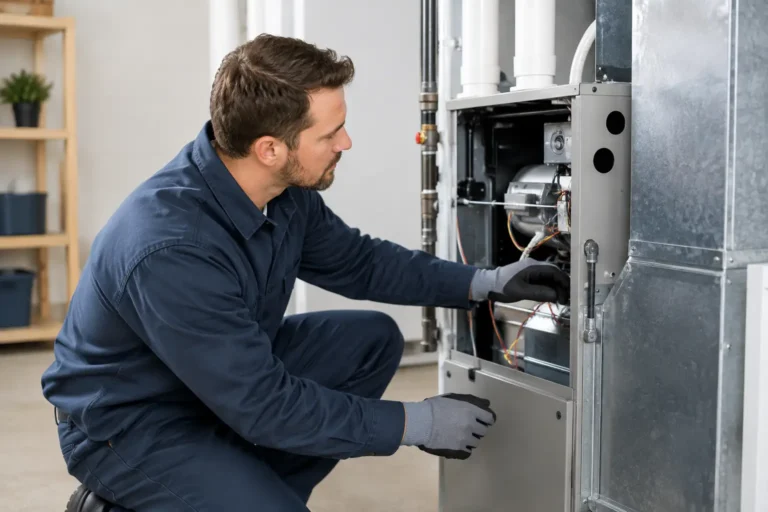
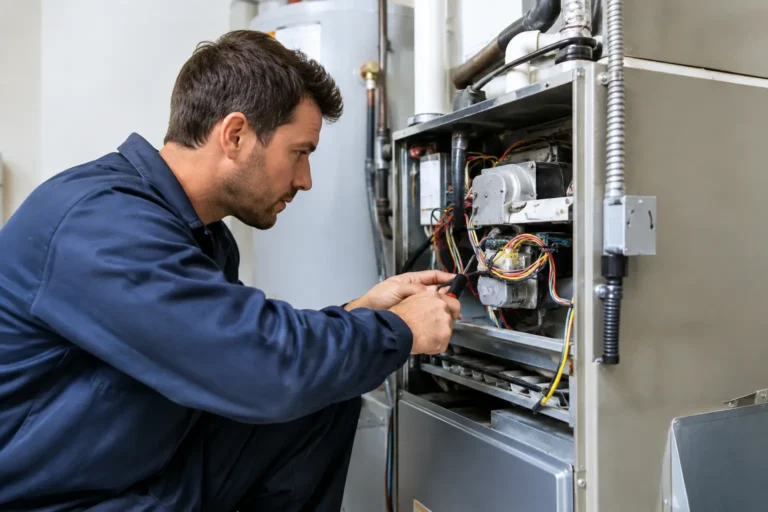
Before committing to a system, start with the condition of the equipment you already own. A furnace that is unsafe, unreliable, or nearing the end of its life creates a more urgent decision. An air conditioner that needs major repairs may make a combined heat pump replacement more appealing. If both units are functioning well, a planned upgrade may still be worthwhile, but the timing and payback need a closer look.
Next, assess the building. Ask whether rooms heat unevenly, whether ducts are noisy or undersized, whether insulation has been improved, and whether the electrical panel has room for future loads. For multi-unit or commercial properties, consider tenant schedules, access requirements, equipment redundancy, and the operational impact of taking a system offline.
Then compare complete scopes, not just equipment names. A useful proposal should identify the heating and cooling equipment, installation work, controls, electrical requirements, warranty coverage, anticipated maintenance, and any assumptions about rebates. It should also explain whether supplemental or backup heat is recommended.
FlameCo Heating Services can assess existing heating, cooling, gas, and hot-water equipment as one connected comfort system, helping owners understand what needs immediate attention and what can be planned around available incentives.
A Trend That Rewards Good Planning
The strongest heat pump projects are not chosen because the equipment is popular. They are chosen because the building, budget, comfort goals, and replacement timeline support the change. For some properties, a ducted heat pump is the right long-term upgrade. For others, a mini-split, dual-fuel system, heat pump water heater, or efficient furnace replacement may be the more practical step.
If your current system is aging, do not wait for a winter failure or summer cooling outage to force the decision. A clear on-site assessment can give you time to compare options, confirm incentive requirements, and choose equipment that will keep the property comfortable without unwanted cost surprises.