A heating replacement is rarely planned around a convenient date. It usually starts when the furnace becomes unreliable, utility bills climb, or a home feels cold in some rooms and stuffy in others. The heat pump versus furnace decision matters because the right choice affects comfort, operating costs, cooling needs, and the work required to keep your property safe and dependable for years.
For homeowners and property managers in Maple Ridge and across the Lower Mainland, there is no single answer that fits every building. Our winters are generally moderate compared with much of Canada, which makes heat pumps a practical option for many properties. But furnace capacity, existing gas service, ductwork condition, electrical capacity, and backup heat all deserve a close look before committing to an upgrade.
Heat Pump Versus Furnace: The Core Difference
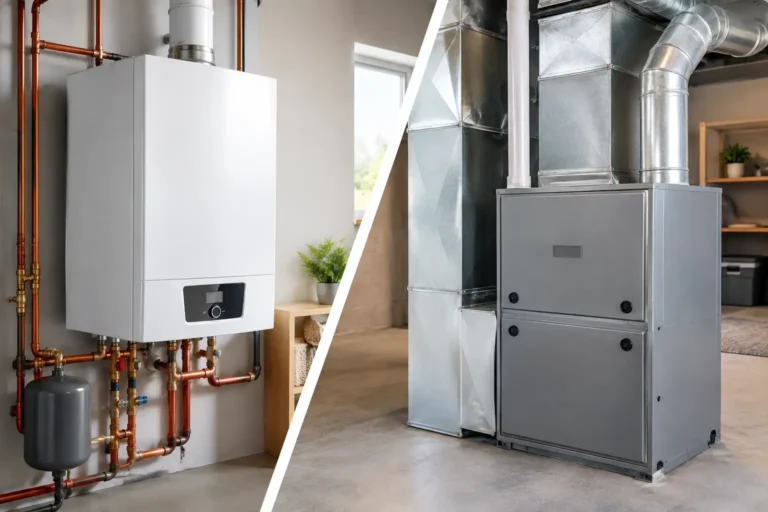
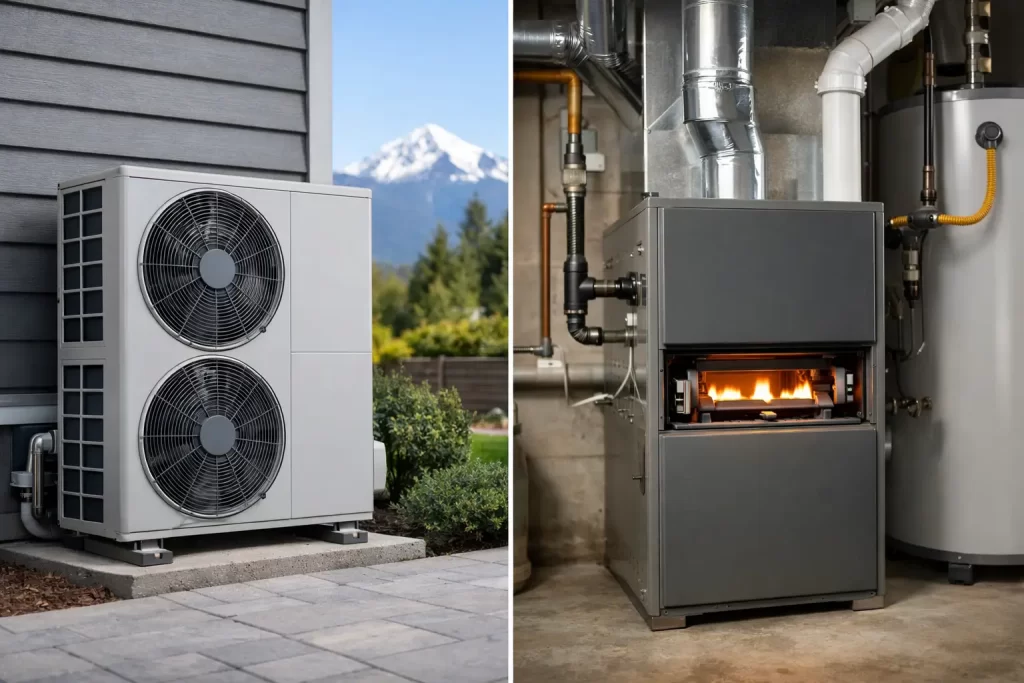
A gas furnace creates heat by burning natural gas and moves that heat through the home using a blower and duct system. It is a heating-only appliance. If you want air conditioning, it is installed as a separate outdoor system that can often share the furnace blower and ducts.
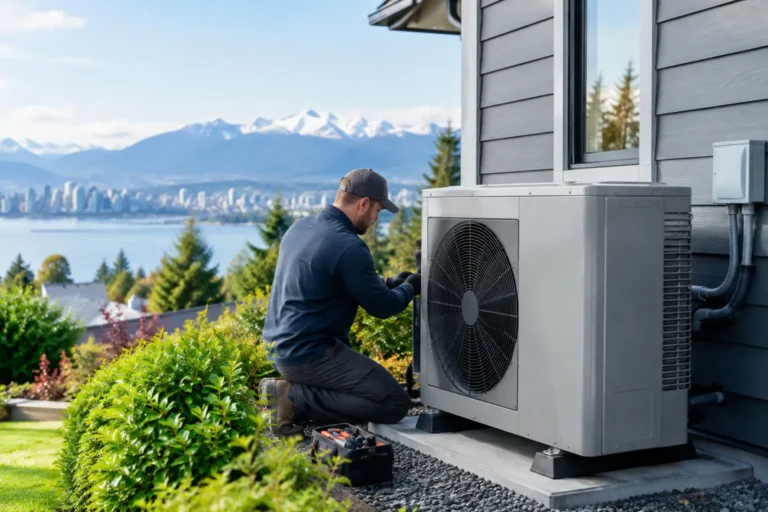
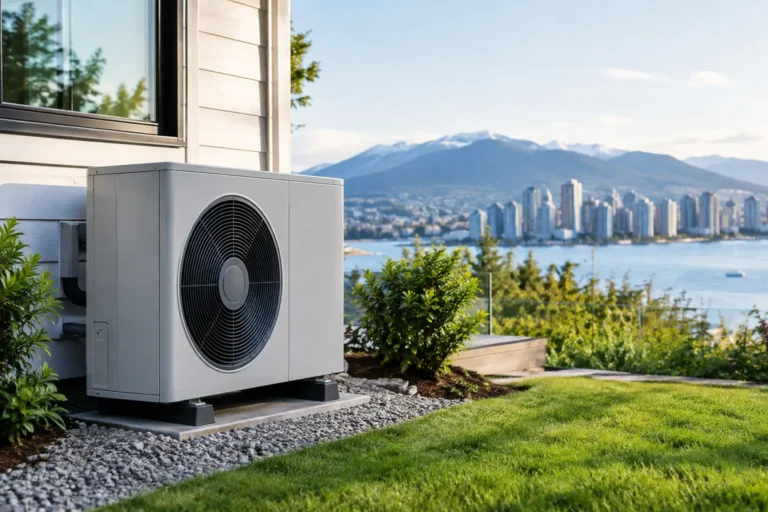
A heat pump transfers heat rather than creating it through combustion. In heating mode, it draws available heat from outdoor air and brings it indoors. In cooling mode, it reverses that process, operating much like an air conditioner. One properly sized heat pump can therefore provide both heating and cooling.
That difference shapes the ownership experience. A furnace is familiar, powerful, and well suited to properties with existing gas infrastructure. A heat pump can reduce reliance on fossil fuel and provide efficient cooling in the same equipment package. The better fit depends on how the home is built and how you use it.
When a Heat Pump Makes Sense
A modern cold-climate heat pump is often an excellent choice in Metro Vancouver and the Lower Mainland. Most winter days are mild enough for efficient heat-pump operation, and the growing need for summer cooling makes the two-in-one design especially appealing.
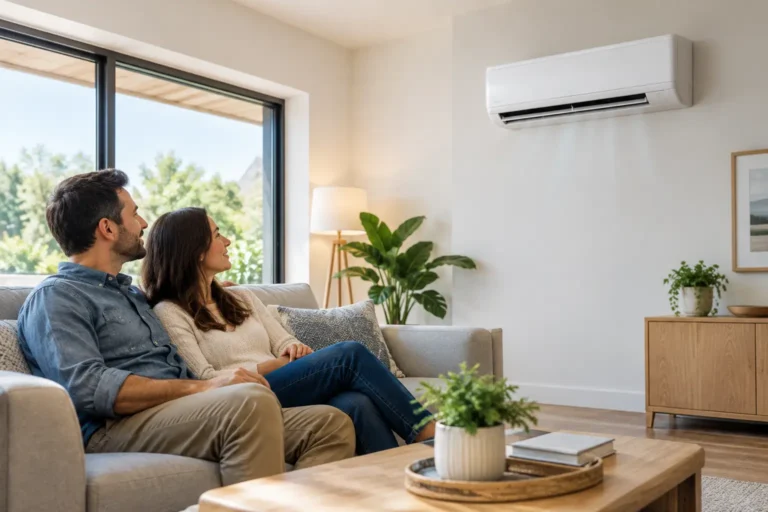
Heat pumps are a strong option for a home that currently uses electric baseboards, an older electric furnace, or an aging air conditioner. They can also work well in homes with ducts, as well as in homes that need ductless mini-splits for additions, suites, upper floors, or rooms that never seem to reach the right temperature.
The main benefit is efficiency. Instead of generating heat directly, a heat pump moves it. Under the right outdoor conditions, that can deliver more heat energy than the electricity it consumes. It can also provide steadier, gentler heating cycles than some oversized furnaces, which may help reduce hot and cold swings.
Heat pumps are not maintenance-free. Outdoor units must have clear airflow, indoor filters need regular attention, and the system must be properly sized and commissioned. A unit selected only by square footage can leave a home uncomfortable, noisy, or unnecessarily expensive to operate.
Cold weather and backup heat
Heat pumps can continue operating in cold weather, but their output and efficiency change as temperatures fall. The exact performance depends on the model, installation quality, and building heat loss. For that reason, some homes benefit from supplemental or backup heat.
A dual-fuel system pairs a heat pump with a gas furnace. The heat pump handles much of the season, while the furnace takes over when temperatures reach a selected point or when more heat is needed quickly. This can be a practical middle ground for households that want efficient cooling and heating without giving up the confidence of gas-fired backup.
For electrically heated homes, backup heat may come from built-in electric heat strips, baseboards, or another approved source. The right approach should be based on a proper load calculation, not a guess.
When a Furnace Is the Better Choice
A high-efficiency gas furnace remains a sensible choice for many Lower Mainland properties. If your home already has a dependable gas connection, compatible ductwork, and a separate air conditioner that still has useful life left, furnace replacement may be the most direct and cost-effective path.
Furnaces provide strong heat output regardless of outdoor temperature. They can be a good fit for older, draftier homes with high heat loss, large buildings with demanding heating loads, and properties where electrical upgrades would add significant project cost. They also deliver fast recovery after doors have been open or temperatures have dropped overnight.
The trade-off is that a furnace does not cool your home by itself. If cooling is part of the plan, compare the cost of a furnace plus air conditioner against a heat pump or dual-fuel system. Also remember that gas equipment requires safe venting, combustion air considerations, condensate management for high-efficiency models, and qualified gas-fitting work.
An aging furnace should not be replaced automatically with the same size and type. Renovations, new windows, insulation upgrades, and changes to the home can reduce heating demand. Oversizing a furnace can cause short cycling, excess noise, and uneven comfort.
Compare the Real Costs, Not Just the Equipment Price
The initial quote matters, but it is only one part of the decision. A fair heat pump versus furnace comparison includes installation scope, future utility costs, maintenance, cooling requirements, rebates, and expected equipment life.
A heat pump installation may cost more upfront than a furnace-only replacement, particularly if electrical upgrades, duct changes, or a new indoor air handler are required. Yet it may eliminate the need to install or replace a separate air conditioner. It may also qualify for available government incentives, depending on the equipment, program rules, and property eligibility.
A furnace may have a lower upfront cost when the gas line, venting, and ducts are already in place. Its operating cost depends on natural gas pricing, furnace efficiency, thermostat settings, and the building’s insulation and air leakage. The lowest installed price is not always the lowest cost over the next 10 to 15 years.
For rental and commercial properties, downtime carries a cost too. Consider access for service, tenant disruption, replacement lead times, and whether one system can address both heating and cooling needs. A clear written scope helps prevent surprise costs when work begins.
Rebates and Heat Pump Water Heater Opportunities
Government incentives can make an energy upgrade more achievable, but programs change often. Eligibility may depend on the equipment model, installation date, existing heating system, utility provider, and whether the work is completed by a qualified contractor. Confirm the current requirements before purchasing equipment or assuming a rebate amount in your budget.
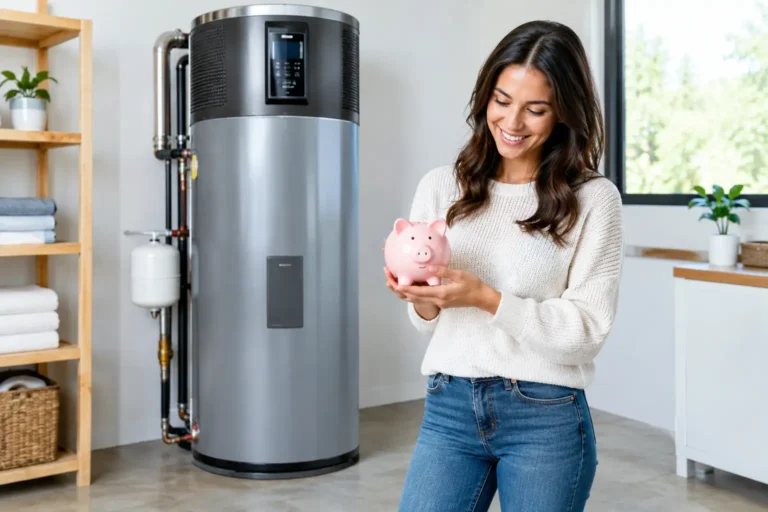
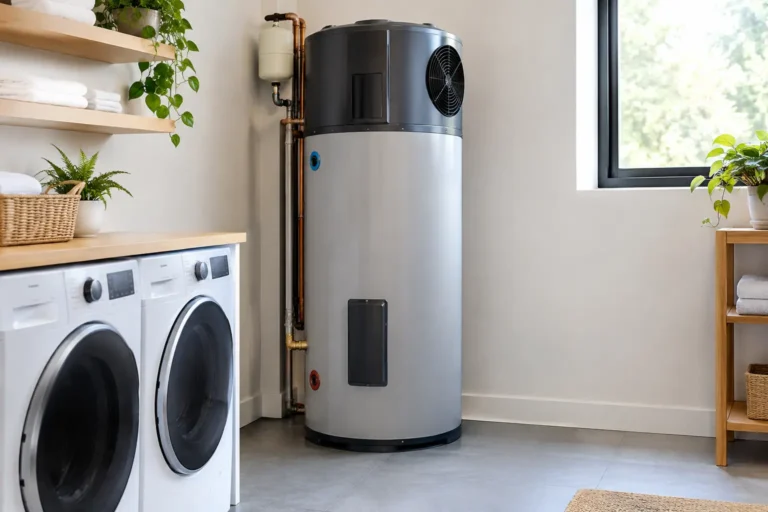
If you are considering a heat pump, it is also worth asking about heat pump water heater incentives. A heat pump water heater uses electricity to move heat into the tank, much like a heat pump heats a home. It can be an efficient alternative to a conventional electric water heater, especially in a garage, mechanical room, or other space with suitable air volume and drainage.
This upgrade is not right for every location. Heat pump water heaters can cool and dehumidify the surrounding area, make some operating noise, and need appropriate installation space. Still, when combined with home heating upgrades, available incentives may improve the overall value of a larger energy-efficiency plan.
Questions to Answer Before You Replace Your System
Before approving a quote, ask whether the contractor has assessed the home’s heat loss, examined the ductwork, and confirmed electrical or gas capacity. Find out what equipment is included, how condensate will be handled, what permits may be required, and what backup heat is planned if you choose a heat pump.
You should also ask how the system will be controlled. A dual-fuel setup needs a thermostat strategy that knows when to use the heat pump and when to switch to furnace heat. Multi-zone mini-split systems need thoughtful placement so bedrooms, living areas, and tenant spaces receive the comfort they need without oversized equipment.
For gas furnaces, ensure the work is performed by licensed professionals who can address venting, gas connections, and combustion safety. For heat pumps, proper refrigerant handling, electrical work, outdoor-unit location, and startup testing are equally important. Equipment quality matters, but installation quality often determines whether it performs as promised.
Choose the System Around Your Property
A heat pump is often the better choice when you want efficient heating and air conditioning in one system, especially in a well-insulated Lower Mainland home. A furnace can be the better choice when dependable high-output gas heat, existing infrastructure, or a lower initial replacement cost is the priority. A dual-fuel system may offer the most balanced solution for homes that want both efficiency and cold-weather assurance.
The best next step is not choosing a brand from a brochure. It is getting a clear assessment of your home’s heating load, existing equipment, energy goals, and available incentives. FlameCo Heating Services can provide a straightforward replacement plan with transparent pricing, licensed installation, and a system sized for the way your property actually operates.