A cooling system that quits during a hot Lower Mainland week creates an immediate decision: replace it fast with another air conditioner, or use the opportunity to upgrade your heating as well? The heat pump versus air conditioner question is not only about summer comfort. It affects winter heating costs, your existing furnace, electrical capacity, rebate eligibility, and how your home feels through damp coastal weather.
For many homes in Maple Ridge, Surrey, Langley, Vancouver, and surrounding communities, a heat pump is now worth serious consideration. But an air conditioner remains the sensible choice in specific situations. The right answer starts with your current equipment and how you heat the home.
Heat pump versus air conditioner: the core difference
A central air conditioner moves heat out of your house. It works with your furnace blower and ductwork to circulate cooled air during warm weather. When the temperature drops, the furnace takes over and provides heat.
A heat pump also cools your home by moving heat outdoors in summer. The difference is that it can reverse the process in winter, pulling available heat from outdoor air and moving it inside. It does not create heat through combustion. Instead, it transfers it, which is why a properly selected heat pump can use less electricity than electric resistance heating.
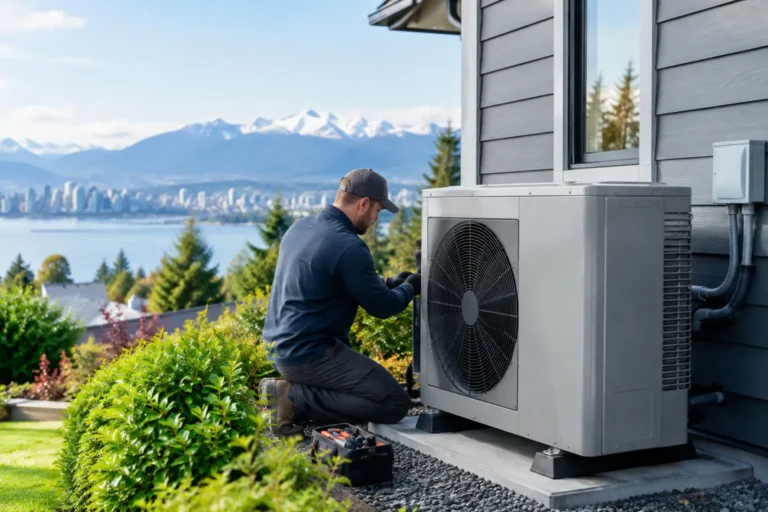
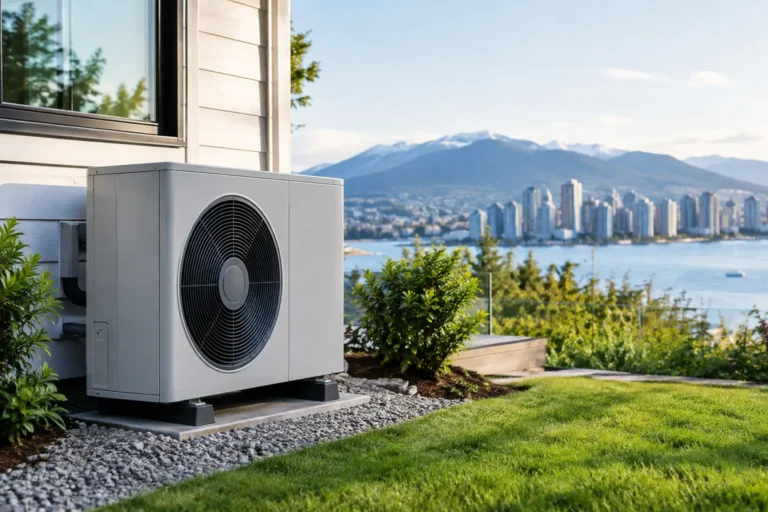
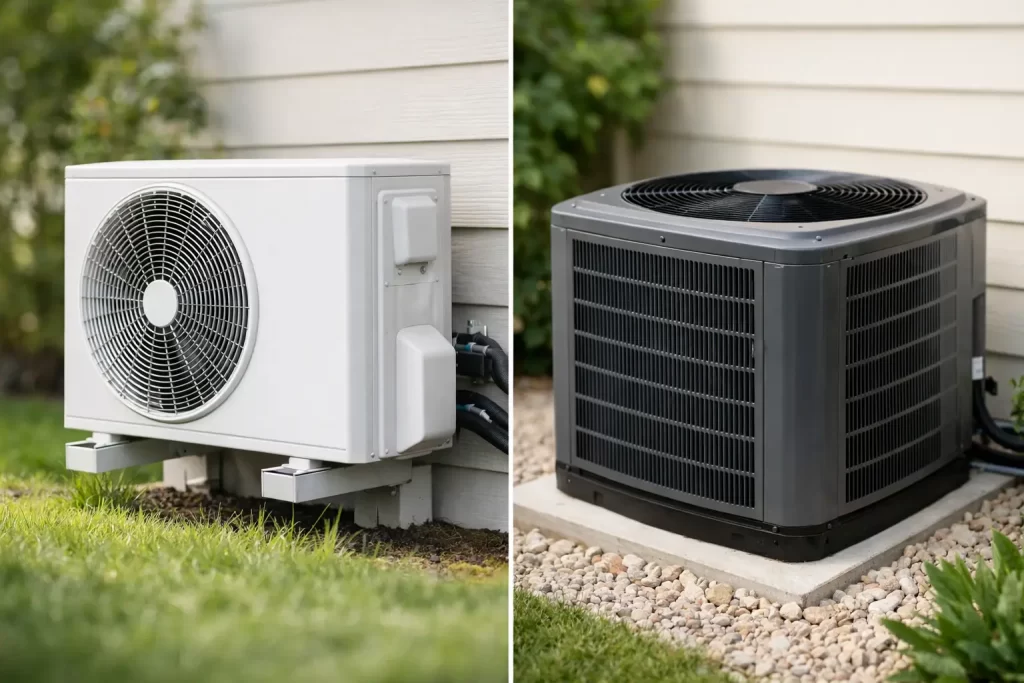
Both systems may look similar outside: each has an outdoor unit, refrigerant lines, and an indoor coil. The bigger distinction is what happens from October through March. An air conditioner sits unused. A heat pump can become a major part of your heating system.
When an air conditioner is the better replacement
An air conditioner can be the practical choice when you have a newer, efficient gas furnace that you intend to keep for years. The furnace already supplies dependable heat, the ductwork is in good condition, and your priority is simply getting reliable cooling installed without expanding the scope of the project.
This option can also make sense when upfront budget is the main concern. A comparable central air conditioner often costs less to install than a cold-climate heat pump, although pricing depends on the system size, electrical work, duct modifications, access, and equipment efficiency level.
For a property with an older electrical panel or limited capacity, an air conditioner may avoid some upgrade work. That said, every home should be assessed individually. A technician can determine whether the panel, disconnect, wiring, and furnace controls can support either system safely.
Air conditioning is not a lesser comfort solution. A correctly sized unit can provide dependable cooling, humidity control, and better indoor comfort during hot spells. If your furnace is sound and you do not need to reduce gas use, it may be the straightforward replacement plan.
When a heat pump makes more sense
A heat pump is often the stronger long-term choice if your furnace is aging, your home relies on electric baseboard heat, or you want one system that handles both heating and cooling. Metro Vancouver’s generally moderate winter climate is well suited to modern cold-climate heat pumps. They can provide useful, efficient heat at temperatures that would have challenged older models.
Many homeowners choose a ducted heat pump while keeping their gas furnace as backup. This is commonly called a dual-fuel setup. The heat pump handles much of the seasonal heating, and the furnace takes over during colder periods or when it is the more cost-effective option. Proper controls matter here. The system should be set up to switch modes at the right time, not simply run both pieces of equipment without a plan.
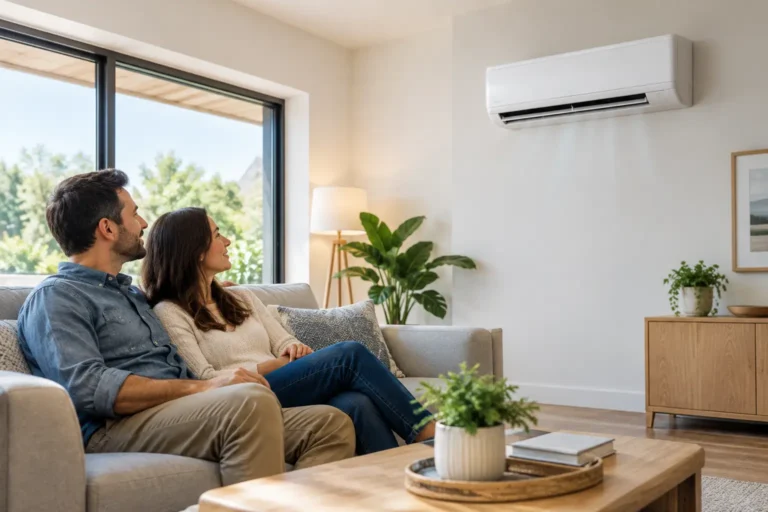
For homes without ducts, a ductless mini-split heat pump can be a major upgrade. It can heat and cool specific rooms, additions, suites, garages, or smaller homes without the cost of adding full ductwork. Multi-zone systems can serve several areas, though placement and sizing need careful planning to avoid uneven comfort.
A heat pump may have a higher initial installation cost, but it can reduce heating energy use depending on your current system, utility rates, insulation, thermostat habits, and the equipment selected. It also replaces two seasonal functions with one outdoor unit, which can simplify future replacement planning.
Winter performance is about design, not just equipment
The concern most homeowners raise is simple: will a heat pump work when it is cold outside? Modern cold-climate models are designed to operate in low temperatures, but no system should be selected from a brochure alone.
A contractor needs to consider the home’s heating load, insulation, windows, duct condition, room layout, and existing heat source. Oversizing a system is not the safe shortcut it may sound like. An oversized unit can short-cycle, manage humidity poorly in summer, and create uncomfortable temperature swings. An undersized unit may rely too heavily on backup heat during winter.
Defrost cycles also deserve attention. In cool, wet weather, frost can build on the outdoor coil. The heat pump periodically defrosts itself, which is normal. Correct installation, drainage, outdoor-unit placement, and control settings help the system handle these cycles properly.
If your home has a gas furnace, retaining it as backup can provide reassurance and flexibility. If you are moving away from gas entirely, the heat pump design must account for the home’s cold-weather load and any electrical upgrades required for backup heat.
Installation details that affect comfort and cost
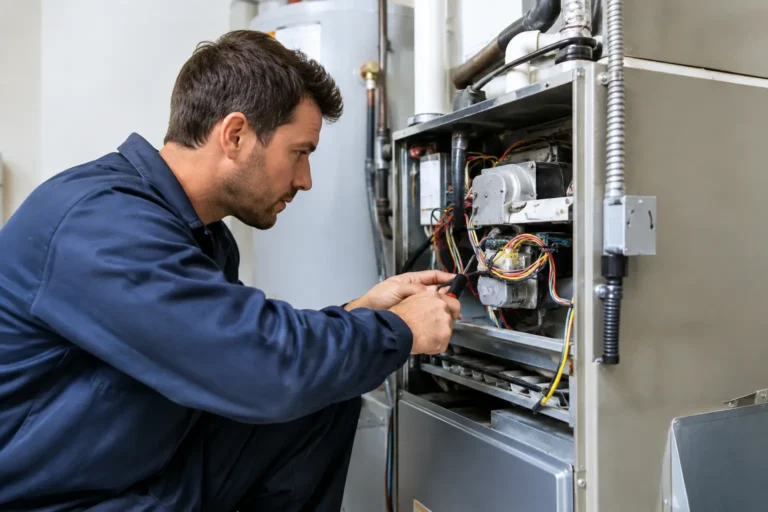
The outdoor unit is only one part of the job. A good replacement plan checks the full system: refrigerant line sizing, coil compatibility, condensate drainage, airflow, electrical protection, thermostat controls, and duct leakage. Skipping these details can leave a high-efficiency unit performing like an average one.
For central systems, the furnace blower must move the correct amount of air. Older furnaces sometimes need blower adjustments or may not be compatible with the new equipment. Ductwork may also need repairs, balancing, or added returns, especially in rooms that are consistently too warm or too cold.
Noise and location matter as well. Outdoor equipment should be placed with appropriate clearance for airflow and service access, while considering bedrooms, patios, neighboring properties, snow, rain runoff, and local requirements. For strata buildings and commercial properties, approvals and access planning may add another layer to the project.
Rebates and financing can change the comparison
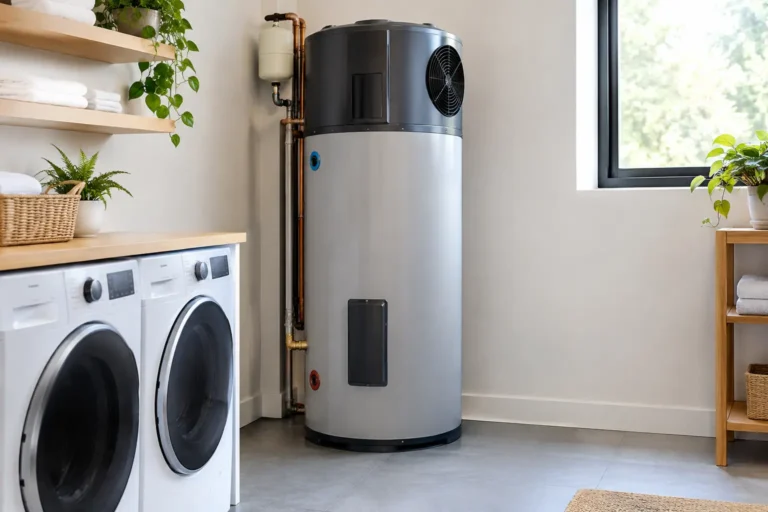
Government and utility incentives can improve the value of a heat pump upgrade, particularly when replacing electric resistance heating, oil heat, or older equipment. Some programs also support heat-pump water heaters. Eligibility can depend on the product, installer qualifications, home type, income level, and whether approval is obtained before work begins.
Programs and funding levels change, so do not assume an advertised rebate will apply to your project. Confirm the current requirements before purchasing equipment or scheduling installation. Keep quotes, invoices, model information, and required documentation organized from the start.
Financing may also make a higher-efficiency replacement more manageable, but monthly payment should not be the only comparison. Ask about total installed cost, expected maintenance, warranty terms, electrical work, and whether any backup heating equipment remains part of the plan.
Questions to ask before choosing either system
Before approving a quote, ask whether the proposed equipment was sized for your home rather than matched only to the old unit. Confirm what electrical work, duct changes, thermostat upgrades, permits, and removal costs are included. You should also know how the system will heat the home during cold weather and who will service it if there is a problem.
For landlords and property managers, add scheduling, tenant access, equipment lead times, and continuity of heating to the conversation. Replacing a system during a vacancy is easier, but an emergency failure does not always allow that timing. A contractor with heating, cooling, gas, and hot-water capability can help coordinate the work instead of leaving you to manage several trades.
FlameCo Heating Services provides clear replacement assessments for heat pumps, air conditioners, furnaces, ductless systems, and related gas equipment across the Lower Mainland. Licensed, bonded, and insured work matters when your comfort system, electrical connections, and combustion equipment all need to operate safely.
The best choice is the one that fits your home as it is now and the way you plan to use it over the next decade. If cooling is the only gap in an otherwise efficient heating system, an air conditioner may be enough. If you are replacing aging heat, want year-round electric comfort, or can use available incentives, a properly designed heat pump deserves a close look before you decide.