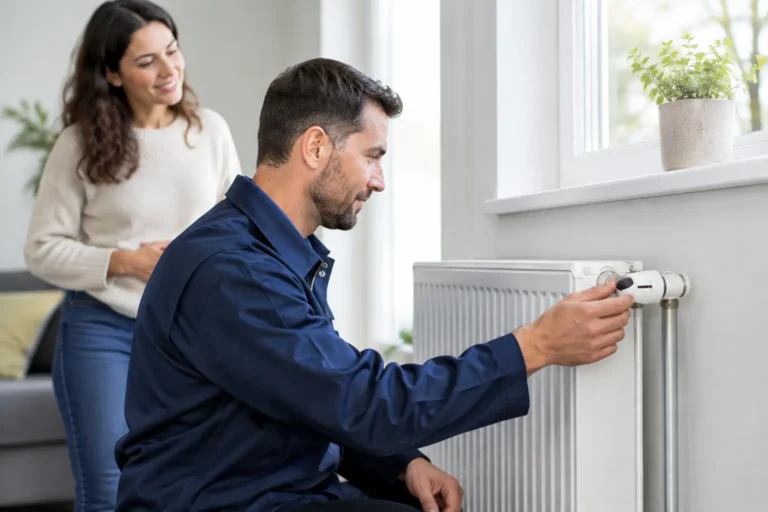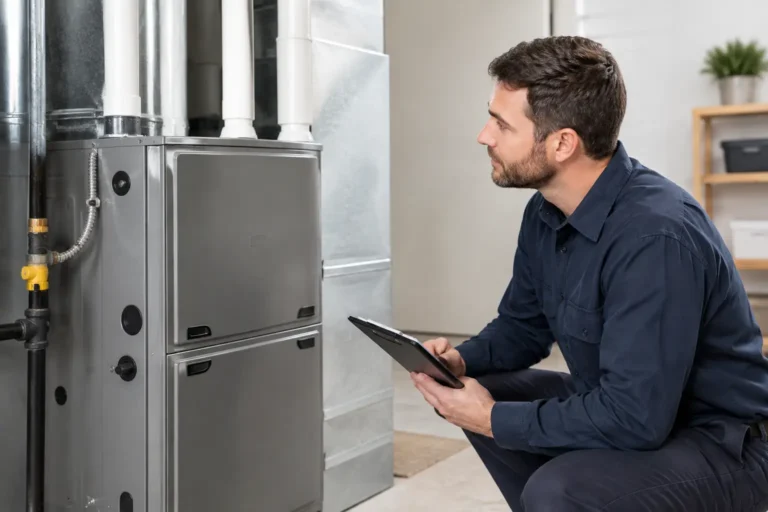
A furnace that starts, runs for a few minutes, shuts off, and then starts again is not just annoying. Furnace short cycling can leave rooms unevenly heated, raise utility costs, wear out expensive components, and sometimes point to a combustion or airflow issue that needs prompt attention.
A normal heating cycle lasts long enough for your home to reach the thermostat setting gradually. The exact run time varies with outdoor temperature, insulation, thermostat settings, and furnace size, but repeated two-to-five-minute cycles are worth investigating. If the furnace is shutting down repeatedly during a cold Lower Mainland night, do not wait for a complete breakdown to get answers.
What Is Furnace Short Cycling?
Short cycling occurs when a furnace turns on and off more frequently than it should without completing a normal heating cycle. The unit may still produce warm air, which can make the problem easy to dismiss. But frequent starts are hard on the igniter, blower motor, gas valve, control board, and other parts that are not designed to restart every few minutes.
Modern furnaces have safety controls that shut the system down when they detect overheating, ignition failure, venting trouble, or another unsafe condition. That shutdown may be protecting your home. The key is identifying why the safety control is being triggered rather than trying to force the furnace to keep running.
Common Causes of Furnace Short Cycling
The cause can be simple, such as a clogged filter, or more involved, such as an improperly sized furnace. A professional diagnosis matters because several different faults can create the same stop-and-start symptom.
Restricted airflow and overheating
A dirty furnace filter is one of the most common causes. When return airflow is restricted, heat builds up inside the furnace. The high-limit safety switch may then shut off the burners to prevent overheating. The blower may continue running, and the furnace may attempt another heating cycle once it cools.
A plugged filter is not the only airflow problem. Closed supply registers, blocked return grilles, a dirty blower wheel, undersized ductwork, or a failing blower motor can all restrict airflow. Closing vents in unused rooms may seem like a way to save energy, but it can create pressure problems and contribute to overheating.
Thermostat location or malfunction
The thermostat tells the furnace when to start and stop. If it is mounted near a fireplace, kitchen, sunny window, supply register, or drafty exterior door, it may sense heat or cold that does not reflect the rest of the home. The furnace can shut off before living areas are comfortable, then restart shortly after.
Low batteries, loose wiring, incorrect thermostat settings, or a failing thermostat can also cause erratic operation. Smart thermostats add another variable: an installation or configuration issue can affect cycle timing. It is best not to assume the thermostat is the problem until the furnace itself has been checked.
An oversized furnace
Bigger is not always better with heating equipment. An oversized furnace heats the air too quickly, satisfies the thermostat early, and shuts off before heat can circulate evenly through the house. This creates short cycles, temperature swings, and unnecessary equipment wear.
Sizing is especially relevant after a renovation, window upgrade, insulation project, or replacement of an older furnace. A proper replacement recommendation should be based on the building’s heating load, duct system, layout, and ventilation requirements, not just the capacity of the equipment being removed.
Dirty flame sensor or ignition trouble
Gas furnaces use a flame sensor to confirm that the burners lit correctly. If the sensor is dirty or failing, the furnace may light briefly and then shut down because it cannot verify a stable flame. You may hear the furnace start, see the burners ignite, and then notice it stops within seconds.
This is not a part to bypass or ignore. The flame-sensing process is tied directly to safe gas operation. A licensed technician can clean or replace the sensor and check the ignition sequence, gas pressure, burner condition, and control board operation.
Venting, condensate, or pressure-switch issues
High-efficiency furnaces rely on sealed intake and exhaust pipes, condensate drainage, and pressure switches to operate safely. Snow, leaves, insect nests, ice, or damage at an exterior vent termination can interfere with proper venting. A blocked condensate drain can also stop the furnace from completing its cycle.
These issues are more common during wet and freezing weather. Avoid taking apart venting or combustion components yourself. Check only what is safely visible from outdoors, and keep the area around exterior vent pipes clear. If you suspect a blockage, have the system inspected.
Safe Checks You Can Do First
Before booking a repair, there are a few safe homeowner checks that may help identify a simple issue. Turn the thermostat to heat and set it several degrees above the current room temperature. Confirm that the furnace switch and electrical breaker are on, then check whether the filter is dirty or overdue for replacement.
Make sure accessible supply registers and return-air grilles are open and unobstructed. Move furniture, rugs, or storage bins away from return vents. Replace thermostat batteries if applicable, and confirm the thermostat is not being heated by a nearby lamp, fireplace, or direct sun.
Do not remove furnace panels while the unit is operating, adjust gas connections, reset safety switches repeatedly, or attempt to clean burners. Repeated resets can hide an active fault while placing more stress on the system.
When Short Cycling Is an Urgent Call
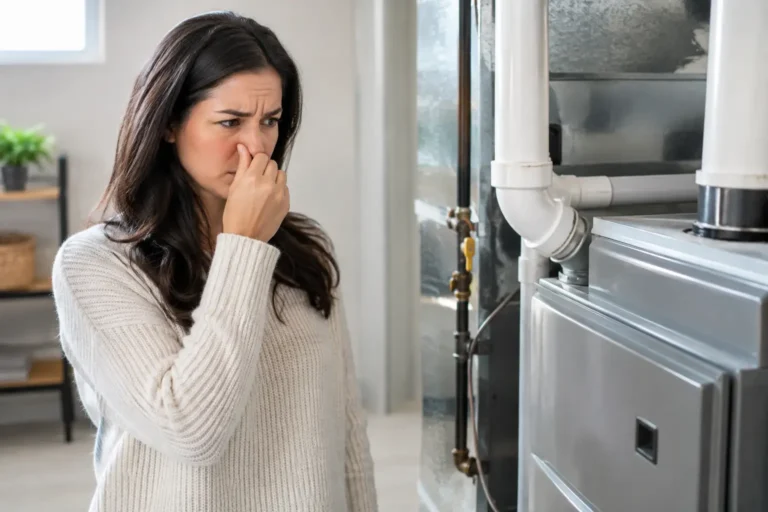
Turn off the furnace and arrange professional service right away if you smell gas, notice soot around the unit or vents, hear booming or banging at ignition, or see a yellow burner flame where a steady blue flame would normally be expected. If a carbon monoxide alarm sounds, leave the building immediately, call emergency services, and do not re-enter until authorities say it is safe.
You should also request prompt service when the furnace trips its breaker, leaks water, produces burning odors, or cannot maintain safe indoor temperatures. For landlords, apartment owners, and property managers, short cycling can become a tenant comfort issue quickly, particularly when one equipment failure affects several suites or a shared heating area.
What a Professional Furnace Diagnosis Should Include
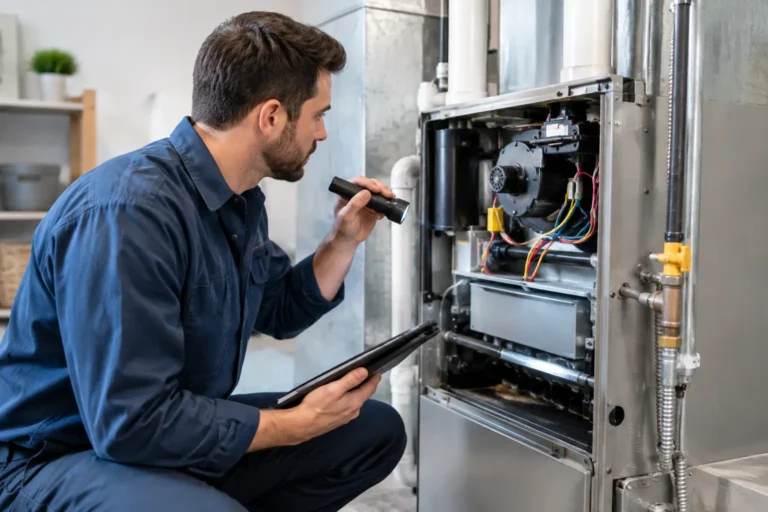
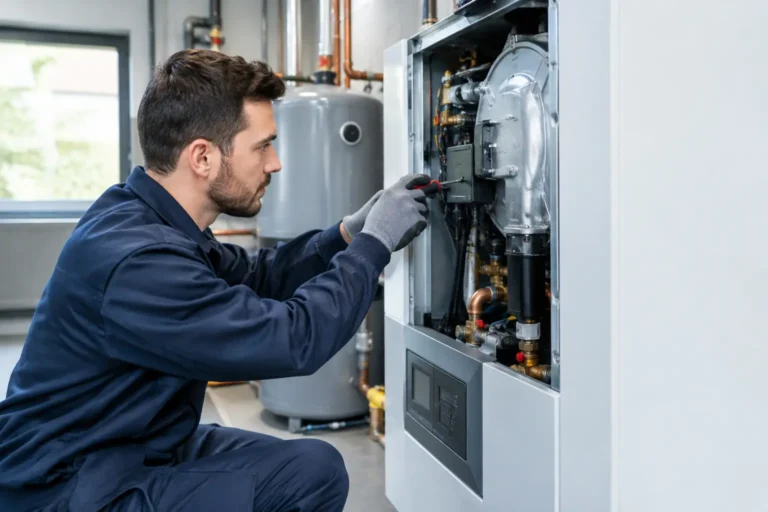
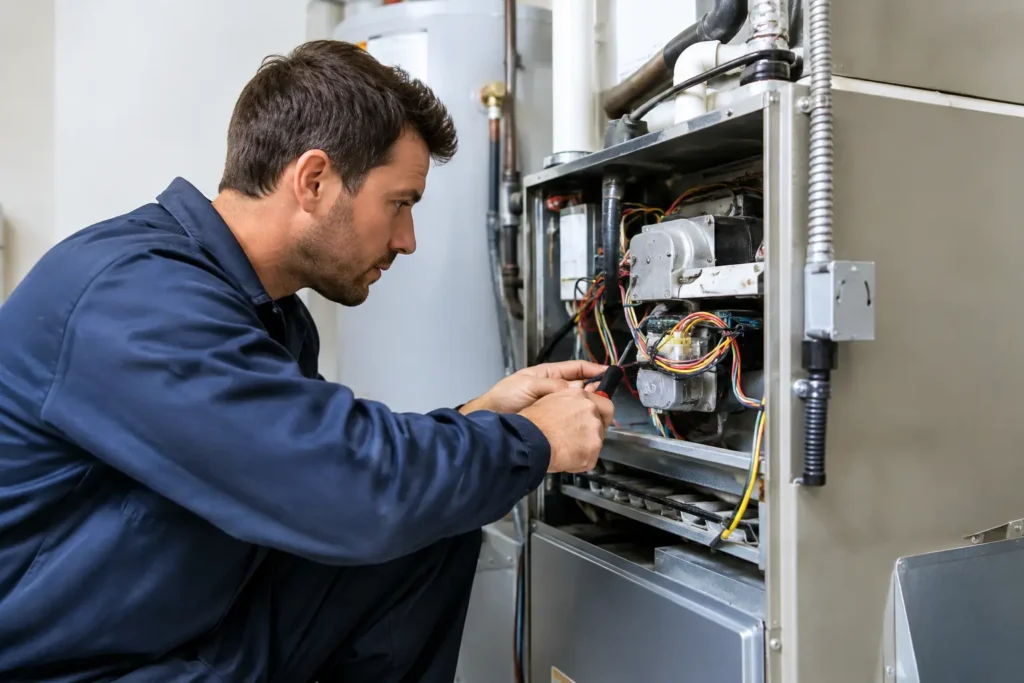
A qualified technician should do more than replace the first part that looks suspicious. Proper diagnosis starts by confirming the cycle pattern and checking airflow, filter condition, blower performance, duct restrictions, thermostat operation, and error codes.
For a gas furnace, the inspection should also address ignition, flame sensing, venting, condensate drainage, gas pressure where applicable, safety switches, and combustion-related concerns. If the equipment is oversized or the duct system is contributing to the problem, you deserve a clear explanation of the available repair and replacement options, including cost trade-offs.
FlameCo Heating Services provides licensed, bonded, and insured HVAC and gas service across Maple Ridge, Metro Vancouver, and the Lower Mainland. For a furnace that is short cycling, a clear diagnosis and upfront repair recommendation are more useful than guesswork or repeated temporary resets.
Can Maintenance Prevent Short Cycling?
Maintenance cannot prevent every failure, but it catches many conditions that lead to short cycling before they become a no-heat call. Regular filter changes protect airflow. Seasonal service can identify a dirty flame sensor, weak igniter, blocked drain, failing blower component, or venting concern early.
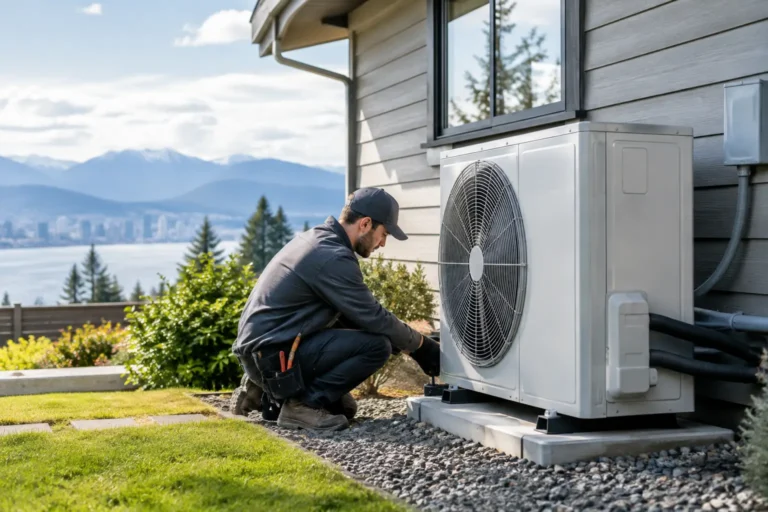
Older furnaces may still be repairable, but repair decisions depend on age, condition, parts availability, efficiency, and the nature of the fault. If replacement becomes the better long-term choice, correctly sizing the new system is essential. Homes considering a heat pump may also have access to government incentive options, and a full heating assessment can clarify whether a heat pump, furnace, or dual-fuel arrangement fits the property.
A furnace that cycles normally is quieter, more efficient, and easier on its components. If yours keeps starting and stopping, treat that pattern as useful information: it is your heating system asking for attention before a minor issue becomes a cold-house emergency.