A boiler failure rarely arrives at a convenient time. It can mean cold suites, interrupted hot water, unhappy tenants, closed work areas, and an urgent call to find out whether the issue is a minor repair or a major equipment problem. Regular commercial boiler servicing gives building owners and managers a better position: problems can be found during a planned visit instead of during a no-heat emergency.
For commercial properties across Maple Ridge, Metro Vancouver, and the Lower Mainland, boiler service is not simply a task to check off. It is part of protecting occupants, managing operating costs, and keeping the building functioning when outdoor temperatures drop.
What Commercial Boiler Servicing Should Cover
A proper service visit looks beyond whether the boiler is currently producing heat. Boilers combine combustion, water circulation, electrical controls, venting, and safety devices. A fault in any one of those areas can reduce efficiency, create unreliable heating, or lead to a shutdown.
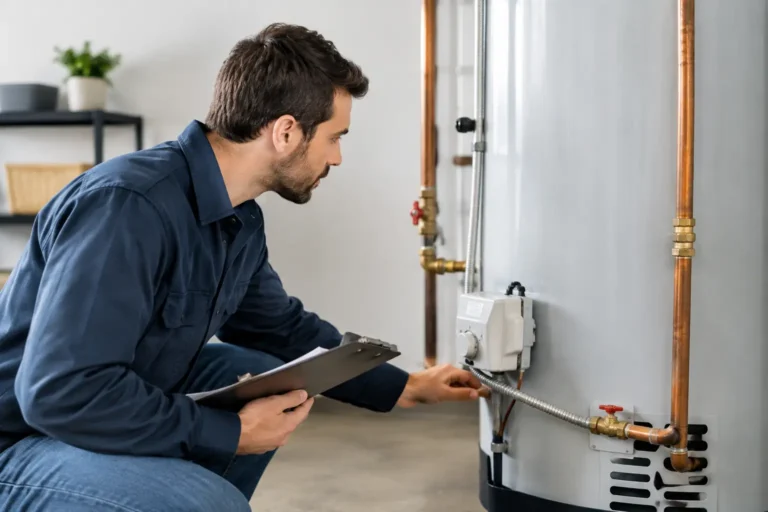
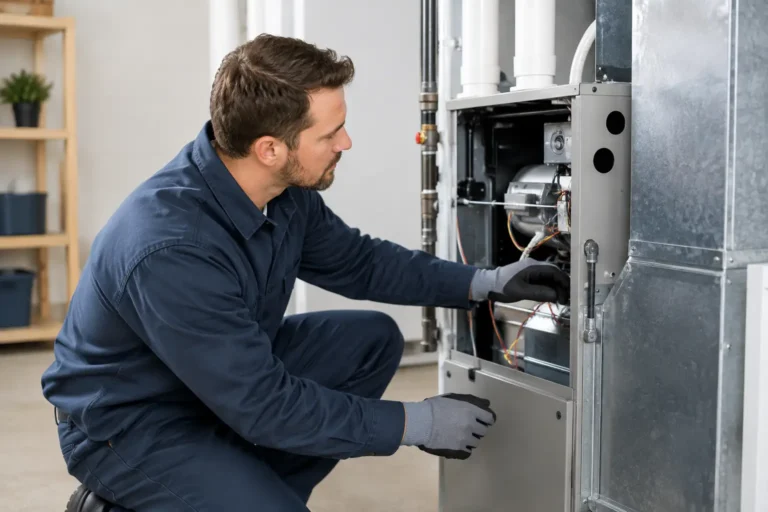
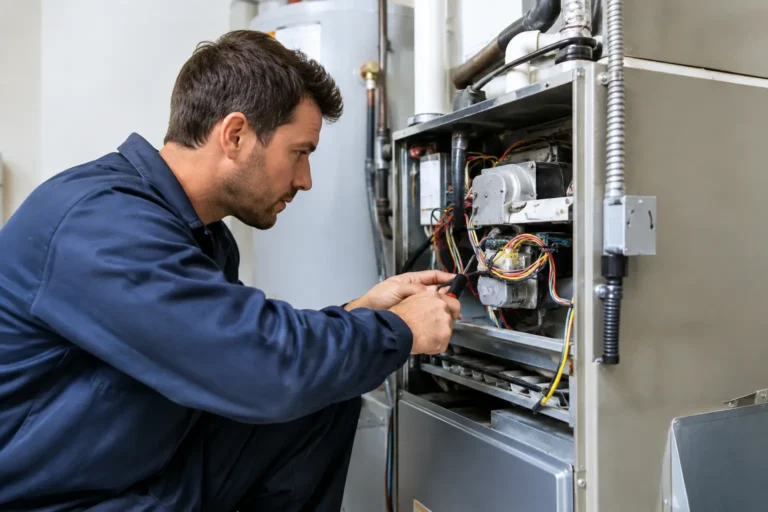
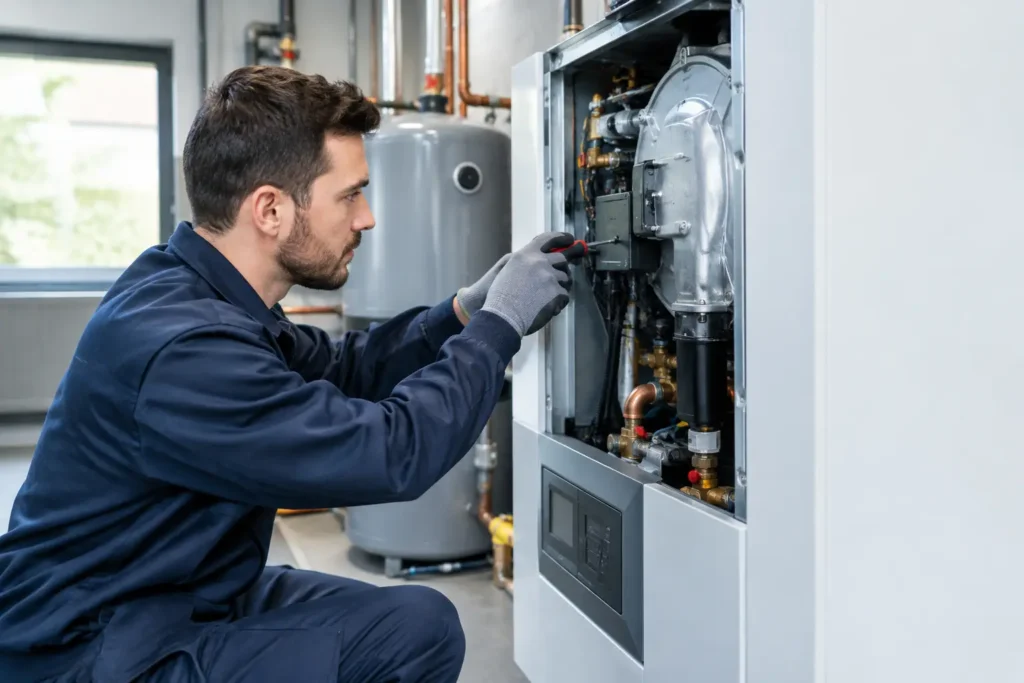
The scope depends on the boiler type, age, usage, and maintenance history, but a qualified technician will typically inspect the burner and ignition sequence, heat exchanger condition, venting, gas connections, pumps, valves, pressure controls, expansion components, and system water pressure. They should also test operational and safety controls, review error codes where applicable, and check for leaks, unusual noises, corrosion, or signs of incomplete combustion.
For hydronic systems, the technician should consider the system around the boiler as well. A boiler may be operating correctly while circulation problems, failing zone valves, air in the lines, or a weak pump leave parts of the building underheated. Looking at the full system helps avoid repeat calls that only treat the most visible symptom.
Why Planned Service Costs Less Than an Emergency
Emergency boiler repairs are sometimes unavoidable. A control can fail without warning, a component can reach the end of its life, or a leak can develop quickly. However, many costly breakdowns give warning signs first: unstable pressure, frequent lockouts, delayed ignition, inconsistent heat, rising gas use, water around the equipment, or staff needing to reset the boiler repeatedly.
Planned servicing creates an opportunity to act on those signs while there is time to make a decision. A property manager can schedule access, notify tenants if needed, approve a repair with clear pricing, and avoid the cost and disruption of an after-hours shutdown.
It also helps with budgeting. If a technician finds a worn pump, deteriorating vent connection, unreliable ignition component, or heat exchanger concern, the owner can weigh repair against replacement before the equipment fails completely. The right choice depends on the unit’s condition, repair history, efficiency, and the building’s heating demand. Replacing a part on an otherwise sound boiler can be sensible. Repeatedly repairing an aging, inefficient unit may not be.
The Risks of Deferring Boiler Maintenance
Deferring service can feel practical when the boiler is still heating the building. But commercial equipment often works hardest during the periods when access to fast repairs is most difficult. A small issue can become a building-wide problem at the exact time residents, customers, or employees need heat and hot water.
There is also a safety reason to keep service current. Gas-fired boilers require properly functioning combustion and venting systems. Damaged venting, blocked air supply, gas leaks, or unsafe combustion conditions require immediate attention from a qualified, licensed professional. Building staff should never attempt to adjust gas components, bypass a safety control, or keep resetting equipment that has shut down repeatedly.
Even when there is no immediate hazard, poor maintenance can waste energy. Scale, dirty components, incorrect operating settings, and circulation issues may force a boiler to work harder than necessary. The result can be higher utility costs and less consistent comfort across the property.
How Often Should a Commercial Boiler Be Serviced?
Most commercial boilers benefit from professional service at least once a year, ideally before the heavy heating season. High-use buildings, older systems, properties with multiple boilers, and sites that depend on boilers for domestic hot water may need more frequent checks or a tailored maintenance plan.
Timing matters. Scheduling in late summer or early fall gives time to address findings before cold weather places the system under full load. That said, service should not wait if occupants report uneven heat, the boiler begins locking out, pressure drops, fuel bills climb unexpectedly, or equipment is making unfamiliar sounds.
A service schedule should reflect the property rather than follow a one-size-fits-all rule. A small office with limited operating hours has different needs than an apartment building, restaurant, strata property, warehouse, or mixed-use site with continuous hot-water demand.
Records That Make Property Management Easier
Service documentation is useful long after the technician leaves. Keeping a simple record of inspections, repairs, parts replaced, pressure readings, recurring faults, and recommendations makes it easier to spot patterns. It also gives incoming property managers and owners a clear history of the equipment.
This record can support better replacement planning. If the same component has failed more than once, the boiler is increasingly difficult to source parts for, or service calls are becoming more frequent, it may be time to request options for replacement. A professional assessment should explain the condition of the existing system, the practical repair path, and what an upgraded system could change in terms of reliability and operating cost.
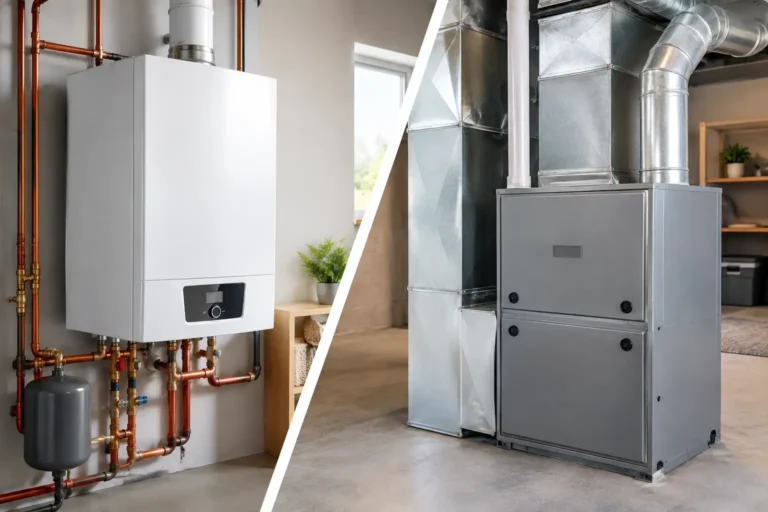
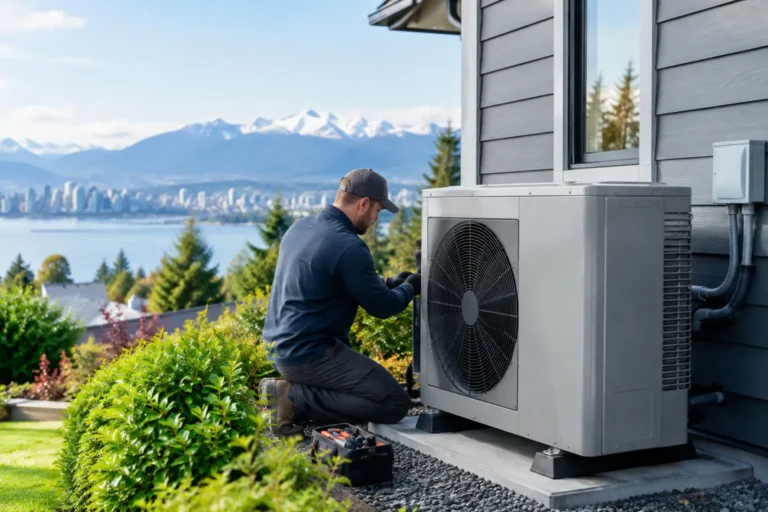
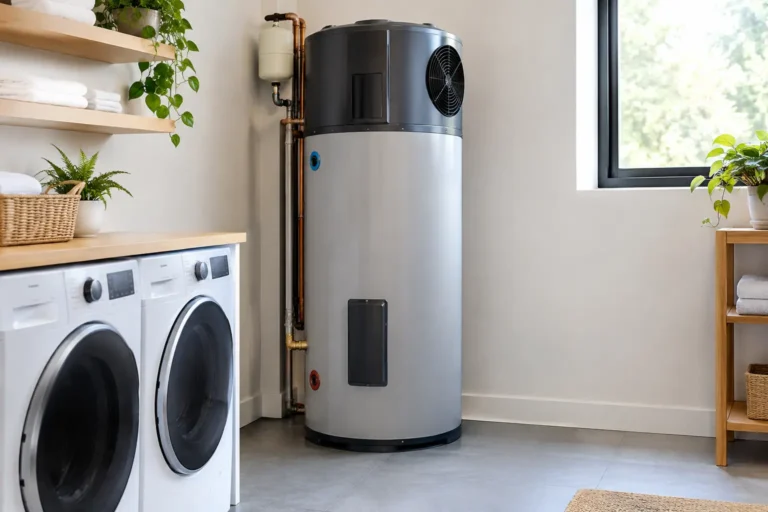
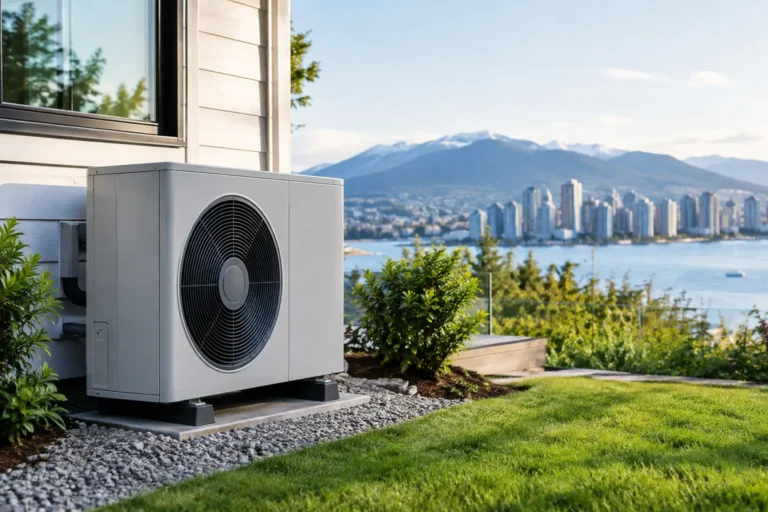
For buildings considering broader energy upgrades, it can also be worth reviewing whether heat pumps or heat pump water-heating equipment could complement or replace part of the existing load. Available government incentives can affect project costs, but eligibility, equipment selection, and installation requirements vary. The first step is understanding what the building actually needs rather than choosing equipment based on incentives alone.
Choosing a Contractor for Commercial Boiler Service
Commercial boiler work calls for more than a quick inspection. Choose a contractor that is licensed, bonded, insured, experienced with combustion equipment, and able to respond when a heating issue cannot wait. Clear communication matters as much as technical work: decision-makers need to know what was found, what needs immediate action, what can be planned, and what the cost will be before work proceeds.
For landlords and property managers, responsiveness is especially important. A contractor should understand that a boiler issue affects more than equipment. It affects tenants, lease obligations, business operations, and the reputation of the property team.
FlameCo Heating Services provides commercial boiler service, repair, and replacement support across the Lower Mainland, with licensed work, straightforward pricing, and 24/7 emergency availability when a heating or hot-water failure needs immediate attention.
When to Call for Service Now
Do not wait for a scheduled visit if the boiler smells of gas, shows signs of leaking, repeatedly shuts down, produces unusual banging or whistling sounds, cannot maintain heat, or triggers occupant complaints across multiple areas. Shut off equipment only if it is safe to do so and follow your building’s emergency procedures. For a suspected gas leak or immediate safety concern, leave the area and contact the appropriate emergency service before arranging repair.
For less urgent concerns, an early service call is still the sensible move. A boiler that needs frequent resets or delivers inconsistent heat is telling you something. Addressing it while the building is operational and access can be coordinated is usually the calmest, least disruptive way to protect comfort, safety, and your maintenance budget.