A furnace replacement rarely arrives at a convenient time. It usually starts with uneven rooms, rising gas bills, repeated repair calls, or a system that quits during a cold Lower Mainland night. Knowing how to choose furnace equipment before agreeing to a quote helps you protect your comfort, budget, and household safety for years to come.
The right answer is not simply the highest-efficiency model or the largest unit a budget will allow. Your home’s heat loss, ductwork, fuel supply, occupancy, and plans for a heat pump all affect the best choice. A qualified contractor should explain those factors clearly, not pressure you into a one-size-fits-all replacement.
How to Choose a Furnace That Fits Your Home
Start with capacity, measured in BTUs. A furnace that is too small may run continuously and still leave rooms cold. A furnace that is too large creates a different problem: it heats the house too quickly, shuts off, and restarts repeatedly. This short cycling can increase wear, reduce comfort, and make temperatures less consistent from room to room.
Square footage is only a starting point. A proper sizing recommendation should account for insulation, window quality and orientation, ceiling height, air leakage, basement conditions, number of occupants, and the design temperature in your area. A newer, well-insulated Maple Ridge home may need far less heating capacity than an older home of the same size.
Ask the contractor whether they will perform a heat-loss calculation. This is more dependable than replacing your current furnace with the same BTU rating, especially if you have upgraded windows, added insulation, finished a basement, or built an addition. Your old furnace may have been oversized from day one.
For apartment owners and property managers, sizing also needs to reflect the specific suite or commercial area being served. One oversized central system can create tenant comfort complaints just as easily as an undersized one.
Choose the Right Fuel and System Type
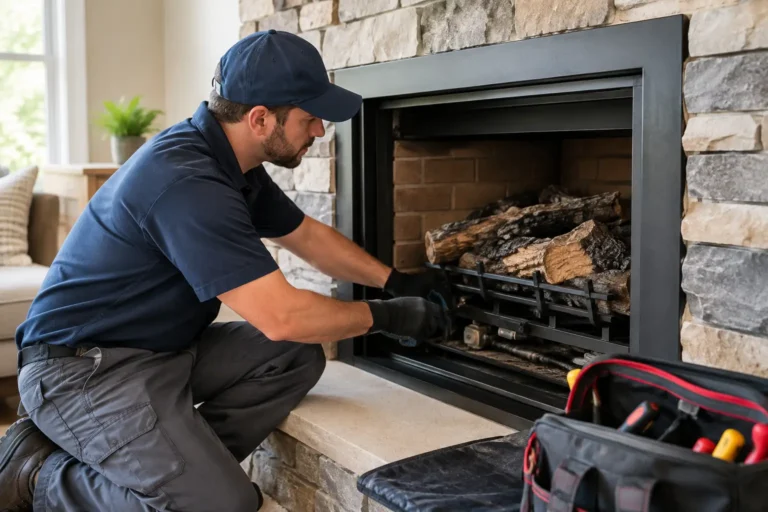
Most homes with existing natural gas service will use a gas furnace. Modern gas furnaces provide reliable heat and can work with existing duct systems, but the installation must include correct venting, combustion air, gas piping, and safety testing. This is licensed work, not a place to cut corners.
Electric furnaces may suit properties without gas service, though operating costs can be higher depending on local electricity rates and the building’s heating demand. In some situations, an electric system makes sense as part of a broader electrification plan.
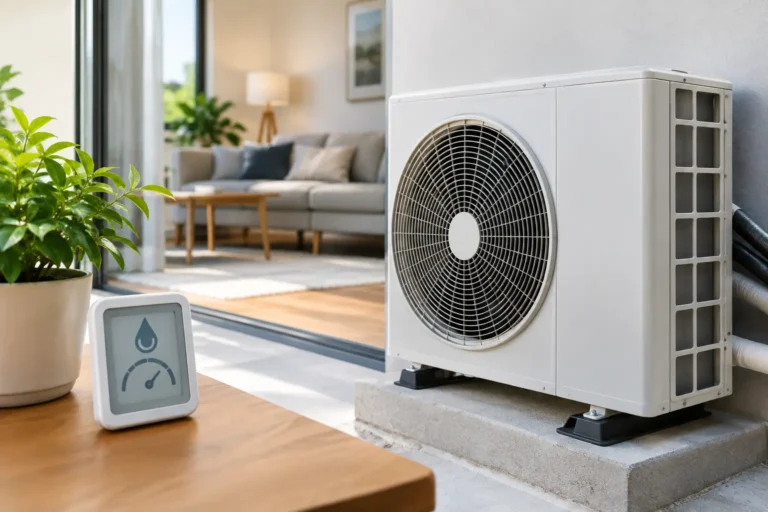
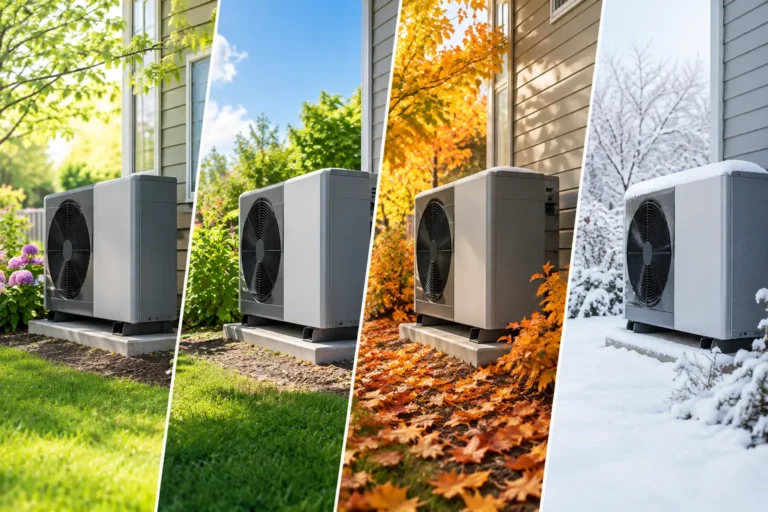
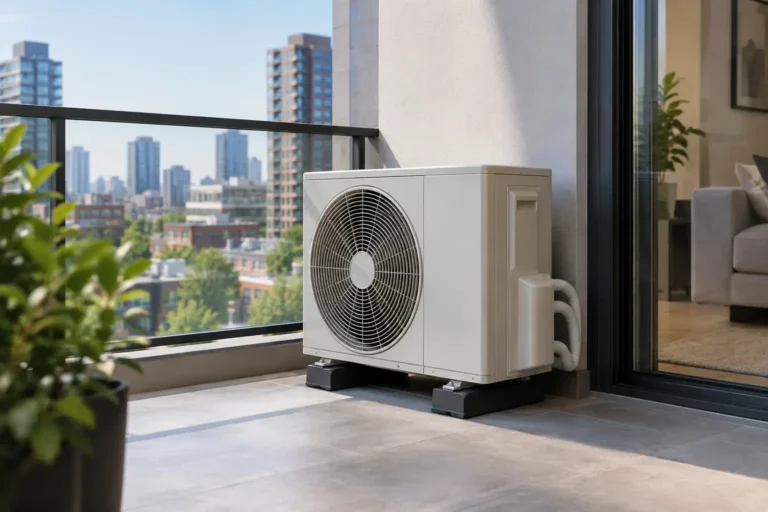
Many Lower Mainland homeowners should also consider a heat pump before replacing a furnace on its own. Heat pumps provide both heating and air conditioning, and their mild-climate performance can significantly reduce gas use. A dual-fuel setup pairs a heat pump with a gas furnace: the heat pump handles much of the heating season, while the furnace takes over when outdoor temperatures drop or additional heat is needed.
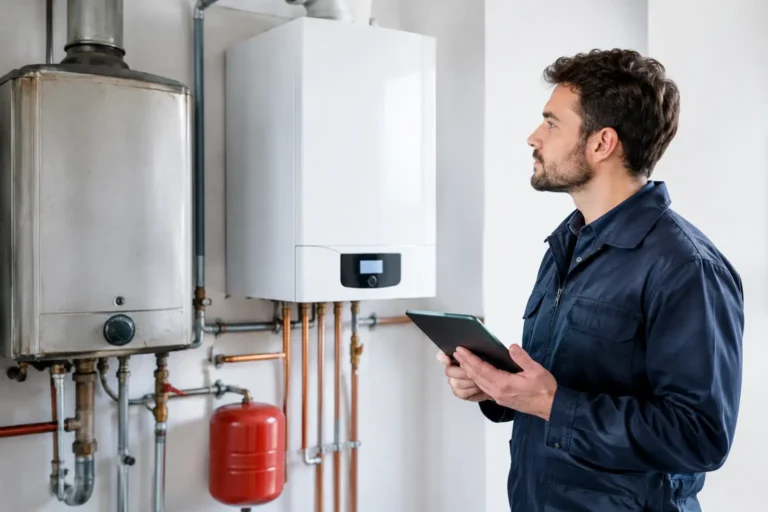
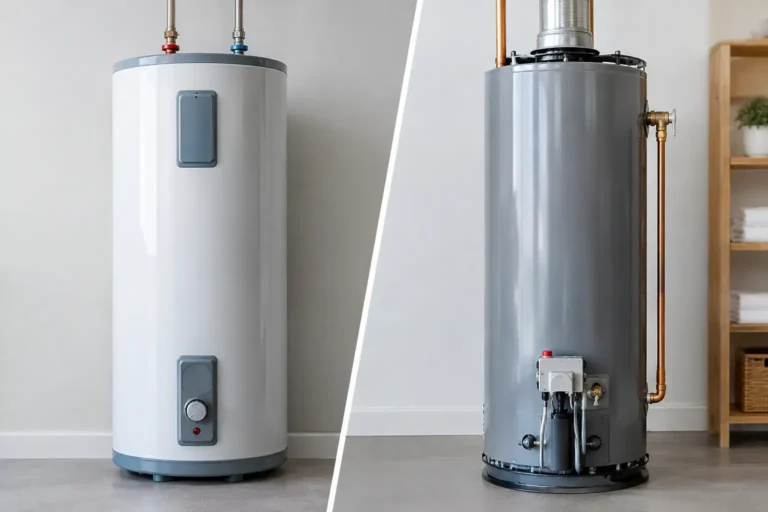
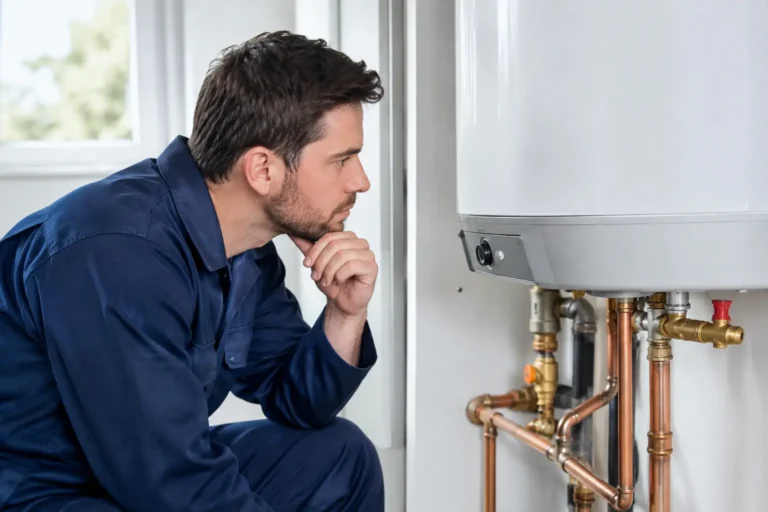
That approach costs more upfront than a furnace-only replacement, but it may improve year-round comfort and give you access to available government incentives for qualifying heat pump upgrades. Incentives can change, and eligibility depends on the equipment, home, and program requirements, so confirm the current details before making a decision. If your water heater is also nearing the end of its life, ask about government incentives for heat pump water tanks as part of the same planning conversation.
Compare Efficiency Without Paying for Features You Will Not Use
Gas furnace efficiency is shown by AFUE, or Annual Fuel Utilization Efficiency. A 96% AFUE furnace converts roughly 96% of its fuel into usable heat over a typical season, while a lower-efficiency unit wastes more heat through venting.
Higher efficiency generally lowers fuel consumption, but the best choice depends on your heating bills, how long you expect to own the property, and the added installation requirements. High-efficiency furnaces use sealed combustion and require PVC venting and condensate drainage. A good installer will confirm that the vent route, drain location, and electrical connections are suitable before promising a model.
Also consider how the furnace delivers heat. A single-stage furnace is either on or off. It is usually the simplest and least expensive option. A two-stage furnace can run at a lower output for longer periods, improving temperature consistency and reducing abrupt swings. A modulating furnace adjusts its output more precisely and is often the best option for homeowners who value quiet, steady comfort.
The blower motor matters as well. Variable-speed blowers can improve airflow, reduce noise, support better filtration, and help with air conditioning or heat pump performance. They are especially worth discussing if some rooms are always warmer or colder than others. Still, no blower upgrade can fully solve damaged, undersized, or poorly balanced ducts.
Check the Ductwork, Air Quality, and Venting
A new furnace is only one part of a heating system. Before installation, have the contractor inspect accessible ductwork for leaks, loose connections, restricted returns, and sizing problems. Leaky ducts can send heated air into crawlspaces, garages, or unfinished areas instead of the rooms where you need it.
Airflow also affects furnace reliability. A severely clogged filter, undersized return duct, or blocked supply register can cause overheating and premature shutdowns. If your home has dust concerns, pets, allergies, or frequent smoke exposure, ask which filter rating your system can handle without restricting airflow.
For gas furnaces, safe venting and carbon monoxide protection are essential. Keep working carbon monoxide alarms outside sleeping areas and follow local placement requirements. If you smell gas, hear hissing near a gas line, or a carbon monoxide alarm activates, leave the area if needed and treat it as an urgent safety issue. Do not attempt to diagnose gas equipment yourself.
Look Beyond the Furnace Price
The lowest quote is not always the lowest cost of ownership. Compare proposals based on the complete scope of work: equipment model, efficiency rating, thermostat, venting, condensate management, electrical work, duct modifications, permits, startup testing, warranty coverage, and removal of the old unit.
A vague quote leaves room for unexpected charges after work begins. Request clear pricing and ask what conditions could change the final cost. Older homes can reveal issues such as corroded venting, inadequate electrical service, inaccessible duct connections, or code upgrades, but a thorough site assessment reduces surprises.
It also helps to think about timing. Replacing an aging furnace before it fails gives you time to compare options, review financing, and decide whether a heat pump or air-conditioning upgrade belongs in the project. Waiting until an emergency can narrow your choices, particularly during a cold-weather service rush.
Choose an Installer Who Is Accountable for Safety
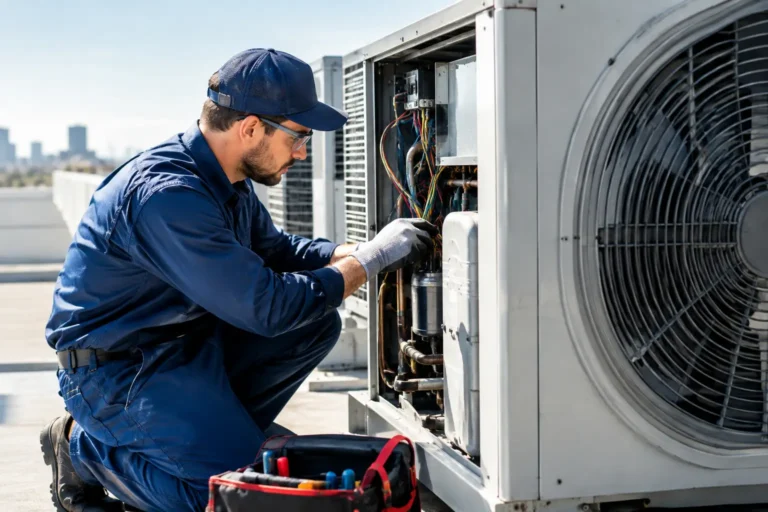
The equipment brand matters, but installation quality has a major effect on comfort, efficiency, and lifespan. Choose a contractor that is licensed, bonded, and insured for HVAC and gas work, provides a written scope, and can service the equipment after installation. Ask who will handle permits, commissioning, warranty registration, and any future repair calls.
A professional startup should include checking gas pressure, verifying temperature rise, confirming venting and condensate drainage, testing safety controls, and reviewing thermostat operation. You should also receive guidance on filter changes, maintenance intervals, and warning signs that require service.
FlameCo Heating Services provides furnace, heat pump, air-conditioning, gas, and hot-water equipment support across Maple Ridge and the Lower Mainland, with licensed service and transparent quote options. That full-system perspective is useful when a furnace decision affects cooling, ventilation, indoor air quality, or gas appliances elsewhere on the property.
Plan for Maintenance From Day One
Even a premium furnace needs routine care. Check the filter regularly during the heating season and replace it as recommended for your system and household conditions. Keep supply and return vents open and clear, and schedule professional maintenance to inspect combustion components, electrical connections, drainage, airflow, and safety controls.
If your current furnace is repeatedly locking out, making new noises, producing uneven heat, or requiring frequent repairs, do not assume maintenance alone will solve the problem. An honest assessment should compare the repair cost, remaining expected life, efficiency loss, and safety condition against replacement.
The best furnace is the one sized for your actual home, installed safely, and supported by a contractor who will still answer the phone after the job is complete. Take the time to ask for a load calculation and a complete written scope before you decide. That small amount of preparation can turn an urgent replacement into dependable comfort for many winters ahead.