A cold shower is inconvenient. Water pooling around a hot-water tank, rusty water from the tap, or a gas smell near the equipment is a different kind of problem. Knowing when to replace a water heater helps you avoid water damage, higher utility bills, and an emergency failure at the worst possible time.
For homeowners, landlords, and property managers, replacement is not always the first answer. A newer unit with a failed valve, thermostat, or igniter may be worth repairing. But once a tank is aging, leaking, or becoming unreliable, putting money into repeated repairs can cost more than planning a safe replacement.
When to Replace a Water Heater Instead of Repairing It
The age of the equipment is a useful starting point. Most conventional tank water heaters last about 8 to 12 years, although water quality, maintenance history, installation quality, and household demand can shorten or extend that range. Check the manufacturer label for the serial number and installation date if it is available.
Age alone does not automatically mean the tank needs replacement. A well-maintained 10-year-old unit that heats reliably and has no corrosion may still have useful life left. On the other hand, a 6-year-old tank with visible rust, leaks, or recurring breakdowns needs prompt professional attention.
The decision usually comes down to the condition of the tank, the cost of the repair, and the risk of waiting. If a repair is minor and the unit is relatively young, repair often makes sense. If the tank itself is failing, replacement is the safer choice because internal tank damage cannot be reliably repaired.
1. There Is Water Around the Base of the Tank
Moisture around a water heater should never be ignored. First, it needs to be determined whether the water is coming from a fitting, the temperature-and-pressure relief valve, a drain connection, or the tank itself. A loose connection or faulty valve may be repairable.
If water is seeping from the tank body or collecting beneath it without an obvious external source, the internal liner may have failed. Tanks corrode from the inside over time. Once the tank wall is compromised, it can leak slowly or fail suddenly. Replacement is generally the only dependable solution.
For a tank located in a finished basement, utility closet, apartment, or commercial space, even a small leak can lead to costly flooring, drywall, and tenant-disruption issues. Shut off the water supply if the leak is active and arrange service right away.
2. Your Hot Water Is Rusty, Discolored, or Has Sediment
Brown, red, or rusty hot water can point to corrosion inside the tank. Before assuming the water heater is responsible, compare the hot and cold water at several fixtures. If discoloration appears only on the hot side, the tank or its connections are likely involved.
Sediment is another common concern. Minerals settle at the bottom of a tank and can create rumbling, popping, or banging sounds as the burner or heating elements work. Sediment reduces efficiency and may contribute to overheating and premature wear.
Flushing can help when sediment is caught early, particularly on a newer tank. It will not reverse severe corrosion or restore a tank that has already become unreliable. When rusty water, heavy noise, and advanced age occur together, replacement is usually the practical call.
3. The Water Heater Makes Loud Popping or Rumbling Sounds
Some operating noise is normal, especially as a water heater heats up. Sharp popping, loud rumbling, or repeated banging is not something to dismiss. In a gas tank, hardened sediment can trap water beneath it, forcing the burner to work harder and creating excess heat at the bottom of the unit.
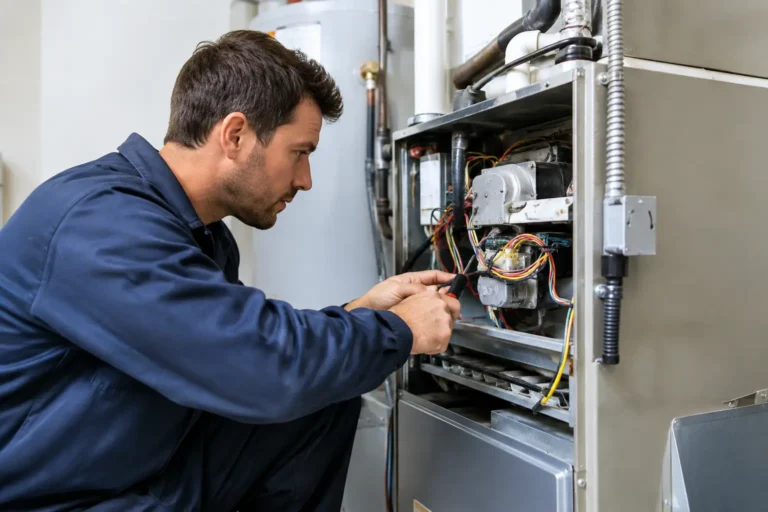
In an electric water heater, scale buildup can affect heating element performance. A technician can identify whether maintenance or a component repair is appropriate. But if an older tank is noisy, inefficient, and struggling to maintain temperature, spending heavily on repairs may only delay replacement.
4. Hot Water Runs Out Much Faster Than It Used To
If your household has not changed but showers turn cold sooner, the tank may be losing capacity or one of its heating components may be failing. Electric units can have a failed element or thermostat. Gas units may have burner, ignition, venting, or control issues. These problems can often be repaired when the tank is otherwise sound.
A tank that is full of sediment has less usable water volume, however. An aging household may also outgrow its existing capacity as more people move in, bathrooms are added, or commercial use changes. Replacement offers an opportunity to size the system correctly rather than simply installing the same capacity again.
For rental and multi-unit properties, reduced hot-water performance can quickly turn into repeated tenant calls. A planned replacement is often less disruptive than waiting for an aging unit to fail during a busy morning or cold-weather service period.
5. Your Energy Bills Keep Rising
A water heater does not need to stop working completely to become expensive. As tanks age, sediment buildup and worn components can make them less efficient. The equipment may run longer to provide the same amount of hot water, increasing gas or electric consumption.
It is worth comparing the cost of a repair with the operating cost of keeping the existing unit. A less expensive repair can be sensible, but not if it leaves you with an inefficient system near the end of its service life. A clear quote should separate immediate repair costs from replacement options so you can make the decision without surprise charges.
6. Repairs Are Becoming Frequent or Expensive
One repair does not mean you need a new water heater. A pilot issue, thermostat problem, anode rod replacement, or valve repair can be routine service. The concern is the pattern: multiple calls, repeat failures, declining performance, and repair bills adding up on equipment that is already near its expected lifespan.
A useful rule is to consider replacement when a major repair costs a meaningful portion of a new installed system, especially if the existing tank is more than eight years old. The exact threshold depends on the repair, the tank’s condition, and your budget. A professional inspection should identify whether the problem is a serviceable component or a failing tank.
7. The Tank Has Visible Corrosion or a Damaged Vent
Rust on surface fittings is not always an emergency, but widespread corrosion around the tank, connections, or burner compartment deserves attention. Corrosion can signal slow leaks and can weaken connections that need to remain secure.
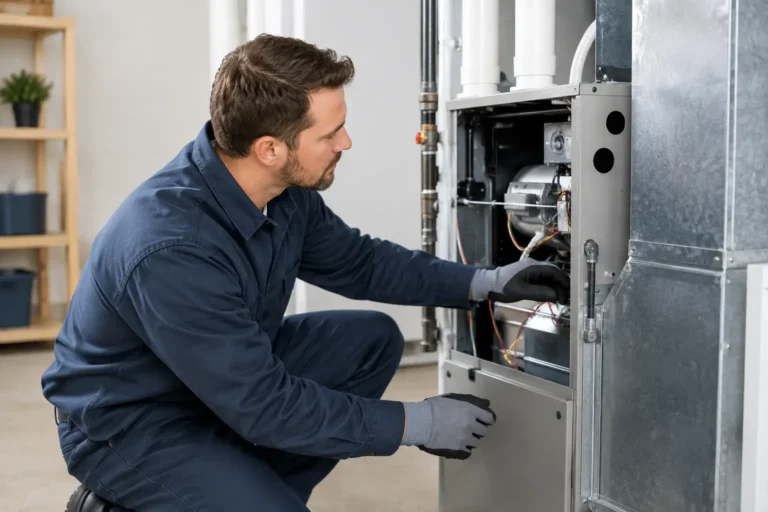
For gas water heaters, venting is equally critical. Loose vent pipes, corrosion, soot marks, condensation damage, or improper draft can create combustion and carbon monoxide risks. Do not attempt to modify gas piping, burners, or venting yourself. Turn off the unit if you smell gas, leave the area if the odor is strong, and contact a qualified professional or emergency service provider.
8. You Want a More Efficient Hot-Water System
Replacement can be proactive, not just reactive. If your existing unit is nearing the end of its life, upgrading before it fails gives you time to compare equipment, plan installation, and select a system that matches the property.
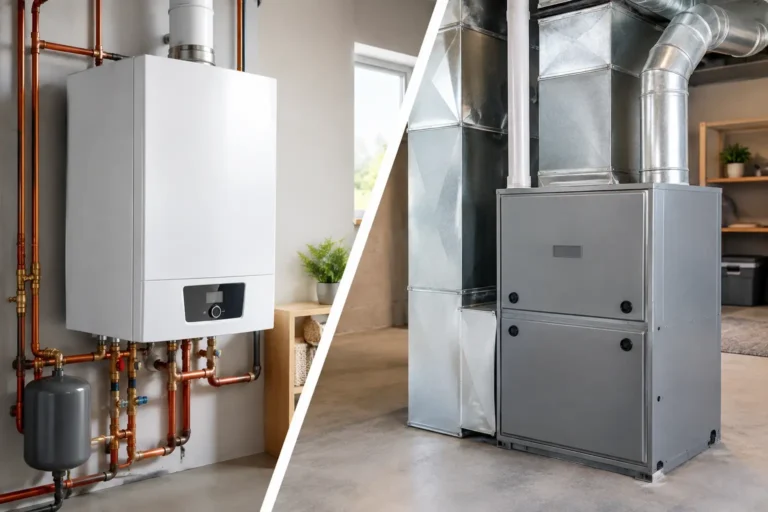
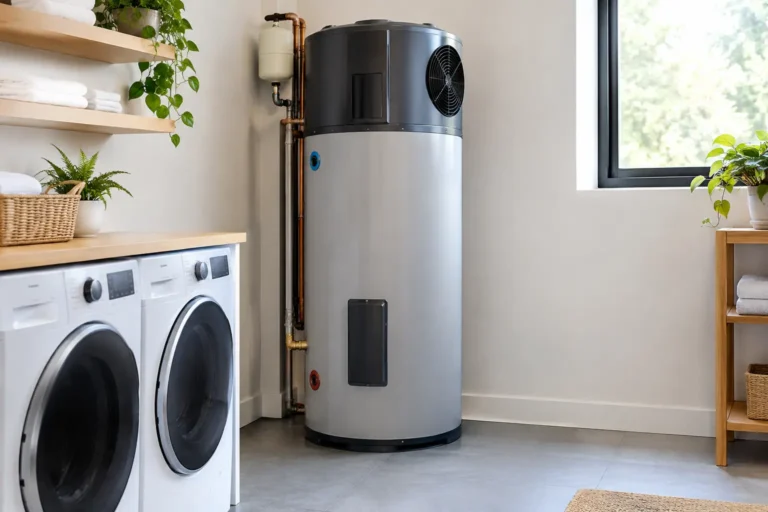
A standard tank remains a practical choice for many homes because it is familiar, dependable, and often has a lower upfront cost. Tankless water heaters can provide continuous hot water when properly sized, but installation requirements and upfront costs can be higher. Heat pump water heaters use significantly less electricity in the right location, though they need suitable space, airflow, and drainage and may cool the room around them.
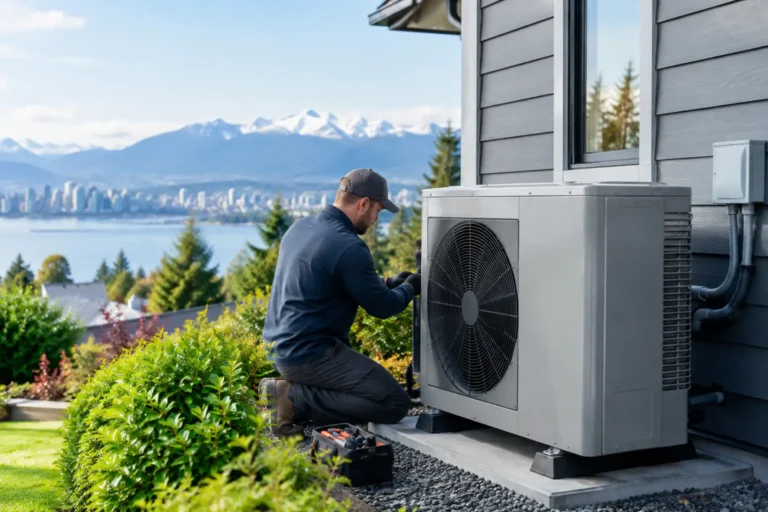
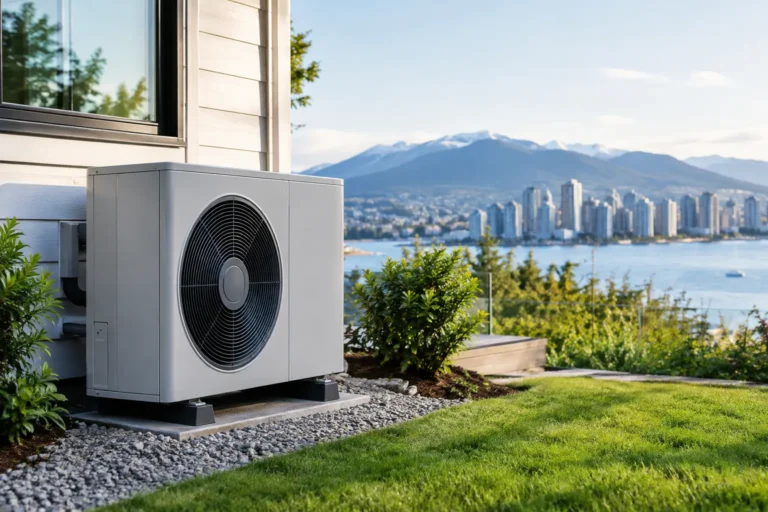
Available government incentives for heat pumps and heat pump water tanks may help reduce the cost of an energy-efficient upgrade. Eligibility, available funding, and installation requirements can change, so confirm the current program details before choosing equipment based on a rebate.
Choose Replacement Based on the Whole System
Water heater replacement is more than swapping one tank for another. Correct sizing, fuel type, electrical capacity, venting, drainage, shutoff valves, expansion protection, and local code requirements all matter. A replacement should also account for the number of occupants, peak shower use, laundry and dishwasher demand, and any commercial hot-water needs.
For gas equipment, licensed installation is particularly important. Improper gas, venting, or combustion work can put people and property at risk. FlameCo Heating Services provides licensed, bonded, and insured hot-water equipment service across Maple Ridge, Metro Vancouver, and the Lower Mainland, with transparent replacement quotes and emergency support when a failure cannot wait.
If your water heater is leaking, producing rusty water, making alarming noises, or nearing the end of its expected life, arrange an inspection before a manageable issue turns into an after-hours flood. A clear assessment now gives you the time to choose a safe, efficient replacement on your terms.