
A bedroom that feels like a sauna while the living room stays chilly is more than an inconvenience. It can mean wasted energy, higher utility bills, uncomfortable tenants, and a heating system that is working harder than it should. Knowing how to fix uneven heating starts with identifying whether the problem is airflow, controls, insulation, equipment capacity, or a safety-related mechanical issue.
Some causes are simple enough to check yourself. Others require a qualified HVAC technician, especially when gas appliances, electrical components, boilers, heat pumps, or duct modifications are involved. The goal is not just to make one cold room warmer. It is to restore balanced, reliable comfort throughout the property.
Start With the Easy Airflow Checks
Before assuming the furnace or heat pump has failed, look for restrictions that prevent heat from reaching certain rooms. A blocked return vent, a dirty filter, or furniture placed over a supply register can create a major temperature difference surprisingly quickly.
Walk through the home while the heat is running. Make sure supply registers are open and unobstructed, particularly in rooms that stay cold. Check return-air grilles as well. Returns pull room air back to the system to be reheated, so blocking them with a couch, rug, storage bin, or curtains disrupts circulation.
Next, inspect the furnace filter. A filter packed with dust limits airflow across the equipment and through the ductwork. That can leave distant rooms underheated while adding strain to the blower motor. Most standard filters should be checked monthly during heavy heating use and replaced when dirty. The proper replacement schedule depends on filter type, pets, renovations, and household dust levels.
Do not close off multiple vents in warm rooms to force heat toward cold rooms. Closing one register slightly can sometimes help with a minor imbalance, but shutting too many vents raises static pressure in the duct system. That can make the equipment noisier, reduce efficiency, and potentially cause avoidable repairs.
Check Thermostat Settings and Room Conditions
A thermostat can only respond to the temperature where it is installed. If it sits near a sunny window, fireplace, kitchen, or supply vent, it may register warmth while bedrooms or lower levels remain cold. This is common in homes with a single central thermostat and several floors.
Confirm that the thermostat is set to heat and that the fan setting is appropriate. With many forced-air systems, setting the fan to “on” instead of “auto” can improve air mixing between cycles. It will use more electricity than allowing the fan to stop between heating calls, so it is best viewed as a comfort adjustment rather than a cure for a serious airflow problem.
Also consider the room itself. Large windows, drafty doors, uninsulated exterior walls, and rooms over garages lose heat faster than central rooms. If one room has a consistent problem during cold weather, the heating system may be delivering air properly but the room may not be retaining it.
Warning signs that point beyond a simple thermostat adjustment include:
- One or more rooms receive little or no air from open supply registers.
- The furnace, boiler, or heat pump runs for long periods without reaching the set temperature.
- Temperature differences are worse on a particular floor or at the far end of the building.
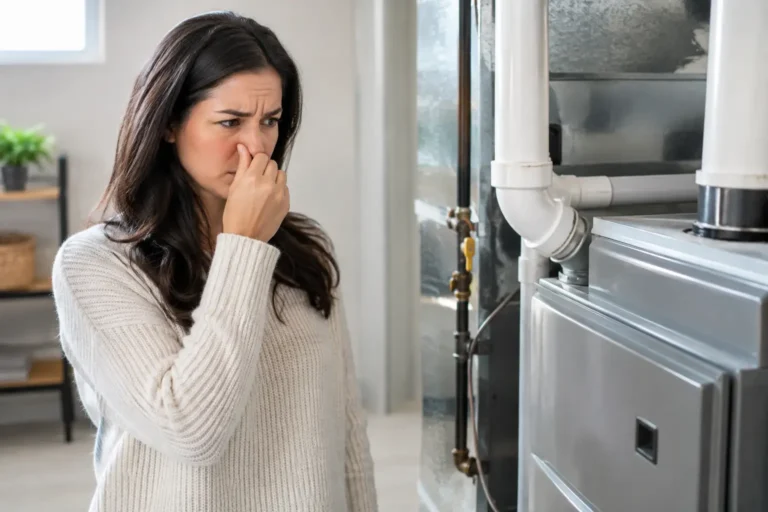
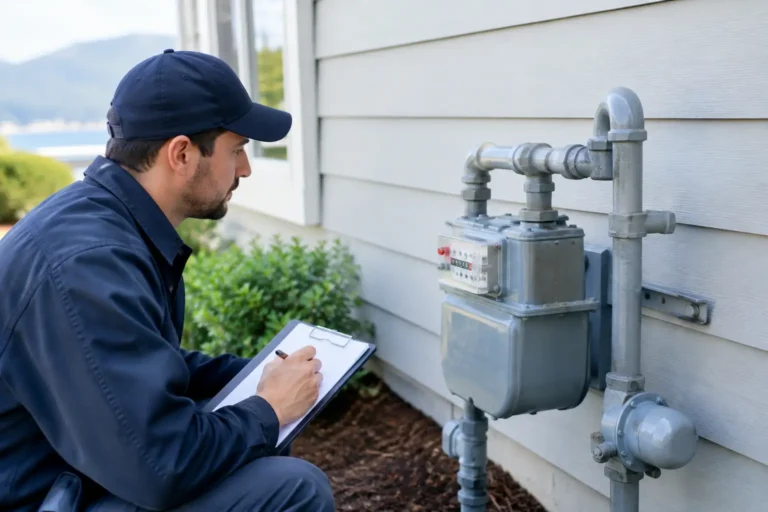
- You notice burning smells, repeated system shutdowns, water around a boiler, or a gas odor.
A gas odor, suspected carbon monoxide issue, or signs of combustion trouble should never be treated as an airflow project. Leave the area if necessary, follow emergency safety guidance, and contact qualified help immediately.
How to Fix Uneven Heating Caused by Duct Problems
For homes with forced-air furnaces or central heat pumps, ductwork is often the real source of uneven heating. Heated air follows the path of least resistance. If ducts are leaking, disconnected, undersized, poorly insulated, or incorrectly balanced, rooms will not receive the airflow they need.
Duct leaks are especially common in attics, crawl spaces, garages, and unfinished basements. A loose connection can send heated air into an unconditioned area instead of the room above it. Insulation matters too. Long runs through a cold attic can lose heat before the air reaches the register.
A technician can measure airflow, inspect accessible ductwork, and test static pressure to determine whether the system is moving air as designed. Depending on the findings, the repair may involve sealing connections, insulating ducts, correcting crushed flex duct, adding or adjusting balancing dampers, or modifying a poorly designed run.
Balancing dampers are manual controls located within duct branches. Unlike supply registers, they are intended to regulate airflow to different areas of the house. Proper adjustment takes patience and should be done gradually because a change in one branch can affect other rooms. If your ducts do not have dampers, installing them may be worthwhile during a larger duct renovation, but it is not always necessary for a small comfort issue.
Older homes can present another complication: the original duct system may have been designed for a smaller furnace or a different layout before an addition, basement suite, or renovation. Replacing equipment without evaluating duct capacity can leave the same comfort problems in place.
Equipment Issues That Need Professional Service
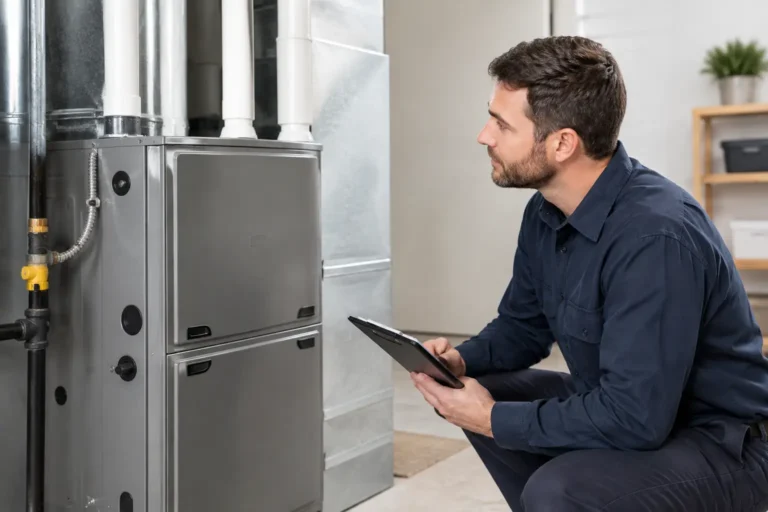
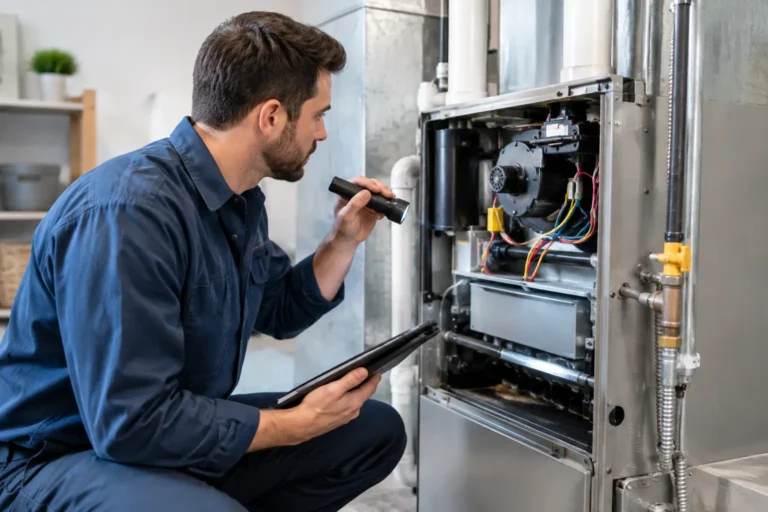
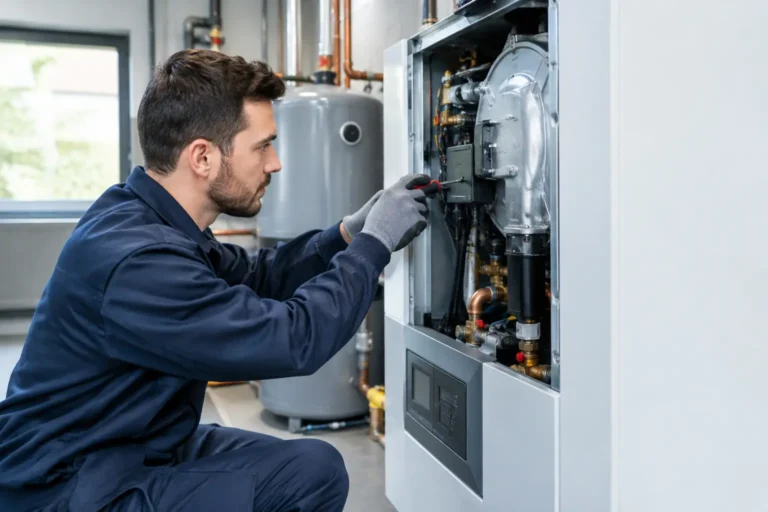
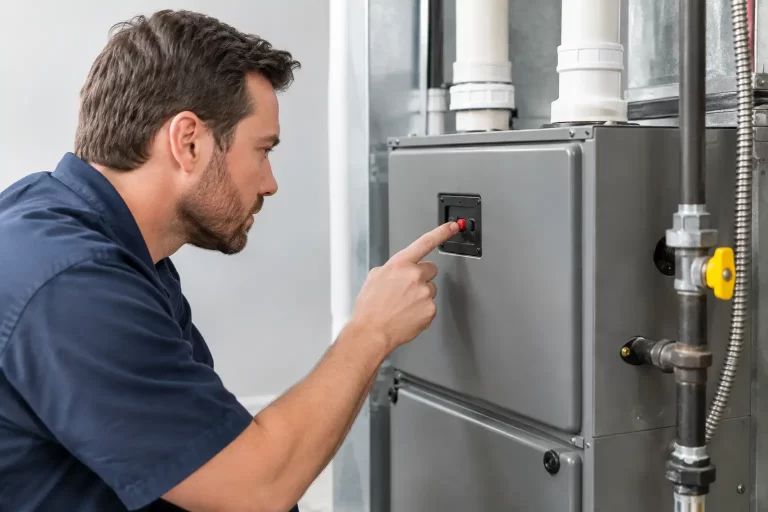
If airflow seems weak throughout the property, the issue may be inside the heating equipment. A failing blower motor, dirty evaporator coil, restricted secondary heat exchanger, malfunctioning zone control, or incorrect fan speed can reduce the amount of heated air delivered to rooms.
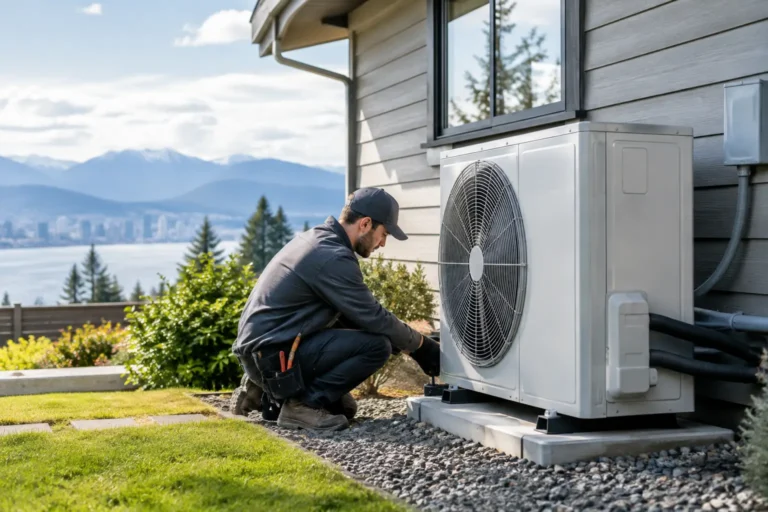
Heat pumps can also produce uneven comfort when airflow is restricted, refrigerant performance is compromised, or the system is not sized for the home. During colder weather, a heat pump’s capacity and defrost operation affect how consistently it heats. Supplemental heat may be necessary in some properties, but frequent reliance on backup heat deserves a professional assessment.
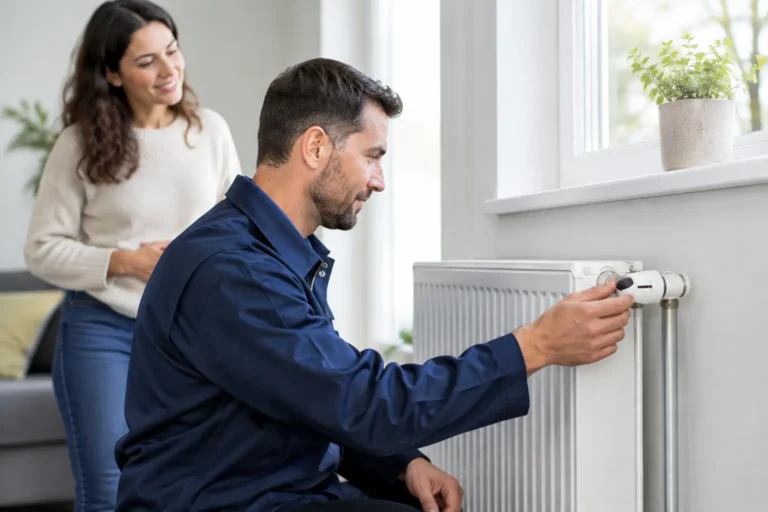
Boiler-heated homes have a different set of causes. Cold radiators or baseboards may result from trapped air, a circulation pump issue, closed valves, low system pressure, sludge buildup, or an improperly balanced hydronic loop. Bleeding a radiator may sound straightforward, but boiler systems involve hot water, pressure, electrical controls, and sometimes gas combustion. Property owners should avoid making pressure or combustion adjustments without qualified service.
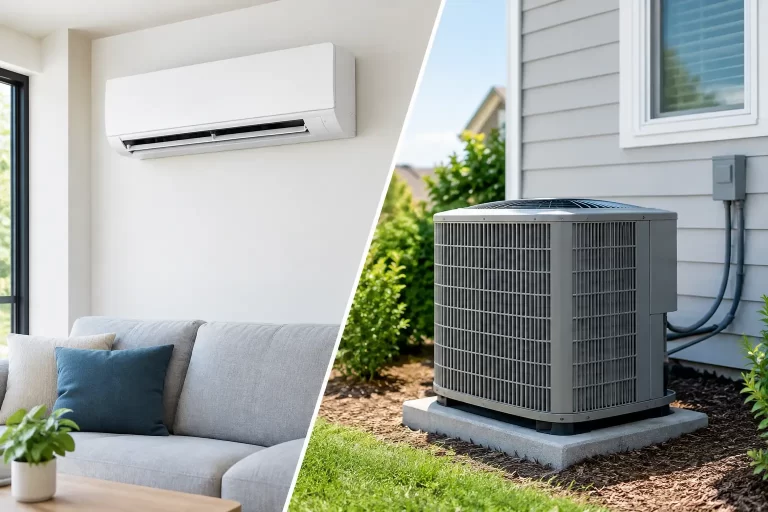
Mini-splits can be excellent for solving room-by-room comfort problems, particularly in additions, suites, upper floors, and spaces without practical duct access. However, they need proper sizing and placement. An oversized unit can cycle too quickly, while a poorly located indoor head may not distribute heat where occupants need it most.
Look at Insulation and Air Leaks Before Replacing Equipment
A new furnace or heat pump cannot fully compensate for a room that loses heat as fast as it receives it. If the coldest areas are near exterior walls, windows, patio doors, attic hatches, or attached garages, improving the building envelope may provide the most lasting result.
Start with visible gaps around windows and doors. Weatherstripping and caulking are modest repairs that can reduce drafts. Attic insulation and air sealing often have a larger impact, especially in top-floor bedrooms. For landlords and property managers, addressing these conditions can improve tenant comfort without driving every complaint toward the heating equipment.
There is a trade-off. Insulation upgrades, window work, and duct improvements can require a larger upfront investment than a service call. But replacing an otherwise functional system with a larger unit is rarely the best answer. Oversized equipment may short-cycle, wear faster, and still fail to correct weak airflow or heat loss.
When Zoning or an Upgrade Makes Sense
Homes with multiple stories, separate living areas, large additions, or different occupancy schedules may need more than one thermostat setting. Zoning uses dampers, controls, and sometimes multiple systems to direct heating to areas that need it. It can improve comfort and reduce energy waste, but it requires ductwork and equipment that can handle the design.
A ductless mini-split may be a more practical choice for a stubborn cold room than major duct reconstruction. Modern heat pumps can also reduce heating costs while providing air conditioning, and available government incentives may help eligible homeowners offset the cost of a heat pump or heat pump water heater upgrade. Eligibility, equipment requirements, and funding availability can change, so confirm the current program details before making a purchase decision.
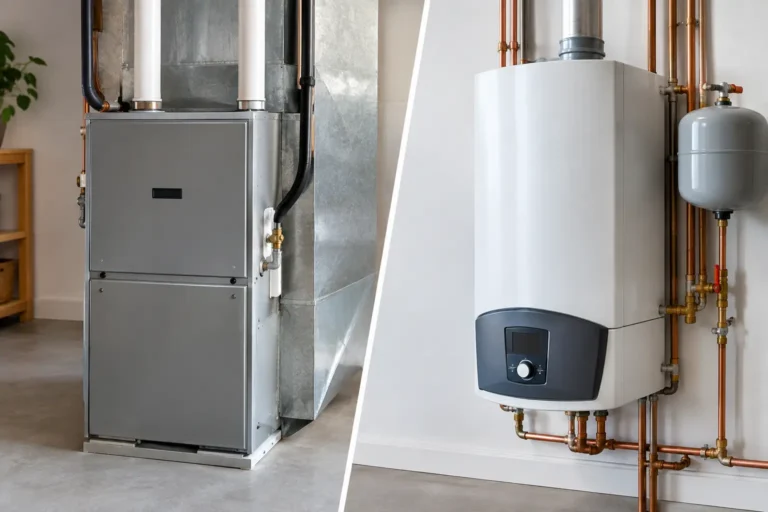
For an aging furnace, boiler, or heat pump with recurring repairs, uneven heating is a good reason to request a full-system evaluation rather than a quick equipment quote. The right plan considers the home’s layout, insulation, ductwork or piping, equipment condition, and the comfort needs of the people using each space.
FlameCo Heating Services can assess uneven heating problems across Metro Vancouver and the Lower Mainland, from airflow and duct concerns to furnaces, boilers, heat pumps, and gas equipment. Licensed, bonded, and insured technicians can identify the source of the imbalance and explain repair or replacement options with clear pricing.
Comfort should not depend on which room you happen to be standing in. A careful inspection now can prevent a cold-room complaint from becoming an expensive midwinter breakdown later.