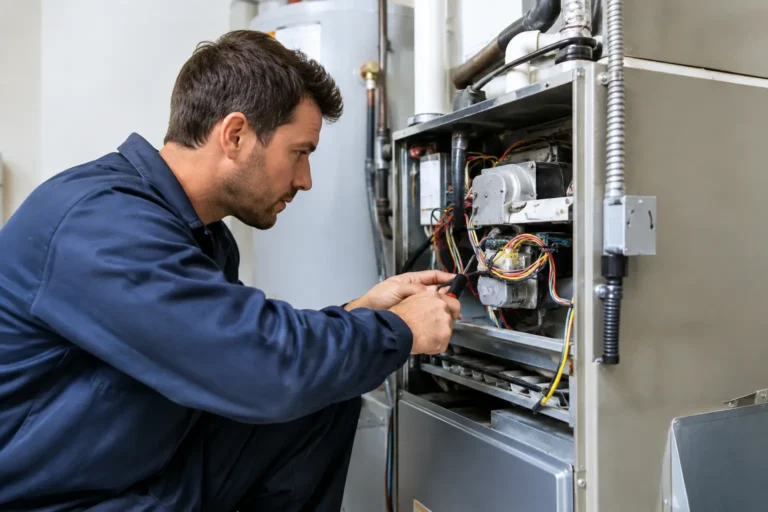
A furnace that stops on a cold night can make the whole property feel urgent fast. Knowing how to reset furnace controls can restore heat after a minor interruption, but a reset is not a fix for every fault. If you smell gas, see smoke, hear a bang, or have a carbon monoxide alarm sounding, skip the reset and get everyone outside before calling for qualified emergency help.
For ordinary no-heat situations, a careful reset can be reasonable. The goal is to rule out a thermostat setting, tripped power supply, dirty filter, or temporary safety lockout without opening the furnace cabinet or touching gas components.
Before You Reset the Furnace, Check These Basics
Start at the thermostat. Set it to Heat and raise the temperature at least 3 to 5 degrees above the current room temperature. If the thermostat screen is blank, replace its batteries if it uses them, or check whether the furnace circuit breaker has tripped. A thermostat that is set to Cool, Off, or Fan On will not call for heat normally.
Next, check the electrical panel. Most furnaces have a dedicated breaker. If it is in the middle position or appears tripped, move it fully to Off, then back to On once. Do not repeatedly reset a breaker. A breaker that trips again may point to an electrical fault, a failing blower motor, a blocked filter, or another issue that needs service.
Look for the furnace service switch as well. It often resembles a standard wall switch and may be mounted on or near the unit. It can be turned off accidentally during storage, cleaning, or other work around the mechanical room. Confirm it is on before assuming the furnace has failed.
Finally, inspect the air filter. A heavily clogged filter restricts airflow and can cause a furnace to overheat and shut down on its high-limit safety switch. If the filter is visibly loaded with dust, replace it with the correct size and type. Do not run the system without a filter, and do not use a filter that is too restrictive for the equipment unless it has been recommended for your system.
How to Reset Furnace Controls Safely
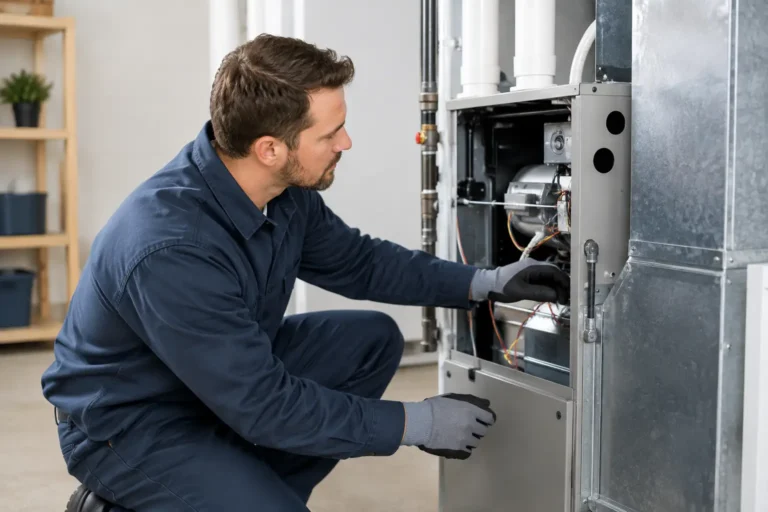
Many modern furnaces do not have a large, obvious reset button. Instead, they use an electronic control board that can clear a temporary lockout when power is cycled. This approach is generally appropriate only after checking the thermostat, breaker, service switch, and filter.
To reset the furnace, turn the thermostat to Off. Then turn off power to the furnace using the nearby service switch or the dedicated breaker. Leave it off for about 30 seconds to one minute. Restore power, set the thermostat back to Heat, and raise the set temperature above room temperature. Wait a few minutes for the normal startup sequence.
A gas furnace often starts by running the inducer motor, verifying venting conditions, warming the igniter, opening the gas valve, lighting the burners, and then starting the blower. You may hear several clicks or the sound of a small fan before warm air begins moving through the vents. That can be normal.
If the furnace starts and continues heating normally, monitor it through one full heating cycle. If it locks out again, blows cool air, cycles on and off quickly, or makes unusual noises, stop resetting it. Repeated resets can mask a safety problem and place unnecessary stress on the equipment.
If Your Furnace Has a Reset Button
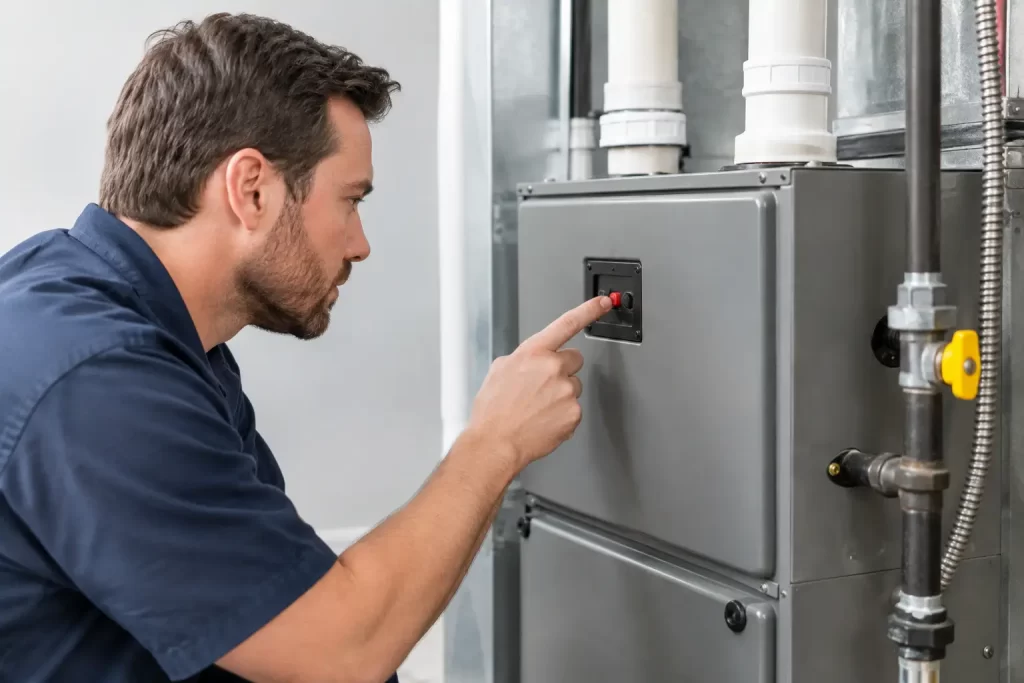
Some older furnaces and certain oil-fired systems have a physical reset button, often red and located on the burner control. Press it only once. Pressing it multiple times can allow unburned fuel to accumulate, creating a dangerous ignition condition when the system finally starts.
For gas furnaces, do not press buttons or remove panels in an attempt to force ignition. Do not relight a pilot unless your furnace manual specifically provides safe instructions and you are confident there is no gas odor. Most current gas furnaces use electronic ignition and should be assessed by a licensed technician if ignition repeatedly fails.
What a Reset Can and Cannot Fix
A reset can clear a temporary control-board lockout caused by a brief power interruption or a one-time failed ignition attempt. It may also get the system running after a thermostat correction, breaker reset, or filter change.
It cannot repair the reason the furnace shut down. Common underlying causes include a failed flame sensor, dirty burners, pressure-switch trouble, a blocked intake or exhaust vent, condensate drainage problems, a faulty igniter, a damaged blower component, or a failed limit switch. In high-efficiency furnaces, outdoor intake and exhaust pipes can also become obstructed by snow, ice, leaves, or debris. Check only what is plainly visible and safely accessible from outside. Never insert tools into vent pipes or disassemble furnace venting.
A furnace may display a blinking diagnostic light through a small sight glass on the cabinet. The flash pattern can help identify the issue, but codes vary by manufacturer and model. Write down the pattern rather than guessing at the repair. A technician can use that information alongside proper testing to find the actual fault.
When Not to Reset a Furnace
There are times when the safest choice is to leave the furnace off and request service. Call for professional help right away if you notice any of the following:
- A gas smell, hissing near gas equipment, smoke, sparks, or visible soot
- A carbon monoxide alarm, headache, dizziness, nausea, or confusion among occupants
- Water around the furnace, damaged wiring, a burning smell, or a breaker that will not stay on
- Loud banging, rumbling, grinding, or repeated attempts to ignite
- A furnace that shuts down again after one careful reset
If you smell gas, do not operate electrical switches, use a phone inside the building, light a flame, or start the furnace. Leave the area, move to a safe location, and contact the gas utility or emergency services as appropriate. Once the immediate hazard is addressed, a licensed gas professional can inspect the equipment.
For landlords and property managers, a no-heat call also requires a quick safety check beyond the furnace itself. Confirm tenants have working carbon monoxide alarms, know not to use ovens or portable fuel-burning appliances for heat, and have a safe temporary plan while repairs are arranged. Portable electric heaters can help in limited situations, but they need clear space, a stable surface, and a direct wall outlet – never an overloaded extension cord.
Why Furnace Lockouts Often Return
It is tempting to treat a reset as the repair when heat comes back. In reality, a lockout is the furnace protecting itself after it detects an unsafe or unsuccessful operating condition. The same problem can return later that day or during the next cold spell.
A dirty flame sensor is a frequent example. The burners may light briefly, but the control board does not confirm a stable flame and shuts the gas valve. A restricted condensate line is another common issue with high-efficiency furnaces, especially during wet, freezing weather. Both require diagnosis, not repeated cycling of power.
Maintenance reduces many of these failures. Change filters on a schedule that fits your home, keep supply and return vents open, avoid blocking the furnace area with stored items, and arrange seasonal service before peak heating weather. Commercial properties and multi-unit buildings may need a more structured maintenance plan because long operating hours and tenant comfort demands put added pressure on heating equipment.
Get Heat Restored Without Guesswork
If one reset does not restore steady heat, the next step should be a qualified diagnosis. Furnace problems can involve electricity, combustion, venting, airflow, and gas piping at the same time. Trying several internet fixes can turn a manageable repair into a more expensive outage.
FlameCo Heating Services provides responsive furnace repair and emergency service for homeowners, landlords, and property managers across Maple Ridge and the Lower Mainland. Licensed, bonded, and insured technicians can identify why the system locked out, explain the repair options clearly, and provide upfront pricing before work begins.
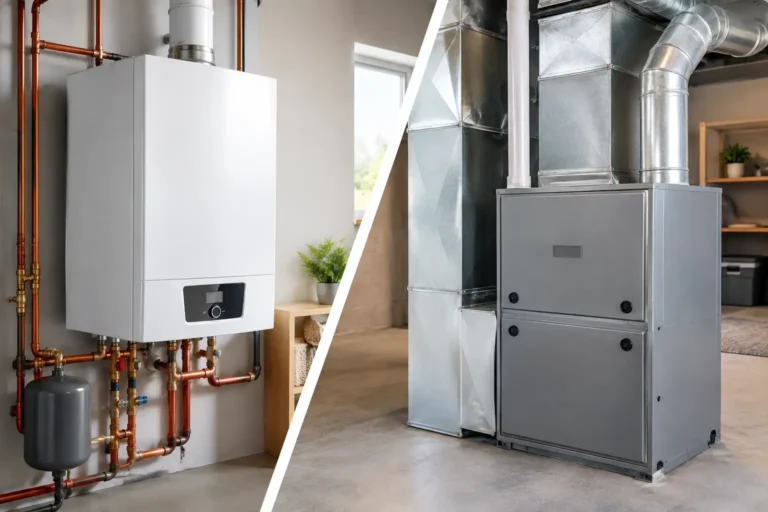
If your furnace is aging, breaks down repeatedly, or costs more to operate each winter, repair may not always be the best long-term choice. A replacement assessment can compare furnace repair costs with high-efficiency furnace and heat-pump options, including available incentive and financing pathways. The right answer depends on the equipment condition, your building, and how quickly you need a dependable heating solution.
A careful reset is useful when it is a single, controlled troubleshooting step. When the furnace asks for attention again, treat that signal seriously – prompt professional service protects comfort, equipment life, and the people inside the property.