A hot upstairs bedroom, a home addition with no ductwork, or an aging furnace can turn ductless versus central air into a decision that cannot wait until next summer. Both systems can deliver dependable cooling, and both may also provide efficient heating when configured as heat pumps. The right choice depends less on a single price tag and more on your home’s layout, existing equipment, comfort priorities, and the condition of your ducts.
For homeowners and property managers in Metro Vancouver and the Lower Mainland, damp winters and increasingly warm summer stretches make year-round performance part of the conversation. A qualified HVAC assessment should look at the full system, not just the indoor unit that happens to be easiest to replace.
Ductless Versus Central Air: The Core Difference
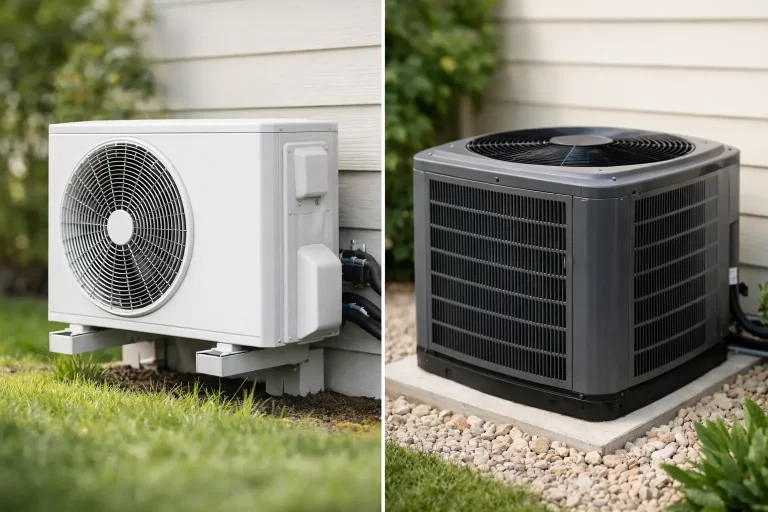
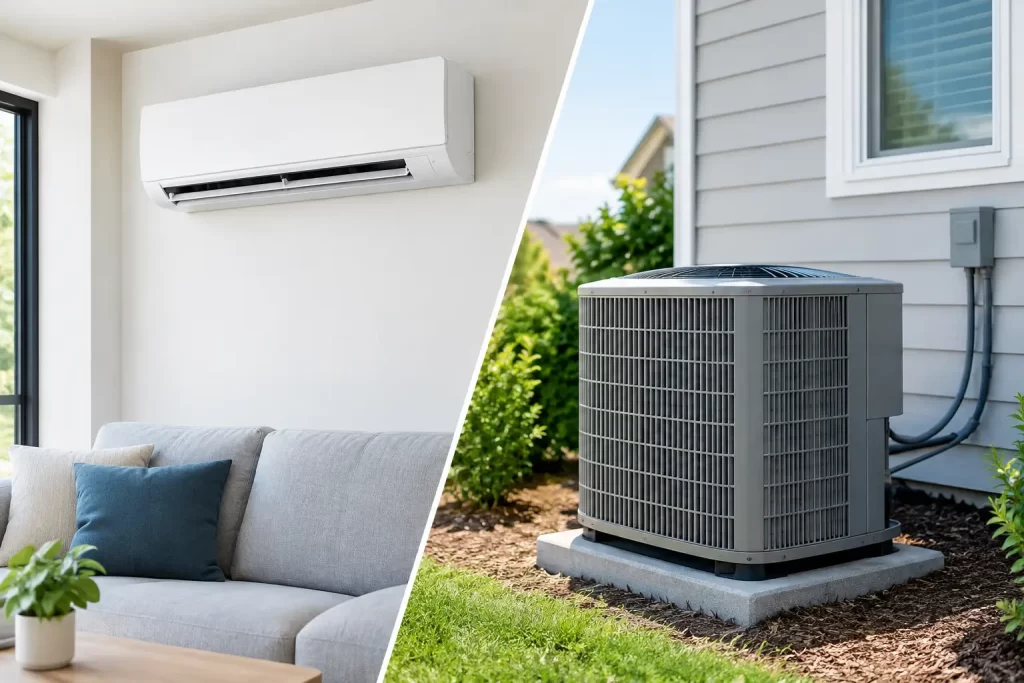
Central air conditioning moves cooled air through a network of supply and return ducts. An outdoor condenser works with an indoor coil, usually installed with a furnace or air handler. One properly designed system can cool multiple rooms through vents already built into the home.
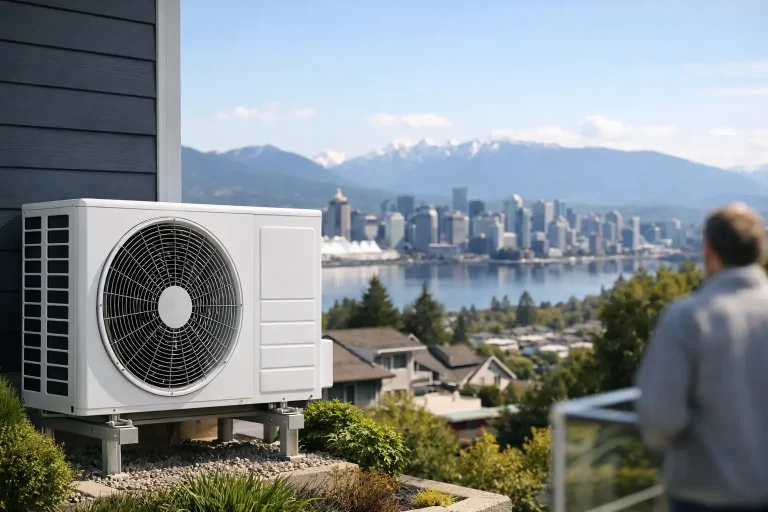
A ductless mini-split uses an outdoor heat-pump unit connected to one or more wall-mounted, ceiling-mounted, or concealed indoor heads. Each indoor unit serves a defined zone and has its own temperature control. There are no large air ducts required, only a small opening through the exterior wall for refrigerant lines, power, and condensate drainage.
That difference affects installation, daily comfort, maintenance, and the best use case. Central air is generally designed for whole-home circulation. Ductless equipment is especially useful when you need targeted comfort without opening walls to install ductwork.
When Central Air Is Usually the Better Fit
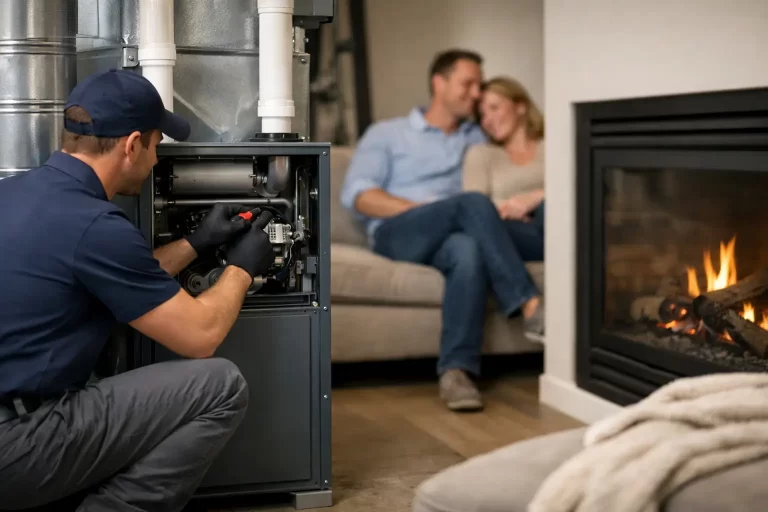
Central air often makes the most sense when a house already has ductwork in good condition. If your furnace distributes heat through ducts and has enough capacity for an evaporator coil, adding or replacing a central AC system can be a practical path to whole-home cooling.
It also suits homeowners who prefer a less visible setup. The major components stay outdoors, in a mechanical room, attic, crawlspace, or basement, while conditioned air comes through existing registers. There are no wall heads in bedrooms or living spaces.
A ducted heat pump can also use the same distribution system to provide heating and cooling. For homes replacing an older furnace and air conditioner at the same time, this can be an opportunity to assess whether an all-electric or dual-fuel setup fits the household’s energy use and comfort expectations.
Central systems do have limits. Old, undersized, leaky, or poorly balanced ducts can waste energy and leave some rooms uncomfortable. A large home may have one thermostat but very different conditions between a sunny upper floor and a shaded main level. Installing central equipment without addressing those duct issues can leave the underlying problem in place.
Where Ductless Mini-Splits Stand Out
Ductless heat pumps are often the strongest option for homes without ducts, including older houses with electric baseboard heat, garages converted to living space, laneway suites, additions, and smaller rental units. They can avoid the cost and disruption of building a full duct system through finished rooms.
Zoning is the major advantage. A bedroom can be cooled at night without conditioning rarely used rooms to the same setting. A top-floor office that overheats in the afternoon can have its own unit and thermostat. In a multi-tenant or commercial setting, this can help match comfort levels to how each area is actually used.
Many ductless systems provide heating as well as cooling, making them more than a seasonal air conditioner. This is particularly valuable where baseboard heaters are expensive to operate or where an addition needs dependable heat without extending an existing furnace system.
The trade-off is that indoor heads must be placed where they can distribute air effectively. One wall unit cannot reliably solve every comfort problem in a closed-door, multi-room floor plan. Some homeowners also prefer the look of vents over visible indoor equipment. A thoughtful design can use ceiling cassettes or concealed units in some applications, but those options may increase installation complexity and cost.
Upfront Cost Is Only One Part of the Decision
A basic comparison can be misleading because installations vary widely. A central AC replacement using sound existing ducts may cost less than a multi-zone ductless installation. On the other hand, adding central air to a home with no ductwork can require extensive construction, making ductless equipment the more practical investment.
Your quote should account for electrical requirements, line-set routing, drainage, equipment capacity, duct repairs if needed, permits, controls, and any required upgrades to the furnace or air handler. It should also identify what is included in startup, testing, and warranty registration. Transparent pricing matters because the lowest initial number can leave out work that the home actually requires.
Operating cost depends on efficiency ratings, local electricity and gas rates, thermostat settings, insulation, sun exposure, and system sizing. Ductless zoning can reduce wasted conditioning in unused areas. Central systems can be very efficient too, particularly when ducts are sealed, insulated, and correctly balanced.
Do not select a system based only on the square footage listed on a real estate page. A professional load calculation considers windows, orientation, ceiling height, insulation, occupancy, and heat-producing appliances. Oversized equipment may cool a space quickly but cycle too often, which can reduce dehumidification and create uneven temperatures. Undersized equipment may run continuously and still fall behind on the hottest days.
Comfort, Air Quality, and Noise
Central air circulates conditioned air throughout the home, and its filter can capture dust and other particles as air returns through the system. Depending on your needs, a ducted setup may support upgraded filtration, humidification, ventilation, or other indoor-air-quality equipment. That can be an advantage for households already planning to improve the entire heating and cooling system.
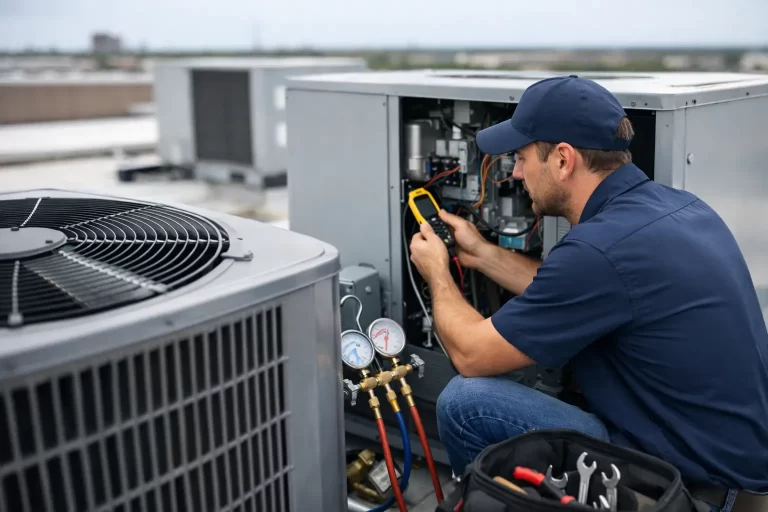
Ductless units have washable filters and operate quietly when installed and maintained correctly. However, every indoor head needs routine cleaning. Dust buildup, drainage issues, or neglected filters can affect airflow, efficiency, and indoor air quality. Maintenance is not optional simply because the equipment is compact.
Neither system fixes moisture, mold, odors, or ventilation problems on its own. If a bathroom has poor exhaust, a basement has water intrusion, or a kitchen lacks proper ventilation, those issues need their own solution. Cooling equipment should be part of a full comfort plan, not a substitute for correcting building problems.
A Practical Way to Choose Between Ductless and Central Air
Start with the home you have, not the system you saw advertised. If you already have reliable ducts and want consistent conditioning in every room, central air or a ducted heat pump deserves serious consideration. If you lack ducts, are finishing a new space, or need relief in a few stubborn hot and cold zones, a ductless mini-split may deliver better value with less disruption.
A hybrid design can be the right answer as well. Some properties use central equipment for the main living areas and a ductless unit for an upper floor, addition, garage suite, or office. This approach can solve a specific comfort issue without replacing an otherwise functional central system.
For landlords and property managers, consider more than the purchase price. Think about tenant control, access for service, noise, filter responsibilities, equipment placement, and how a repair will affect occupied spaces. A system that is easy to maintain and properly sized for each unit can prevent repeat comfort calls during peak weather.
Heat Pump Incentives and Replacement Planning
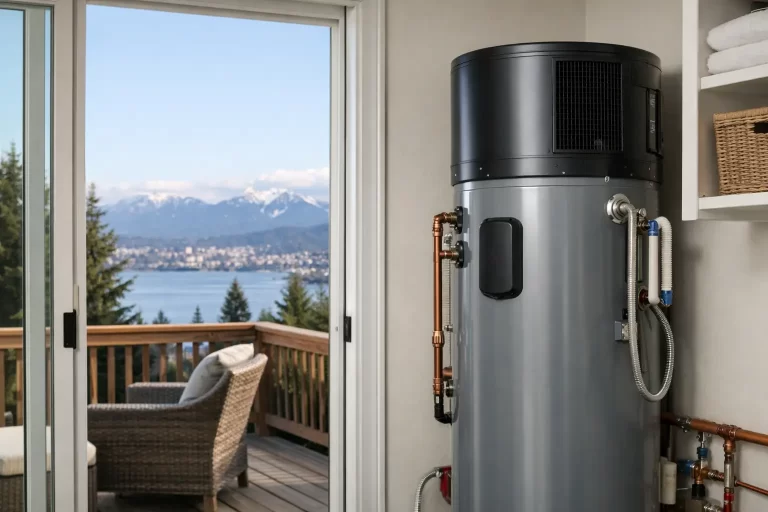
When you are considering a ductless or ducted heat pump, check available government incentives before finalizing the equipment choice. British Columbia and federal programs can change, and eligibility may depend on the product, installation details, home type, and program timing. Some households may also find incentives for qualifying heat-pump water-heater upgrades, which can be worth reviewing during a larger energy-efficiency project.
Rebates should support a sound equipment decision, not drive it. The system still needs to fit the building, meet electrical and installation requirements, and have a service plan behind it. Keep all quotes, model information, invoices, and required pre-approval documents organized before work begins.
FlameCo Heating Services can assess duct condition, heat loss, electrical needs, system location, and the practical cost of each option. As a licensed, bonded, and insured contractor, it can help homeowners and property managers choose an installation plan with clear scope and no hidden-fee surprises.
The best cooling system is the one that keeps the spaces you use comfortable, can be serviced properly, and does not create a larger problem elsewhere in the home. Before the next heat wave exposes that one unbearable room, have the system and the building evaluated together.