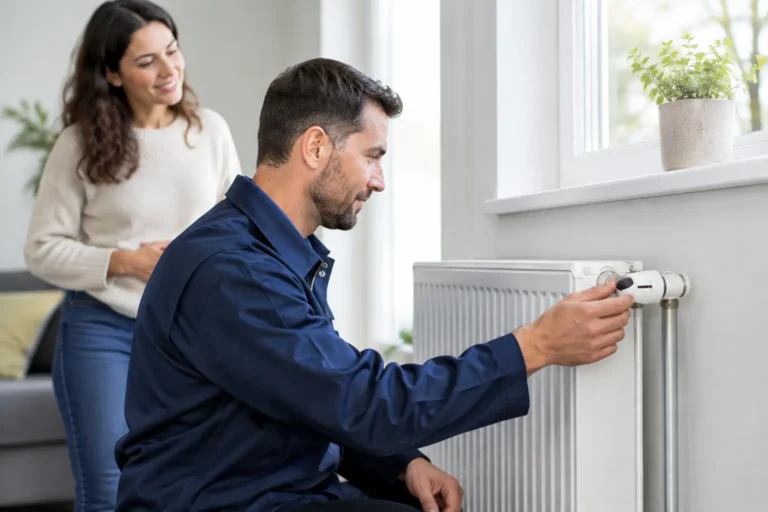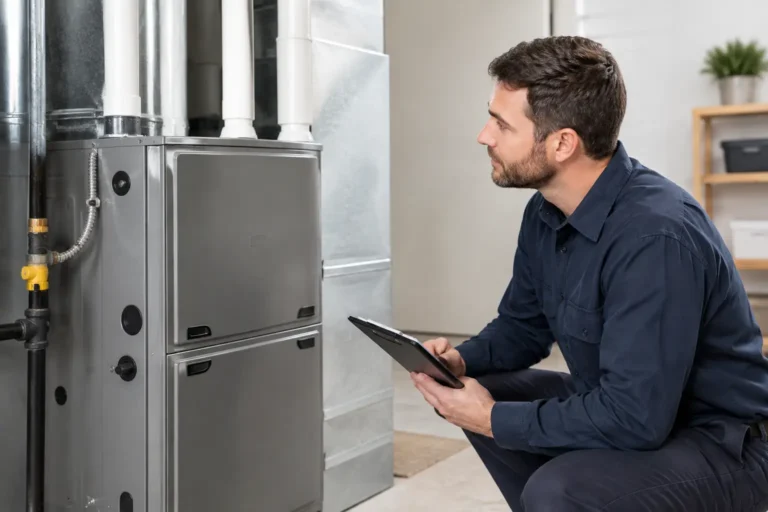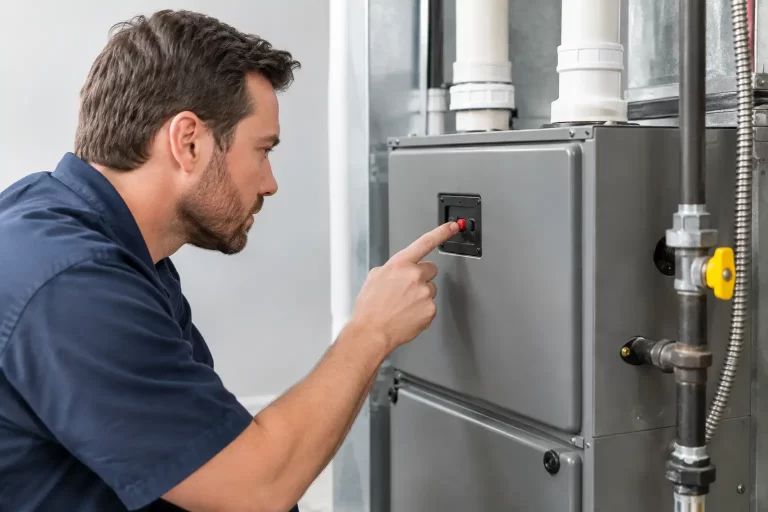
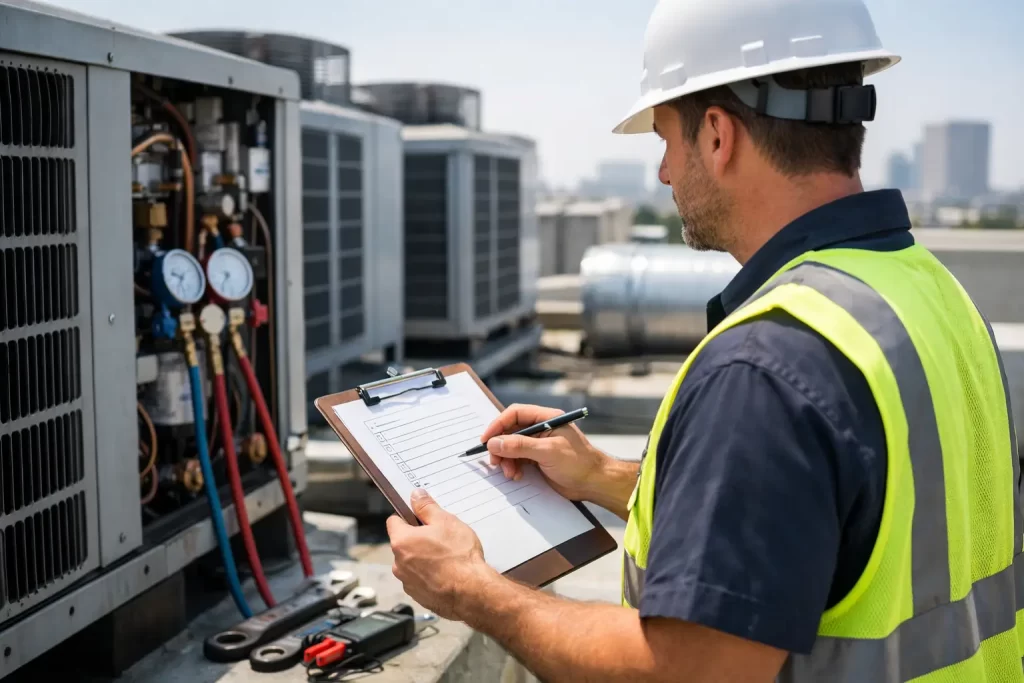
A failed rooftop unit during a heat wave or a furnace shutdown on a cold morning can disrupt tenants, staff, customers, and daily operations within hours. A commercial HVAC maintenance checklist gives property owners and managers a practical way to spot problems early, schedule qualified service, and avoid turning a manageable repair into an emergency call.
Commercial systems work harder than most people realize. Long operating hours, changing occupancy, kitchen exhaust, dust, weather exposure, and deferred repairs all affect performance. The goal is not simply to keep equipment running. It is to maintain safe operation, reliable comfort, reasonable utility costs, and a clear record of what has been inspected.
Start With a Commercial HVAC Maintenance Checklist
The right checklist depends on the building and equipment. A small retail space with a single packaged rooftop unit needs a different plan than an apartment building with boilers, makeup air equipment, corridor ventilation, and multiple tenant systems. Still, every property should track the same core areas: equipment condition, airflow, controls, drainage, combustion safety where applicable, and documentation.
Use the following checklist as a planning tool. Building staff can handle simple visual checks, but gas equipment, electrical components, refrigerant circuits, and internal repairs should be handled by a licensed HVAC professional.
Monthly visual and operational checks
A monthly walkthrough helps catch obvious concerns before they affect the whole building. Check that thermostats or building controls are set correctly and responding as expected. Note rooms that are consistently too hot, too cold, humid, stuffy, or noisy. Comfort complaints often point to airflow restrictions, damper issues, failing motors, control problems, or equipment that is no longer sized for the building’s use.
Inspect accessible supply and return grilles for blockage. Furniture, storage, tenant modifications, and dust buildup can restrict airflow without anyone noticing. In mechanical rooms, keep clearance around furnaces, boilers, air handlers, water heaters, and electrical panels. Storage against equipment is a safety concern and makes proper service more difficult.
Also look for water around air handlers, condensate pumps, drain pans, and rooftop unit access points. A small drain issue can lead to ceiling damage, mold concerns, equipment corrosion, or an unexpected shutdown.
Filter checks and replacement
Filters deserve their own line item because they affect nearly every part of an HVAC system. A loaded filter reduces airflow, makes motors work harder, lowers heating and cooling performance, and can contribute to coil freezing or overheating.
Filter schedules vary. A lightly used office may need a different interval than a restaurant, warehouse, daycare, clinic, or pet-friendly apartment building. Rather than replacing filters only by calendar date, record their condition and adjust the interval based on actual loading. Use the filter type and efficiency rating specified for the equipment. Installing a more restrictive filter without confirming system capacity can create airflow problems.
Seasonal cooling service
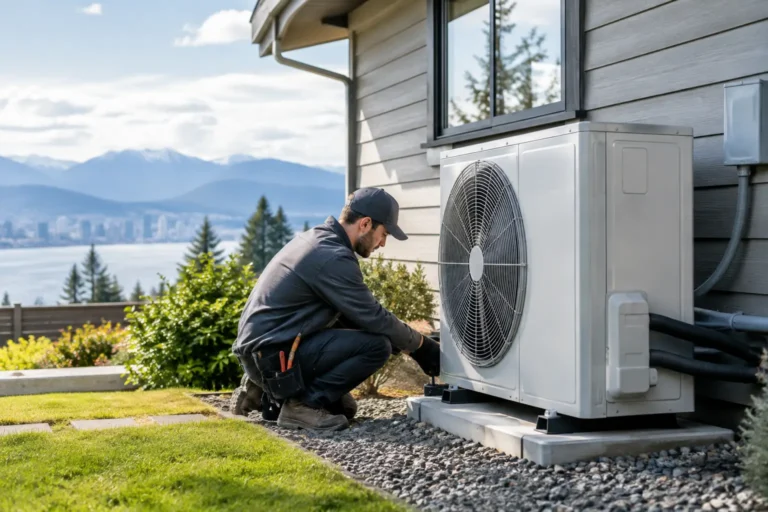
Before cooling season, have a qualified technician inspect air conditioners, heat pumps, mini-splits, and rooftop units. The service visit should include cleaning outdoor coils as needed, checking electrical connections, inspecting contactors and capacitors, confirming fan and blower operation, and testing cooling performance.
Refrigerant should not be treated as a routine top-up item. If refrigerant is low, the system may have a leak that needs to be identified and repaired. Continuing to add refrigerant without addressing the cause can increase operating costs and put the equipment at greater risk.
On rooftop equipment, inspect panels, weather seals, curbs, drains, and surrounding areas for damage or debris. Leaves, cottonwood, construction dust, and poor drainage can quickly reduce performance in the Lower Mainland’s wet seasonal conditions.
Seasonal heating and combustion service
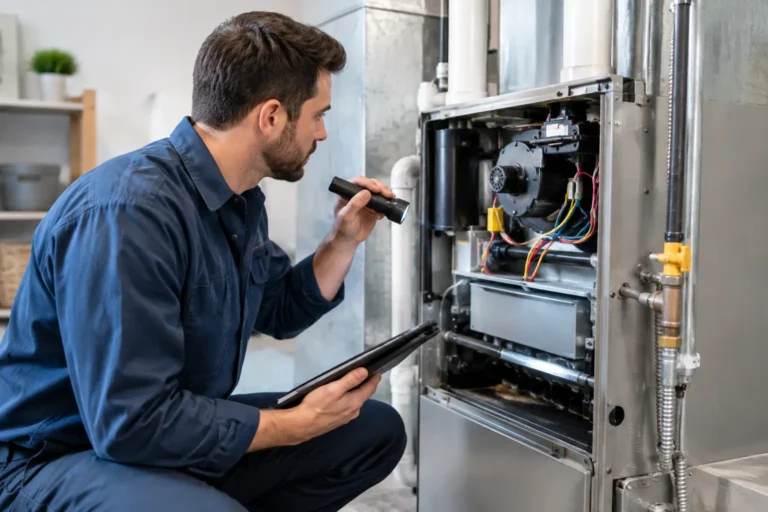
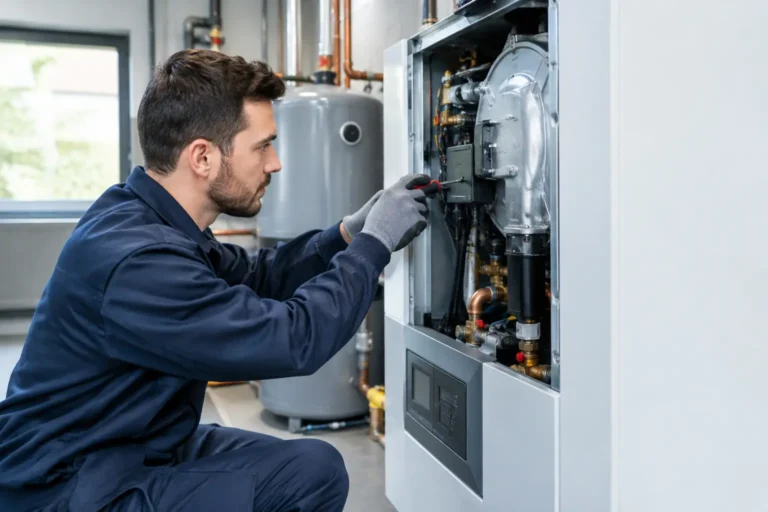
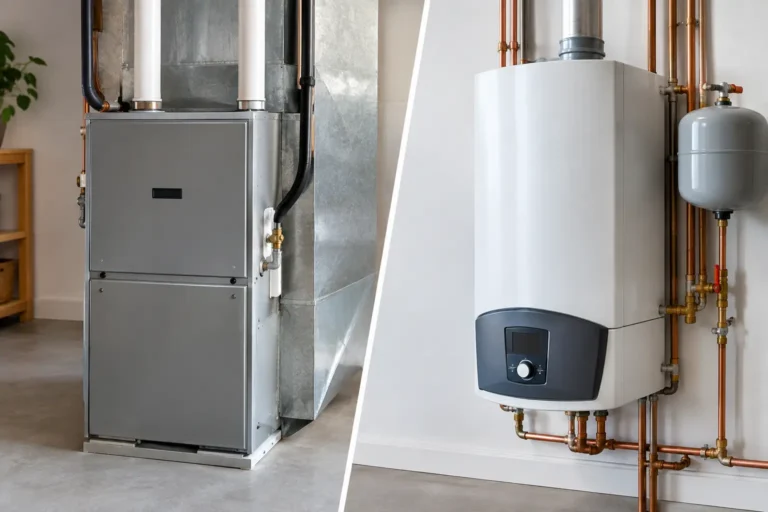
Heating maintenance is especially important for furnaces, boilers, unit heaters, rooftop gas heat, fireplaces, and commercial water-heating equipment. A trained technician should inspect burners, ignition components, heat exchangers where applicable, venting, gas connections, safety controls, and combustion performance.
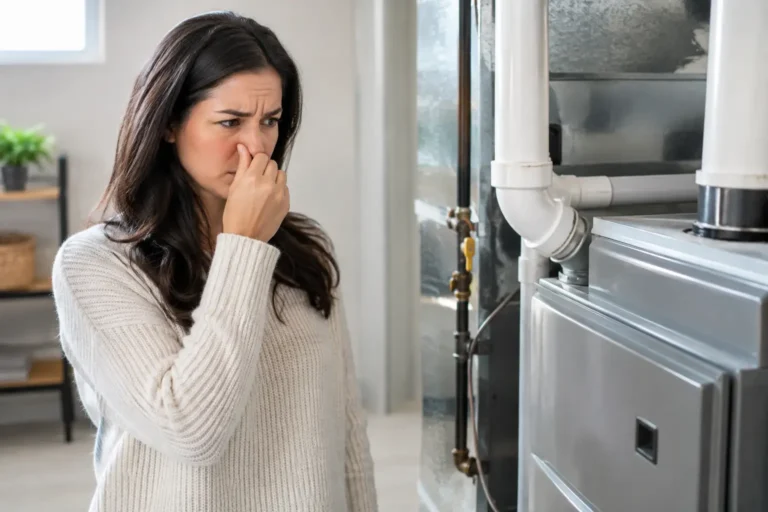
Watch for delayed ignition, unusual burner noise, repeated cycling, soot, fuel odors, or a yellow flame where a stable blue flame is expected. These are not items to troubleshoot by trial and error. Shut down the affected equipment if there is an immediate concern and arrange qualified service.
Boiler maintenance may also include checking system pressure, circulator operation, expansion tanks, relief valves, water quality, and evidence of leaks. The exact scope depends on the boiler type, age, and building load. Preventive work is usually less disruptive than responding after a circulation failure or no-heat call.
Airflow, Ventilation, and Indoor Air Quality
Heating and cooling capacity means little if air cannot move through the building correctly. During scheduled maintenance, inspect blower assemblies, belts, bearings, dampers, duct connections, and outside-air components. Worn belts, dirty blowers, and stuck dampers can quietly increase energy use while leaving occupants uncomfortable.
Ventilation needs careful attention in buildings with kitchens, washrooms, garages, workshops, laundry areas, or high occupancy. Exhaust systems and makeup air units must work together. Too much exhaust without adequate replacement air can create drafts, pressure problems, odors, door issues, and poor appliance combustion.
For properties with concerns about dust, odors, humidity, or recurring tenant complaints, document when and where the issue occurs. The solution may be as simple as filter changes and airflow balancing, but it can also involve ventilation rates, duct conditions, controls, or equipment capacity. Guesswork can lead to unnecessary replacement costs.
Controls, Electrical Components, and Safety Devices
Commercial HVAC failures are often caused by small components rather than the entire unit. During preventive service, technicians should test thermostats, sensors, relays, contactors, capacitors, disconnects, control boards, and safety switches as appropriate for the equipment.
Check that equipment starts, runs, cycles, and shuts down properly. A unit that runs continuously may have a control issue, a failing sensor, inadequate capacity, or an airflow problem. One that short-cycles may be overheating, oversized, improperly controlled, or reacting to a safety limit.
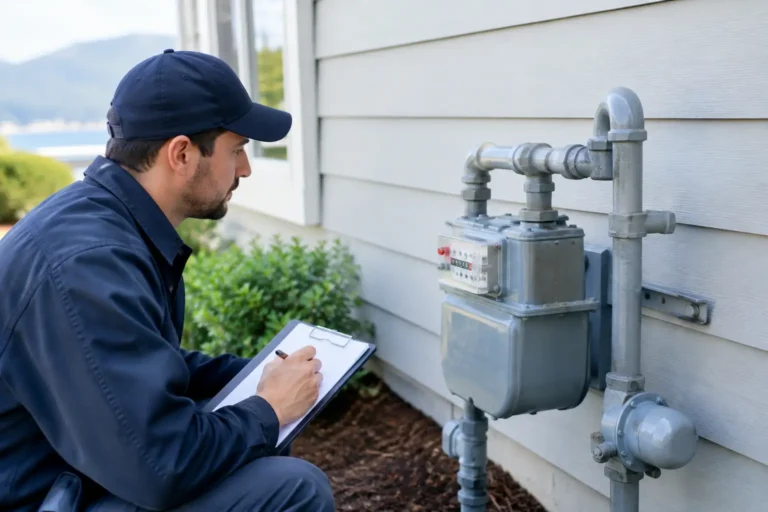
Electrical inspection matters because loose connections and failing components can create heat, nuisance shutdowns, or damage to motors and compressors. For gas-fired equipment, safety checks should include proper venting, flame sensing, ignition performance, and carbon monoxide protection where required. Never bypass a safety switch to keep a system operating.
Keep Records That Support Better Decisions
A maintenance program is more useful when each visit produces a clear service record. Keep the equipment model and serial number, filter sizes, maintenance dates, repair history, noted deficiencies, recommended work, and any warranty details in one accessible place.
This record helps property managers budget realistically. If the same unit needs repeated repairs, loses capacity, or requires increasingly expensive parts, it may be time to compare the cost of continued repair against replacement. That decision depends on age, condition, efficiency, downtime risk, available parts, and whether the building’s needs have changed.
It also helps with tenant communication. Instead of saying a system is “being looked at,” managers can explain what was found, what work is planned, and whether temporary measures are needed. Clear records reduce confusion during urgent service calls and make ownership transitions easier.
Set a Schedule That Matches Your Property
Most commercial properties benefit from professional HVAC service at least twice a year: once before heating season and once before cooling season. High-use facilities, older equipment, food-service spaces, multi-tenant buildings, and sites with critical temperature needs may require quarterly checks or a more customized plan.
Do not wait for a complete failure to arrange service. Rising utility bills, inconsistent temperatures, water leaks, loud operation, frequent resets, persistent odors, and repeated comfort complaints are all reasons to schedule an inspection. FlameCo Heating Services provides licensed commercial HVAC, ventilation, gas, and hot-water equipment service for properties that need clear findings, upfront pricing, and responsive support.
A checklist is only valuable when it leads to action. Assign responsibility for routine walkthroughs, keep service records current, and address safety or performance concerns before your building is depending on the system during the next weather extreme.