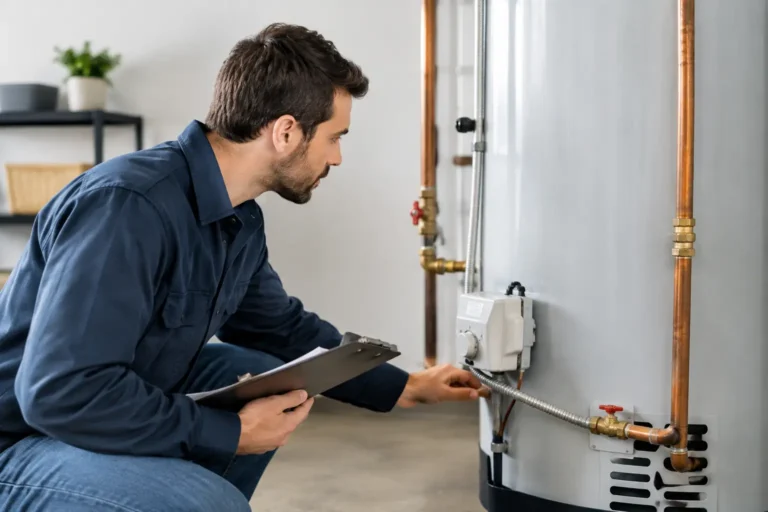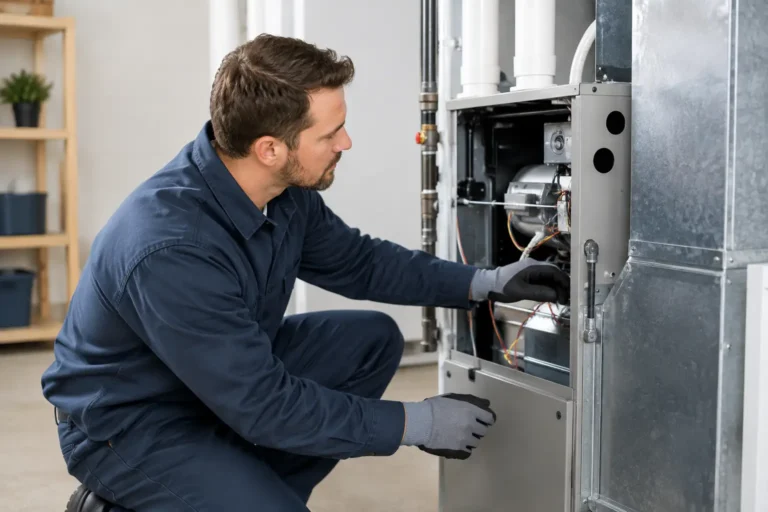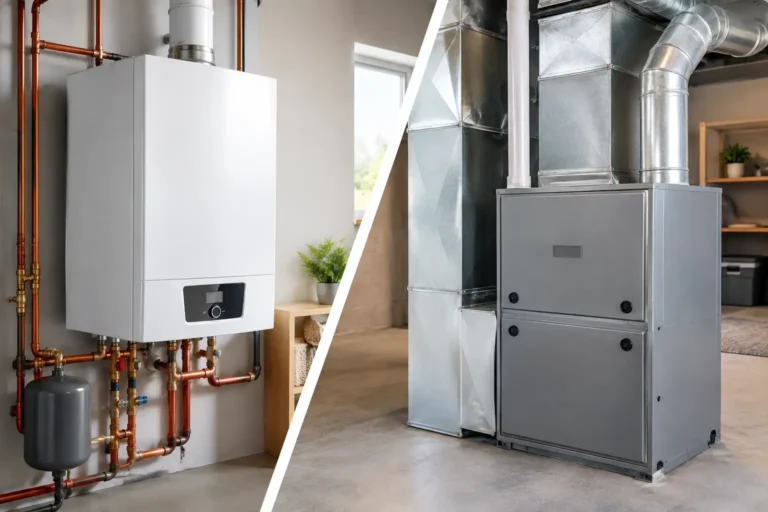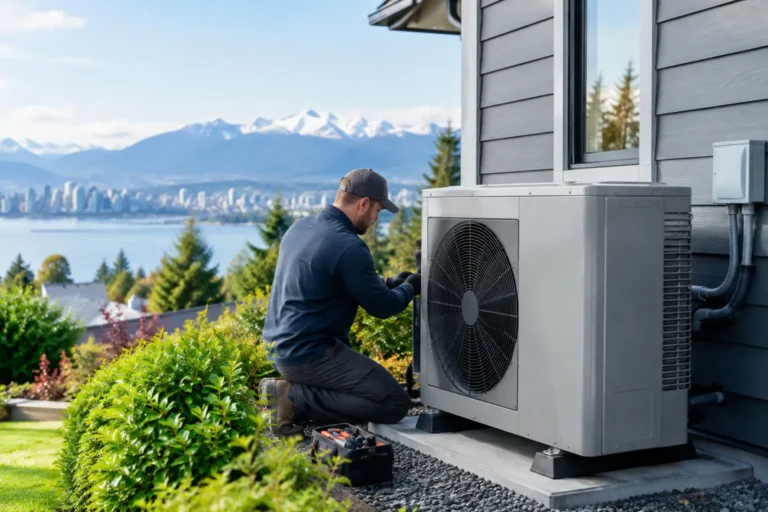
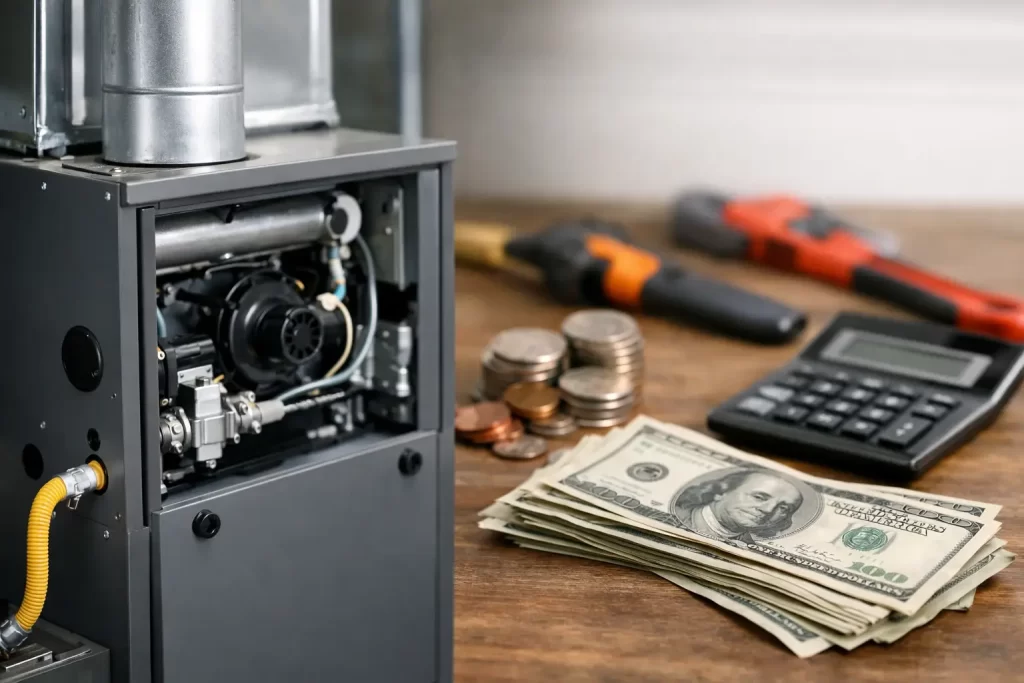
A furnace that quits during a cold Lower Mainland night creates two immediate questions: Can it be repaired, and what will a replacement cost? Furnace replacement cost depends on much more than the unit in the box. Your home’s size, existing ductwork, venting, fuel connections, efficiency needs, and installation conditions all affect the final quote.
The right replacement should restore dependable heat without leaving you with surprise add-ons, an oversized system, or unsafe gas work. For homeowners, landlords, and property managers, a clear itemized estimate makes it easier to choose between another repair and a long-term upgrade.
What Is the Typical Furnace Replacement Cost?
For a standard gas furnace replacement in Metro Vancouver and the Lower Mainland, many installed projects fall roughly between $4,500 and $9,000 CAD. A basic replacement using existing compatible ductwork, electrical service, gas piping, and venting can land toward the lower end. High-efficiency equipment, difficult access, extensive code upgrades, or changes to the heating system can move the cost higher.
A premium variable-speed furnace or a project that requires new venting, duct modifications, electrical work, or gas-line changes may cost $9,000 to $13,000 CAD or more. These numbers are planning ranges, not a substitute for an on-site quote. No two mechanical rooms, crawlspaces, attics, and multi-unit buildings are exactly alike.
The most useful quote separates the equipment price from the labor, permits, removal, and required installation work. That way, you can see what you are paying for and avoid comparing a complete proposal with a low number that leaves out necessary work.
The Main Factors That Change Furnace Replacement Cost
Furnace size and heating capacity
A furnace must be sized for the building, not guessed based on the old model. The correct capacity depends on square footage, insulation, window quality, ceiling height, building orientation, air leakage, and local winter design temperatures.
An oversized furnace can heat the space too quickly, cycle on and off excessively, create uneven temperatures, and wear components faster. An undersized unit may run constantly during cold weather and still struggle to keep tenants or family members comfortable. A professional load assessment helps prevent both problems.
Efficiency rating and blower technology
A furnace’s AFUE rating measures how much fuel becomes usable heat. Higher-efficiency furnaces cost more upfront, but they can use less natural gas over time. The value depends on your current furnace efficiency, thermostat habits, home insulation, gas rates, and how long you expect to own the property.
Single-stage furnaces are often the most budget-friendly option. Two-stage and modulating models can deliver steadier heat, quieter operation, and better temperature control. Variable-speed blowers may also improve airflow and help when the furnace works alongside an air conditioner or heat pump. Those benefits are real, but not every home needs the most advanced model. The best choice balances comfort, operating costs, and upfront budget.
Venting, drainage, and code requirements
High-efficiency condensing furnaces use different venting than older conventional systems. A replacement may require new intake and exhaust piping, a properly routed condensate drain, pump installation, or changes to the termination points outside the home.
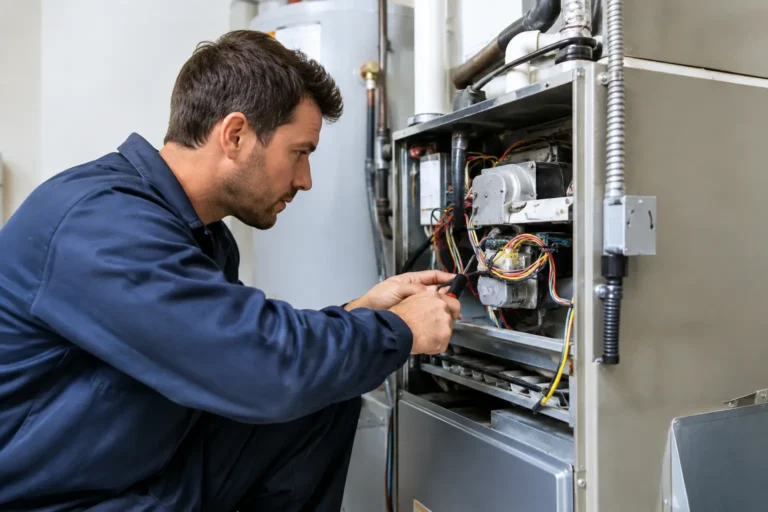
Older installations can also reveal issues that need correction, such as undersized gas piping, an outdated shutoff, poor combustion-air supply, missing drip legs, improper electrical connections, or unsafe vent clearances. These items are not optional extras. They are part of completing gas appliance work safely and to code.
Ductwork and airflow corrections
A new furnace cannot perform properly if the duct system restricts airflow. Dirty ducts alone do not always require replacement, but crushed flex duct, undersized returns, disconnected runs, major leaks, or poorly balanced rooms may need attention.
Sometimes a relatively small duct adjustment makes a significant difference in comfort. In other cases, especially during renovations or conversions, more extensive ductwork becomes part of the project. This is one reason an accurate furnace replacement quote requires an inspection rather than a phone-only price.
Access, removal, and installation complexity
A straightforward furnace swap in an open utility room is different from removing equipment from a tight crawlspace, attic, rooftop enclosure, or finished mechanical closet. Stairs, parking limitations, shared corridors, tenant access, and the need to protect finished surfaces can add labor time.
For apartment owners and property managers, scheduling also matters. A planned replacement can often be coordinated around occupants and building access. An emergency failure during a cold spell may require faster decisions and temporary heat measures to protect people, pipes, and the property.
Repair or Replacement: When Does Replacement Make Sense?
A furnace does not always need to be replaced just because it has a fault. Ignition issues, pressure-switch problems, blower motor failures, thermostat concerns, and some control-board repairs can be resolved economically when the rest of the system is in good shape.
Replacement becomes worth serious consideration when the furnace is around 15 to 20 years old, repair needs are becoming frequent, parts are obsolete, efficiency is poor, or a major component has failed. A cracked heat exchanger deserves immediate professional attention because it can affect combustion safety. Do not keep operating a furnace with a suspected heat exchanger problem just to get through the season.
A practical way to evaluate the decision is to compare the repair cost, the unit’s age and condition, expected energy use, and the likelihood of another repair soon. For a newer furnace with a contained issue, repair may be the responsible choice. For an aging unit facing an expensive failure, putting that money toward a new warranted system may provide better value.
Should You Consider a Heat Pump Instead?
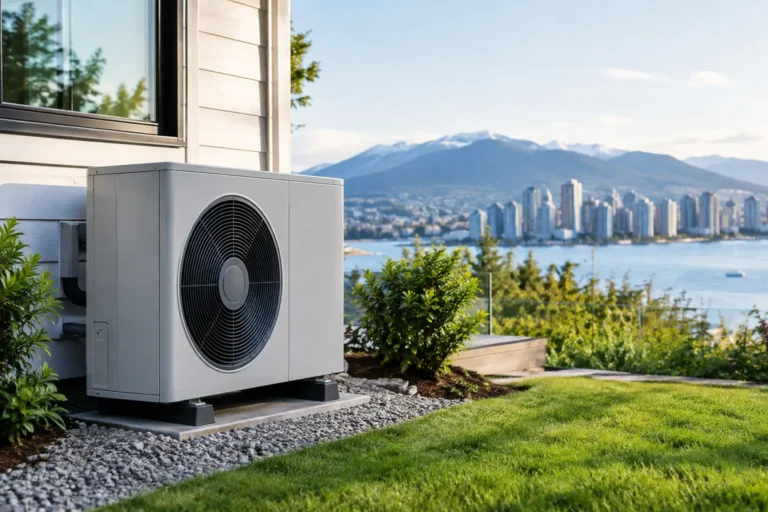
A furnace replacement is also a good time to consider a heat pump or dual-fuel system. A heat pump provides heating and cooling, which can be especially useful for homes that rely on window units or have no central air conditioning. In a dual-fuel setup, the heat pump handles much of the heating season while a gas furnace provides backup heat during colder conditions.
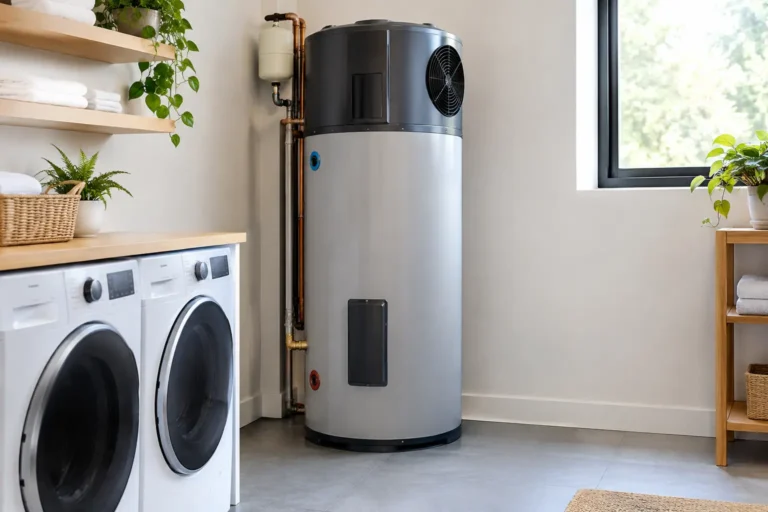
The upfront investment for a heat pump upgrade can be higher than a like-for-like furnace replacement. Electrical capacity, outdoor-unit location, duct compatibility, and system design all matter. However, available government incentives for heat pumps and heat pump water tanks may reduce the net cost for qualifying homes. Program rules, eligibility, and funding change, so confirm the current requirements before selecting equipment or starting work.
For some households, a high-efficiency furnace is the simplest and most cost-effective path. For others, combining heating and cooling in one upgrade makes more sense. The right answer depends on the building, existing equipment, utility costs, and comfort goals.
What a Complete Furnace Quote Should Include
Before approving a replacement, ask for a written scope that identifies the furnace model, efficiency rating, warranty coverage, and the work required to install it. It should also state whether the price includes removal and disposal of the old furnace, permits where required, venting changes, condensate work, electrical connections, thermostat compatibility, gas-fitting work, start-up testing, and commissioning.
Be cautious with an estimate that is dramatically lower than the others without a clear explanation. It may exclude necessary site work, use equipment that does not fit the application, or leave the homeowner to deal with surprise costs later. A contractor should be able to explain why a particular furnace size and configuration suits your property.
Licensed, bonded, and insured installation matters because furnaces involve combustion, gas piping, venting, electrical connections, and carbon monoxide safety. FlameCo Heating Services provides clear replacement recommendations and transparent pricing for homes and properties throughout Metro Vancouver and the Lower Mainland.
Plan Before the Furnace Fails
If your furnace is still operating but showing its age, arranging an assessment before the next breakdown gives you more control. You can compare efficiency options, review financing possibilities, check incentive eligibility, and schedule work around your household or tenants rather than making a rushed decision in freezing weather.
A replacement furnace is not just a purchase. It is a safety and comfort decision that should be sized correctly, installed carefully, and priced clearly. A detailed on-site quote gives you the information to move forward with confidence when dependable heat matters most.