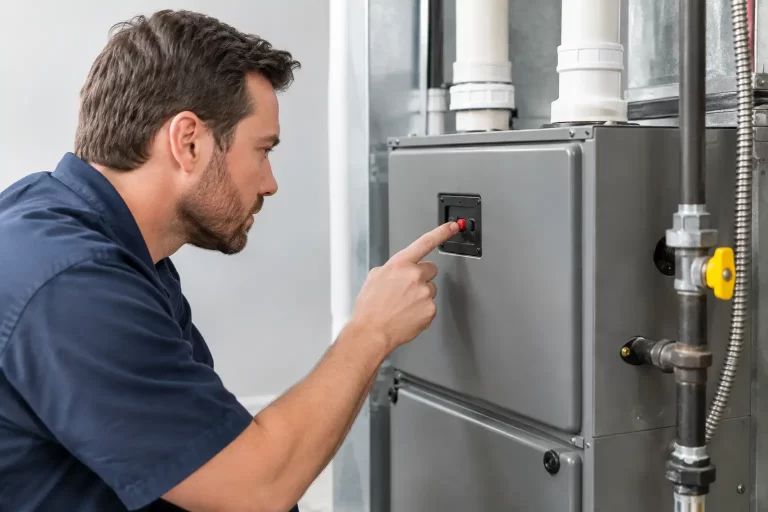
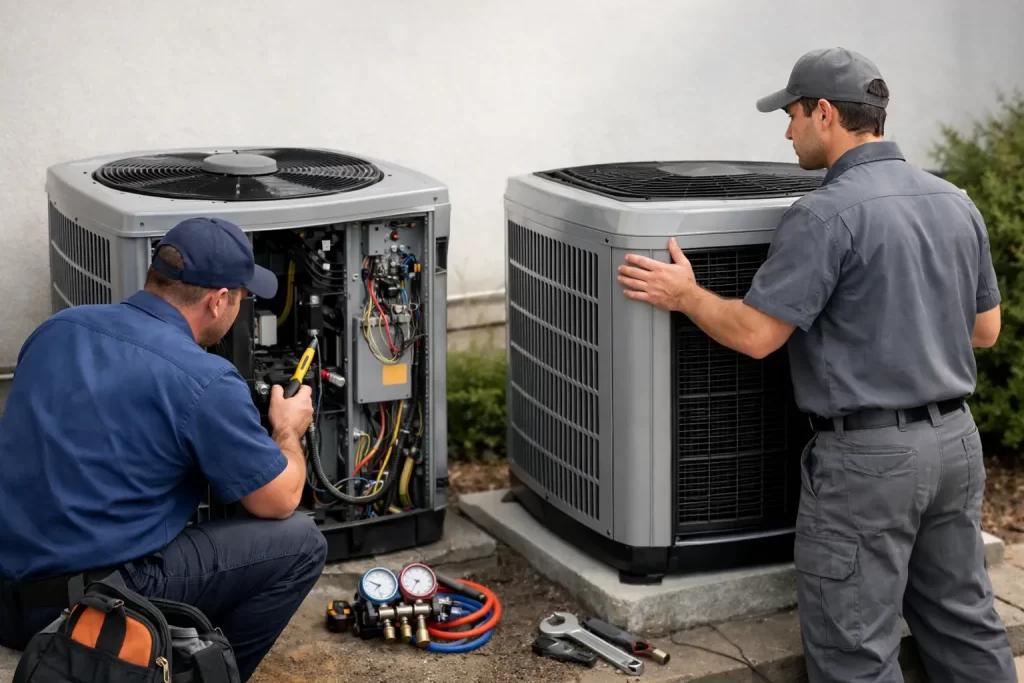
A furnace that quits during a cold Maple Ridge night, an air conditioner blowing warm air, or a leaking hot-water tank creates the same immediate question: should you fix it or replace it? HVAC repair and replacement is not a one-size-fits-all decision. The right answer depends on the equipment’s age, condition, safety, repair history, operating cost, and how reliably it can serve the property after the work is complete.
For homeowners, landlords, and property managers across the Lower Mainland, the priority is usually simple: restore safe, dependable comfort without putting money into a system that is nearing the end of its useful life. A qualified assessment gives you the facts before you commit to either path.
When HVAC Repair Is the Practical Choice
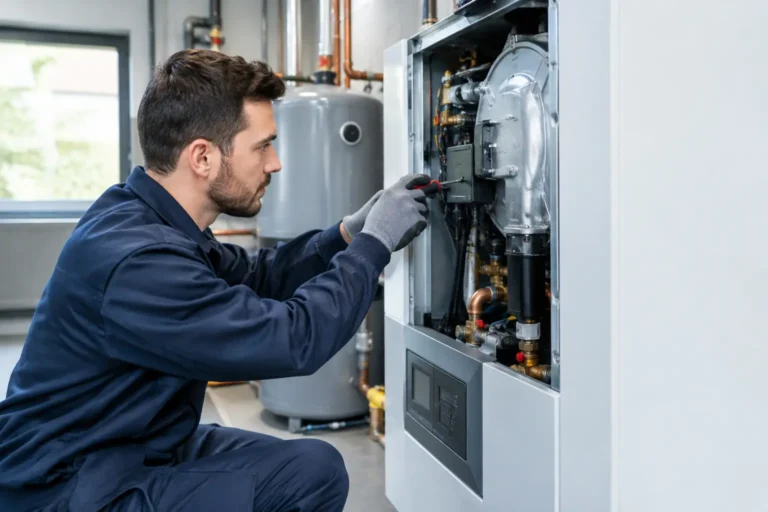
A targeted repair often makes sense when the equipment is relatively new, has been maintained, and the problem is isolated. A failed capacitor, worn igniter, clogged condensate drain, faulty thermostat, or loose electrical connection can stop an otherwise healthy system from operating. These problems can be repaired without replacing the entire furnace, air conditioner, boiler, heat pump, or mini-split.
Repair is also reasonable when replacement parts are readily available and the system is performing efficiently outside of the current fault. For example, a 6-year-old furnace with a failed flame sensor is very different from a 20-year-old furnace with a cracked heat exchanger. Both may not heat the building, but the long-term decision is not the same.
Emergency service can be especially valuable in this situation. A prompt diagnosis may restore heat, cooling, or hot water quickly and prevent a minor issue from becoming a larger failure. For rental and commercial properties, fast repair can also reduce tenant disruption, protect inventory, and help avoid complaints caused by extended temperature problems.
Signs a Repair May Be Enough
Consider repair first if your system has a single, identifiable fault; has not needed frequent service; is still within a reasonable portion of its expected service life; and has no combustion, gas, electrical, or water-damage safety concerns. A technician should explain the failed component, the repair cost, and what the repair is expected to accomplish.
There are times when a repair is necessary even if replacement is likely soon. If a failed furnace or boiler needs to be made safe while you compare replacement options, a short-term repair can give you time to make a planned decision rather than rushing into equipment selection.
When HVAC Replacement Makes More Sense
Replacement becomes the stronger choice when a system is unreliable, expensive to operate, unsafe, or no longer suited to the building’s needs. Age matters, but it should not be the only factor. A well-maintained system may run longer than expected, while a neglected unit can fail early.
Repeated breakdowns are a clear warning sign. If the same furnace, air conditioner, heat pump, or hot-water tank requires multiple repairs in a short period, the total cost can add up quickly. More importantly, repeated failures create uncertainty. You may restore operation today only to face another no-heat, no-cooling, or no-hot-water call next month.
Safety issues should move the decision out of the “wait and see” category. Cracked heat exchangers, carbon monoxide concerns, gas leaks, major corrosion, failing venting components, and electrical damage require licensed attention. A repair may be possible in some cases, but the equipment must be assessed for safe operation before it is returned to service.
Older equipment can also cost more every month. An aging furnace may use more fuel than a modern high-efficiency unit. An outdated air conditioner may struggle through warm weather while consuming excessive electricity. A properly selected heat pump can provide efficient heating and cooling from one system, although the best setup depends on the home, existing ductwork, insulation, electrical capacity, and backup-heating needs.
The Real Cost of Repair Versus Replacement
The lowest invoice is not always the lowest cost. A repair quote should be weighed against the likely remaining life of the equipment, the chance of another breakdown, monthly utility use, and the effect on comfort. This is particularly relevant for landlords and building managers who need predictable operating costs across multiple units or common areas.
A useful way to look at the decision is to ask what the repair buys you. If a modest repair is likely to provide several dependable years of service, it can be a smart investment. If a costly repair only keeps an inefficient, end-of-life system running for one more season, replacement may offer better value.
Replacement pricing should be transparent and complete. Ask what equipment is included, whether permits and disposal are covered, what changes may be needed to gas lines, venting, drains, electrical connections, or ductwork, and whether the quoted system is properly sized for the space. A lower initial price can become less attractive if important work is left out of the proposal.
Proper Sizing Is Not Optional
Putting in the biggest available furnace or air conditioner is not a comfort strategy. Oversized equipment can cycle on and off too often, create uneven temperatures, increase wear, and reduce efficiency. Undersized equipment may run continuously without keeping up during peak weather.
A replacement plan should account for the building size, layout, insulation, windows, occupancy, existing distribution system, and the equipment being removed. Homes that have been renovated, finished basements, added suites, or converted garages may have very different heating and cooling needs than they did when the original system was installed.
Equipment Decisions That Affect Your Whole Property
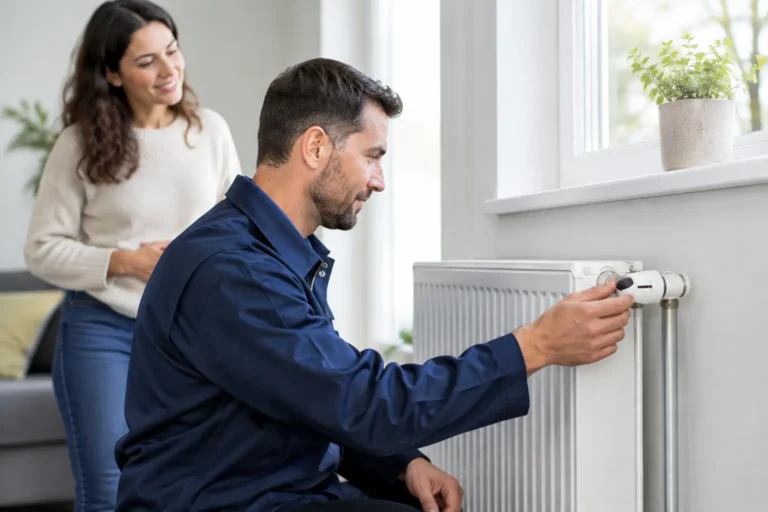
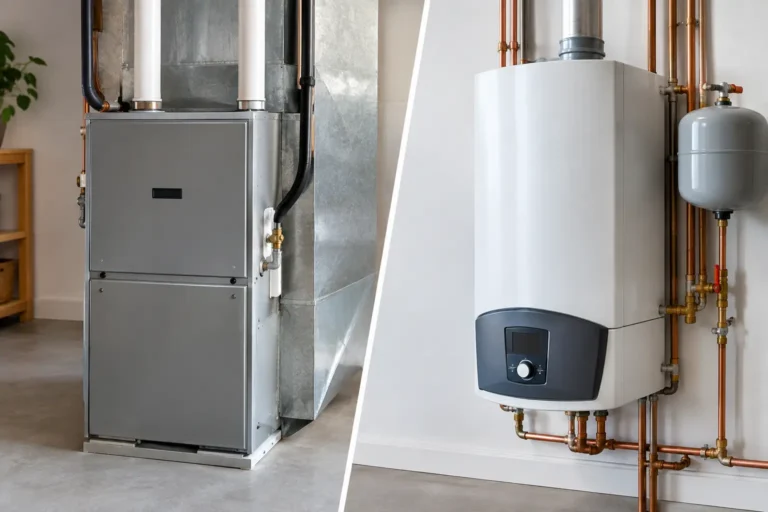
HVAC systems rarely operate in isolation. A furnace replacement may involve venting, thermostat controls, ducts, humidification, or an air-conditioning connection. Replacing a boiler can involve pumps, controls, radiators, or in-floor heating zones. A gas fireplace issue may require combustion and venting checks. A hot-water tank replacement can reveal aging shutoff valves, venting concerns, or drainage needs.
That is why it helps to work with a contractor that can assess heating, cooling, ventilation, gas appliances, and hot water as connected parts of the property. A complete view prevents mismatched equipment and helps identify safety issues before they become emergency calls.
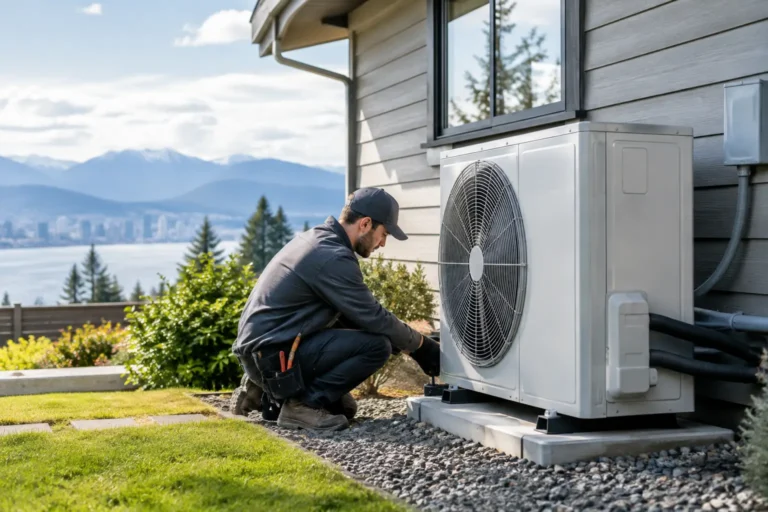
Heat pumps deserve particular consideration for properties planning an upgrade. They can reduce reliance on conventional heating while providing air conditioning in warmer months. Available government incentives may help eligible customers with heat pump installations, and incentive pathways may also be available for heat pump water heaters. Program rules, funding levels, equipment requirements, and eligibility can change, so confirm the current details before making a final purchase decision.
Financing can also make a planned replacement more manageable. The key is to compare the full installed cost, expected operating costs, warranty coverage, and payment terms rather than focusing only on a monthly payment.
What to Expect From a Professional Assessment
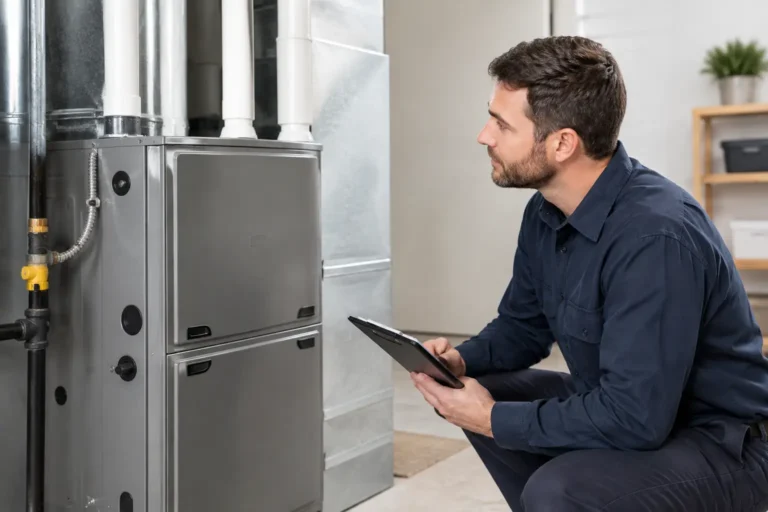
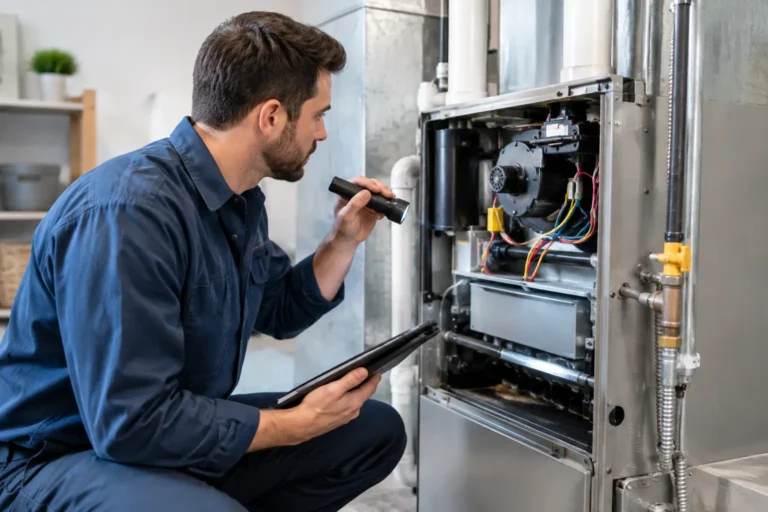
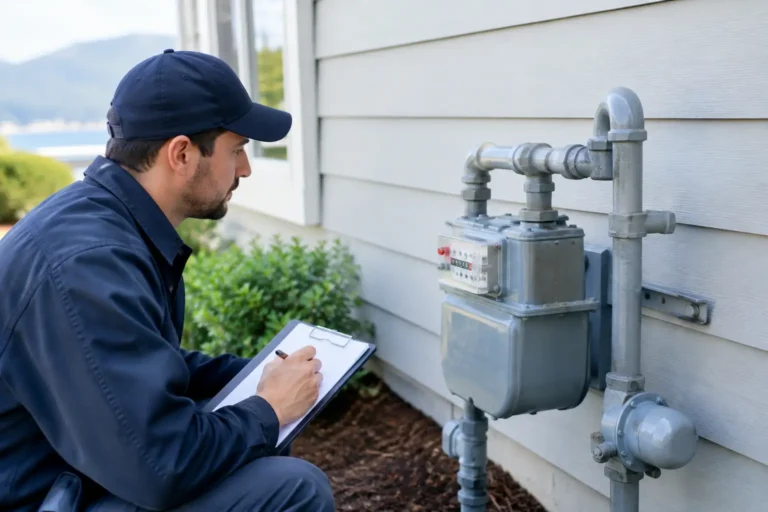
A good service visit starts with diagnosing the actual problem, not guessing at the solution. The technician should inspect the equipment, verify operation, check relevant safety controls, and explain what was found in plain language. For combustion equipment, that may include checking ignition, venting, gas connections, and signs of carbon monoxide risk. For cooling equipment, it may include electrical components, airflow, drainage, refrigerant-related performance, and thermostat controls.
If replacement is recommended, you should receive a clear reason for that recommendation. Ask whether repair remains a safe option, how long the current equipment might reasonably last, what future repairs are likely, and what improvement the proposed replacement is expected to provide. There is no benefit in replacing serviceable equipment solely because it is older, but there is also no value in repeatedly paying to revive a unit that has become a liability.
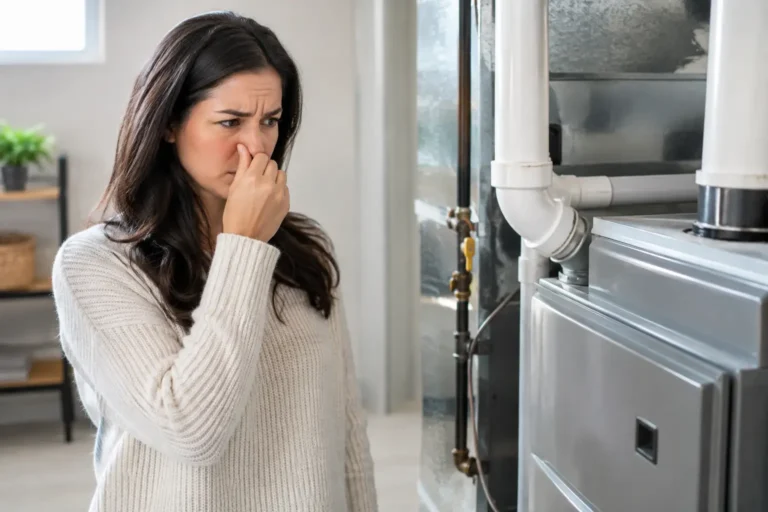
For emergency concerns such as a suspected gas leak, carbon monoxide alarm, burning smell, visible water near electrical equipment, or a furnace that is not venting properly, prioritize safety. Leave the area if needed, follow emergency instructions, and have licensed professionals assess the equipment before using it again.
Plan Before the Next Breakdown
The best time to compare HVAC repair and replacement options is before a complete failure forces the decision. Annual maintenance, filter changes, prompt attention to unusual noises or odors, and a record of past repairs make it easier to see whether a system is still dependable.
FlameCo Heating Services provides licensed, bonded, and insured service for heating, cooling, ventilation, gas, and hot-water equipment across Maple Ridge and the Lower Mainland, including emergency calls when comfort or safety cannot wait. Whether a repair restores years of useful service or replacement is the more responsible investment, the goal should be clear costs, safe work, and equipment you can rely on when the weather changes.