A furnace that quits at 2 a.m. is more than an inconvenience when the temperature drops. An air conditioner that stops during a heat wave can quickly make a home, rental unit, or workplace uncomfortable and unsafe. When you search for 24 hour heating and air conditioning repair near me, you need a qualified contractor who can identify the problem, explain the cost clearly, and restore your equipment safely.
Emergency HVAC calls are not all the same. Some problems can wait until regular business hours with sensible precautions. Others involve no heat, extreme indoor temperatures, water leaks, electrical concerns, or possible gas issues that need immediate professional attention. Knowing the difference helps you protect your property and make the right call.
When to Call for 24 Hour Heating and Air Conditioning Repair Near Me
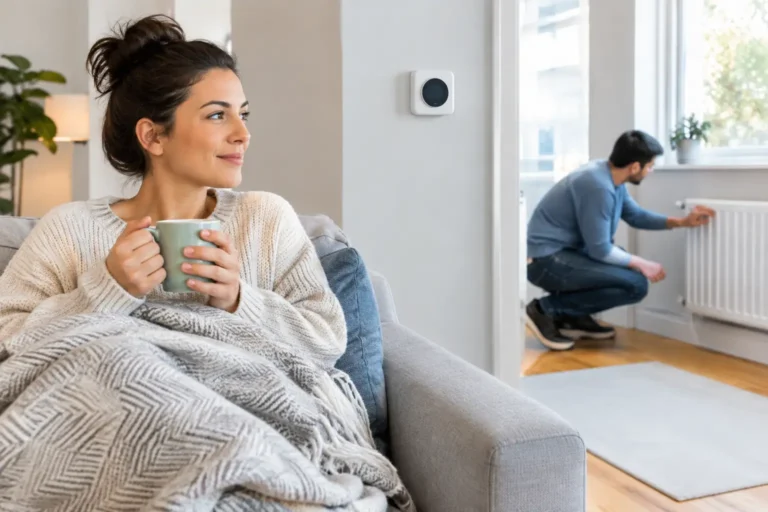
Call for emergency service when your heating or cooling failure creates a real comfort, safety, or property-risk issue. For homeowners, that often means a furnace or boiler has stopped during cold weather, a heat pump is blowing cold air when heat is needed, or an air conditioner has failed while indoor temperatures are rising rapidly.
For landlords, property managers, and commercial operators, the urgency may be even higher. A loss of heat can affect multiple tenants, vulnerable residents, pipes, inventory, or business operations. A failed rooftop unit, boiler, mini-split, or make-up air system can disrupt an entire building. Quick action can reduce tenant complaints, avoid secondary damage, and get the system back online sooner.
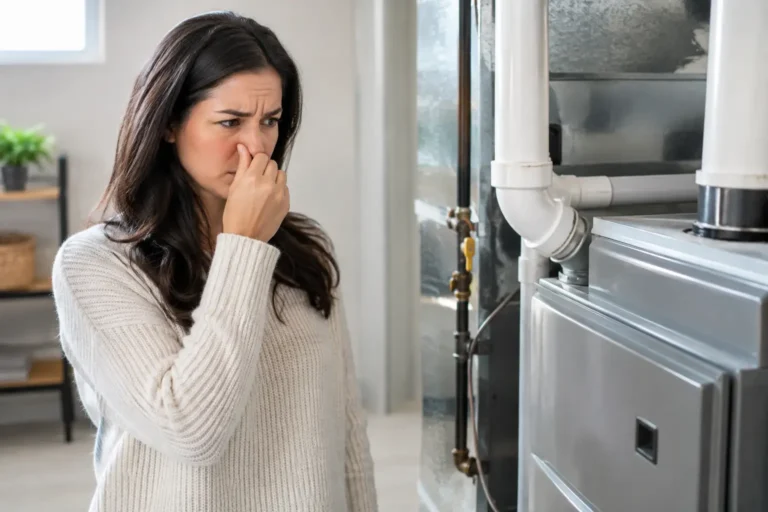
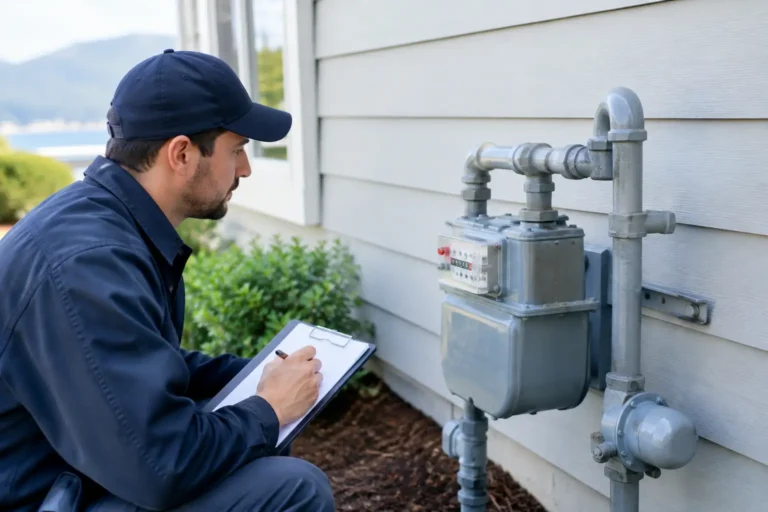
There are also situations where you should not wait or attempt a repair yourself. Turn off the equipment if it is safe to do so and seek qualified help if you notice a gas smell, a carbon monoxide alarm, smoke, sparks, repeated breaker trips, a burning odor, or significant water around electrical components. Leave the area and contact emergency services or the gas utility when there is an immediate gas or carbon monoxide concern.
What to Do Before the Technician Arrives
A few simple checks can help, but do not take apart your furnace, air conditioner, heat pump, boiler, or gas appliance. Modern comfort systems combine electrical components, high temperatures, pressurized refrigerant, combustion equipment, and safety controls. A quick DIY fix can become a larger repair or create a hazard.
First, check that the thermostat is set to the correct mode and temperature. If the system is not responding, look at the electrical panel for a tripped breaker. Check the furnace or air-handler switch if you know where it is located, and make sure the outdoor unit is not blocked by leaves, snow, ice, or debris. For cooling issues, a severely clogged air filter can restrict airflow and cause the system to shut down or freeze.
If you have a standard furnace, confirm that exterior intake and exhaust vents are clear. Snow, ice, nests, and debris can cause a high-efficiency furnace to lock out. Do not insert tools into vents or remove panels. If the system still will not operate, record what you see: error codes, unusual sounds, water leaks, thermostat readings, and when the issue began. That information gives the technician a useful starting point.
For a water leak, protect nearby belongings and place a container under a small, contained drip if it can be done safely. If a leak is heavy or near electrical equipment, shut off the unit only if you can do it safely, then call for help. Never ignore water around a furnace, boiler, air handler, or hot-water tank.
Common Emergency Heating Problems
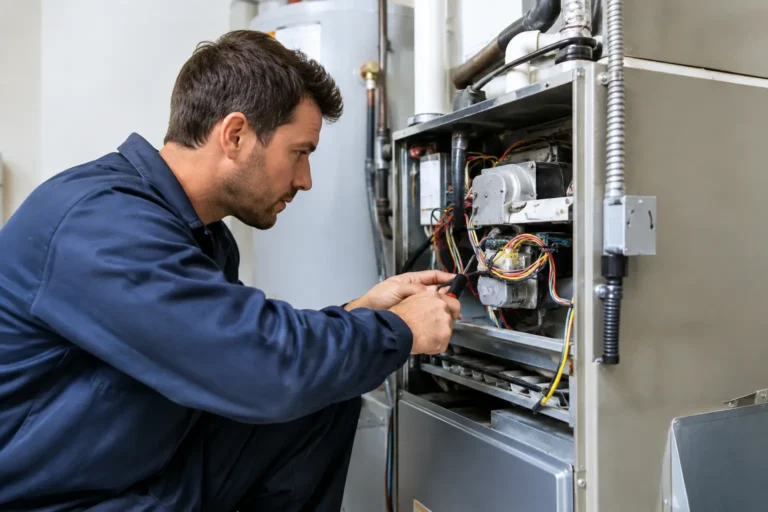
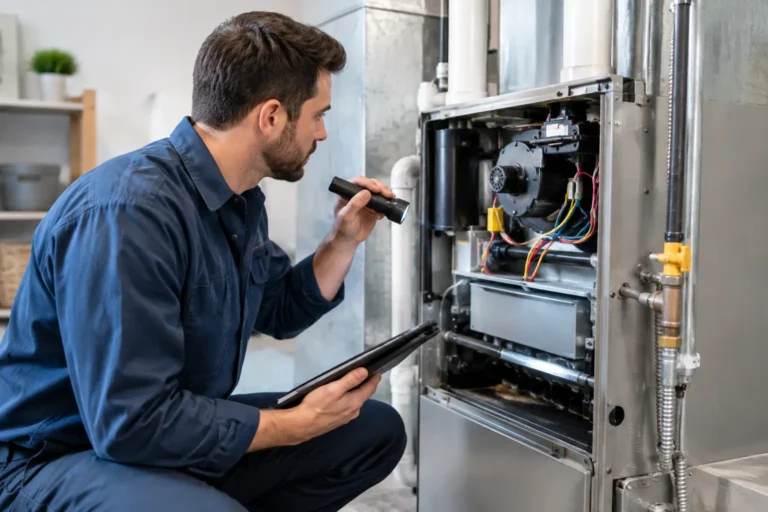
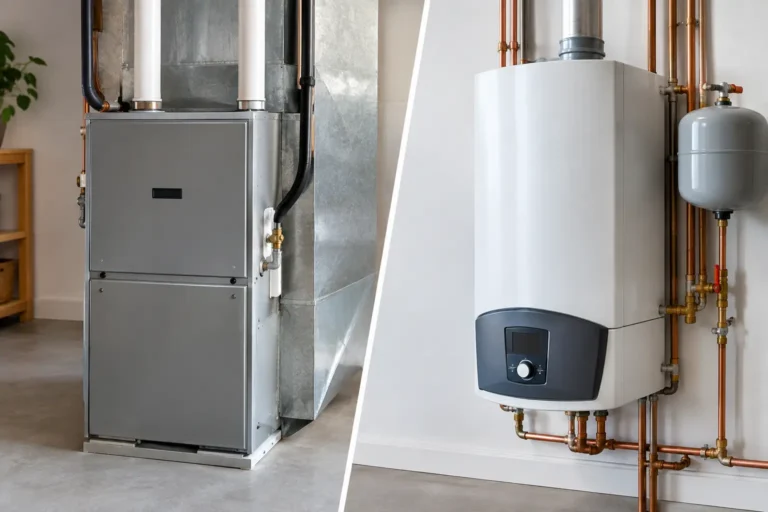
Heating systems often fail when they have been working hardest for days or weeks. A furnace may run but produce no heat because of ignition trouble, a failed flame sensor, a pressure-switch issue, airflow restriction, a blower motor problem, or a malfunctioning control board. The visible symptom may be simple, but the underlying cause needs proper diagnosis.
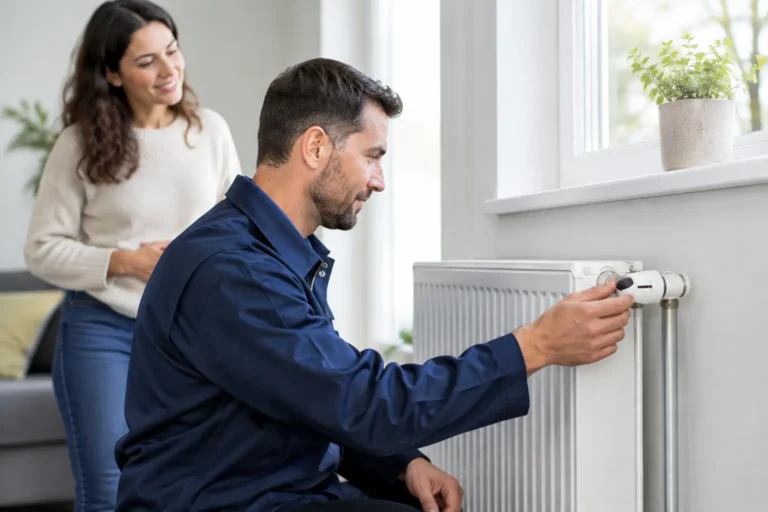
Boiler problems can include low pressure, circulating-pump failures, leaking components, zone-control issues, or ignition faults. A boiler that is not heating radiators or baseboards may have a mechanical issue, but it can also involve water pressure, controls, or combustion safety. These systems should be serviced by a licensed professional familiar with both heating equipment and gas-fired appliances.
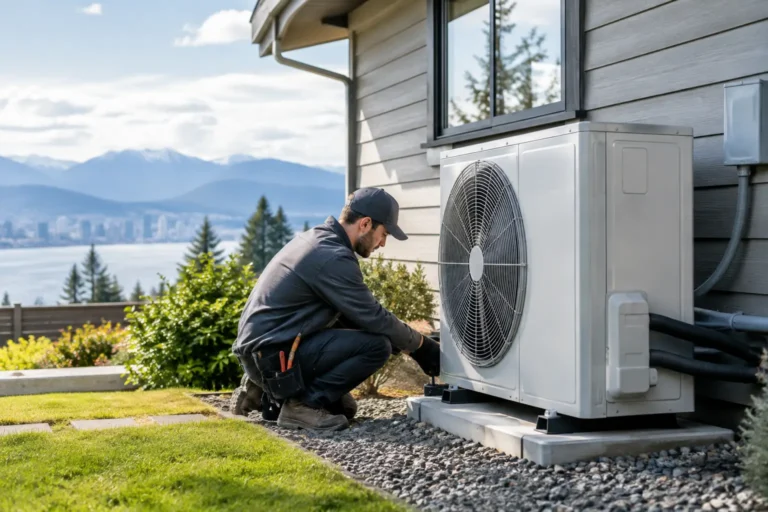
Heat pumps require a different approach because they provide both heating and cooling. In winter, occasional defrost operation is normal. Thick ice buildup, no heat, grinding noises, repeated shutdowns, or an outdoor unit that will not run are not normal. A technician can determine whether the problem is airflow, a defrost component, refrigerant, electrical controls, or another system fault.
Common Emergency Air Conditioning Problems
An air conditioner that blows warm air can have several causes, from a thermostat setting or dirty filter to a failed capacitor, compressor issue, frozen coil, blower problem, or refrigerant leak. The right repair depends on the source of the failure, not just the symptom.
If your AC is frozen, turn the cooling mode off and set the fan to ON only if airflow is still available. This can help the ice melt before service. Do not keep running a frozen system, and do not chip ice from the coil. Continued operation can damage equipment and turn a manageable repair into a more expensive one.
Water around an indoor air handler is another concern. A clogged condensate drain may be the cause, but a leaking system can also damage ceilings, flooring, insulation, and electrical components. Fast service is especially valuable in apartments, strata properties, offices, and retail spaces where one equipment failure can affect neighboring units or customers.
Repair or Replace? The Decision Depends on the System
An emergency repair does not automatically mean you need a replacement. Many failures involve a specific part that can be repaired safely and cost-effectively. The age of the equipment, repair history, parts availability, overall efficiency, and condition of the major components all matter.
Replacement deserves consideration when an older furnace, air conditioner, boiler, or heat pump needs a costly major repair, breaks down repeatedly, or no longer meets the property’s comfort needs. An oversized or undersized system can waste energy and create uneven temperatures even when it is technically operational. A qualified contractor should explain the repair option alongside the replacement option without pressure, including expected costs and practical trade-offs.
For eligible homeowners, an efficient heat pump or heat pump water heater may also open the door to available government incentive programs. Incentives, financing options, and long-term operating costs can change the economics of replacing aging equipment. The best choice depends on your home, electrical capacity, existing heating system, budget, and available programs at the time of installation.
Why Licensed Emergency Service Matters
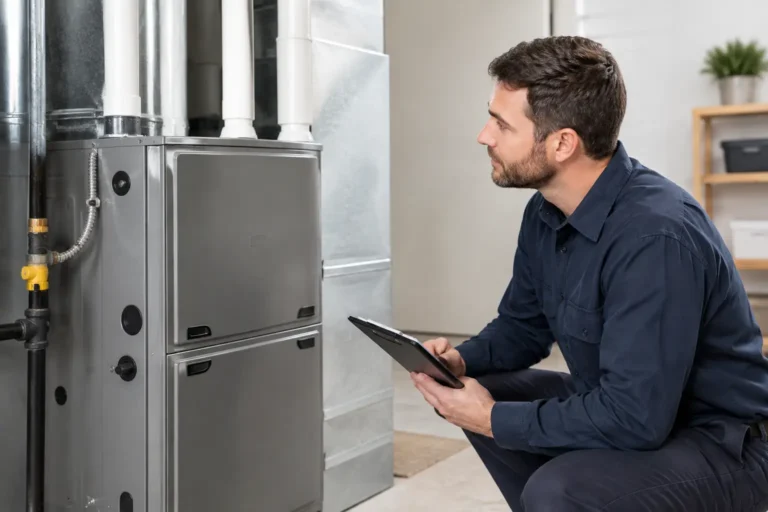
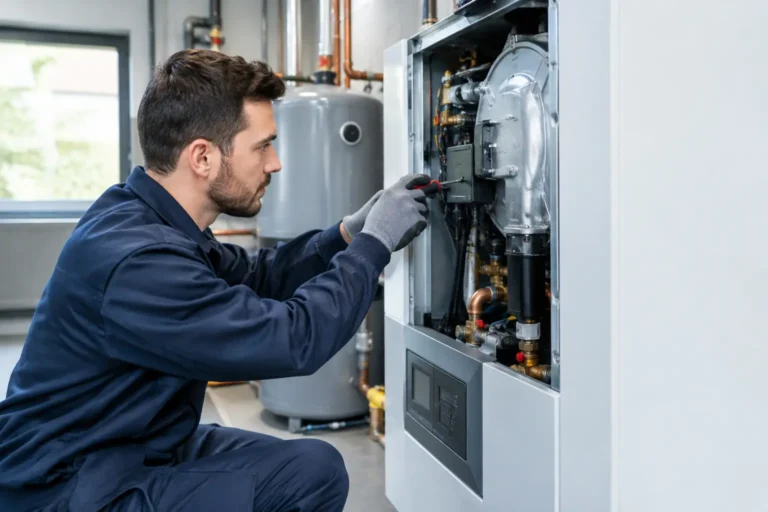
Heating and cooling systems are not isolated appliances. A furnace can involve gas piping, venting, electrical connections, combustion safety, thermostat controls, and air distribution. A heat pump may involve electrical diagnostics, refrigerant handling, indoor and outdoor components, and drainage. A boiler or fireplace adds its own safety requirements.
That is why emergency work should be handled by a properly licensed, bonded, and insured contractor. You need more than a quick restart. You need confirmation that the equipment is operating safely, that the repair addresses the actual failure, and that you understand the cost before work proceeds.
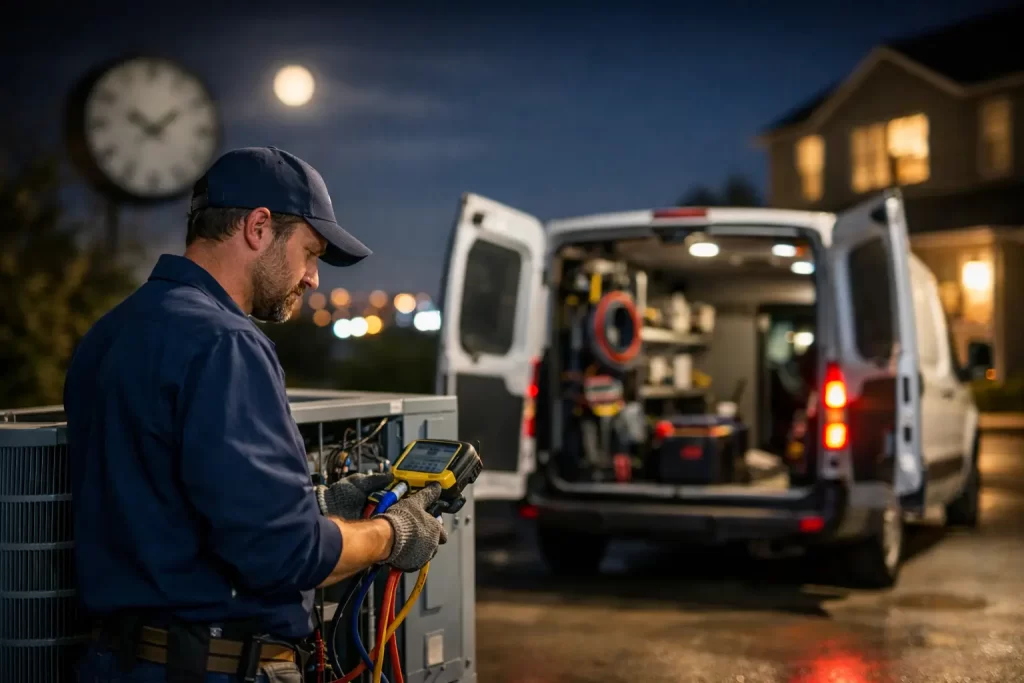
FlameCo Heating Services provides 24/7 support for heating, cooling, ventilation, hot-water, and gas equipment across Maple Ridge, Metro Vancouver, and the Lower Mainland. With licensed service under license number LGA202344, the focus is straightforward: assess the problem, provide clear options, and complete the work with safety and accountability in mind.
How to Get a Faster Emergency HVAC Response
When you call, have your address, equipment type, and symptoms ready. Let the dispatcher know whether you have no heat, no cooling, a leak, an unusual smell, an error code, or a possible gas concern. If the equipment has a visible brand and model number, share that as well. It can help the technician arrive prepared.
Keep access clear to the furnace room, mechanical area, thermostat, electrical panel, and outdoor equipment if conditions are safe. For rental and commercial properties, make sure the authorized contact can approve work or be reached promptly. A fast diagnosis is helpful, but timely authorization is often what gets repairs moving.
Comfort equipment rarely chooses a convenient time to fail. The right emergency response protects your people, your property, and your peace of mind while giving you a clear path forward.