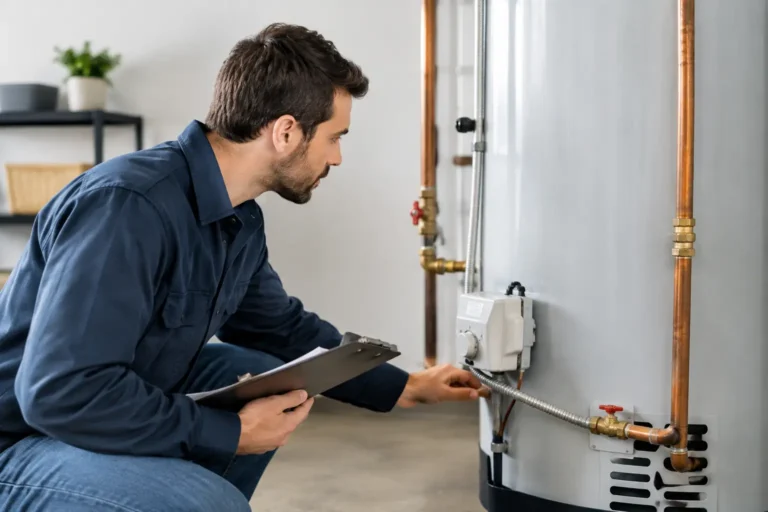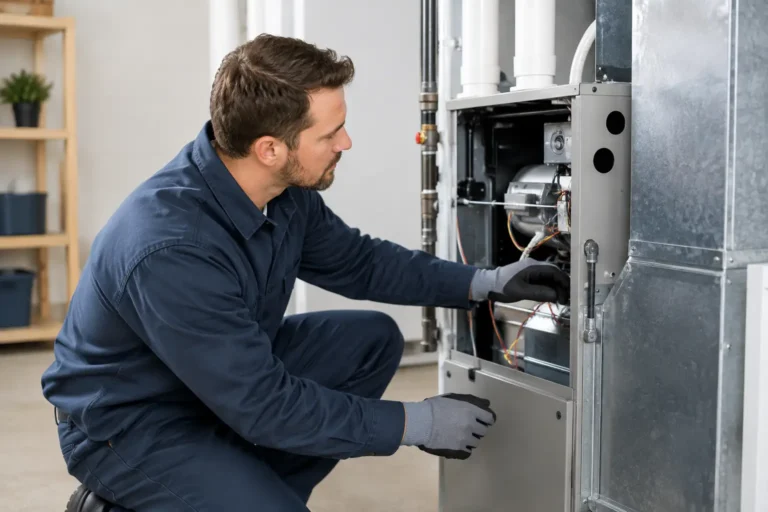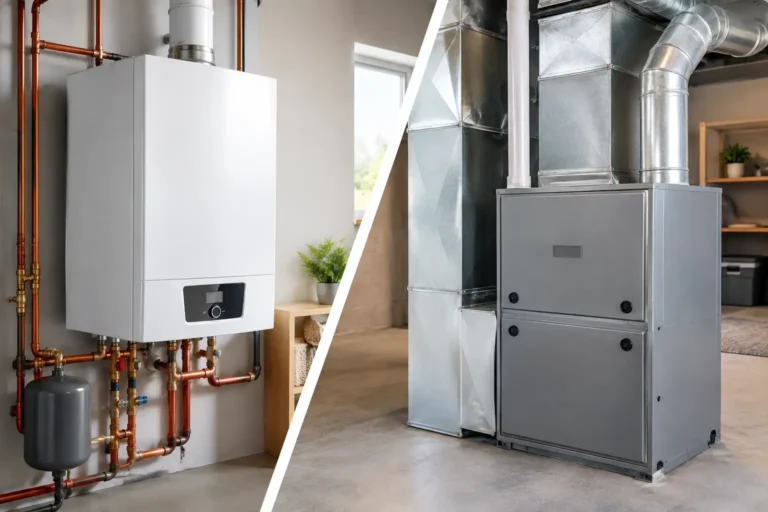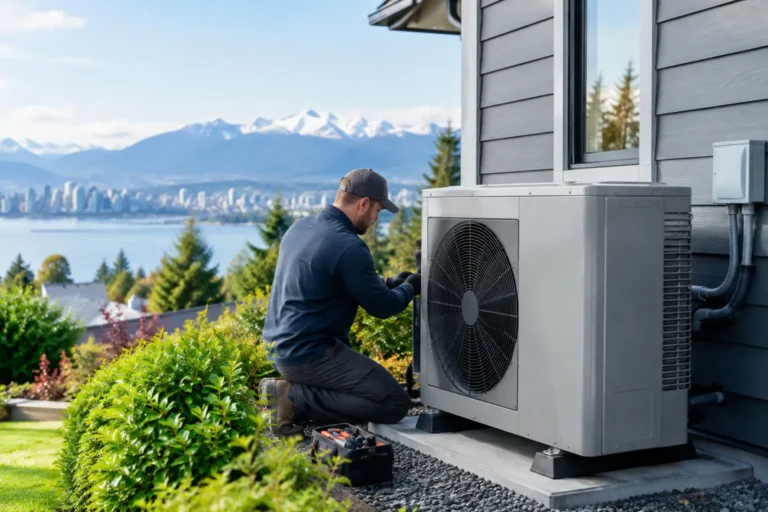
A furnace that quits during a cold Lower Mainland night, a leaking hot-water tank, or an air conditioner that cannot keep up is not a problem most property owners can postpone. HVAC financing options can turn a necessary repair or replacement into manageable monthly payments, so you can address comfort and safety before a small failure becomes a bigger expense.
Financing is not only for complete system replacements. Depending on the provider and approval terms, it may help with a new high-efficiency furnace, heat pump, boiler, mini-split, air conditioner, hot-water tank, or a major repair. The right choice depends on the urgency of the job, the age and condition of your equipment, your available cash, and the total cost over the life of the payment plan.
When Financing Makes Sense
Paying cash is straightforward when the repair is affordable and the equipment still has years of reliable service ahead. But a low-cost repair is not always the lowest-cost decision. If an older furnace needs an expensive component, has a history of breakdowns, or is operating inefficiently, putting money toward a replacement may protect you from another emergency call a few months later.
Financing can be especially practical when a failed system affects daily living or tenant comfort. Homeowners may need heat, cooling, or hot water restored immediately. Landlords and property managers may need to limit disruptions, meet their responsibilities, and keep a building operating safely. A structured payment plan can allow the work to move forward without draining funds set aside for other household or property needs.
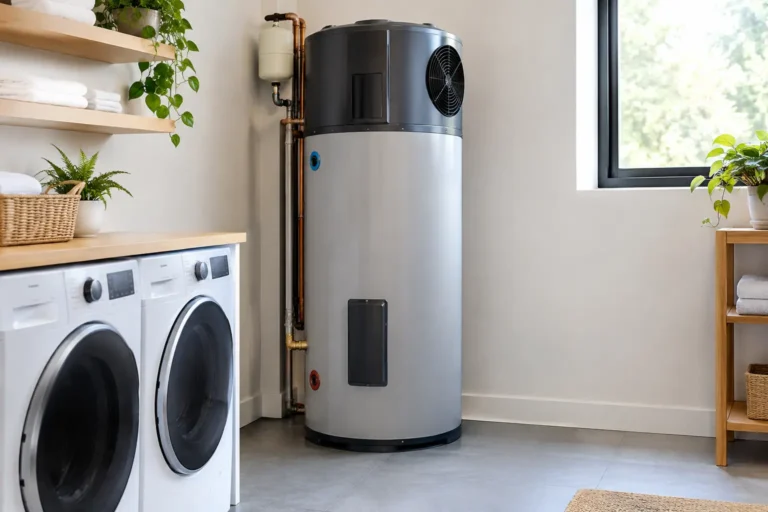
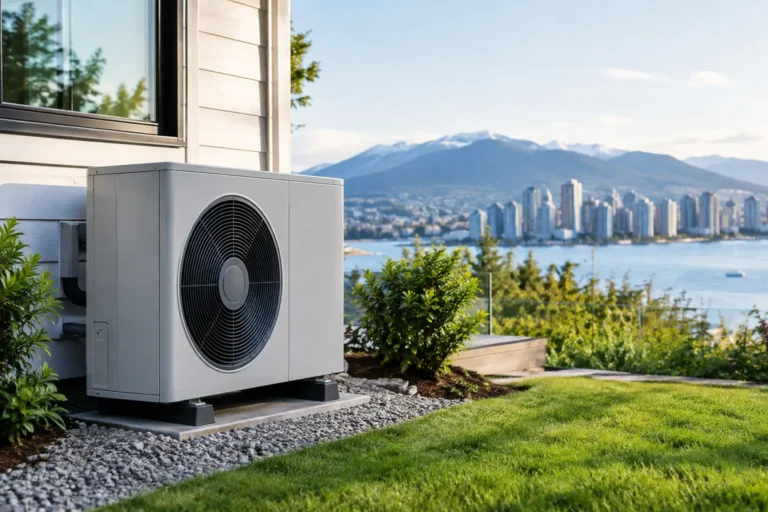
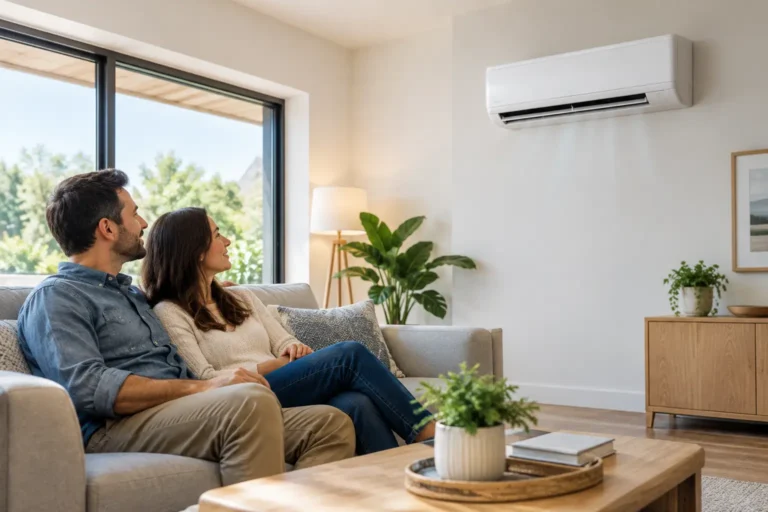
It is also worth considering financing for an energy-efficiency upgrade. Replacing aging equipment with a properly sized high-efficiency system may reduce energy use while improving comfort. Heat pumps can be a strong option for many homes because they provide both heating and cooling. Heat pump water heaters may also qualify for available government incentive programs. Eligibility, funding levels, equipment requirements, and deadlines can change, so confirm current program details before making a final purchase decision.
Common HVAC Financing Options
Contractor-arranged financing
Many HVAC contractors work with financing providers that offer installment plans for qualified customers. This is often the simplest route when you need a replacement quote and financing decision in the same process. Payments may be spread over a set term, and some programs offer promotional rates or deferred-payment periods.
Read the terms carefully. A low monthly payment can result from a long repayment period, which may increase the total interest paid. Promotional offers can be useful, but understand exactly when the promotion ends, whether interest accrues during that period, and what happens if the balance is not paid in full by the deadline.
Personal loan
A personal loan from a bank, credit union, or online lender can offer a fixed payment and fixed term. This can make budgeting easier, particularly for a planned replacement rather than an overnight emergency. Your interest rate will generally depend on your credit profile, income, debt level, and lender requirements.
A personal loan may be worth comparing if you want to separate the financing arrangement from the installation contractor. However, approval can take longer than contractor-arranged financing, and rates are not always better. Compare the total repayment amount, not just the advertised interest rate.
Home equity financing
A home equity line of credit or other secured borrowing option may provide a lower interest rate than unsecured borrowing. It can be suitable for a larger project, such as replacing multiple systems in a rental property or combining HVAC work with other home improvements.
The trade-off is that your home is tied to the loan, and the application process may take time. It is rarely the best solution for a no-heat emergency that requires same-day action. It can be more appropriate when you are planning an upgrade before your existing equipment fails.
Credit card payment
A credit card can cover a smaller repair or bridge a short gap before funds are available. It may also make sense when you can pay off the balance quickly. For a full furnace, heat pump, or boiler replacement, standard credit card interest can become costly if the balance remains unpaid.
Before using a card, confirm your credit limit, interest rate, and whether a promotional offer applies. Do not let the speed of payment hide the true cost of carrying a large balance.
Compare the Full Cost, Not Just the Monthly Payment
A financing plan should make a necessary project manageable, not create a payment surprise later. Ask for the equipment and installation price separately from financing information. Transparent pricing helps you understand what you are buying and what you are paying to borrow.
Before signing, make sure you can answer these questions:
- What is the total installed price, including labor, materials, permits, and applicable taxes?
- What is the annual percentage rate, payment frequency, and length of the term?
- What is the total amount you will repay if you make every scheduled payment?
- Is there a promotional rate, and what rate applies after it ends?
- Are there origination fees, administrative fees, late-payment charges, or prepayment penalties?
For commercial owners and property managers, also confirm who is responsible for the financing obligation, how invoices are organized across units or equipment, and whether the work can be scheduled to reduce tenant disruption. A clear scope of work matters as much as the payment plan.
Repair or Replace: Finance the Right Solution
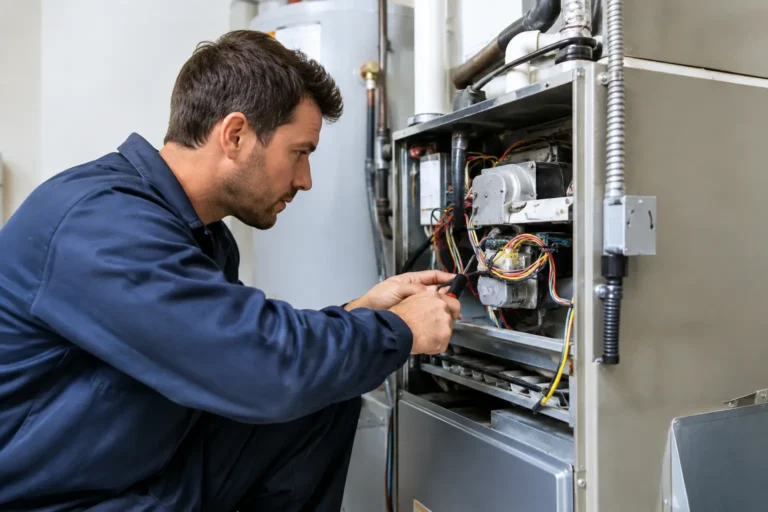
Financing should not push you into replacing equipment that can be safely and reliably repaired. At the same time, it should not trap you into repeatedly paying for repairs on equipment near the end of its service life. A qualified technician should assess the issue, explain the repair, and provide a clear replacement recommendation when it is warranted.
Consider the equipment’s age, repair history, safety condition, efficiency, and the cost of the proposed repair relative to replacement. A furnace with a cracked heat exchanger, a boiler with repeated failures, or a water heater showing significant corrosion may call for a replacement discussion. Gas equipment and combustion-related concerns deserve prompt attention from licensed professionals.
For heat pumps and air conditioners, sizing and installation quality matter. An oversized or undersized system can reduce comfort and efficiency, even if the equipment has a high efficiency rating. Financing a poorly matched system is still a poor investment. Request an assessment that accounts for the building, existing ductwork or electrical capacity, and how the space is actually used.
Use Rebates and Incentives Carefully
Rebates and government incentives can reduce your out-of-pocket cost, but they should not be treated as guaranteed until eligibility is confirmed. Programs may require specific equipment models, contractor qualifications, pre-approval, energy assessments, or documentation after installation. Some incentives are limited by available funding.
If you are considering a heat pump or heat pump water heater, ask which incentives may apply and what must happen before work begins. Keep copies of quotes, invoices, equipment details, and any required application materials. Financing may cover the full project cost upfront, while an approved rebate can later be applied to the remaining balance or retained for other property expenses. The timing varies by program.
Choose a Contractor Before You Choose a Payment Plan
The best financing offer does not make up for unclear workmanship, vague scope, or an installer who cannot support the equipment after the job is complete. Start with a detailed quote that identifies the system, major work included, warranty information, expected schedule, and any conditions that could affect the final price.
For gas appliances, boilers, fireplaces, furnaces, and hot-water equipment, confirm the contractor is properly licensed, bonded, and insured. For urgent failures, ask whether emergency service is available and whether the diagnostic findings will be explained before major work is approved. You should know what failed, what your immediate options are, and what each option costs.
FlameCo Heating Services provides clear replacement and repair guidance for homeowners, landlords, and commercial properties across Maple Ridge and the Lower Mainland. The goal is not to steer every customer toward the largest project. It is to restore safe, dependable comfort with a plan that fits the equipment, the property, and the budget.
If a system is showing warning signs now, arrange an assessment before the next cold snap, heat wave, or tenant complaint turns a planned decision into an emergency. A clear quote, realistic payment terms, and the right equipment can give you room to act with confidence.