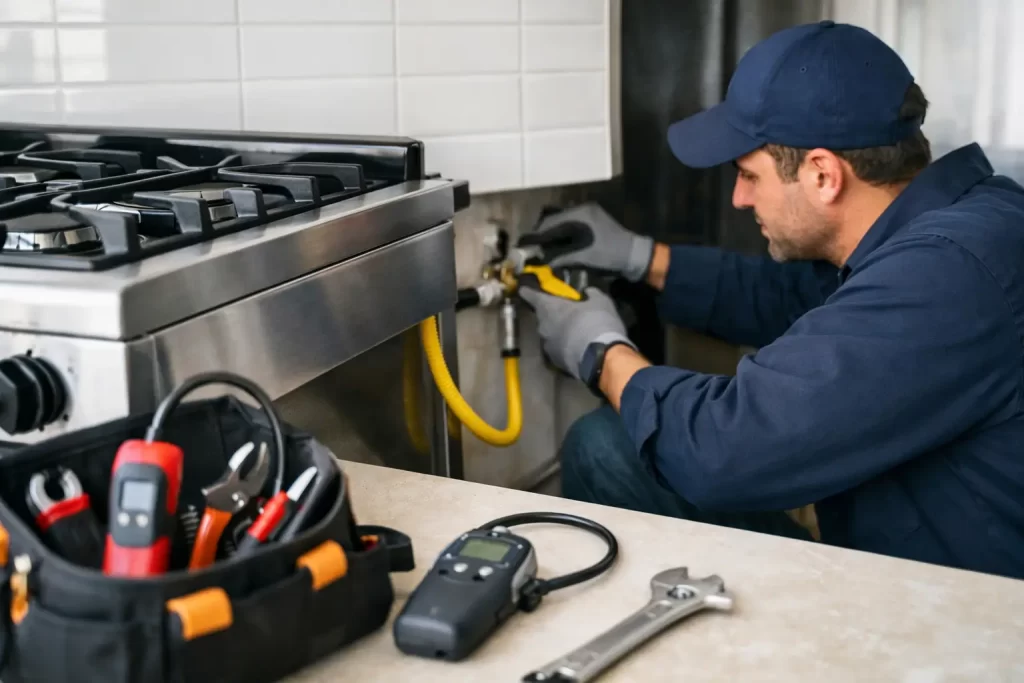
A new gas range, fireplace, water heater, dryer, or patio heater should make life easier, not introduce a safety concern. Proper gas appliance installation is more than connecting a supply line and turning on the fuel. It requires the right appliance, correctly sized piping, approved venting where required, reliable shutoff access, and testing that confirms the system is operating safely before anyone relies on it.
For homeowners, landlords, and property managers across Maple Ridge and the Lower Mainland, the right contractor can coordinate the work without leaving you to manage separate gas, ventilation, and heating trades. That matters when an appliance replacement affects existing ductwork, a chimney, electrical connections, hot-water service, or tenant schedules.
Why gas appliance installation needs licensed work
Natural gas and propane are efficient fuels, but they demand careful handling. A poorly installed connection can leak. Incorrect combustion settings can create carbon monoxide risk. Improper venting can allow combustion gases or moisture to enter the building instead of leaving it safely.
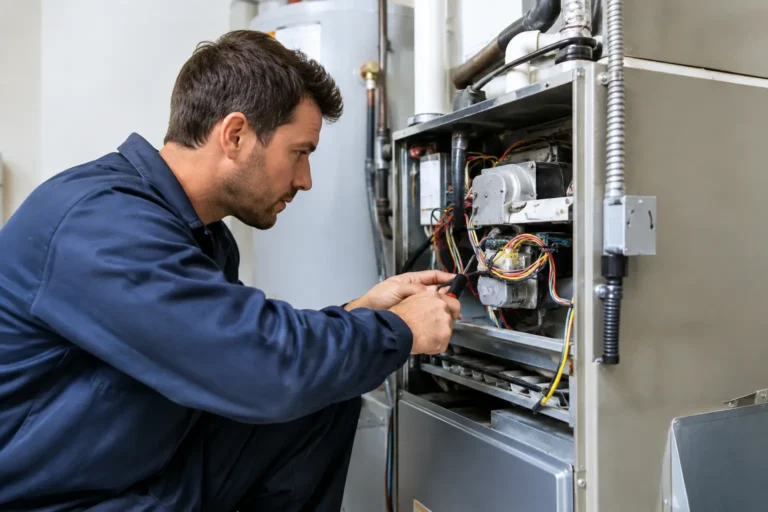
A qualified gas professional does not treat installation as a quick hookup. They verify fuel compatibility, gas pressure, pipe capacity, clearances, combustion air, venting requirements, and the manufacturer’s installation instructions. They also confirm whether permits and inspections are required by the local authority having jurisdiction.
This is particularly relevant in older homes and multi-unit properties. The appliance may be new, but the gas line feeding it may not have enough capacity for the added load. A line that served one furnace and water heater may need review before a new gas fireplace, cooktop, or tankless water heater is added.
What a professional installation should include
The exact scope depends on the appliance and building, but a safe installation starts with an on-site assessment. The contractor should identify the appliance’s fuel type, BTU input, location, venting method, electrical needs, and available gas supply. A direct-vent fireplace, for example, has very different requirements from a standard gas dryer or a vented water heater.
Correct appliance selection
The best replacement is not always the biggest unit or the lowest-priced model. A water heater must suit household demand, available space, venting conditions, and recovery needs. A gas fireplace should fit the room, approved vent route, and intended use. A commercial kitchen appliance may require coordination with ventilation and fire-safety systems.
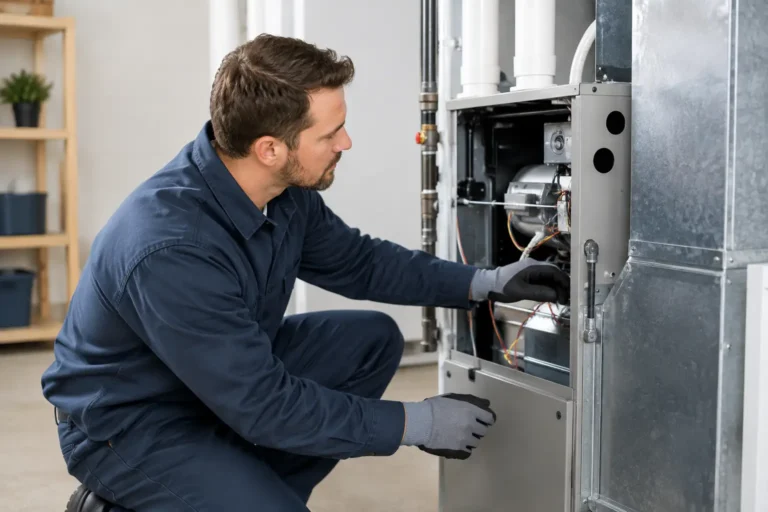
For heating equipment, sizing is especially important. An oversized furnace can cycle on and off too frequently, while an undersized unit may struggle during cold weather. When replacing equipment, a contractor should assess the building and the full system rather than simply match the old nameplate.
Gas line sizing and safe connections
Gas piping must deliver enough fuel at the proper pressure when multiple appliances are operating. The line size, length, material, fittings, regulators, and total connected load all matter. A new appliance can expose a capacity problem that was not obvious before.
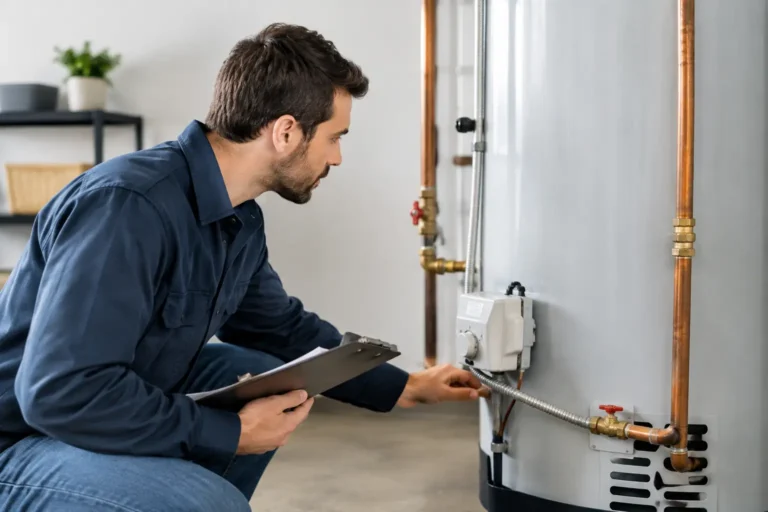
Professional work also includes an accessible shutoff valve where required and properly protected connections. Flexible appliance connectors are not interchangeable with every application, and concealed or damaged piping should never be assumed safe just because it has been in place for years.
Venting, drainage, and combustion air
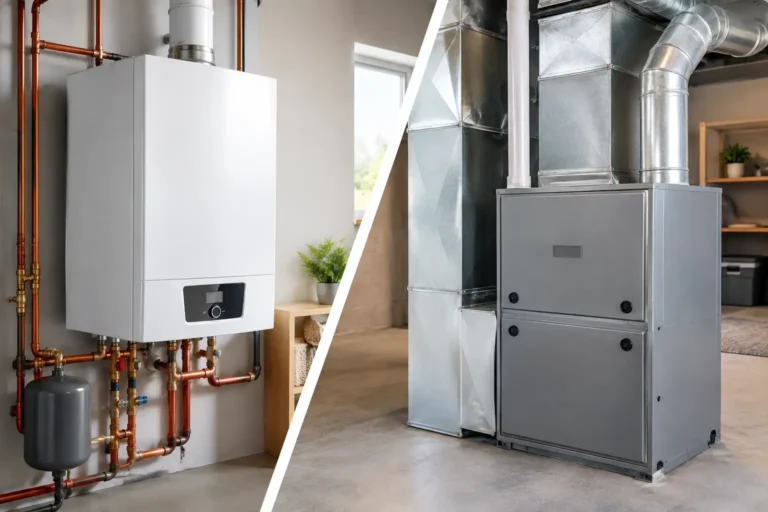
Many gas appliances produce combustion gases that must be vented outdoors through an approved system. Vent material, slope, termination location, and clearances from windows, doors, and air intakes are all part of the safety equation. High-efficiency equipment may use different vent materials and may produce condensate that needs appropriate drainage.
A venting route that looks straightforward from the outside can be complicated by framing, roof access, shared walls, attic space, or nearby building openings. This is why installation planning should happen before equipment is ordered, not after it arrives.
Testing and final startup
A finished installation should be tested, not guessed at. Depending on the equipment and scope, this can include leak testing, pressure verification, ignition checks, combustion analysis, venting verification, temperature checks, and confirmation that safety controls operate as intended.
The contractor should also show the owner or site contact how to use the equipment, where the shutoff is located, and what warning signs require immediate action. Keep manuals and installation records with your property documents, especially for rental and commercial sites.
When replacement becomes the smarter choice
Repair is often the right call when an appliance has a clear, isolated issue and the remaining service life supports the cost. Replacement deserves a serious look when repairs are recurring, parts are difficult to source, efficiency is poor, or an older unit no longer meets your property’s needs.
A planned replacement is easier to manage than an emergency failure. You have time to compare equipment, review installation options, arrange access, and understand the full price before the heat, hot water, or cooking equipment is out of service. Property managers can also schedule work around tenant needs rather than reacting to a late-night breakdown.
There is a trade-off with high-efficiency equipment. It can reduce fuel use, but installation may require changes to venting, drainage, electrical supply, or gas piping. A clear quote should explain those requirements upfront instead of presenting them as surprise add-ons after work begins.
Gas appliances and electrification options
Gas equipment remains a practical choice for many homes and commercial properties, particularly where existing gas service, cooking preferences, or equipment configuration make it a sensible fit. Still, replacement is a good time to compare all viable options.
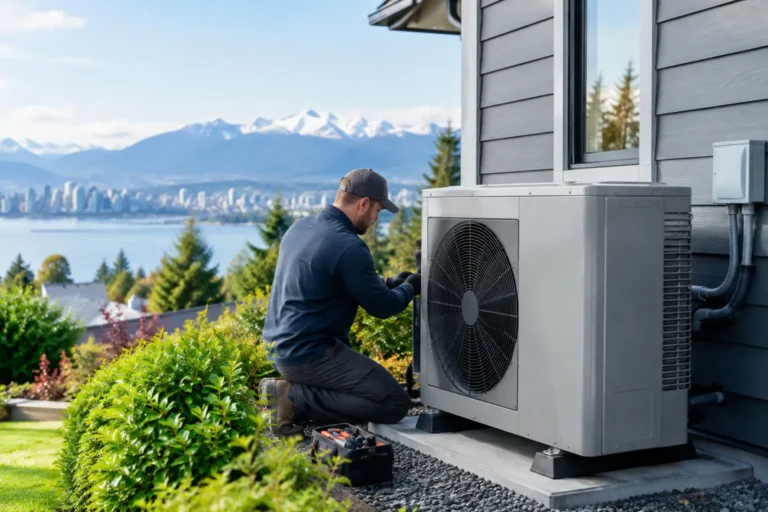
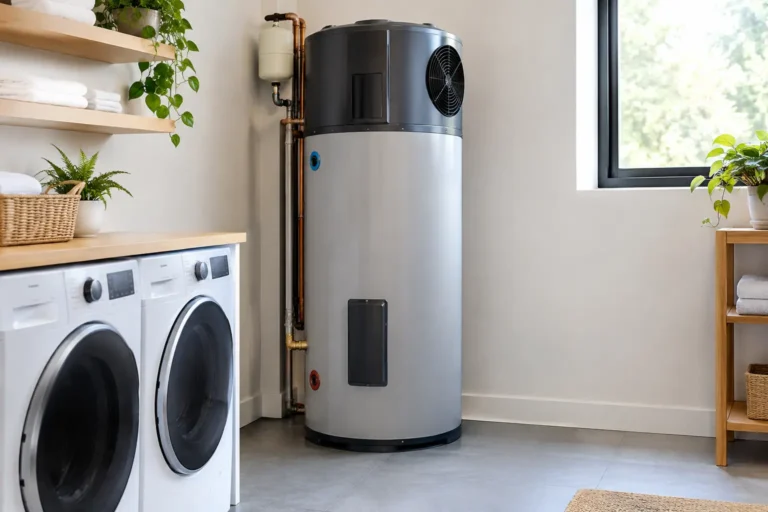
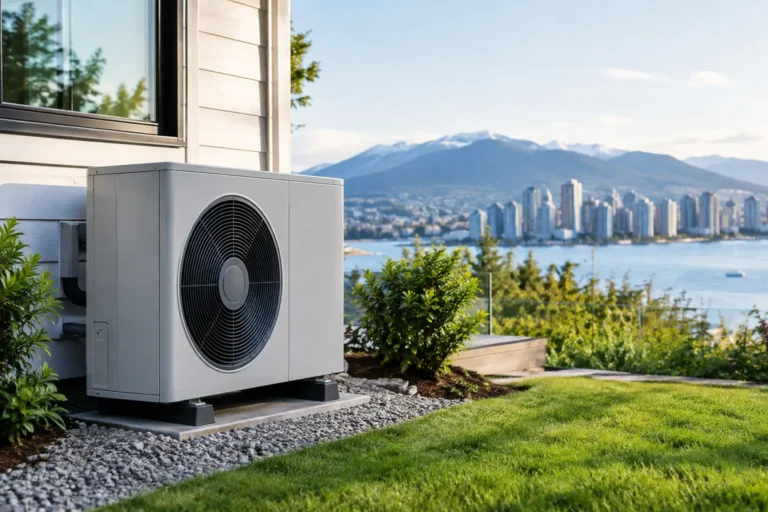
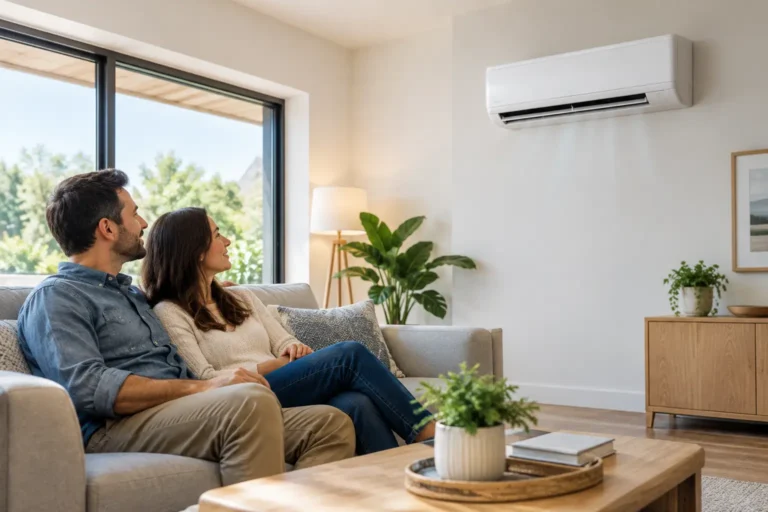
For space heating and hot water, heat pumps and heat pump water heaters may offer meaningful energy savings in the right building. Available government incentives can help reduce the cost of qualifying heat pump and heat pump water heater upgrades. Eligibility, equipment requirements, and available funding can change, so the decision should be based on current program rules, your electrical capacity, and the building’s heating and hot-water needs.
The useful question is not whether gas or electric is universally better. It is which option fits your property, operating costs, comfort expectations, and installation conditions. A contractor who handles both HVAC and gas work can give a more complete recommendation than one focused on only one type of equipment.
Warning signs that require fast action
Do not wait for a routine appointment if you suspect a gas leak or combustion problem. Leave the area and contact the appropriate emergency service or gas utility if there is an immediate concern. Once the area is safe, arrange qualified inspection and repair.
Watch for these signs:
- A sulfur or rotten-egg odor near a gas appliance or meter
- Headaches, dizziness, nausea, or flu-like symptoms that improve when you leave the building
- Soot, scorch marks, yellow burner flames, or unusual condensation around combustion equipment
- Repeated pilot outages, delayed ignition, banging sounds, or a carbon monoxide alarm
Carbon monoxide is colorless and odorless, so working carbon monoxide alarms are a necessary backup, not a replacement for proper installation and maintenance. Follow local requirements for alarm placement and replace units according to the manufacturer’s instructions.
What to ask before approving the work
Before scheduling installation, confirm that the contractor is licensed, bonded, and insured for the work being performed. Ask whether the quote includes permits, inspection coordination, removal of old equipment, venting changes, gas-line modifications, startup, and testing. A low initial number is not useful if essential code-related work appears later as an unexpected charge.
For occupied rentals, strata properties, and commercial sites, discuss access and disruption early. A good plan identifies when gas service may be shut off, whether tenants need notice, how long hot water or heat could be unavailable, and what happens if hidden site conditions are discovered.
FlameCo Heating Services provides licensed gas, heating, ventilation, and hot-water work across Metro Vancouver and the Lower Mainland, with transparent pricing and emergency response when a gas or comfort system cannot wait. Its license number is LGA202344.
A properly installed appliance should give you dependable heat, hot water, cooking, or ambiance without making you wonder what is happening behind the wall or inside the vent. Choose qualified installation, ask clear questions before work starts, and treat any gas or combustion warning sign as a reason to act promptly.