A new furnace is not a purchase to make based on a sticker price or the size of the unit being removed. Proper furnace installation determines whether your home heats evenly, your fuel costs stay manageable, and your family is protected from combustion and gas-related risks. For homes, rentals, and commercial properties across Maple Ridge and the Lower Mainland, the right plan starts with an on-site assessment by a qualified contractor.
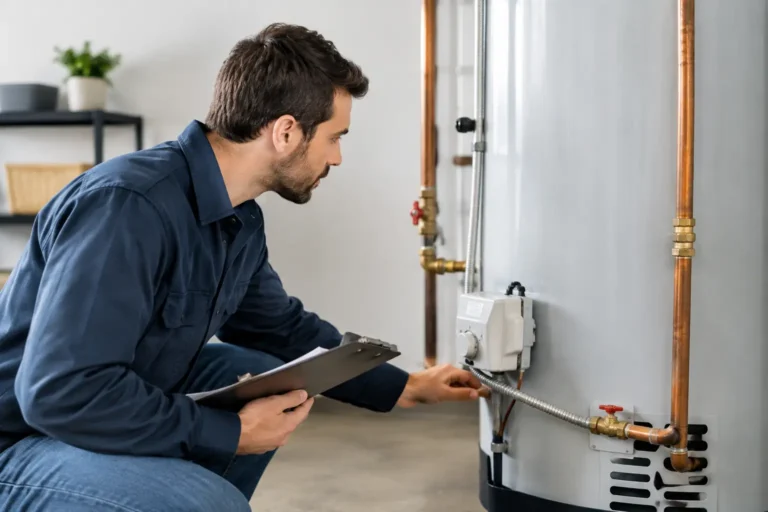
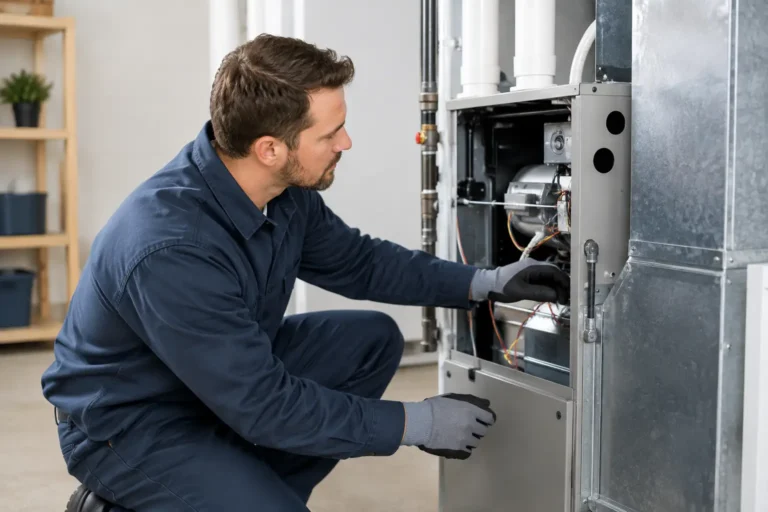
A furnace can look like a simple replacement job from the outside. In reality, it connects to your ductwork, thermostat, electrical supply, gas line, condensate drainage, venting system, and often your air conditioner or heat pump. Each connection needs to be evaluated before equipment is selected and installed.
What a Proper Furnace Installation Includes
The first step is determining whether replacement is the right call. Frequent repairs, uneven temperatures, rising utility bills, loud operation, a cracked heat exchanger, or a furnace that is 15 to 20 years old can all point toward replacement. But age alone does not make the decision. A repair may still be sensible when the issue is isolated and the equipment is otherwise safe and dependable.
When replacement makes sense, the installer should inspect the whole heating system rather than simply match the old furnace’s capacity. Older systems are often oversized, especially after window upgrades, insulation work, or renovations. An oversized furnace heats the house too quickly, then shuts off. That short cycling can create temperature swings, added wear, and unnecessary energy use.
A proper assessment considers the building’s square footage, insulation, windows, ceiling height, number of occupants, duct condition, and local climate. For a commercial space or multifamily property, it also accounts for operating hours, occupancy patterns, tenant comfort needs, and access for future service. The goal is equipment that can meet demand without cycling excessively or straining the distribution system.
Furnace Size Is Not a Guess
Furnace output is measured in BTUs, but a higher BTU rating is not automatically better. The right size depends on how much heat the structure actually loses on cold days. A qualified technician uses load-calculation principles and real property conditions to recommend a suitable capacity.
This step matters because ductwork can limit the performance of even a high-quality furnace. Restricted returns, undersized supply ducts, disconnected runs, and poor airflow can lead to hot and cold rooms, noisy operation, and premature equipment problems. If duct modifications are needed, it is better to identify them before installation day than after the new furnace is running poorly.
Choosing the Right Furnace for Your Property
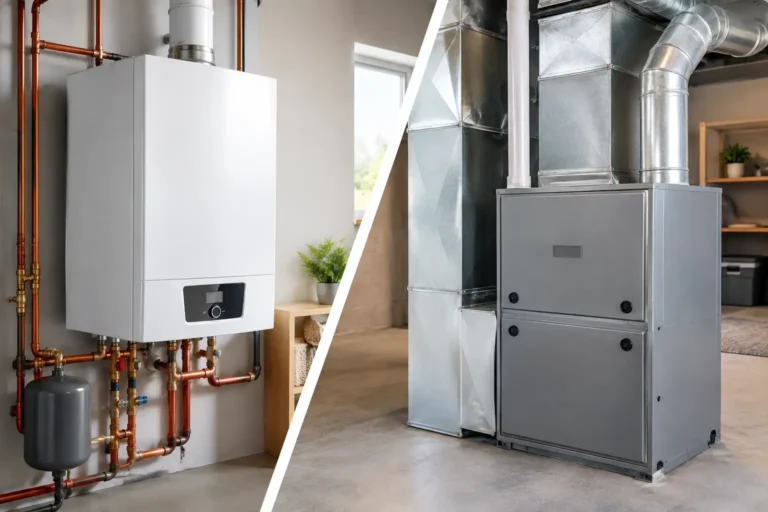
Most replacement decisions come down to fuel type, efficiency, comfort preferences, and budget. Natural gas furnaces remain a practical choice for many Lower Mainland properties with existing gas service. They provide dependable heat and can be paired with central air conditioning or certain heat pump configurations.
Efficiency is reflected by the AFUE rating. A higher AFUE furnace converts more fuel into usable heat, but the best option depends on the property, the existing venting arrangement, and the expected length of ownership. A high-efficiency condensing furnace can reduce fuel waste, but it may require new PVC venting and a condensate drain. Those upgrades add to the initial project scope while often improving long-term operating costs.
Comfort features matter too. Single-stage furnaces operate at full output whenever they run. Two-stage and modulating systems can adjust their output more gradually, which may provide steadier temperatures and quieter operation. Variable-speed blower motors can improve airflow control and may support better summer cooling performance when connected to an air conditioner or heat pump.
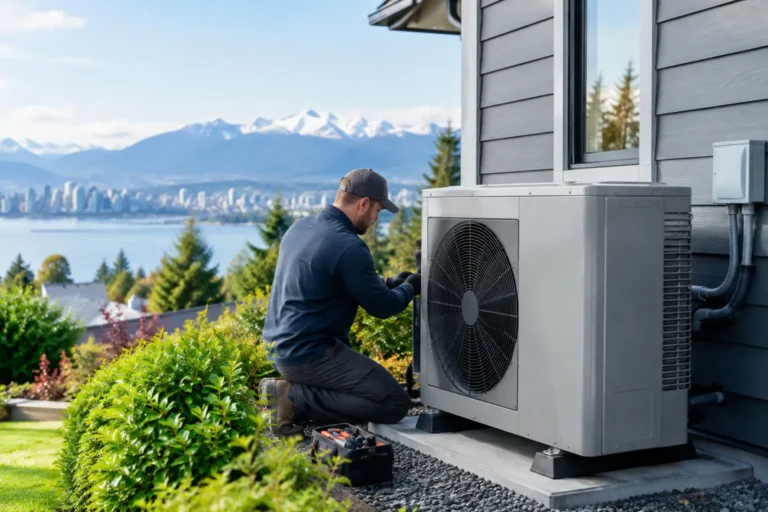
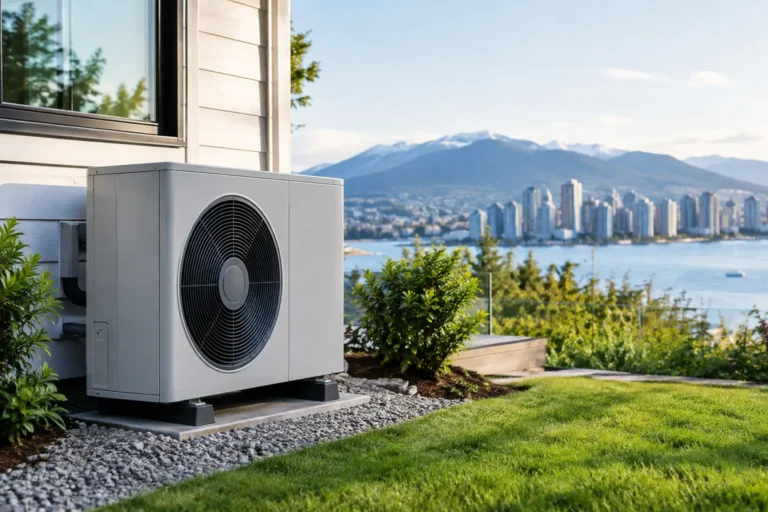
For some homeowners, a heat pump and furnace combination is worth considering. The heat pump handles much of the heating load in milder weather, while the furnace provides backup heat when temperatures drop. Available government and utility incentives can make qualifying heat pump upgrades more attractive, although programs, eligibility rules, and funding levels can change. An assessment should compare the upfront cost, expected operating costs, electrical requirements, and available rebate pathways before a decision is made.
Venting, Gas, and Drainage Cannot Be Overlooked
Combustion equipment requires careful installation because mistakes can affect safety as well as comfort. Furnace venting must be correctly sized, routed, sealed, and terminated outdoors. High-efficiency models produce condensate that must drain properly and be protected from freezing. Improper drainage can cause shutdowns, water damage, or equipment failure during the time you need heat most.
Gas piping also needs qualified attention. The line must be sized for the furnace and any other connected appliances, such as a gas range, fireplace, boiler, or water heater. A contractor should test connections, confirm proper gas pressure, and check for leaks before the system is placed into service. If you smell gas, leave the area, avoid switches and open flames, and contact your gas utility or emergency services from a safe location.
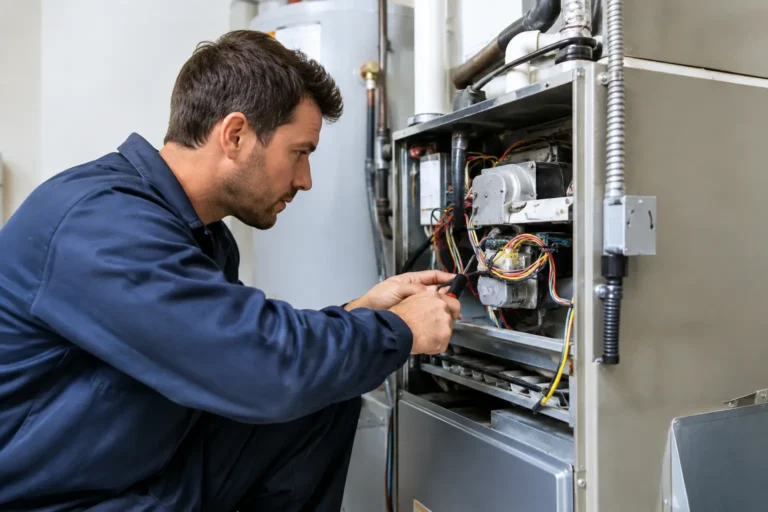
Electrical work, thermostat wiring, condensate pumps, and safety switches are equally important. A furnace is only as dependable as the system around it. Skipping these checks to speed up an installation can create repeat service calls and avoidable risks.
Permits, Startup, and Final Testing
A furnace replacement can require permits and code compliance depending on the equipment and scope of work. This is especially relevant when gas piping, venting, electrical circuits, or structural penetrations are changed. Licensed work helps protect the property owner, supports proper inspection where required, and provides a clear record of what was installed.
The installation is not complete when the furnace turns on. The technician should verify safe ignition, temperature rise, airflow, venting performance, gas pressure, condensate drainage, and thermostat operation. They should also confirm that carbon monoxide alarms are in place and working. Carbon monoxide is colorless and odorless, so alarm protection is a basic part of a safe home with fuel-burning equipment.
For property managers and landlords, commissioning matters even more. A documented startup helps establish a maintenance baseline and reduces uncertainty when future service is needed. Planning access, coordinating tenant notices, and confirming heat restoration before closing the job can limit disruption in occupied buildings.
What Affects Furnace Installation Cost
The furnace itself is only one part of the price. Costs can vary based on equipment efficiency, furnace capacity, accessibility, venting changes, duct repairs, gas-line upgrades, electrical needs, thermostat selection, permit requirements, and removal of the existing unit. A straightforward like-for-like replacement will usually cost less than a project that requires new venting routes or major airflow corrections.
Be cautious of a quote that lists only a furnace model and one low number. Ask what is included in the installation, whether permits are addressed, how venting and drainage will be handled, and whether startup testing is part of the work. Clear scope and upfront pricing make it easier to compare proposals fairly.
Financing may help spread out the cost of a necessary replacement, particularly when a failed furnace leaves little time to plan. It should be used to support a properly scoped solution, not to push a property owner into equipment that does not fit the building or budget.
Plan Before the Next Cold Snap
The best time to evaluate an aging furnace is before it fails on a cold night. If your system is unreliable, needs repeated repairs, heats unevenly, or has reached the end of its expected service life, arrange an assessment while you still have options. FlameCo Heating Services provides licensed, bonded, and insured heating and gas-related work, including furnace replacement planning and installation across the Lower Mainland.
A well-installed furnace should disappear into the background: steady heat, reasonable operation, safe combustion, and a system you can count on when the weather turns. That is the standard worth planning for.