A heat pump is built to operate outdoors, but it is not built to be ignored. Knowing how to protect heat pump equipment from blocked airflow, storm debris, ice, and preventable wear can reduce breakdown risk when your home needs heating or cooling most. The goal is not to seal up the outdoor unit. It is to keep it clear, stable, clean, and professionally maintained.
For homeowners and property managers across Metro Vancouver and the Lower Mainland, wet weather is part of the job. Rain itself is not usually the concern. Standing water, compacted snow, leaves, salt exposure, poor drainage, and improvised covers are far more likely to create trouble.
How to protect heat pump equipment without blocking airflow
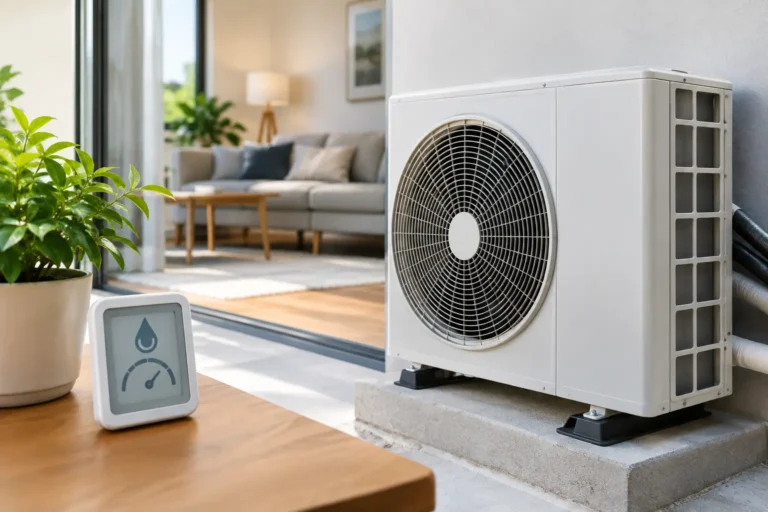
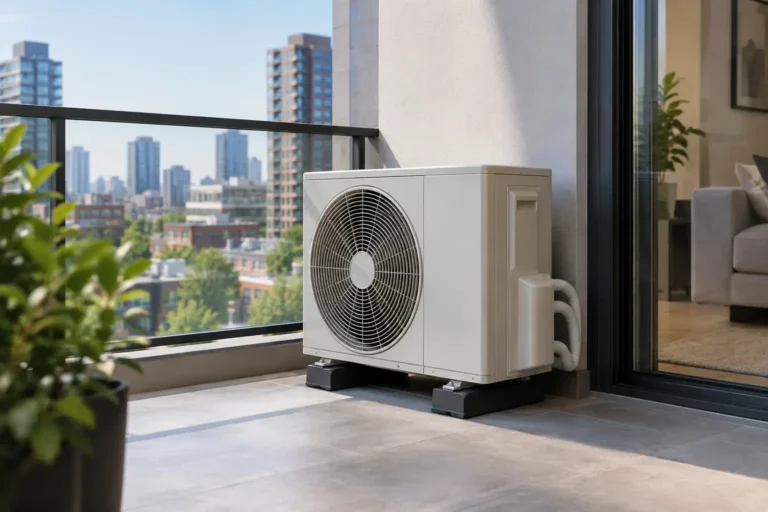
Your outdoor heat pump needs open space around it to move air through its coil. In heating mode, it pulls heat from outdoor air. In cooling mode, it releases heat outside. Either way, a blocked unit works harder, uses more electricity, and can lose capacity.
Keep leaves, grass clippings, soil, mulch, toys, patio furniture, and stored materials away from the unit. A reasonable rule is to maintain clear space around all sides and above the unit according to the manufacturer’s installation requirements. Do not build a tight box around it or lean plywood against it for winter protection.
A properly designed open-sided cover or awning can help deflect heavy falling water or roof runoff in some locations, but it must not restrict airflow or interfere with service access. This is not a one-size-fits-all project. The wrong enclosure can cause short cycling, icing, and higher operating costs.
If your heat pump sits below a roof edge, look at what happens during a hard rain or thaw. Water pouring directly onto the equipment, or snow and ice sliding off the roof, can damage the coil, fan guard, or cabinet. A qualified HVAC contractor can recommend whether a snow guard, drainage correction, or purpose-built protective structure makes sense for your property.
Keep water moving away from the outdoor unit
Heat pumps are designed for rain, but they should not sit in pooled water. Check the pad or mounting brackets a few times a year. The unit should remain level, secure, and high enough that normal rain runoff, snow accumulation, and landscape drainage do not collect around its base.
On ground-mounted systems, watch for soil settling and mulch buildup. A unit that shifts out of level may develop vibration, noisy operation, or drainage problems during defrost cycles. On wall-mounted systems, look for loose brackets, damaged anti-vibration supports, or visible rust.
During winter heating, frost can form on the outdoor coil. That is normal. The system periodically enters a defrost cycle to melt it, and the resulting water needs somewhere to go. If the drain area freezes solid or the unit is buried in snow, ice can build around the base and interfere with operation.
Do not chip ice from the coil or pour hot water over the unit. Both can cause damage. Instead, gently clear loose snow around the equipment and call for service if thick ice continues to form, the fan is striking ice, or the system is not completing defrost properly.
Protect the heat pump from snow, ice, and debris
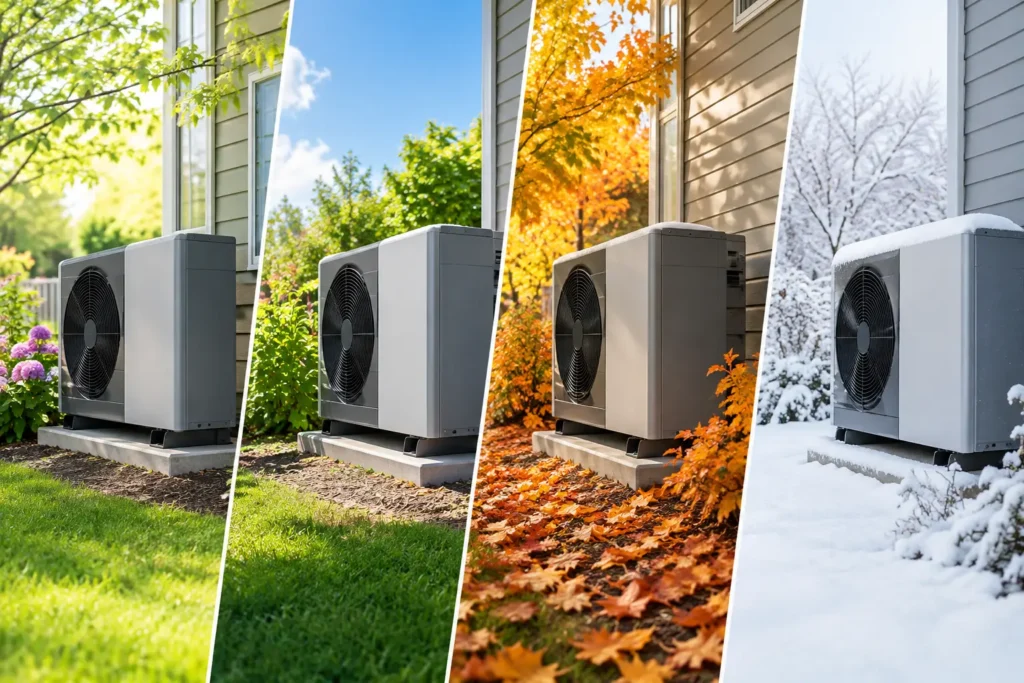
After a storm, inspect the outdoor unit before assuming a heating problem is a major failure. Clear snowdrifts from around the cabinet, leaving the coil and fan area unobstructed. Use a broom or soft brush for loose snow. Avoid shovels, ice picks, pressure washers, and anything that can bend the thin aluminum coil fins.
In fall, wet leaves can mat against the coil and reduce airflow. In spring and summer, cottonwood, grass, and dryer-lint-like debris can do the same. A light rinse with a garden hose can help remove surface dirt if the unit is off and you spray gently from the outside. Do not use a high-pressure nozzle. Bent fins and forced water in electrical components can turn simple cleaning into a repair call.
If you have trees near the unit, trim branches that could drop onto the cabinet during windstorms. Keep climbing vines away from the equipment. For strata properties, apartment buildings, and commercial sites, make outdoor-unit checks part of the grounds-maintenance routine rather than waiting for a tenant comfort complaint.
Do not cover a heat pump for winter
One of the most common mistakes is wrapping or covering a heat pump for the winter. Unlike a central air conditioner that may be inactive during cold weather, a heat pump often needs to run all winter long. A full cover can block airflow, trap moisture, encourage corrosion, and damage the system if someone turns it on while covered.
Even if you use another heating source and do not expect the heat pump to run, a sealed cover is rarely the best choice. Rodents may nest inside, moisture can remain trapped against the cabinet, and the unit may be accidentally started by a thermostat setting or control sequence.
If falling leaves are your concern, a breathable top cover designed specifically for the equipment may be appropriate only when the heat pump is confirmed off for an extended period. Follow the manufacturer’s guidance first. In most Lower Mainland homes, keeping the unit clean and uncovered is the safer plan.
Protect the indoor side of the system too
Heat pump protection is not limited to the cabinet outside. The indoor air handler, ductwork, thermostat, drain line, and electrical connections all affect performance.
Check or replace the air filter on the schedule recommended for your system and household. Homes with pets, renovations, fireplaces, or high occupancy may need more frequent filter changes. A clogged filter restricts airflow and can cause comfort problems that look like a heat-pump failure.
Keep supply and return vents open and clear of rugs, furniture, and storage. Closing many vents does not usually save energy. It can disrupt system airflow and add strain to the equipment.
For ductless mini-splits, keep indoor heads free from dust buildup and make sure the condensate drain is functioning. Dripping water, musty odors, reduced airflow, or visible staining near an indoor unit deserve prompt attention. Water damage spreads quickly when a drain line is blocked.
Use the thermostat carefully during cold weather
Heat pumps are most efficient when they maintain a steady indoor temperature. Large, frequent temperature setbacks can force some systems to rely more heavily on auxiliary heat, which may cost more to operate. The right settings depend on your equipment, backup heat source, insulation levels, and household schedule.
Avoid switching repeatedly between heating and cooling during shoulder seasons. Give the system time to respond. If your heat pump is running constantly, delivering cool air in heating mode, making unusual noises, or showing an error code, do not keep adjusting settings in hopes of correcting a mechanical issue.
A brief whooshing sound or temporary cool airflow during defrost can be normal. Burning smells, tripped breakers, grinding, repeated shutdowns, or a gas odor are not normal. If there is a suspected gas leak, leave the area and contact the appropriate emergency service. Do not attempt to diagnose gas equipment yourself.
Schedule maintenance before a small issue becomes a no-heat call
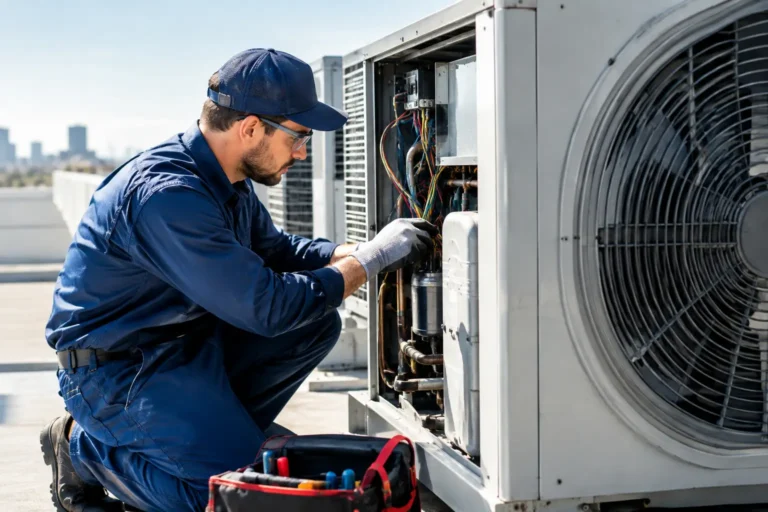
Professional heat-pump maintenance protects your investment because many developing problems are not visible from the outside. A service visit can check electrical connections, refrigerant performance, coil condition, defrost operation, drain function, blower operation, controls, and overall airflow.
For a primary heating and cooling system, annual maintenance is a practical baseline. Some high-use homes, rental properties, and commercial applications benefit from more frequent checks. Maintenance does not eliminate every repair, but it can identify loose electrical components, worn parts, blocked drains, and airflow restrictions before they become a comfort emergency.
Keep a clear record of service visits, repairs, model numbers, and warranty information. This is especially useful for landlords and property managers who need to plan replacements, document maintenance, or respond quickly when a tenant reports a problem.
Know when repair protection becomes replacement planning
Protecting an older heat pump does not always mean continuing to repair it indefinitely. If the system has recurring failures, poor comfort, rising energy use, or expensive component issues, compare the repair cost with a replacement estimate. A newer properly sized system may provide better comfort, lower operating costs, and improved cold-weather performance.
Replacement planning can also be a good time to ask about available government incentives for qualifying heat pumps and heat-pump water heaters. Eligibility, equipment requirements, and program funding can change, so confirm current details before making a purchase decision.
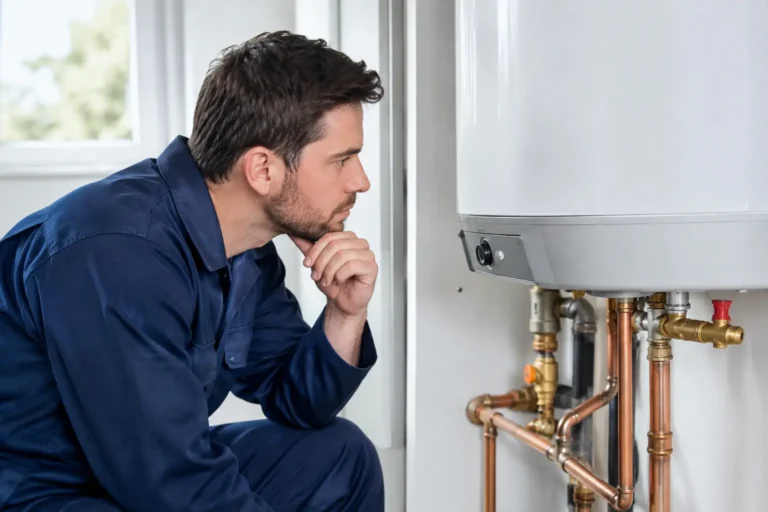
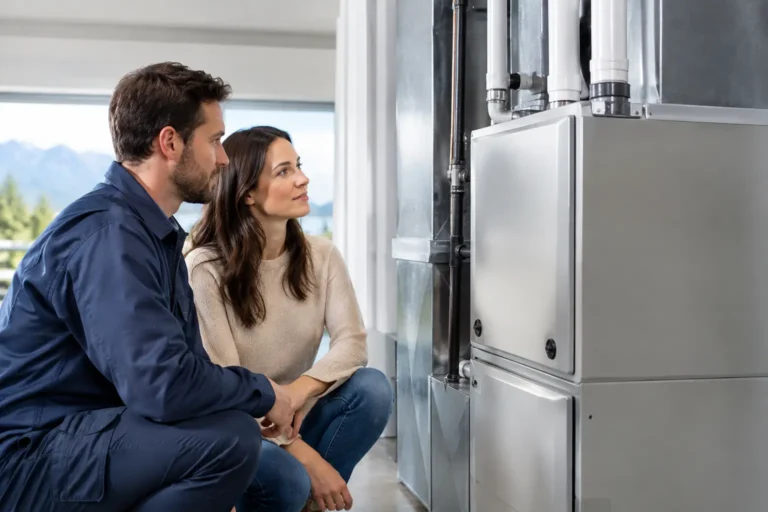
When your system needs attention, use a licensed, bonded, and insured HVAC professional. FlameCo Heating Services can assess heat-pump performance, explain the repair options clearly, and help protect the equipment that keeps your property comfortable through every season.