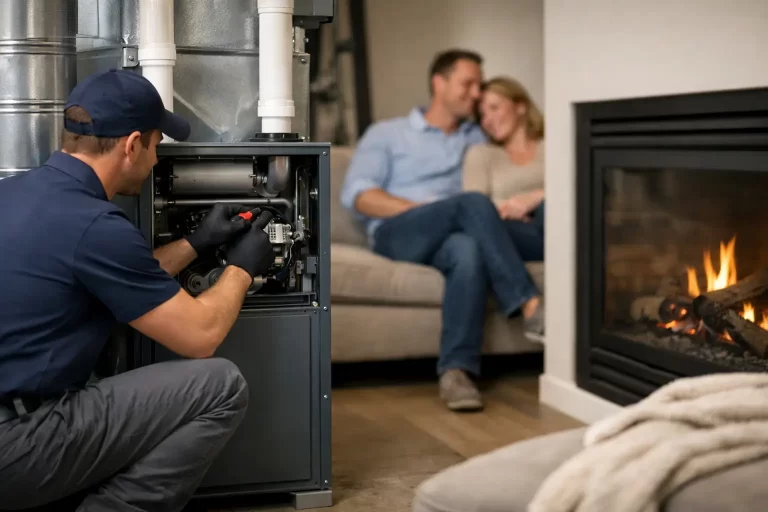
A new gas range, fireplace, furnace, boiler, or patio heater may look like a simple upgrade. The gas fitting behind it is not. Gas fitting involves controlled fuel supply, correct venting, appliance compatibility, pressure testing, and code-compliant connections that protect people, property, and daily comfort.
For homeowners, landlords, and property managers across Maple Ridge and the Lower Mainland, the right response is straightforward: treat gas work as licensed trade work, not a weekend project. A qualified gas technician can identify what the system needs before a small installation issue becomes a leak, equipment failure, carbon monoxide concern, or costly interruption for tenants.
What Gas Fitting Includes
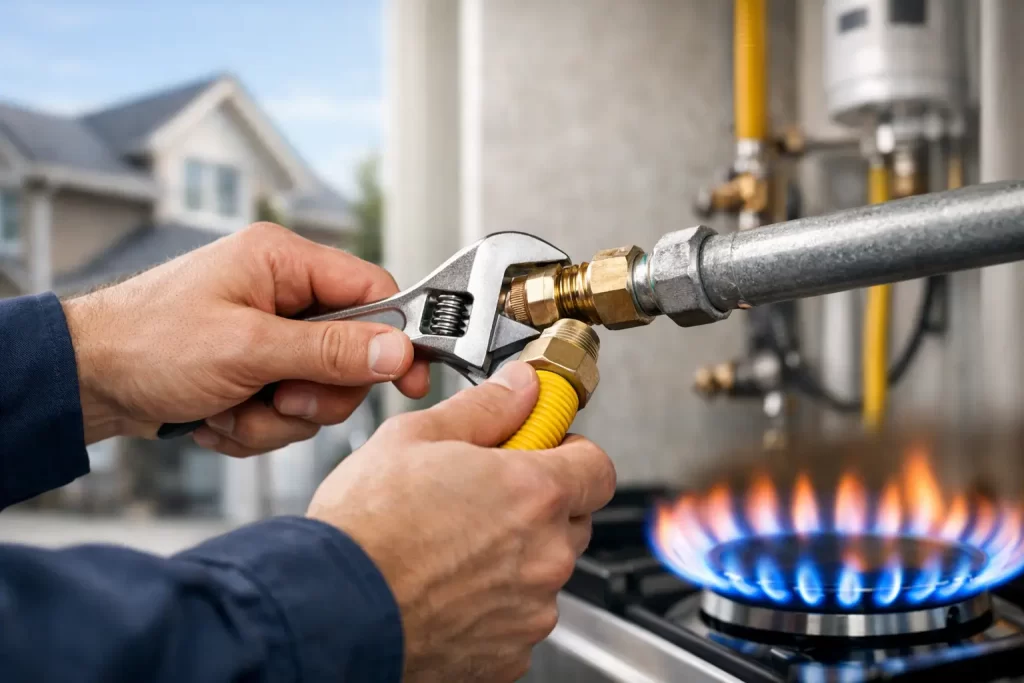
Gas fitting is the installation, alteration, testing, repair, and servicing of natural gas or propane piping and connected equipment. It goes beyond attaching a flexible connector to an appliance. The technician must account for the gas supply, pipe sizing, shutoff access, appliance input requirements, combustion air, venting, clearances, and local permitting rules.
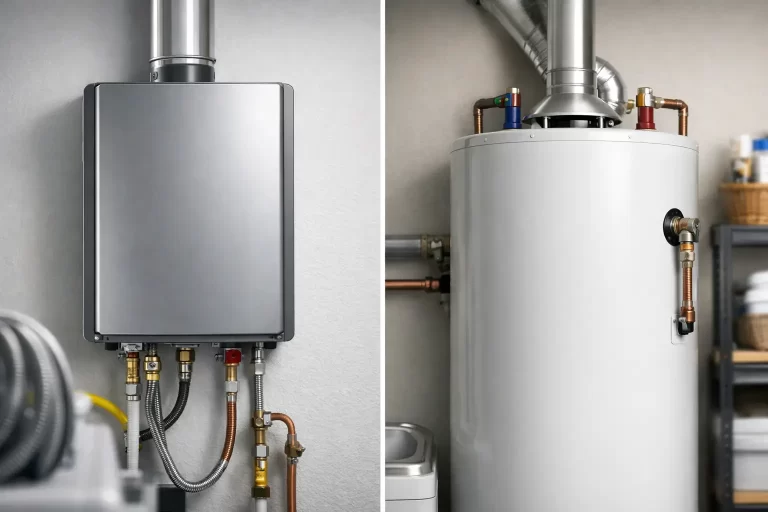
In a home, this work often supports furnaces, boilers, fireplaces, water heaters, tankless water heaters, gas stoves, dryers, barbecue outlets, and standby generators. In commercial buildings, it may involve rooftop units, kitchen equipment, unit heaters, make-up air systems, and multiple tenant spaces.
The scope depends on the building and the appliance. Replacing an existing gas water heater in the same location may be relatively direct, but an older home may still need pipe upgrades, venting corrections, or changes to meet current requirements. Adding a high-demand appliance, such as a large range or generator, can also require a review of the entire gas line capacity.
When to Call for Gas Fitting Service
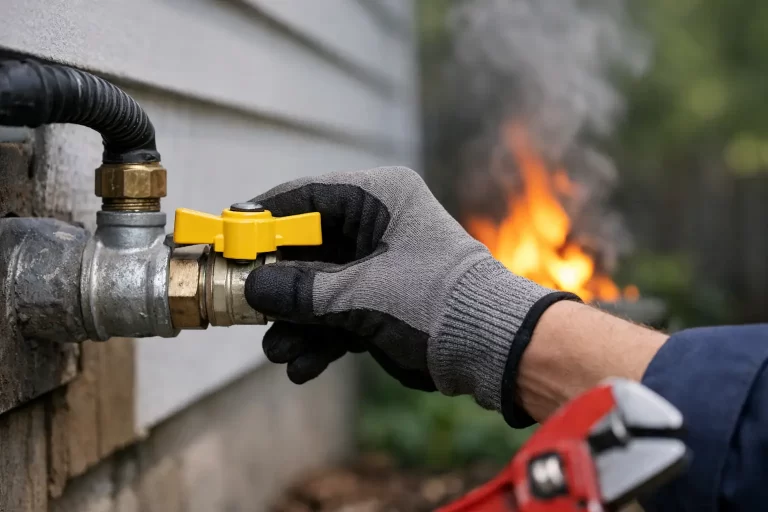
Some gas issues are obvious, while others show up as unreliable heat, a yellow burner flame, recurring appliance shutdowns, or a renovation plan that needs a new gas connection. Call a licensed technician when you need to install or relocate gas equipment, extend a line, replace aging piping, add a shutoff valve, connect a new appliance, or investigate a suspected problem.
A professional assessment is especially useful before purchasing equipment. The appliance may fit the available space, but that does not confirm the existing gas pipe can safely supply it. A technician can verify the fuel type, required input, connection location, venting path, and practical installation cost before the project is underway.
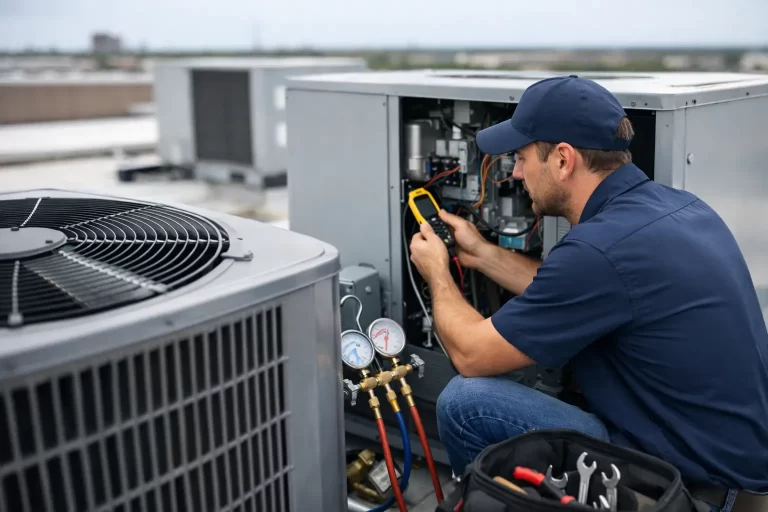
For landlords and property managers, prompt service helps limit disruption and protect occupants. A failed boiler, furnace, or commercial kitchen appliance can affect several units or an entire operation. Working with one contractor that understands both HVAC equipment and gas connections can reduce handoffs between trades and make responsibility clear.
Warning Signs That Need Immediate Attention
If you smell gas inside or outside the building, hear hissing near a gas line, or suspect a major leak, leave the area immediately. Do not operate light switches, use open flames, start vehicles nearby, or attempt to find the leak yourself. From a safe location, contact your gas utility or emergency services as appropriate, then arrange for qualified gas service once the area is declared safe.
Other warning signs may not require an emergency response, but they should not be ignored. These include soot around a fireplace, a pilot light that will not stay lit, unusual burner color, repeated furnace lockouts, visible corrosion on gas piping, or an appliance that produces unusual odors during operation. Combustion equipment needs correct fuel delivery and venting to operate safely.
Why Licensed Gas Fitting Matters
Gas is an efficient and dependable fuel when equipment is installed and maintained correctly. When it is not, the risks include gas leaks, fire, explosion, equipment damage, poor indoor air quality, and carbon monoxide exposure. The work also needs to meet applicable code and inspection requirements, which can matter during insurance claims, property sales, renovations, and tenant safety reviews.
Licensed work provides accountability. A qualified technician has the training to size piping, test for leaks, confirm appliance operation, and identify conditions that are not visible from the outside. They also know when a job requires permits, inspection coordination, or additional ventilation and venting work.
Price should be clear before work begins, but the lowest quote is not always the lowest-cost decision. A quote that overlooks pipe capacity, venting, access challenges, or code corrections can lead to change orders later. Ask what is included, whether testing and permits apply, and what conditions could affect the final scope.
FlameCo Heating Services provides licensed, bonded, and insured gas and HVAC service, including gas fitting work under license LGA202344. That means customers can call one accountable contractor for gas appliances, heating equipment, hot water systems, and related comfort concerns.
Gas Line Sizing Is Not Guesswork
A gas line does not need to look damaged to be inadequate. Pipe sizing is based on factors such as the total demand of connected appliances, the length of the run, the fuel type, pipe material, and available supply pressure. A line that supported an older furnace and water heater may not have enough capacity for a new high-input range, pool heater, generator, or additional fireplace.
Undersized piping can cause poor appliance performance, intermittent ignition, reduced heating output, or nuisance shutdowns. Oversimplified fixes can create new problems elsewhere in the system. A technician should evaluate the complete load rather than focusing only on the appliance being added.
This is also why appliance replacement should be planned carefully. High-efficiency furnaces, boilers, and tankless water heaters have specific installation requirements. The best replacement is not simply the newest model or the highest efficiency rating. It must suit the building, household demand, existing infrastructure, and budget.
Gas Equipment Upgrades and Energy Choices
Natural gas equipment remains a practical choice for many Lower Mainland properties, particularly where existing service, piping, and venting are in good condition. A properly selected gas furnace, boiler, water heater, or fireplace can provide reliable performance and familiar operation.
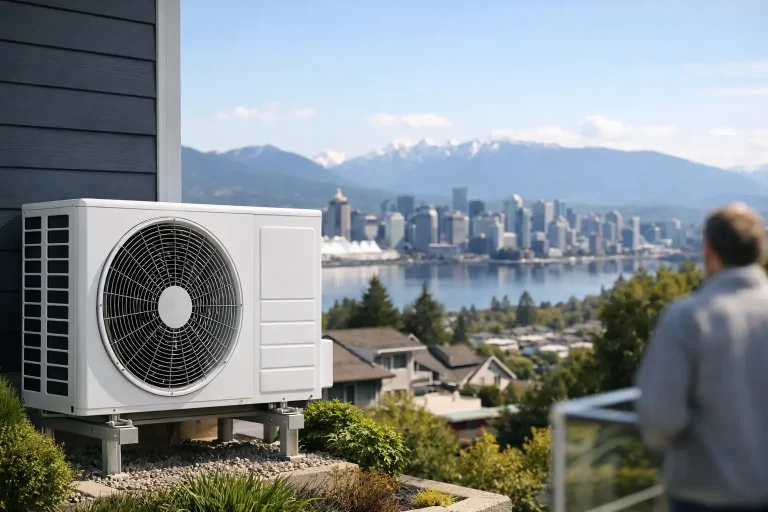
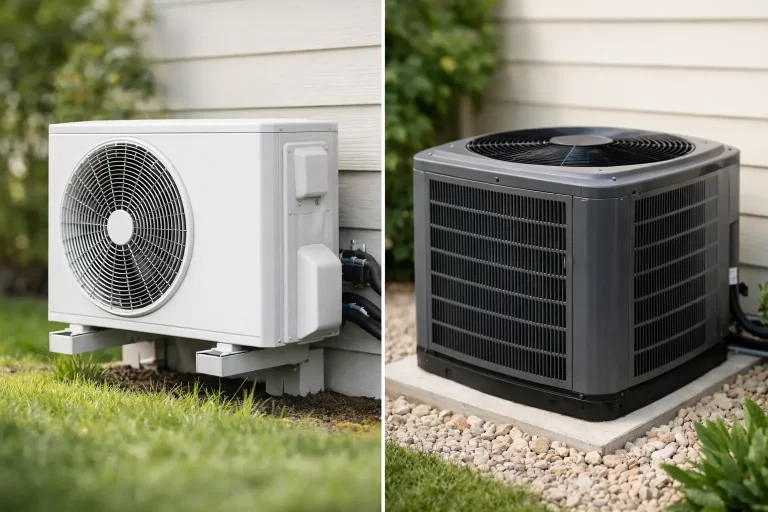
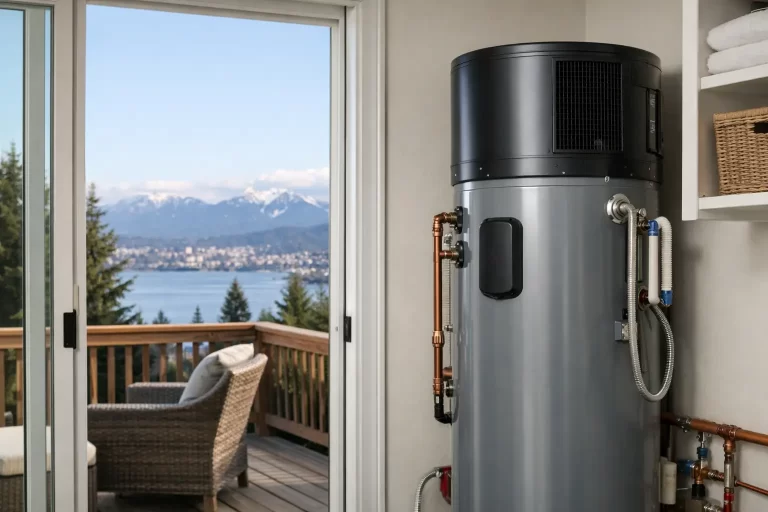
Still, gas is not the only option for every replacement project. Heat pumps can provide both heating and cooling, and heat pump water tanks can reduce water-heating energy use in the right installation. Current government incentives may be available for qualifying heat pump and heat pump water tank upgrades, although program rules, funding, and eligibility can change.
The decision depends on the property. Electrical capacity, ductwork, climate needs, space for equipment, hot-water demand, operating costs, and available rebates all matter. Some buildings benefit from a full move to electric equipment, while others may choose a hybrid approach that combines a heat pump with gas backup. A clear site assessment helps owners compare the real costs and trade-offs instead of relying on assumptions.
What to Expect During a Professional Service Call
A good gas fitting visit starts with questions: What appliance is being installed or repaired? Has the building had recent renovations? Are there performance issues, odors, or repeated shutdowns? From there, the technician examines the equipment, gas piping, shutoffs, venting, and accessible connections.
For an installation, the work may include running or modifying pipe, adding a shutoff valve, connecting the appliance, testing the system for leaks, checking ignition and burner operation, and reviewing safe operation with the owner or site contact. If the technician finds a concern outside the original scope, you should receive a clear explanation of the issue and the options to correct it.
Emergency calls require the same disciplined approach. Restoring heat or hot water quickly matters, but speed should never replace proper diagnosis or safety checks. For commercial properties and multi-unit buildings, a responsive contractor can also help coordinate access and limit downtime for residents, staff, and customers.
Protect Your Property Between Service Visits
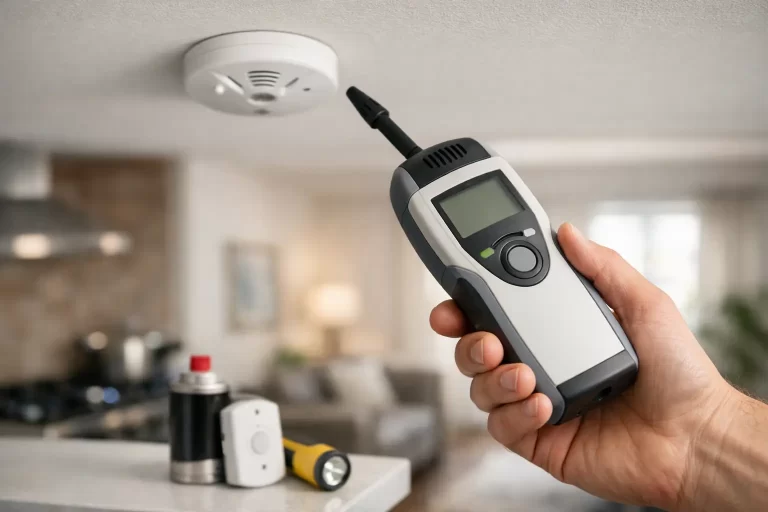
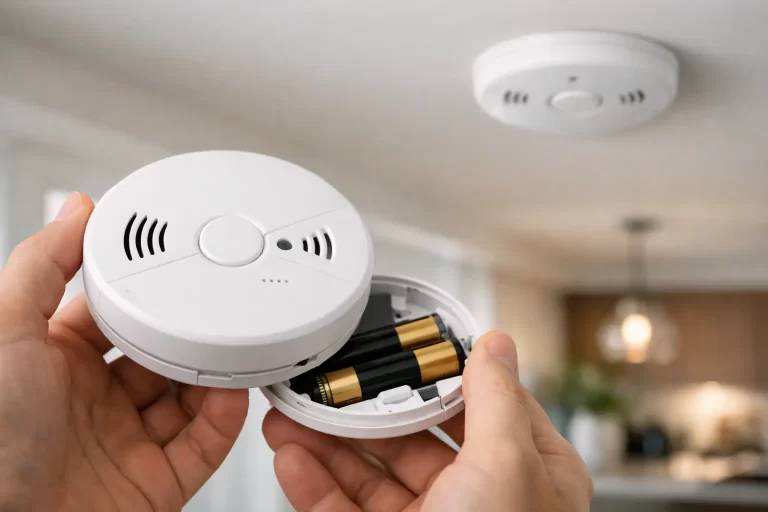
You do not need to inspect gas piping yourself, but you can pay attention to changes in how equipment operates. Keep appliance areas accessible, avoid storing combustible materials near furnaces or water heaters, and make sure carbon monoxide alarms are installed and functioning where required. Schedule service if a gas appliance begins operating differently, even if it still appears to work.
Before a renovation, appliance purchase, or tenant turnover, plan gas-related work early. It is much easier to route piping, arrange inspections, and confirm equipment requirements before walls are closed or a new appliance is delivered. A licensed assessment gives you a safer plan, a clearer price, and fewer surprises when comfort equipment matters most.