A no-heat call from one apartment is urgent. The same failure across multiple suites can become a tenant-relations problem, an after-hours expense, and a major disruption for the whole property. Consistent apartment HVAC maintenance is how owners and property managers reduce those risks before a furnace, heat pump, boiler, air conditioner, or hot-water system fails when residents need it most.
For apartment buildings, maintenance is not simply a seasonal filter change. It is a planned approach to comfort, safety, equipment life, and operating costs. The right schedule depends on the building’s age, equipment type, occupancy, and whether systems are individual to each suite or shared across the property.
Why Apartment HVAC Maintenance Needs a Building-Wide Plan
A single-family home typically has one heating and cooling system serving one household. Apartment properties are more complicated. They may have many suite-level furnaces, fan coils, mini-splits, or heat pumps, along with common-area ventilation, centralized boilers, make-up air units, rooftop equipment, gas lines, and shared hot-water equipment.
When maintenance is handled only after a tenant reports a problem, small issues have time to become expensive ones. A dirty filter can restrict airflow and strain a blower motor. A weak capacitor may leave an air conditioner unable to start during a heat wave. A minor water leak near a boiler or hot-water tank can damage finishes, create mold concerns, or interrupt service to multiple residents.
A proactive plan gives a property manager a clearer view of what is working, what is nearing the end of its service life, and what should be budgeted for replacement. It also helps reduce the number of emergency calls that force rushed decisions.
What a Professional Maintenance Visit Should Cover
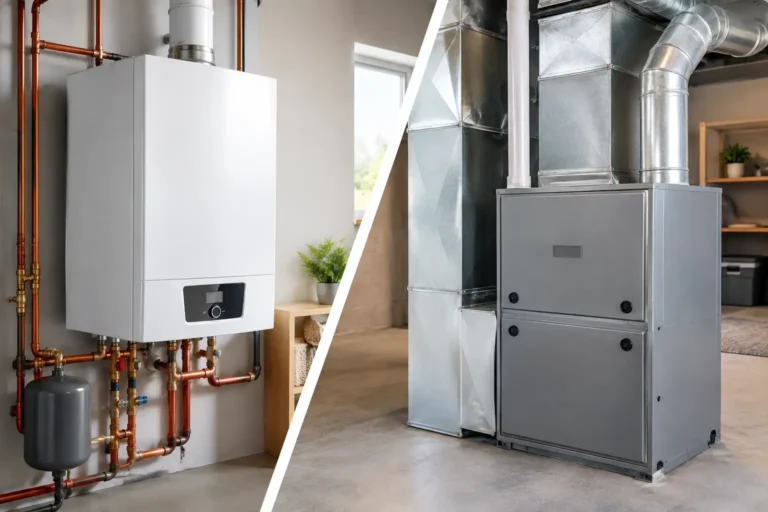
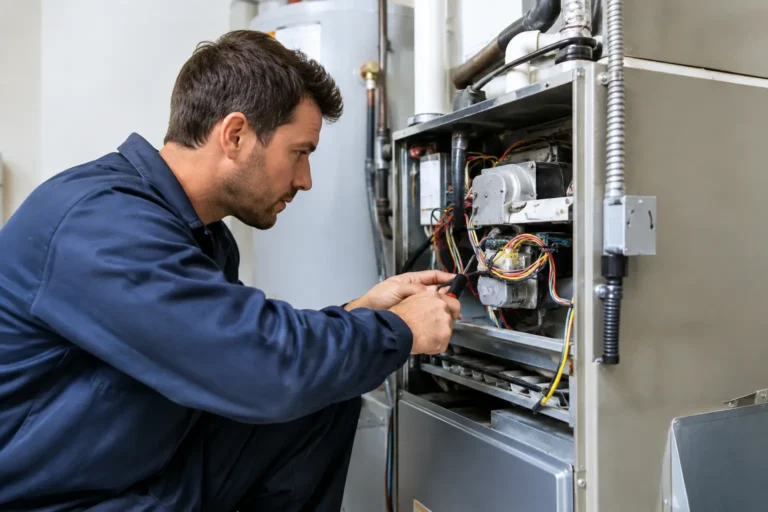
The scope of service should match the equipment on site. A technician should not use the same checklist for every property, because a gas furnace, a heat pump, and a central boiler each have different service needs.
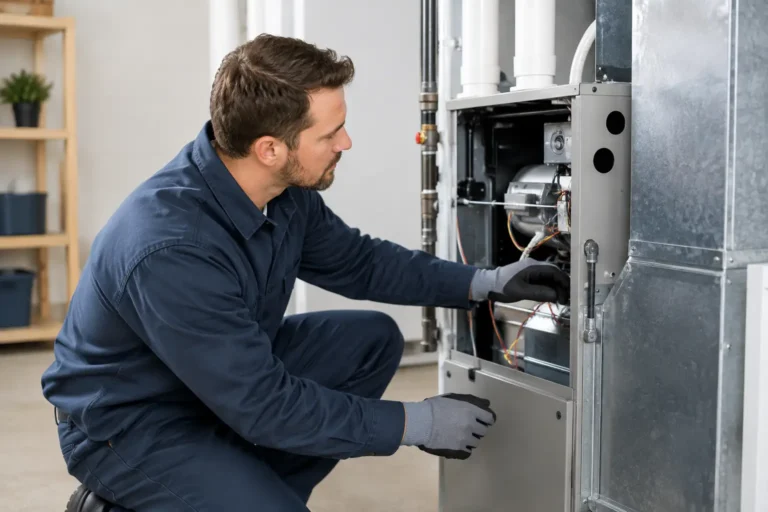
For heating equipment, service commonly includes checking filters, airflow, blower components, ignition operation, safety controls, venting, electrical connections, thermostat performance, and signs of combustion or gas-related concerns. On gas-fired systems, qualified service is especially important. Improper combustion, damaged venting, or a failing safety control is not a DIY issue.
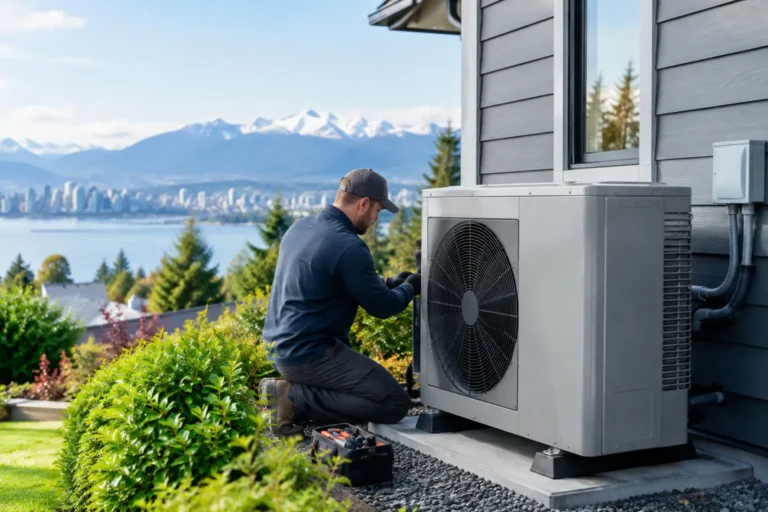
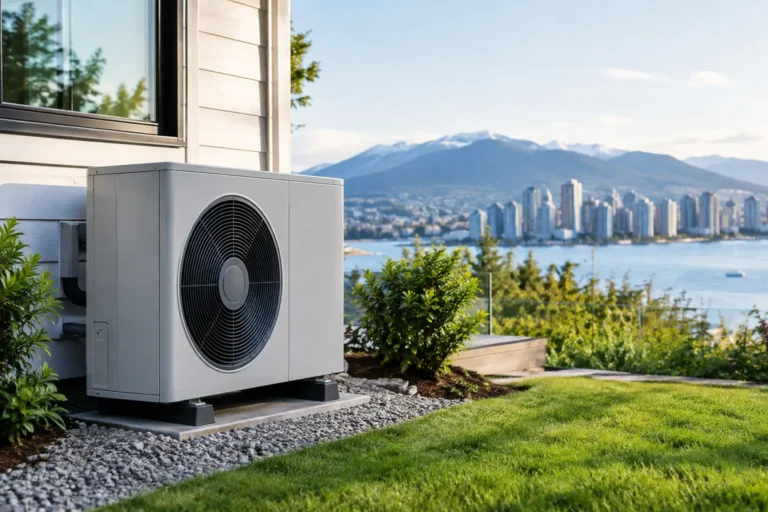
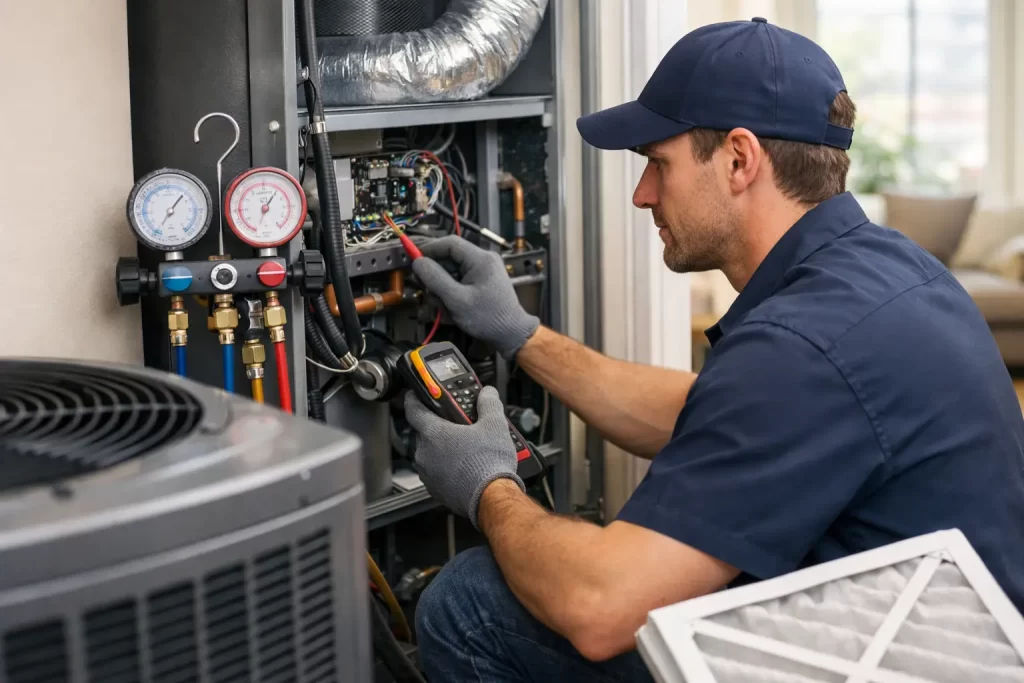
Cooling and heat-pump maintenance generally includes cleaning coils as needed, confirming refrigerant-system performance, checking drains, inspecting electrical components, testing capacitors and contactors, and verifying the unit cycles correctly. A plugged condensate drain can cause water damage long before a resident realizes there is a problem.
Ventilation equipment also deserves attention. Exhaust fans, make-up air systems, range-hood connections, and common-area ventilation affect indoor air quality, moisture control, and building comfort. In a tightly occupied building, poor ventilation can lead to stale air, excess humidity, odors traveling between areas, and resident complaints that are difficult to trace without a proper inspection.
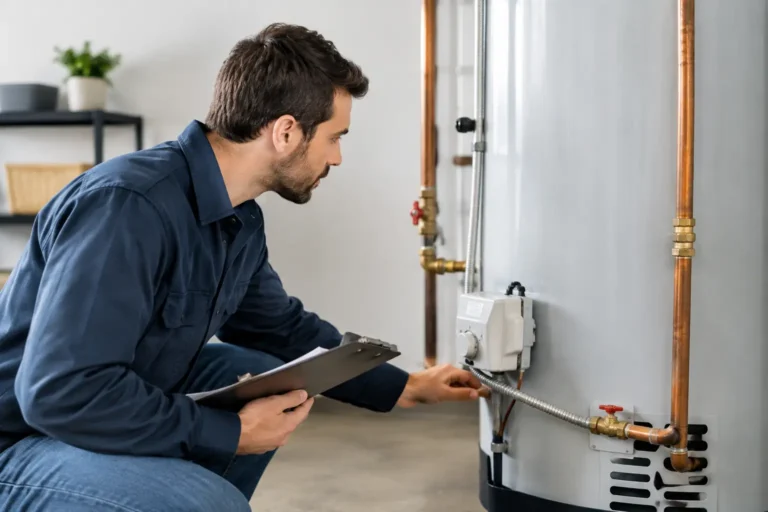
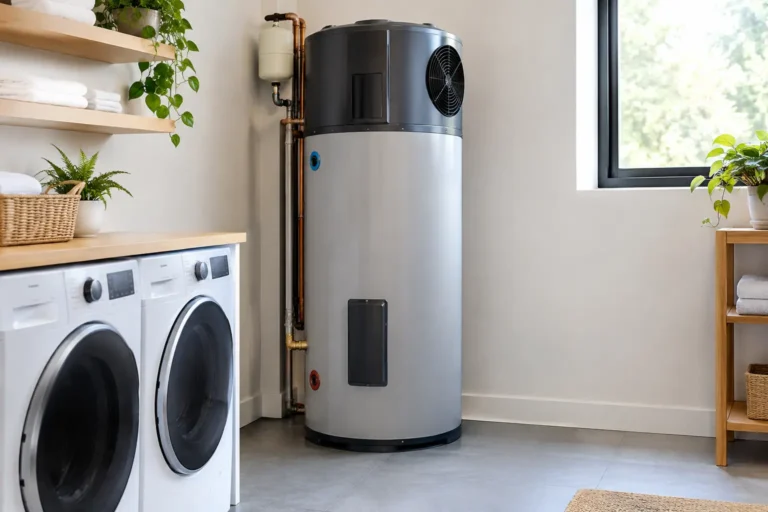
For boilers and hot-water systems, maintenance may involve inspecting pumps, pressure controls, relief valves, expansion tanks, piping, combustion components, and water temperatures. These systems can be reliable for years, but deferred service often turns a manageable repair into an urgent loss-of-heat or no-hot-water situation.
A Practical Seasonal Schedule for Apartment Systems
Most properties benefit from two planned service periods each year: one before the heating season and another before heavy cooling use. That schedule is a strong starting point, but high-use systems, older equipment, commercial spaces, and buildings with recurring problems may need more frequent attention.
Before winter, focus on furnaces, boilers, heat pumps, fireplaces, gas appliances, venting, filters, and thermostats. This is the time to identify worn ignition parts, blower issues, pressure problems, or damaged components before the first cold spell puts every system under demand.
Before summer, prioritize air conditioners, heat pumps, condensate drains, coils, outdoor units, and cooling controls. Waiting until the first hot week can mean longer repair lead times and less flexibility for residents who need fast relief.
Common-area systems deserve their own schedule. Lobby units, hallway ventilation, laundry-room exhaust, parkade equipment, and rooftop systems may run more consistently than suite equipment. Their maintenance needs should be tracked separately rather than folded into a general inspection.
Filters Matter More Than Most Buildings Realize
Filter replacement is one of the simplest tasks in apartment HVAC maintenance, yet it is often inconsistent across multi-unit properties. A clogged filter reduces airflow, makes equipment work harder, and can contribute to uneven heating or cooling. It may also increase dust and aggravate indoor-air-quality concerns.
The correct replacement interval depends on the filter type, system design, pets, occupancy, construction dust, and whether residents smoke or use the system heavily. Some suite filters need attention every one to three months. Other systems use larger media filters with longer intervals. The key is not choosing the shortest possible schedule. It is setting a documented schedule that fits the actual equipment and building conditions.
Property managers should also be clear about responsibility. If tenants are expected to replace filters, provide the correct size and simple instructions. If building staff or a service contractor handles it, record each change. Missed filters are easy to overlook until equipment performance drops.
Watch for Early Warning Signs
Residents often notice a system problem before management does. Encourage them to report unusual operation early, rather than waiting for a complete failure. Common warning signs include rooms that never reach the thermostat setting, loud startup noises, short cycling, weak airflow, water near indoor equipment, burning or musty odors, higher utility use, and repeated breaker trips.
For gas equipment, any suspected gas odor, visible soot, persistent pilot or ignition trouble, or carbon-monoxide alarm should be treated as a safety concern. Residents should leave the affected area when appropriate, avoid operating switches or flames, and contact the gas utility or emergency services as needed. A licensed technician should inspect the equipment before it is returned to service.
Not every problem requires full replacement. A failed capacitor, drain issue, blower component, control, or thermostat can often be repaired. But repeated breakdowns, rising repair costs, poor efficiency, and obsolete parts may point to a better long-term replacement decision.
When Replacement Planning Makes More Sense
Apartment owners often face a difficult choice: repair a system again or replace it before it fails completely. The right answer depends on age, condition, repair history, tenant impact, energy use, and available budget.
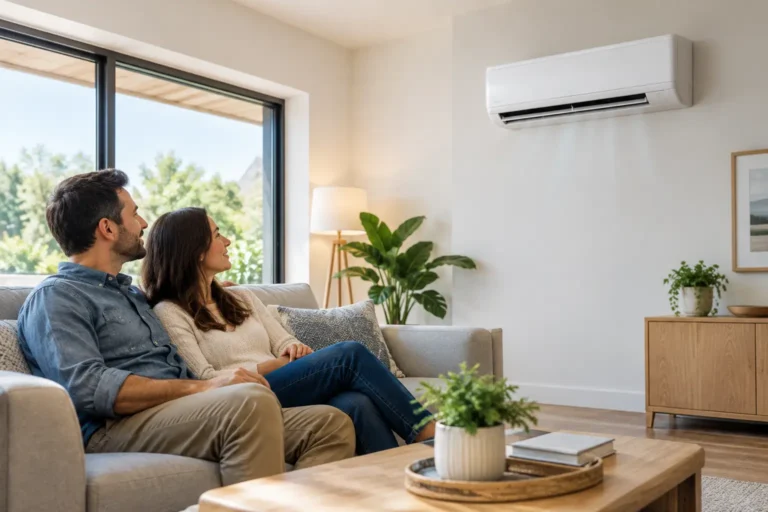
Replacing equipment in a planned phase is usually less disruptive than waiting for multiple emergency failures. It gives management time to compare equipment options, coordinate suite access, prepare residents, and consider efficient upgrades. Heat pumps may be worth evaluating where the building layout and electrical capacity support them, particularly when available government incentive programs can improve the project economics. Heat-pump water-heating equipment may also qualify for incentives in some situations.
However, high-efficiency equipment is not automatically the best choice for every building. Installation requirements, cold-weather performance, ductwork, ventilation, electrical upgrades, and long-term service access all need to be assessed. A qualified contractor should recommend equipment based on the building, not just the unit’s efficiency rating.
Keep Records That Support Faster Decisions
A maintenance program works best when every service visit creates useful records. Keep equipment model and serial numbers, installation dates, service history, filter sizes, repair invoices, warranty details, photos of recurring issues, and notes about tenant complaints in one accessible place.
This information helps identify patterns. If one stack of suites repeatedly has airflow complaints, the problem may be duct-related rather than individual equipment failure. If a particular make-up air unit needs frequent repairs, management can plan a replacement before it fails in winter. Good records also help when ownership changes, budgets are prepared, or insurance and warranty questions arise.
For property managers across the Lower Mainland, FlameCo Heating Services can support planned maintenance, urgent diagnostics, repairs, and replacement planning for heating, cooling, ventilation, gas, and hot-water equipment. Licensed, bonded, and insured service helps keep accountability clear when tenant comfort or equipment safety is on the line.
The most useful maintenance plan is the one that reflects how your building actually operates. Start with the systems most likely to affect multiple residents, schedule service before peak seasons, and address small warning signs while they are still small.