A furnace that keeps climbing in repair costs, an air conditioner that struggles through a hot week, and rising utility bills can all lead to the same question: are heat pumps worthwhile for your home or building? In Metro Vancouver, they often are – but only when the equipment is correctly sized, properly installed, and matched to how the property is actually used.
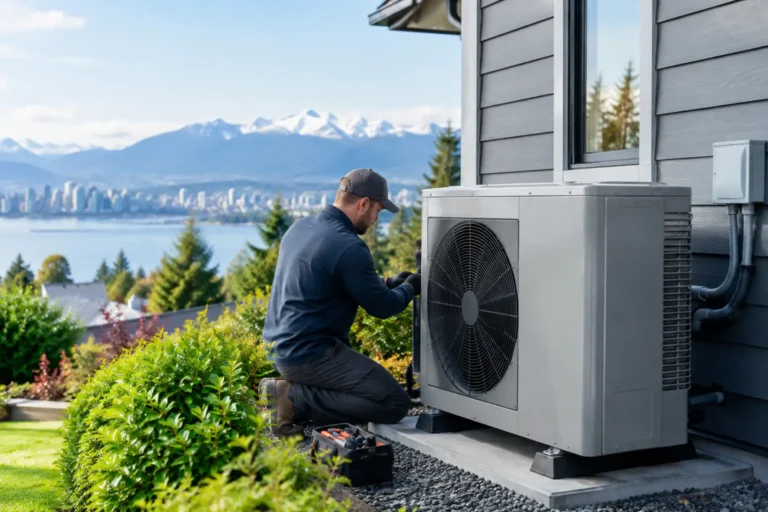
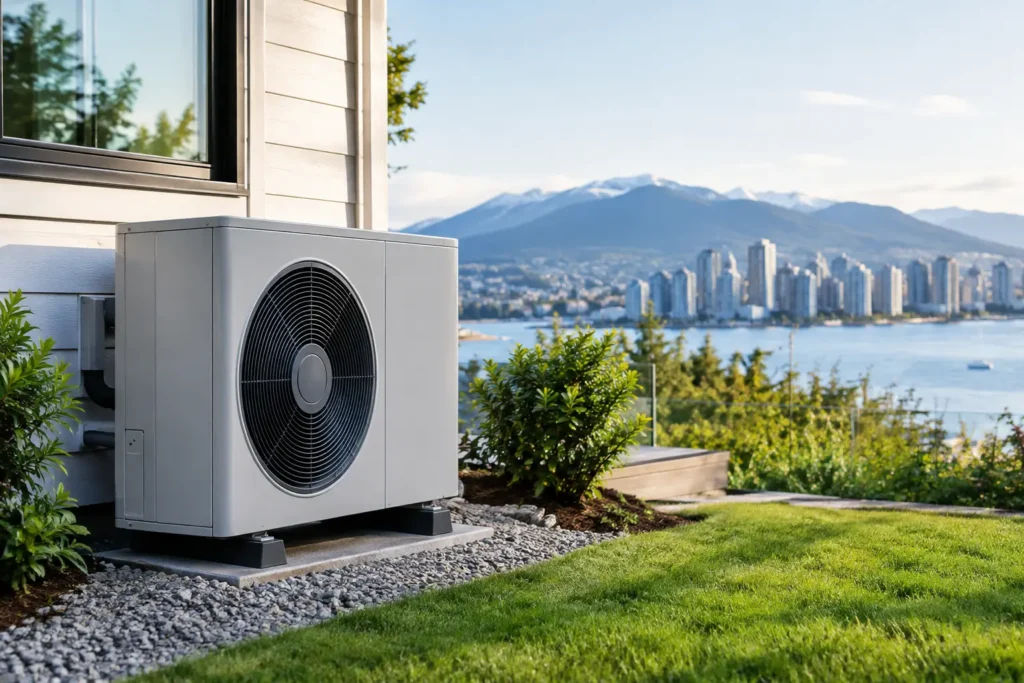
A heat pump is not simply an air conditioner with a heating mode. It is a year-round comfort system that moves heat rather than creating it through combustion. In summer, it carries heat out of the home. In cooler weather, it draws available heat from outdoor air and moves it indoors. That approach can reduce energy use while giving many Lower Mainland properties both heating and cooling from one system.
The right decision still comes down to your current equipment, insulation, electrical capacity, budget, and the level of backup heat your home may need.
Are Heat Pumps Worthwhile for Lower Mainland Homes?
For many homes in Maple Ridge, Surrey, Langley, Burnaby, Coquitlam, Richmond, Delta, Vancouver, and the Tri-Cities, a heat pump is a practical upgrade because our winters are relatively mild compared with much of Canada. Modern cold-climate systems can continue heating well below freezing, and Metro Vancouver spends much of the heating season in temperatures where heat pumps work efficiently.
The other major advantage is summer cooling. A home with a gas furnace but no air conditioner may need separate equipment to stay comfortable during hotter stretches. Replacing an aging furnace and adding central air can make a heat pump especially appealing because one outdoor unit can handle cooling and a substantial portion, or all, of the home’s heating needs.
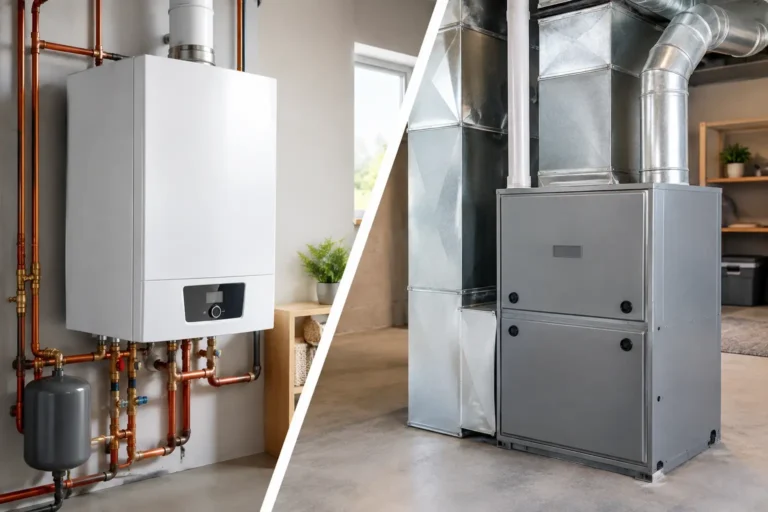
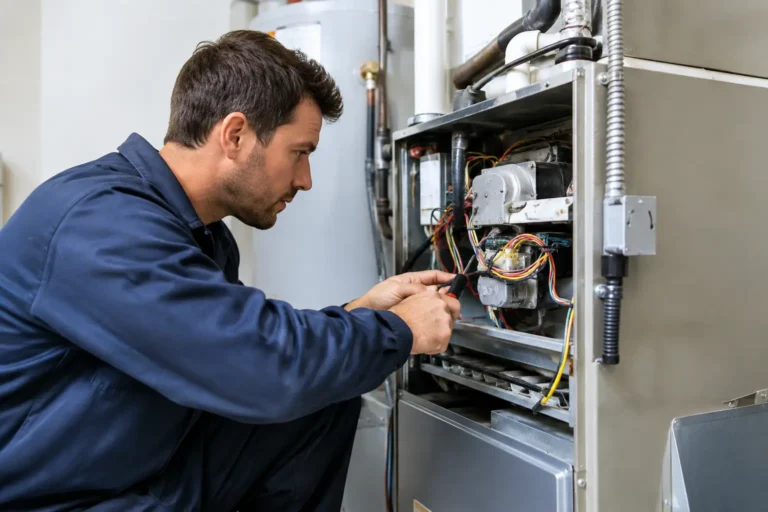
That does not mean every property should remove its furnace immediately. A well-maintained newer gas furnace, a building with major air leaks, or a home with limited electrical service may call for a different plan. In some cases, a dual-fuel setup – a heat pump paired with a gas furnace – delivers the most dependable balance of efficiency, cold-weather capacity, and familiar backup heat.
What Makes a Heat Pump Pay Off?
The value of a heat pump is not measured by the equipment price alone. It is measured over years of heating, cooling, maintenance, and avoided replacement costs. A system that is cheaper to install but poorly designed can leave you with uneven temperatures, noise concerns, higher bills, or early repairs.
Your existing system’s age and condition
If a furnace or air conditioner is nearing the end of its service life, replacement is already coming. Installing a heat pump at that point can be more cost-effective than buying separate heating and cooling equipment. It also avoids putting money into frequent repairs for equipment that may fail during the next cold snap or heat wave.
If your current furnace is reliable and you do not need cooling, the financial case may be less immediate. A qualified assessment should compare the cost of continuing to maintain the current system against staged replacement options. There is no benefit in forcing a full replacement before it makes practical sense.
Home comfort, not just energy consumption
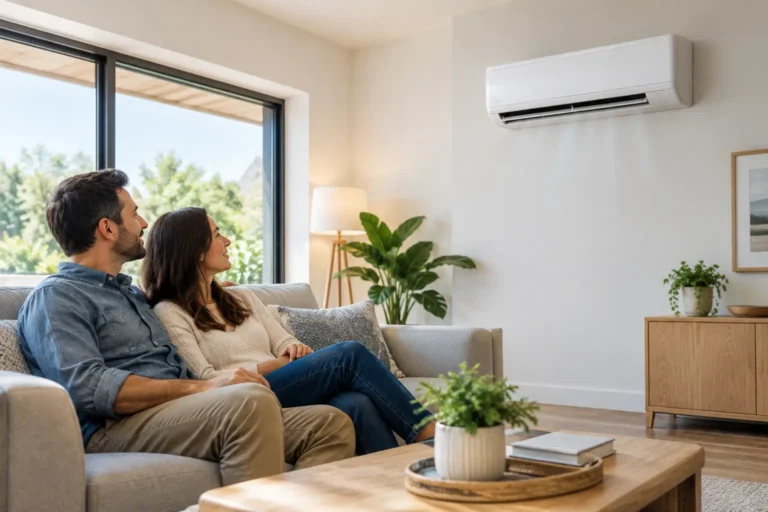
Heat pumps generally run longer at lower output than traditional on-off heating equipment. That can create steadier indoor temperatures and fewer sharp hot-and-cold swings. Properly installed ductless mini-splits can also solve difficult rooms, such as a hot top floor, a cold addition, a converted garage, or a suite without existing ductwork.
For landlords and property managers, this can mean fewer tenant complaints about inconsistent comfort. For homeowners, it can mean cooling in bedrooms during summer without relying on portable units or opening windows near traffic and outdoor noise.
Installation quality and system design
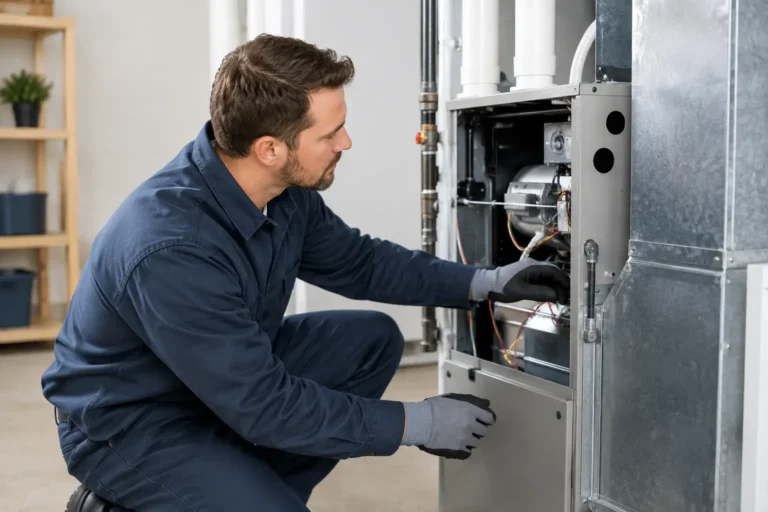
This is where worthwhile upgrades are won or lost. A contractor should assess the building, perform a load calculation, inspect ductwork where applicable, and confirm electrical requirements before recommending capacity. Bigger is not automatically better. An oversized system may cycle too often, control humidity poorly, and wear components faster. An undersized system may struggle during colder weather.
Ductwork also matters. Leaky, undersized, or poorly balanced ducts can limit the performance of even excellent equipment. In older homes, ductless heads or a hybrid design may be a better fit than forcing a central system into inadequate ductwork.
Heat Pump Costs: What to Compare Before You Decide
A heat pump quote should be clear about more than the equipment model. Ask what is included for electrical work, pad or wall mounting, refrigerant piping, condensate drainage, thermostat controls, duct modifications, permits, startup, and removal of old equipment. These details affect both the final price and the quality of the installation.
Operating savings vary. Electricity and natural gas rates, the efficiency of the old system, household thermostat habits, insulation levels, and the system type all influence the result. A household replacing electric baseboards may see a different savings profile than one replacing a high-efficiency gas furnace. A larger home with an older air conditioner may gain more value from the cooling side of the upgrade than a smaller, shaded home.
When comparing proposals, look at total ownership cost rather than choosing solely by the lowest initial number. A properly sized, high-efficiency system with strong warranty support and professional commissioning can be the less expensive choice over its working life.
Cold Weather Performance and Backup Heat
A common concern is whether a heat pump can handle a cold Lower Mainland night. Modern cold-climate equipment is designed for low outdoor temperatures, but every model has limits and every home has different heat-loss requirements. The right system should be selected using local design conditions, not broad promises.
Backup heat may be electric resistance heat, an existing furnace, or another approved heat source. It is not always a sign that the heat pump has failed. In a dual-fuel system, controls can switch to the furnace when outdoor conditions make gas heat the better choice. This approach can provide confidence for homeowners who want heat-pump efficiency without giving up a dependable furnace.
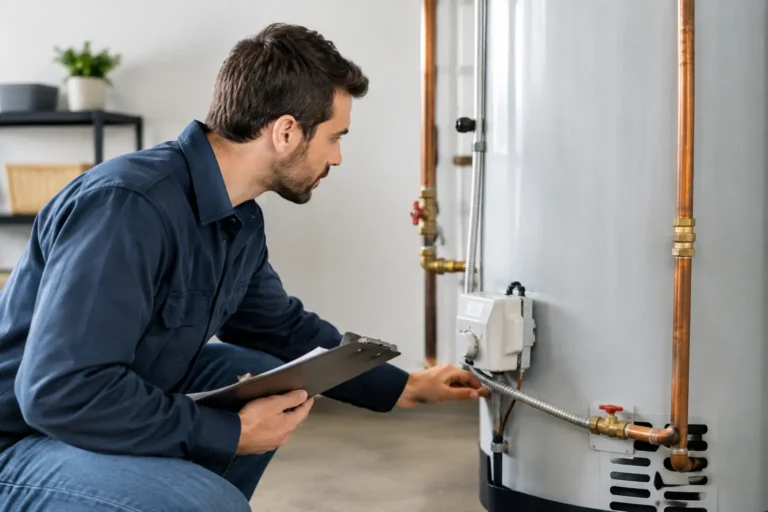
For properties with fireplaces, boilers, or gas appliances, safety remains separate from comfort preferences. Any work involving gas connections, venting, combustion equipment, or electrical upgrades should be completed by properly licensed professionals.
Don’t Overlook Heat Pump Water Heaters
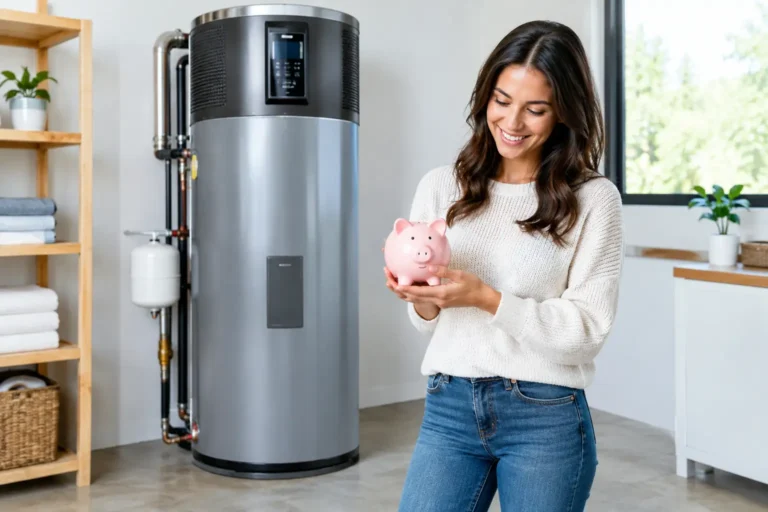
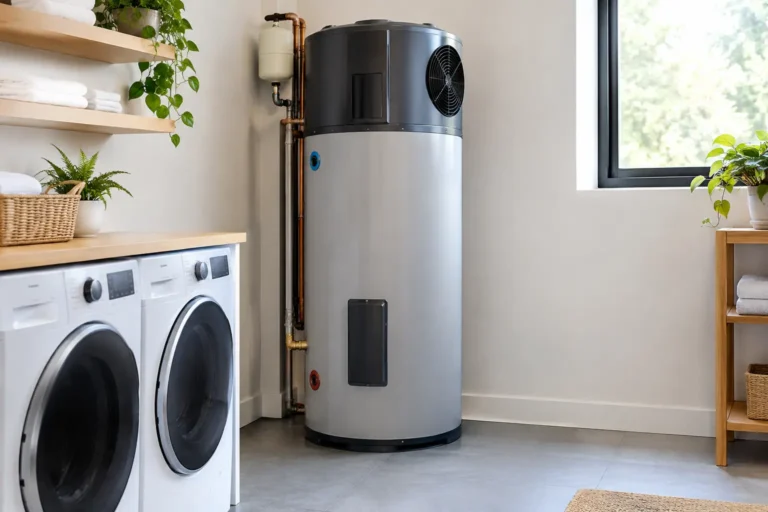
Space heating is only one part of household energy use. A heat pump water heater, sometimes called a heat pump water tank, uses the same heat-transfer principle to heat domestic hot water more efficiently than a standard electric tank. It can be a strong option for homes with suitable installation space, such as a garage, basement, utility room, or mechanical area.
There are trade-offs. These units need airflow, produce some cool air in the room, and may create more operating sound than a conventional tank. They are not the right fit for every tight closet or unconditioned location. Still, for the right property, they can reduce water-heating energy use while replacing an aging electric tank.
Government incentives for heat pumps and heat pump water tanks can improve the economics of an upgrade. Program eligibility, equipment requirements, application steps, and funding levels can change, so confirm current rebates before purchasing or installing equipment. In many cases, documentation, approved products, and installation requirements matter. Planning the project before the old equipment fails gives you more time to protect eligibility and choose the right system.
Questions to Ask Before Approving a Heat Pump Quote
A dependable quote should leave you with clear answers. Ask whether the contractor has calculated the home’s heating and cooling load, whether your electrical panel needs work, and how the system will perform during colder weather. Confirm what backup heat is included, what changes are needed to ducts or drains, and who handles permits and commissioning.
You should also ask about maintenance. Heat pumps need clean filters, clear outdoor airflow, and regular professional service to protect efficiency and reliability. For rental and commercial properties, planned maintenance can reduce emergency calls and help avoid disruption for occupants.
FlameCo Heating Services can assess your current heating, cooling, gas, and hot-water equipment as one connected comfort system, then provide a clear replacement plan with upfront pricing. Licensed, bonded, and insured service matters when a project involves electrical coordination, refrigerant work, gas equipment, or a system that your property depends on every day.
A heat pump is most worthwhile when it solves a real problem: an aging furnace, failing air conditioner, uncomfortable rooms, expensive electric heat, or a need for better year-round control. Start with the condition of your property and the systems you already own, then choose equipment sized for the job – not a one-size-fits-all promise.