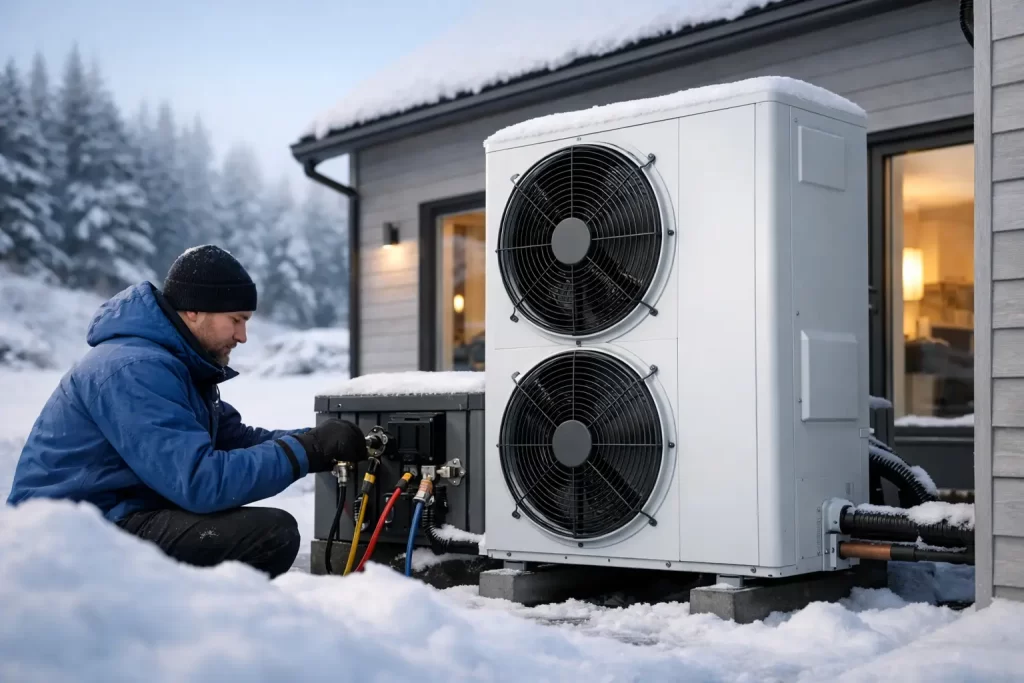
A heat pump that performs well during a mild fall can still leave a home uncomfortable when the temperature drops and moisture freezes around the outdoor unit. That is why cold climate heat pump installation is not simply a matter of replacing an air conditioner or choosing the highest-efficiency model on a sales sheet. It requires equipment selected for local winter conditions, accurate load calculations, sound electrical and drainage planning, and an installer prepared to address the entire heating system.
For homes and properties in Maple Ridge, Metro Vancouver, and the Lower Mainland, the goal is dependable comfort through wet, near-freezing weather as well as colder overnight stretches. A properly planned system can provide efficient heating and cooling, reduce reliance on fossil-fuel equipment, and may qualify for available government incentive programs. Poor planning can create short cycling, high electric bills, frozen drainage, and unnecessary calls for service.
What Cold Climate Heat Pump Installation Requires
Cold-climate heat pumps are designed to retain useful heating capacity at lower outdoor temperatures than standard models. That does not mean every heat pump is right for every house. A unit must be selected based on how much heat the building actually loses, how the ductwork performs, how the home is insulated, and whether an existing furnace, boiler, or electric heat source will remain as backup.
The most common mistake is sizing equipment by the square footage alone. Two similarly sized homes can need very different systems. A drafty older house with original windows, an open stairwell, or an unfinished basement may lose heat much faster than a newer, well-sealed home. Oversizing is not a safe shortcut either. An oversized heat pump may cycle on and off too often, create uneven room temperatures, and fail to operate at its best efficiency.
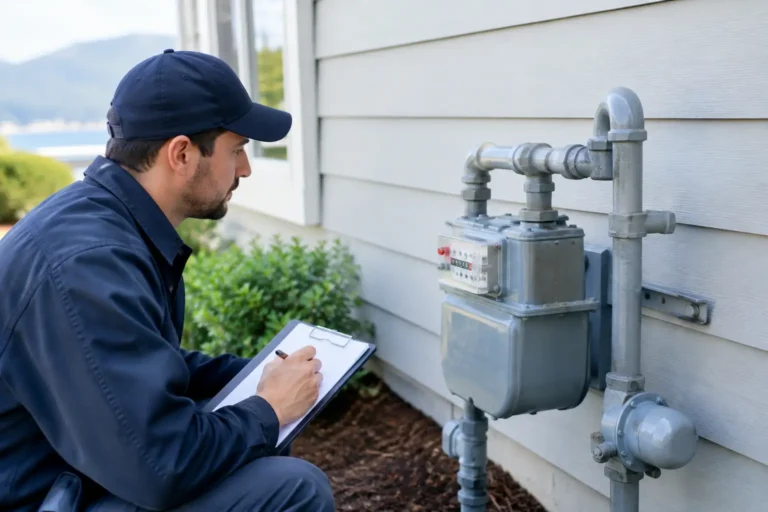
Before recommending equipment, a qualified contractor should review the building envelope, existing heating equipment, electrical panel capacity, duct condition, and the comfort concerns people actually experience in the space. For rental and commercial properties, that review should also account for occupancy patterns, tenant access, and the need to limit downtime.
The outdoor unit location matters
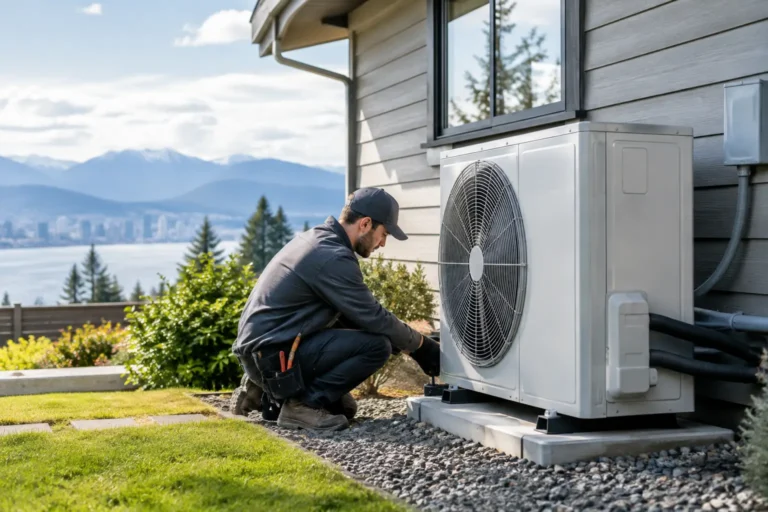
The outdoor unit needs clear airflow and a stable, properly elevated mounting location. In the Lower Mainland, rain, slush, wind-driven debris, and occasional snow all affect placement. Installing the unit too low can allow snow buildup, standing water, or ice to interfere with operation. Placing it where roof runoff drops directly onto it can create repeated freezing problems.
The unit also needs enough clearance for service access and defrost operation. Heat pumps periodically defrost in heating mode, releasing water from the outdoor coil. That water must have a planned path away from walkways, foundations, and areas where it can freeze. A drainage issue may sound minor until it creates a sheet of ice at a front entrance or locks the unit into a block of ice.
Ducted, ductless, and dual-fuel options
The right installation approach depends on the property. A central ducted heat pump can work well when existing ductwork is correctly sized, sealed, and balanced. If the ducts are undersized or leak heavily, the heat pump may struggle to move enough warm air to distant rooms. Sometimes duct improvements are as valuable as the equipment upgrade itself.
Ductless mini-splits are often a strong option for additions, suites, older homes without ducts, offices, and rooms with persistent hot or cold spots. Indoor head placement should be based on airflow and room use, not simply on the easiest wall to access. A poorly located indoor unit can leave bedrooms, hallways, or enclosed rooms less comfortable than expected.
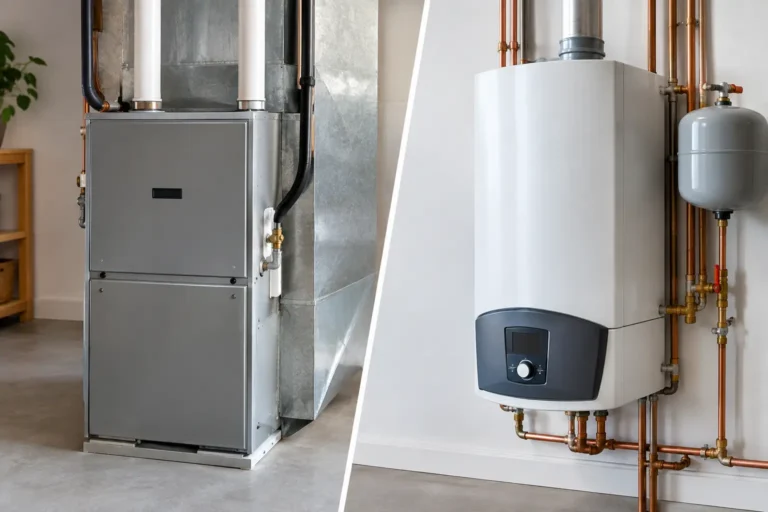
A dual-fuel system combines a heat pump with a gas furnace. The heat pump handles much of the heating season efficiently, while the furnace operates when outdoor conditions or heating demand make it the better choice. This can be a practical path for homeowners who want lower energy use without immediately removing a functioning furnace. The changeover temperature and controls need to be set correctly so the two systems work together instead of competing.
Installation Details That Protect Winter Performance
A dependable installation is built on details that are mostly invisible once the job is complete. Refrigerant lines must be properly sized, protected, pressure-tested, evacuated, and charged according to the manufacturer’s specifications. Electrical connections need correct breaker sizing, disconnects, and weatherproofing. Condensate and defrost water need controlled drainage.
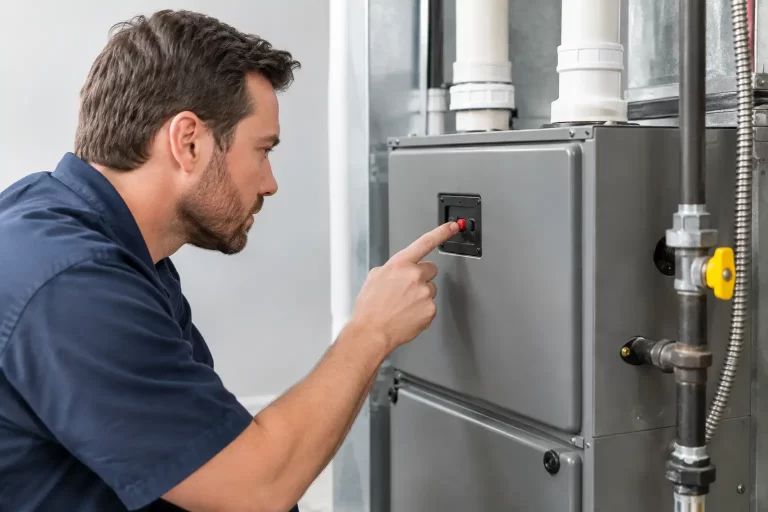
Commissioning is equally important. After startup, the technician should confirm heating and cooling operation, airflow, thermostat control, refrigerant performance, and defrost function. If the system includes auxiliary heat or a furnace backup, those stages should be tested as well. This is the point where small errors can be found before the first serious cold snap.
For a straightforward replacement, installation may be completed with limited disruption. More involved projects may require electrical upgrades, duct modifications, a new thermostat, or coordination around gas equipment. A clear quote should explain what is included, what work may be optional, and whether there are conditions in the home that could affect final scope. Transparent pricing is especially important when the project involves more than one system.
Do You Need Backup Heat?
Not every cold-climate heat pump installation requires the same backup strategy. Some systems can carry the full heating load in a well-insulated home, while others benefit from electric auxiliary heat, a retained furnace, or another heating source for the coldest periods. The answer depends on the heat pump’s rated low-temperature capacity, the home’s heat loss, local electrical costs, and the owner’s comfort expectations.
Backup heat is not proof that a heat pump has failed. It is part of a planned system design. The concern is uncontrolled or excessive backup operation. If electric heat strips run too often because the heat pump was undersized, the thermostat is misconfigured, or the house has major air leaks, energy costs can rise quickly.
Property managers should pay close attention to this point. A system that appears functional but cannot maintain indoor temperature during a cold spell can lead to tenant complaints, emergency service calls, and potential damage from frozen plumbing. Planning capacity and backup heat upfront is far less disruptive than trying to correct a design problem in winter.
Rebates, Financing, and Equipment Choices
Government incentive programs can make an efficient heat pump upgrade more attainable, but eligibility rules, equipment requirements, and funding availability can change. Some programs may require pre-approval, specific equipment performance ratings, qualifying invoices, or energy assessments. Do not assume a system qualifies based only on the word heat pump in its description.
The same applies to heat pump water heaters. These units can reduce water-heating energy use while providing a useful upgrade opportunity when an aging water heater is due for replacement. They need adequate installation space, appropriate drainage, and consideration of how their cooling and dehumidifying effect will influence the room around them. Available government incentives for heat pump water tanks may help offset the cost when timing and eligibility align.
A contractor should help you compare the practical cost of the options, not just the advertised rebate amount. Consider the condition of the existing furnace or air conditioner, expected repair costs, electrical needs, projected energy use, and whether the equipment will improve comfort in the rooms that matter most.
Questions to Ask Before You Approve the Work
Ask how the system was sized and what outdoor temperature it is expected to handle. Ask whether your ducts will be inspected and whether electrical upgrades are likely. You should also ask where the outdoor unit will drain during defrost, how backup heat will operate, and what maintenance the system will need after installation.
It is reasonable to expect clear answers about permits, warranties, startup testing, and total project scope. Licensed, bonded, and insured installation work protects the property and helps ensure that electrical, refrigerant, and gas-related work is handled by qualified professionals. FlameCo Heating Services provides clear quotes and can assess heat pump, furnace, ductless, hot-water, and gas equipment needs as one coordinated comfort plan.
A heat pump is a long-term investment, not an appliance to choose in a hurry. Give the installation plan the same attention as the equipment itself, and you will be better prepared for the wet, cold nights when reliable heat matters most.