When a furnace is nearing the end of its life or an air conditioner struggles through another hot spell, replacing both systems separately can feel like an expensive cycle. Heat pumps give many Lower Mainland property owners a different option: one electric system that provides heating in winter and cooling in summer.
That does not mean a heat pump is automatically the right answer for every house, suite, strata property, or commercial space. The best decision depends on the building’s heat loss, existing equipment, electrical capacity, ductwork, comfort expectations, and available incentives. A proper assessment matters because equipment that is too small, too large, or poorly installed can cost more to run and leave rooms uncomfortable.
How heat pumps work in Lower Mainland weather
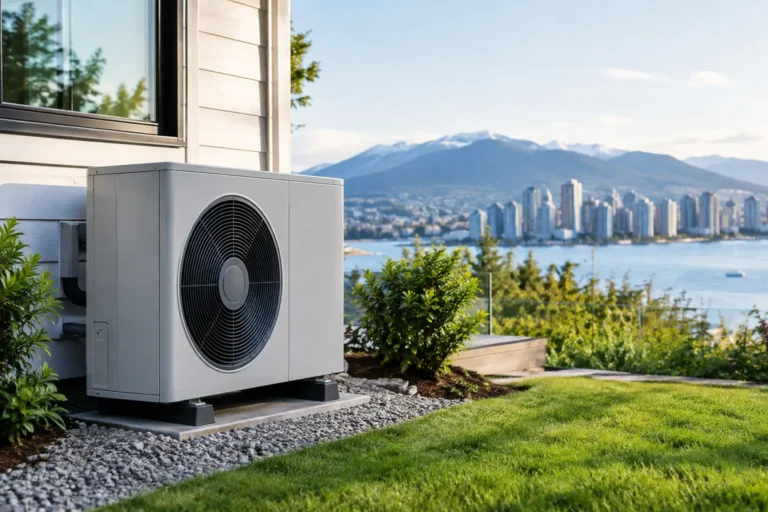
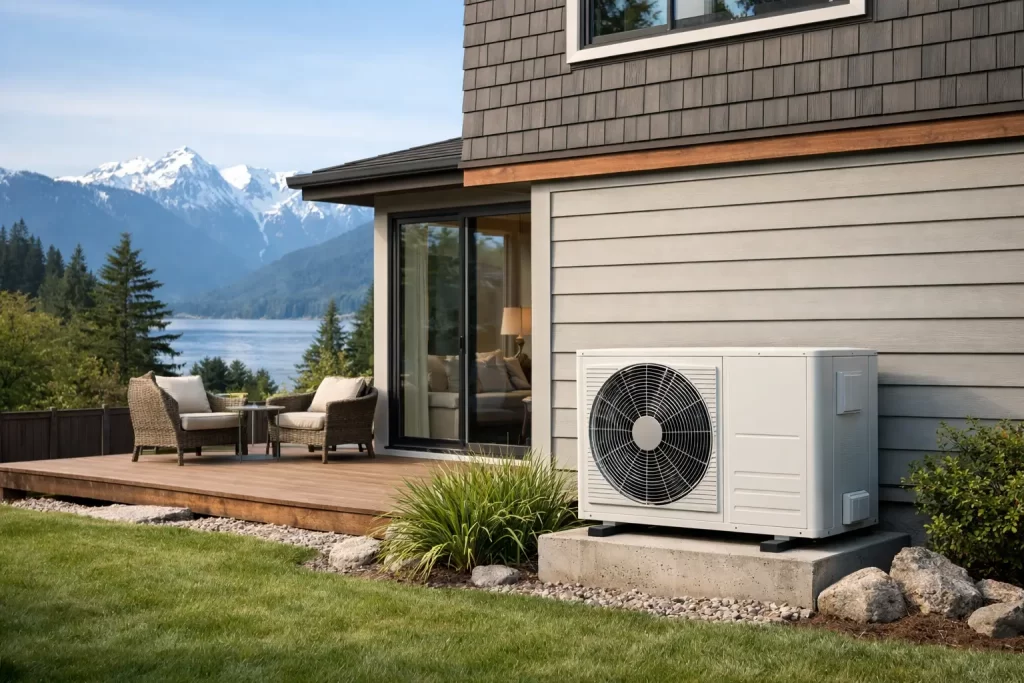
A heat pump moves heat rather than creating it through combustion. In heating mode, it collects available heat from outside air and transfers it indoors. In cooling mode, it reverses direction and moves indoor heat outside, much like an air conditioner.
This approach is especially practical in Metro Vancouver’s comparatively mild winter climate. Modern cold-climate equipment can continue providing useful heat at low outdoor temperatures, but capacity and efficiency change as conditions get colder. During a cold snap, some homes rely on electric backup heat or keep a compatible gas furnace as supplemental heat. That can be a sensible design choice, not a failure of the system.
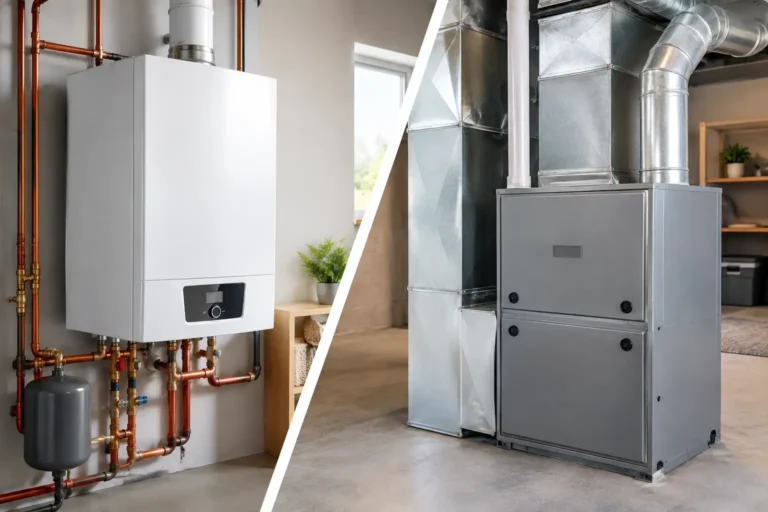
For homeowners moving away from an aging furnace and air conditioner, an all-electric heat pump can simplify comfort equipment. For others, a dual-fuel setup provides the right balance: the heat pump handles much of the heating season, while the gas furnace supports the home in colder conditions or when demand is high.
Is a heat pump right for your property?
A heat pump is often a strong fit when you need both heating and cooling, want to reduce reliance on fossil fuel equipment, or are planning a major HVAC replacement. It can also make sense for rental properties where dependable cooling is becoming more important to tenant comfort.
Still, the equipment alone does not determine the outcome. Older homes with poor insulation, significant air leaks, undersized ducts, or uneven room temperatures need a full system review. Installing a high-efficiency unit without addressing airflow can produce disappointing results. You may have a new heat pump, yet still have a cold bedroom, a noisy return grille, or rising electricity use caused by poor design.
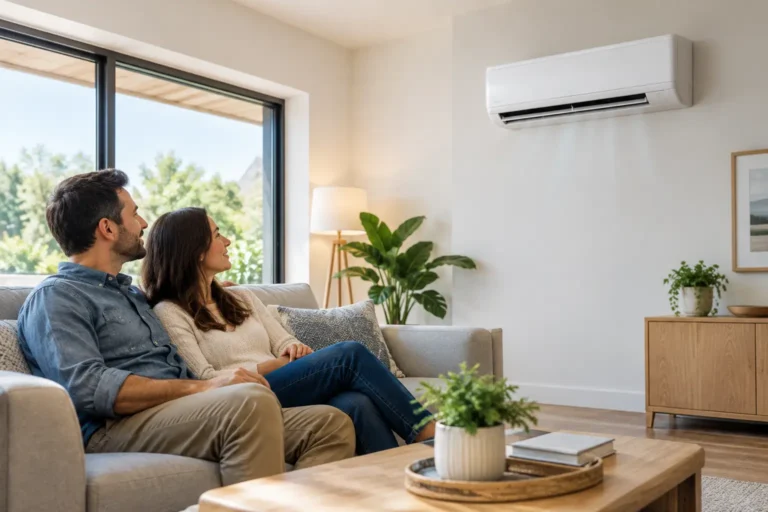
Ducted central heat pumps work well where a home already has appropriately sized ductwork. Ductless mini-splits are useful for homes without ducts, additions, converted garages, individual suites, and rooms that are consistently hard to heat or cool. Multi-zone systems can serve several indoor areas, although each additional zone adds equipment cost and installation complexity.
For apartment owners, property managers, and commercial decision-makers, equipment selection also needs to account for access, tenant disruption, electrical upgrades, condensate drainage, noise requirements, and future serviceability. A low initial price is not a saving if the system cannot be maintained properly after installation.
Sizing is not a guess
The right system size comes from a heat-loss and heat-gain calculation. This considers square footage, insulation, windows, orientation, air leakage, ceiling height, occupancy, and local design temperatures. It is not simply based on the size of the old furnace.
Oversized equipment can short-cycle, create temperature swings, and wear components faster. Undersized equipment may run continuously during demanding weather and fail to maintain comfort. A qualified contractor should explain the recommended capacity and why it fits the building.
What affects heat pump installation cost?
The installed cost of heat pumps varies widely because every property presents different work. A straightforward replacement using existing, suitable ductwork is usually less involved than converting a house from baseboard heat, upgrading an electrical panel, adding new ducts, or serving multiple zones.
Key cost factors include equipment efficiency and capacity, indoor and outdoor unit locations, refrigerant line routing, electrical work, drainage, duct modifications, controls, permits, and removal of existing equipment. If a furnace is being retained for a dual-fuel system, the controls must be set up correctly so the equipment changes over at the intended temperature and operates safely.
Be cautious with quotes that only list an equipment model and a single number. A useful proposal identifies what is included, any expected electrical or ductwork requirements, warranty details, and assumptions that could affect the final scope. Transparent pricing is particularly important when a replacement is urgent and it is easy to feel pressured into the first available option.
Heating, cooling, and hot water incentives
Government and utility incentives can reduce the cost of qualifying energy-efficiency upgrades, including certain heat pump installations and heat pump water heaters. Programs change frequently, and eligibility can depend on the equipment model, efficiency rating, fuel being replaced, property type, installation date, and required documentation.
Do not buy equipment based only on an advertised rebate amount. Confirm that the exact model qualifies, that the contractor and installation meet program rules, and that any required pre-approval or energy assessment is completed before work begins. Some incentives cannot be claimed after installation if the process was not followed correctly.
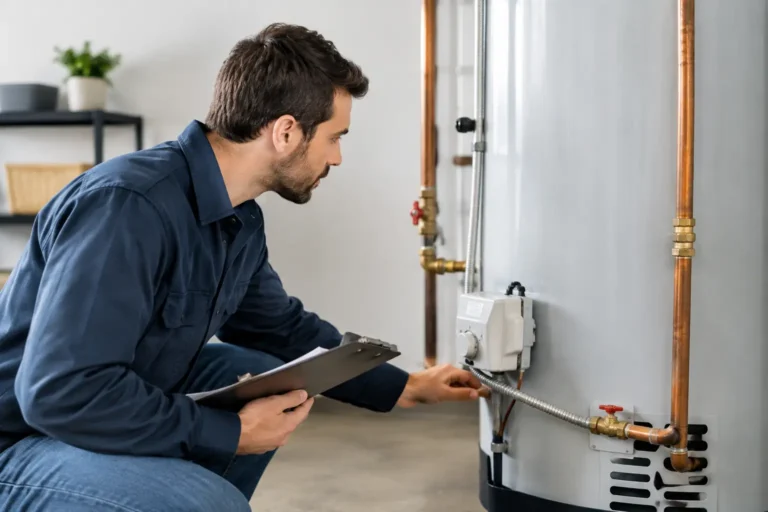
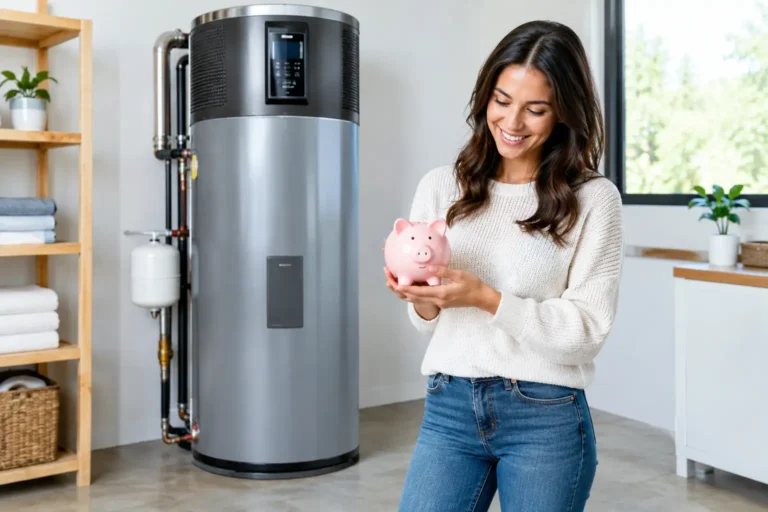
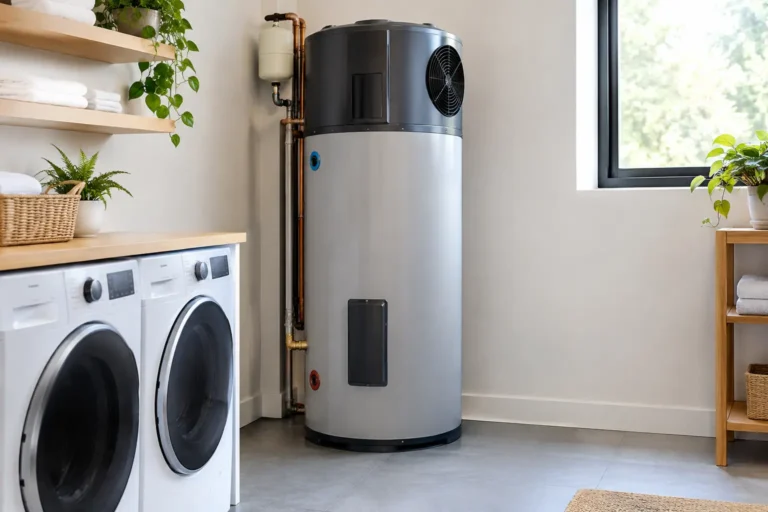
Heat pump water heaters deserve consideration as well, especially when an electric or aging gas tank is due for replacement. These units pull heat from surrounding air to heat domestic water, which can lower energy use compared with standard electric resistance tanks. They also cool and dehumidify the space around them, making location important. A large, unconditioned utility room, garage, or basement may be suitable, while a small interior closet can create comfort and airflow challenges.
A contractor can help compare the available options, identify likely installation requirements, and provide the equipment information needed for rebate or financing applications. Incentives should support a sound equipment decision, not replace one.
What to expect from a professional installation
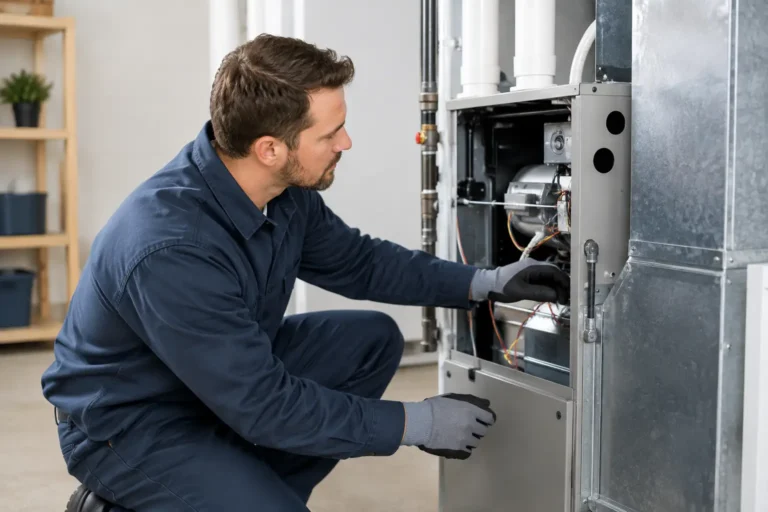
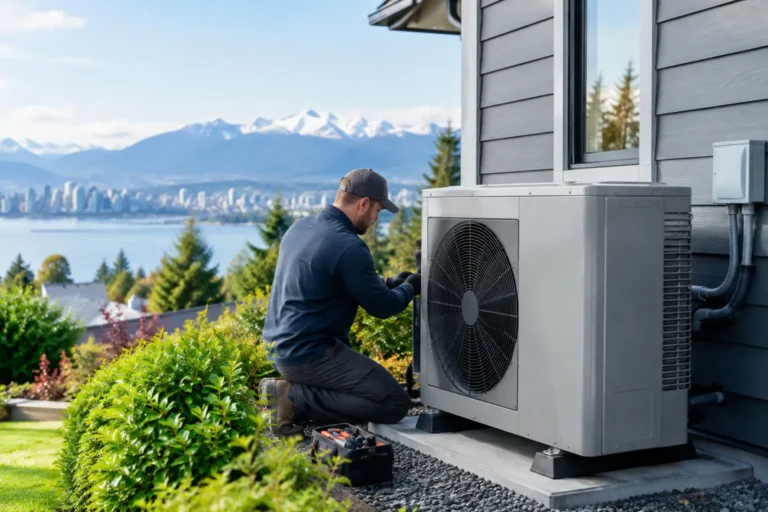
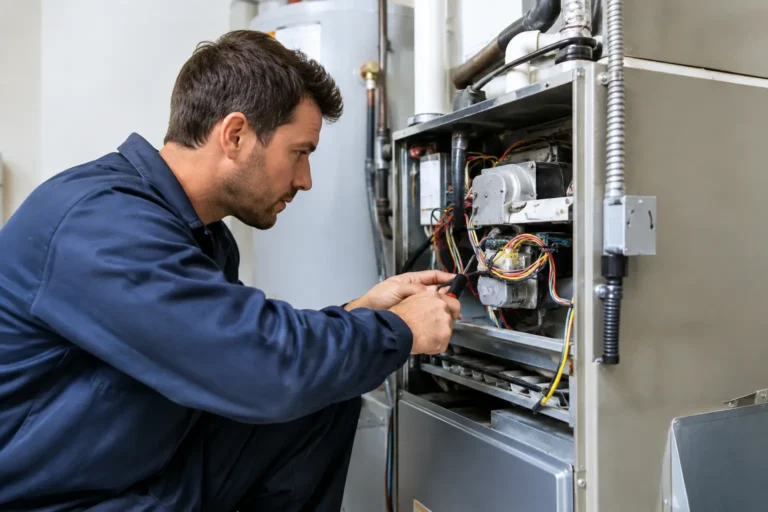
A heat pump installation is more than setting an outdoor unit on a pad. The refrigerant circuit needs proper piping, pressure testing, evacuation, and charging. Electrical connections, disconnects, drainage, airflow, thermostat controls, and equipment clearances must also be completed correctly.
After installation, commissioning is essential. The technician should verify heating and cooling operation, refrigerant performance, airflow, temperature split, condensate drainage, and control settings. For dual-fuel systems, they should confirm how and when the system switches between the heat pump and furnace.
Licensed work protects the property and helps avoid the common problems that show up after rushed installations: water leaks, frozen coils, poor airflow, electrical issues, loud operation, and rooms that never reach the selected temperature. It also protects warranty coverage, which may require documented professional installation and maintenance.
Maintenance protects comfort and efficiency
Heat pumps work year-round, so they need routine attention. Homeowners can replace or clean filters as directed, keep outdoor equipment clear of leaves and debris, and avoid blocking supply or return vents. Do not chip ice from the outdoor coil or cover the unit tightly for winter. The system needs airflow to operate properly.
Professional maintenance should include an inspection of electrical components, coils, drainage, refrigerant performance, airflow, and controls. The appointment is also a good time to catch minor concerns before they become a no-heat or no-cooling call.
Call for service promptly if you notice repeated breaker trips, ice buildup that does not clear through a normal defrost cycle, unusual grinding or buzzing, weak airflow, water around indoor equipment, or a sudden jump in energy costs. These signs do not always mean replacement is necessary, but waiting can turn a manageable repair into a larger problem.
For Lower Mainland homeowners and property managers, the practical question is not whether heat pumps are fashionable. It is whether the system is correctly matched to the building, installed with care, and supported by a clear plan for maintenance, backup heat, and available incentives. FlameCo Heating Services can assess the full heating, cooling, electrical, and hot-water picture so you can make that decision with clear costs and no guesswork.