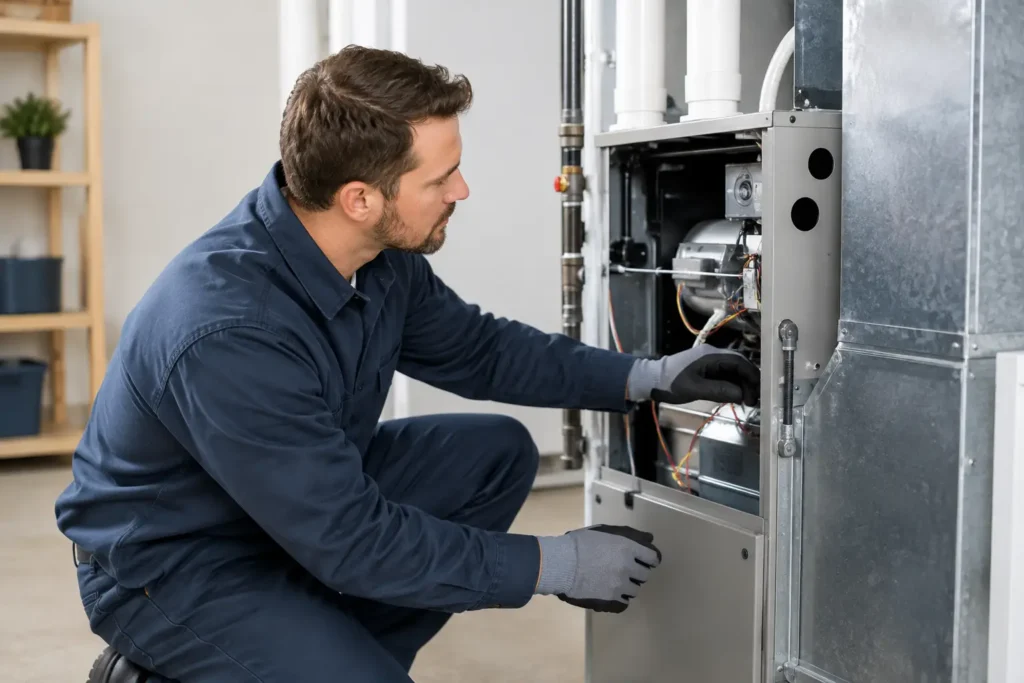
A furnace should make some sound when it starts, moves air, and shuts down. But a new rattle during a cold night, a metallic scraping sound, or a bang that wakes the household is not something to ignore. Knowing how to reduce furnace noise starts with separating normal operating sounds from noises that point to an airflow, mechanical, electrical, or combustion problem.
The right fix depends on where the sound is coming from and when it occurs. A loose return-air grille may take minutes to secure. A squealing blower motor or booming ignition requires a qualified HVAC technician. Start with the safe checks below, then arrange service promptly if the noise is sharp, persistent, worsening, or accompanied by poor heating.
First, identify when the furnace makes noise
Listen closely to the timing. Does the sound happen immediately when the thermostat calls for heat, while air is blowing through the vents, or at shutdown? That detail helps narrow down the cause and can make a service visit more efficient.
A low rush of air and a soft click at startup are usually normal. Sheet metal ductwork can also make a brief ticking or light pinging sound as it expands and contracts with temperature changes. These noises should be short-lived and should not grow louder over time.
A loud bang at startup, repeated clicking, grinding, high-pitched squealing, vibration, or a deep rumble deserves attention. If the furnace is shutting off unexpectedly, blowing cool air, cycling frequently, or leaving rooms unevenly heated, the noise is likely part of a repair issue rather than a simple nuisance.
How to reduce furnace noise with safe home checks
Before removing anything from the furnace, turn the thermostat off. Do not open sealed combustion components, disconnect gas lines, or attempt to repair wiring. Gas-fired heating equipment needs licensed service when a problem involves burners, ignition, venting, or internal mechanical parts.
Replace a dirty air filter
A clogged filter forces the blower to work harder. That strain can make airflow louder, increase whistling at vents, and contribute to overheating or short cycling. Check the filter size and airflow direction before installing a replacement. A clean, correctly fitted filter is one of the simplest ways to protect quiet operation.
Avoid choosing the most restrictive filter available without confirming that it suits your system. Very dense filters can reduce airflow in some furnaces. If you are unsure which rating is appropriate, ask a technician during annual maintenance.
Check supply and return vents
Make sure furniture, rugs, curtains, and storage bins are not blocking supply registers or return-air grilles. Restricted airflow can create a whistle and place unnecessary load on the furnace blower. Open the registers in the rooms you use regularly rather than closing most of them in an attempt to push more heat to one area.
Also check whether a vent cover is loose. A loose grille can rattle whenever the blower starts. Tightening its screws may solve the problem, provided the noise is clearly coming from the cover and not inside the ductwork.
Secure accessible panels and nearby ductwork
A furnace cabinet panel that is not seated properly can buzz or vibrate. With the unit turned off, confirm that accessible doors and panels are fully closed and their fasteners are secure. Do not operate a furnace with service panels removed.
In an unfinished basement, utility room, or mechanical space, accessible duct sections may vibrate against framing or another pipe. Lightly pressing the duct while the system runs can help identify the location, but keep hands clear of the furnace and moving equipment. A technician can add proper duct supports or isolation materials if loose metal is the source.
Reduce vibration around the unit
Items stored against the furnace, ductwork, or nearby water lines often amplify normal operating vibration. Clear the area around the equipment and maintain the manufacturer-required service clearance. This also improves safe access for maintenance and emergency repairs.
If the furnace sits on a raised platform or the vibration travels through a nearby wall, the solution may involve securing the equipment base or duct connections. That is not a repair to improvise with foam, tape, or makeshift supports. The wrong material can create a fire or service-access issue.
What common furnace noises can mean
The sound itself is not a complete diagnosis, but it is useful information. Record a short video from a safe distance if the noise is intermittent. It can help a technician hear the issue before arriving.
Banging or booming
A single metallic bang can come from expanding ductwork. Repeated loud banging at furnace startup may indicate delayed ignition in a gas furnace, dirty burners, or another combustion issue. This is not a do-it-yourself cleaning job. Delayed ignition can be hard on equipment and may become a safety concern if it is left unresolved.
Squealing or screeching
A high-pitched squeal commonly points to a blower motor, belt on an older belt-driven system, or worn bearings. It may fade after startup, but that does not mean the issue has fixed itself. Bearings and motors can fail completely, leaving the property without heat when demand is highest.
Grinding or scraping
Grinding, scraping, or metal-on-metal sounds can indicate a failing blower assembly, motor bearings, or a loose component contacting a moving part. Turn the thermostat off and schedule repair. Continuing to run the furnace may cause more extensive damage.
Rattling or vibrating
Rattling may be as minor as a loose panel, vent cover, or duct connection. It can also come from a failing inducer motor, blower wheel, or internal component. If tightening an external grille and clearing nearby objects does not stop the sound, have the furnace inspected.
Whistling or rushing air
Whistling often comes from restricted airflow, undersized ductwork, a dirty filter, or gaps around registers and return ducts. Replacing the filter and removing obstructions are reasonable first steps. If the sound continues, the duct system may need adjustment rather than another furnace repair.
Clicking that does not lead to heat
One click at startup can be normal. Repeated clicking while the furnace fails to light, shuts down, or blows cold air can involve the igniter, flame sensor, control board, pressure switch, or another safety control. Do not keep resetting the system. Arrange professional diagnosis instead.
When furnace noise needs urgent service
Some sounds should move to the top of the repair list. Shut the furnace off and seek qualified help if you hear a loud boom, grinding, persistent electrical buzzing, or clicking paired with failed ignition. Act immediately if you smell gas, notice soot, see a yellow or unstable burner flame, or a carbon monoxide alarm activates.
If you smell gas, do not operate switches, appliances, or phones near the suspected leak. Leave the building, move to a safe location, and contact the gas utility or emergency services. Do not return until the area has been declared safe.
For landlords and property managers, a noisy furnace can quickly become a tenant-comfort issue, especially when it leads to reduced heat or repeated shutdowns. Early service is typically less disruptive than waiting for a complete failure after hours.
Prevent noise before it becomes a breakdown
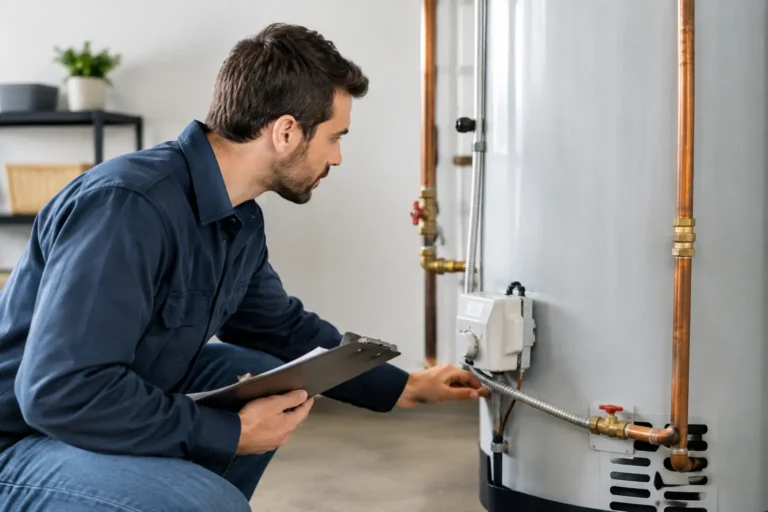
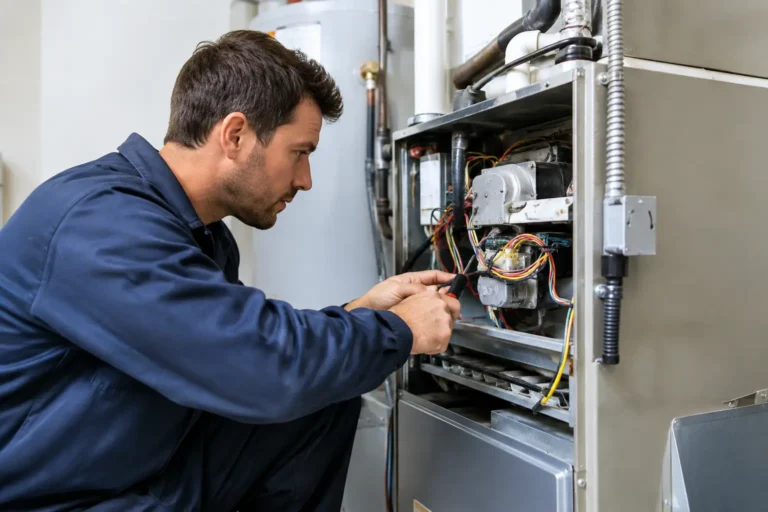
Annual furnace maintenance is the best long-term way to keep operating noise under control. A qualified technician can inspect the blower, inducer, burners, ignition sequence, venting, electrical connections, condensate drainage, filter fit, and duct connections. Maintenance is also the right time to identify parts that are wearing out before they create an emergency call.
Age matters, too. An older furnace may be louder because its motor, cabinet insulation, and blower design are simply less refined than current equipment. Repair can still make sense when the unit is otherwise reliable. But if repairs are frequent, heating bills are climbing, or parts are becoming difficult to source, replacement may be the more predictable choice.
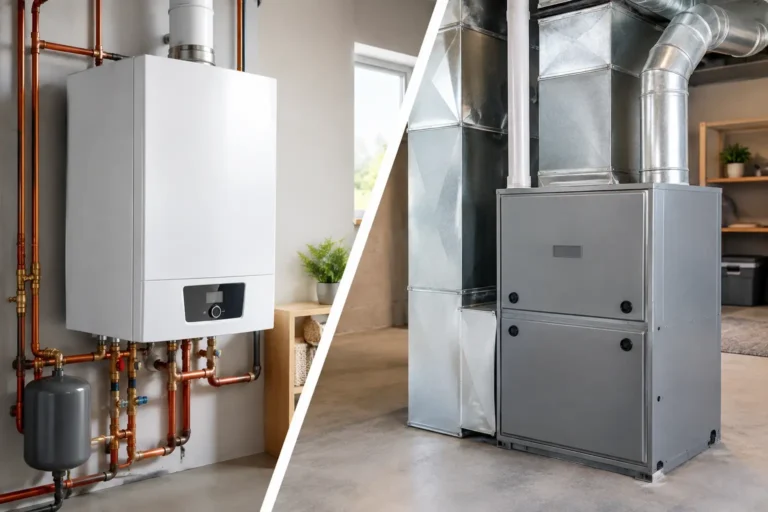
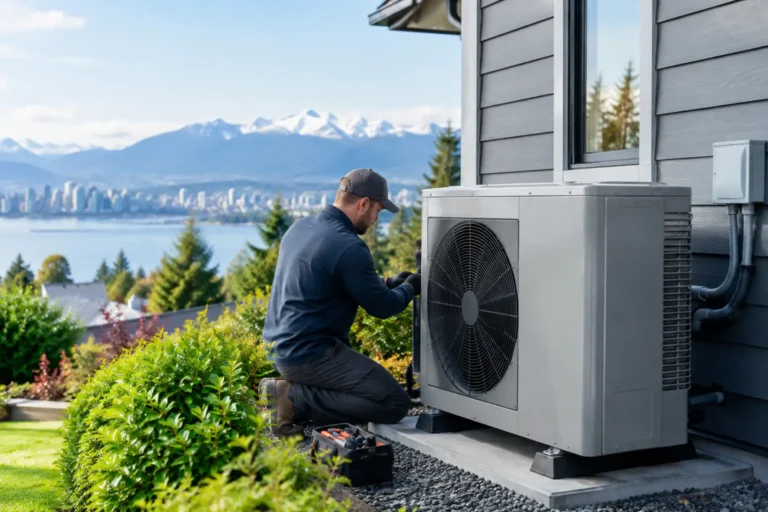
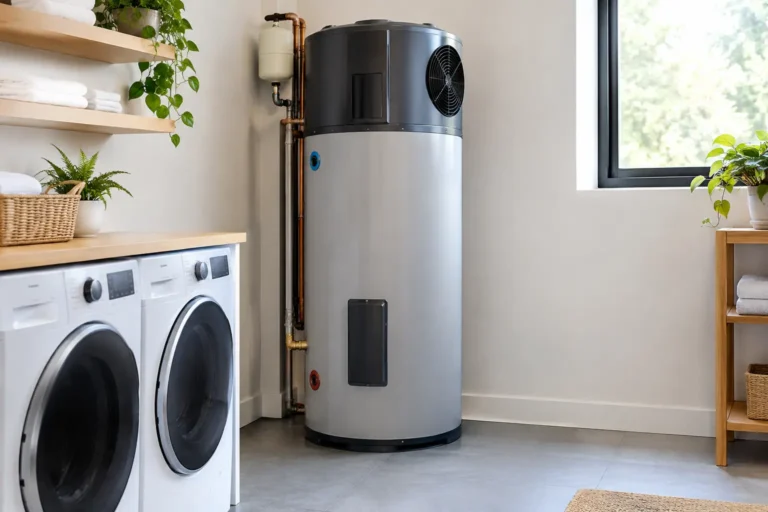
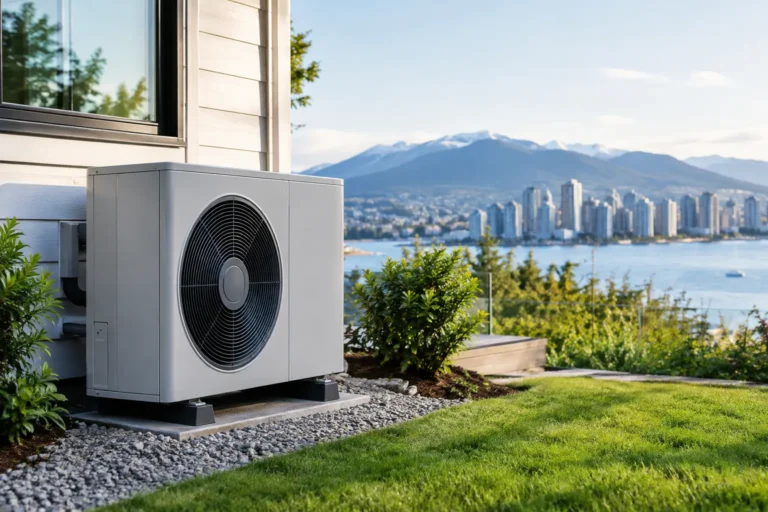
A properly sized high-efficiency furnace or heat pump can provide quieter, more even comfort, but equipment selection must account for the home, ductwork, insulation, and local climate. Homeowners considering an upgrade should also ask about available energy-efficiency incentives, including programs that may support heat pumps or heat-pump water heaters.
A furnace does not need to be silent, but it should not demand your attention every time it runs. When simple airflow checks do not solve the problem, FlameCo Heating Services can inspect the system, explain the cause clearly, and provide an upfront repair or replacement plan that protects comfort and safety.