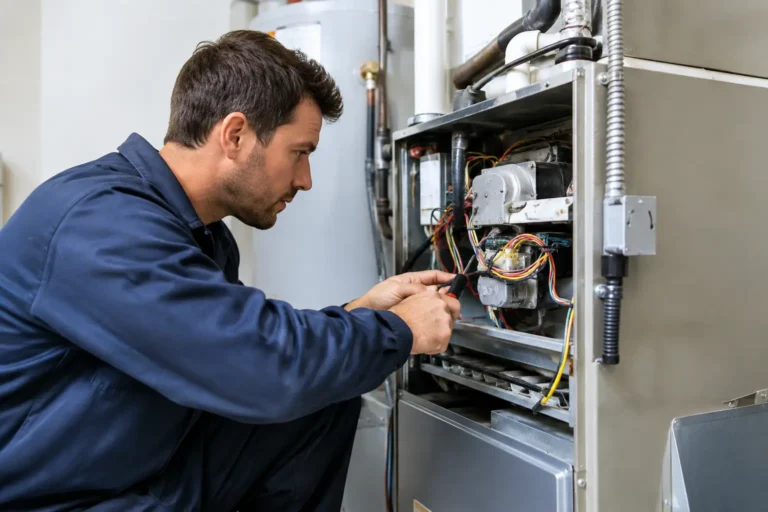
A cold morning is a bad time to learn that your heating system is near the end of its life. If you are weighing boiler versus forced air, the right answer is rarely about one system being universally better. It comes down to your building, existing equipment, comfort priorities, cooling plans, and the real cost of installation.
For homeowners and property managers in the Lower Mainland, that decision also affects tenant comfort, operating costs, maintenance planning, and how quickly a failed system can be replaced. Here is a clear look at what each option does well, where the trade-offs are, and when replacement makes sense.
Boiler Versus Forced Air: The Basic Difference
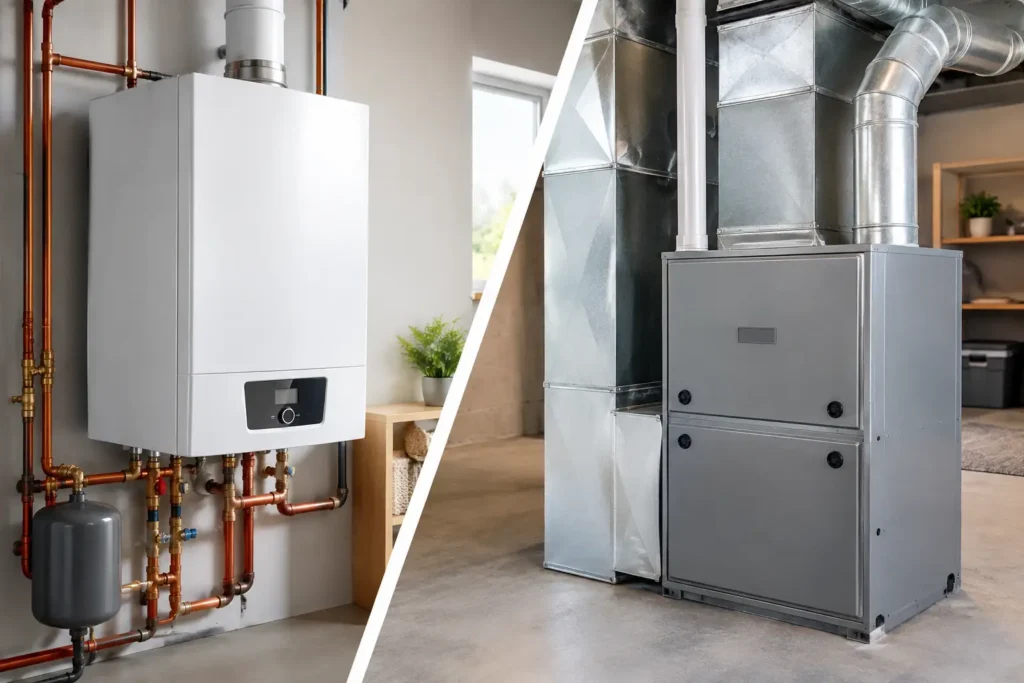
A boiler heats water and circulates it through pipes to radiators, baseboards, or in-floor tubing. This is called hydronic heating. The warmth comes from heated surfaces and gentle radiant heat rather than air blowing through registers.
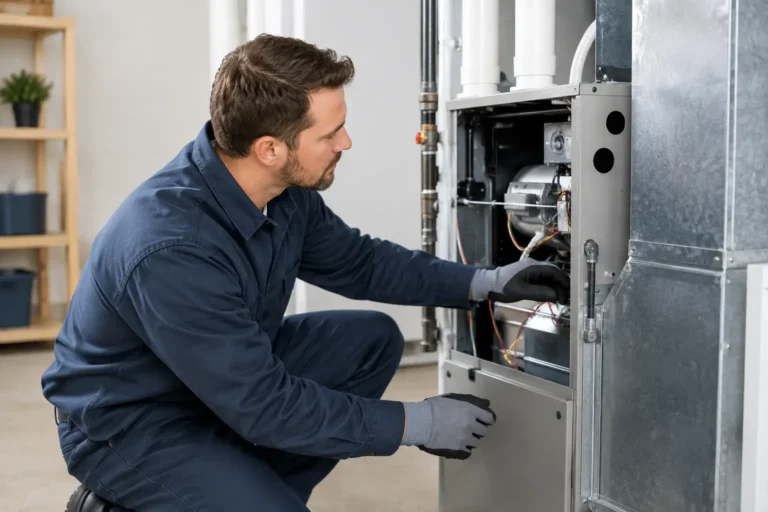
A forced-air system uses a furnace or air handler to warm air and distribute it through ductwork. A blower moves that air into rooms through vents, then draws it back through return ducts to be heated again.
Both systems can provide dependable heat when correctly sized, installed, and maintained. The bigger differences are in how the heat feels, what equipment is already in the property, and what else you want the system to do.
Why Some Owners Prefer Boiler Heat
Boiler systems are known for quiet, even heat. There is no blower starting and stopping, and no air rushing through registers. In-floor hydronic heating can be especially comfortable in bathrooms, basements, entry areas, and homes with tile or concrete floors.
Because boilers do not use ductwork to move heat, they avoid the drafts that some people notice with forced-air systems. Rooms can feel consistently warm, particularly when the system is properly zoned. Separate thermostats and zone valves can allow one part of a home or building to be heated differently from another, which is useful in larger homes, suites, and multi-unit properties.
A boiler may also be a practical choice when a property already has radiators, baseboards, or in-floor piping in good condition. Replacing an aging boiler while keeping the existing distribution system can be far less disruptive than opening walls and ceilings to install new ductwork.
That said, boiler heat is not maintenance-free. Boilers need regular service, combustion checks for gas-fired units, pressure verification, pump inspection, and attention to leaks or corrosion. A small leak can become a significant property-damage issue if it is ignored.
Boiler limitations to plan for
A boiler does not automatically solve cooling. Hydronic systems provide heating, but most do not deliver central air conditioning through the same equipment. If you want summer cooling, you may need a separate solution such as ductless mini-splits, a heat pump, or a dedicated air-conditioning system.
Repairs can also require more specialized diagnosis. Circulator pumps, expansion tanks, zone valves, controls, and piping all need to work together. In older buildings, replacing failed components may reveal that other parts of the system are also nearing the end of their service life.
Where Forced-Air Heating Has an Advantage
Forced-air heating is common because it is flexible. If your home already has ducts, replacing an older furnace can be straightforward compared with changing the entire heating distribution method. Ductwork can also support central air conditioning, making one delivery system useful year-round.
For households that want heating, air conditioning, filtration, and humidity-related options in one setup, forced air is often the practical path. A central system can use filters to capture dust and other airborne particles, and the filter can be upgraded when the equipment and duct design allow it.
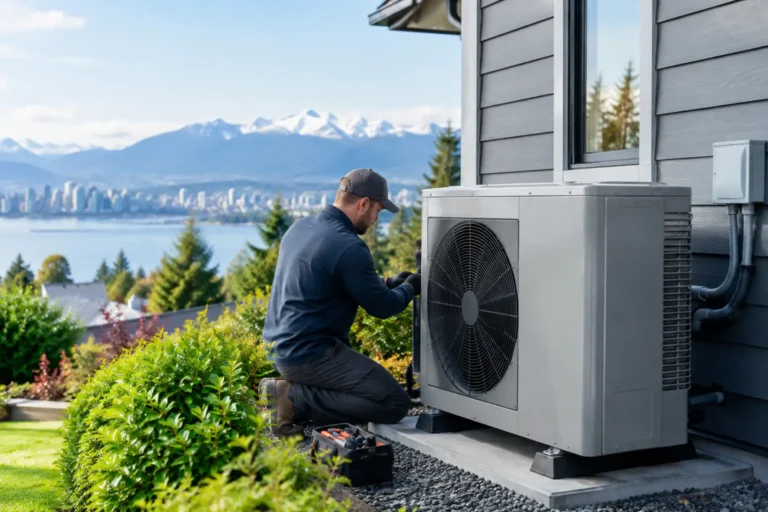
Forced air also pairs well with certain heat-pump upgrades. Depending on your existing system, a heat pump may work with ductwork to provide efficient heating and cooling, with a furnace available as backup during colder conditions. Government incentives for qualifying heat pumps may help reduce upgrade costs, though program rules, eligibility, and funding can change.
Forced-air trade-offs
The comfort experience is different from boiler heat. Warm air is delivered in cycles, so some people notice temperature swings or airflow near vents. Poorly designed ductwork, undersized returns, dirty filters, or weak blower performance can make these issues worse.
Ducts also need attention. Leaks, disconnected sections, dust buildup, and poor balancing can waste energy and leave some rooms too warm or too cold. A new high-efficiency furnace cannot perform at its best if the duct system is restricted or improperly sized.
Noise is another consideration. A properly installed forced-air system should not sound disruptive, but a furnace blower and moving air will always be more noticeable than a quiet hydronic system. Equipment location, duct design, and maintenance make a major difference.
Cost Depends on What Is Already There
The cost question is not simply “Are boilers more expensive than furnaces?” The more useful question is: what will it take to install, operate, and maintain the system in this specific property?
If you already have functioning ductwork, moving to a forced-air furnace or heat-pump system may be the lower-disruption option. If you have an established hydronic system with sound piping and emitters, replacing the boiler may be the sensible investment. Converting from one type of distribution system to the other can require extensive work behind walls, floors, and ceilings.
Equipment efficiency matters, but it should not be viewed in isolation. A high-efficiency boiler or furnace can still waste energy if it is oversized, poorly installed, or connected to an inefficient distribution system. Proper load calculations, venting, controls, drainage, gas piping, and commissioning matter as much as the nameplate rating.
For landlords and commercial property managers, replacement timing matters too. An emergency changeout during freezing weather can create more disruption and fewer equipment options than a planned replacement. If the system has recurring repairs, uneven heat, rising utility use, or hard-to-source parts, it is worth getting an assessment before a complete failure.
Comfort, Air Quality, and Cooling Needs
Choose a boiler when your highest priorities are quiet operation, radiant comfort, zoning, and keeping an existing hydronic system in service. This can be an excellent fit for older homes with radiators, homes with in-floor heat, and properties where adding ducts would be invasive.
Choose forced air when you want central cooling, already have ducts, or want a system that can support filtration and work alongside a ducted heat pump. It is often the most direct solution for homes replacing an older furnace and planning for year-round temperature control.
Neither system automatically creates better indoor air quality. Boiler systems do not circulate air through ducts, which can be appealing for occupants sensitive to dust movement. But they also do not filter the air. Forced-air systems can filter circulated air, but only if filters are changed regularly and the ducts, returns, and equipment are maintained.
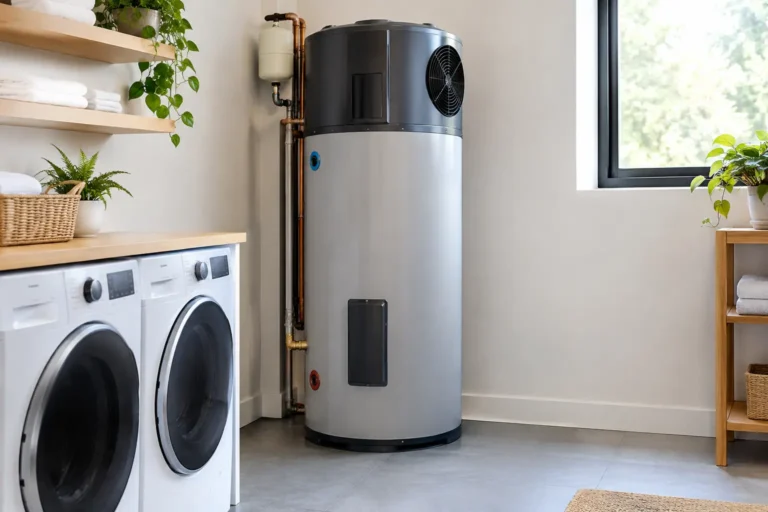
For homes with cooling needs but no ductwork, a hybrid approach can make sense. Keep an efficient boiler for hydronic heating and add ductless heat pumps for cooling and shoulder-season comfort. Some qualifying heat-pump water-heater upgrades may also be eligible for government incentives, offering another way to reduce energy use without rebuilding the entire heating system.
Maintenance and Safety Should Shape the Decision
Gas-fired boilers and furnaces both require qualified service. Combustion equipment should be inspected for safe operation, proper venting, gas connections, ignition performance, and carbon monoxide risks. Do not ignore unusual smells, soot, repeated shutdowns, water leaks, banging pipes, or a furnace that cycles constantly.
A boiler service visit may include checking system pressure, expansion components, pumps, safety controls, and signs of leakage. Furnace maintenance commonly includes inspecting burners, the heat exchanger, blower components, condensate drainage on high-efficiency models, filters, and duct airflow.
For rental and commercial properties, planned maintenance helps reduce avoidable no-heat calls and protects occupants. Keep records of service, repairs, and recurring problems. Those details help a technician identify whether a repair is reasonable or whether replacement is the safer financial decision.
How to Make the Right Call
Start with the system you have, not just the equipment you want. Ask whether the existing ducts or hydronic piping are in good condition, whether you need air conditioning, which rooms have comfort problems, and how long you expect to own or manage the property.
Then get a replacement recommendation based on a site assessment rather than a guess. A qualified contractor should explain the equipment options, installation scope, safety requirements, likely operating considerations, and upfront pricing before work begins. FlameCo Heating Services can assess boiler, furnace, heat-pump, ductless, gas, and hot-water equipment needs across the Lower Mainland with licensed, bonded, and insured service.
The best heating system is the one that fits your building and keeps the people inside it comfortable without creating unnecessary cost or disruption. If your current boiler or furnace is becoming unreliable, arranging an assessment before the next cold snap gives you more choices and more control.