A furnace that will not start, a fireplace with a strange odor, or a water heater that keeps shutting down can feel like a routine repair issue. Sometimes it is. But gas safety regulations exist because combustion equipment, gas piping, venting, and appliance connections can create serious risks when work is improvised, neglected, or completed without the right authorization.
For homeowners, landlords, and property managers across Maple Ridge and the Lower Mainland, the practical rule is simple: gas work should be handled by a qualified, properly licensed gas fitter, with permits and inspections arranged when the scope of work requires them. That protects the people in the building, the property itself, and your ability to sell, insure, or manage the building without costly surprises later.
What Gas Safety Regulations Are Designed to Prevent
Natural gas and propane are dependable fuel sources when equipment is installed, vented, and maintained correctly. Problems arise when fuel gas escapes, combustion is incomplete, exhaust cannot leave the building properly, or an appliance is altered without considering the full system.
Gas safety requirements address more than the appliance sitting in front of you. A furnace replacement may involve fuel piping, shutoff valves, vent sizing, condensate drainage, electrical connections, combustion air, and clearances. A new gas range may require a correctly sized supply line, approved connector, accessible shutoff, and a verification that the appliance is set up for the available fuel. A fireplace concern may involve its venting system, ignition components, gas valve, or the condition of the chimney or termination.
The exact requirements depend on the property, appliance type, fuel source, local authority, and the scope of work. That is why a quick fix found online is not a substitute for an on-site assessment by a qualified professional.
When a Permit and Inspection May Be Needed
Permits are commonly associated with new installations, replacements, alterations, extensions to gas piping, and certain changes to venting or appliance location. The purpose is not paperwork for its own sake. It creates an accountable record that the work was completed to the applicable code and can be inspected where required.
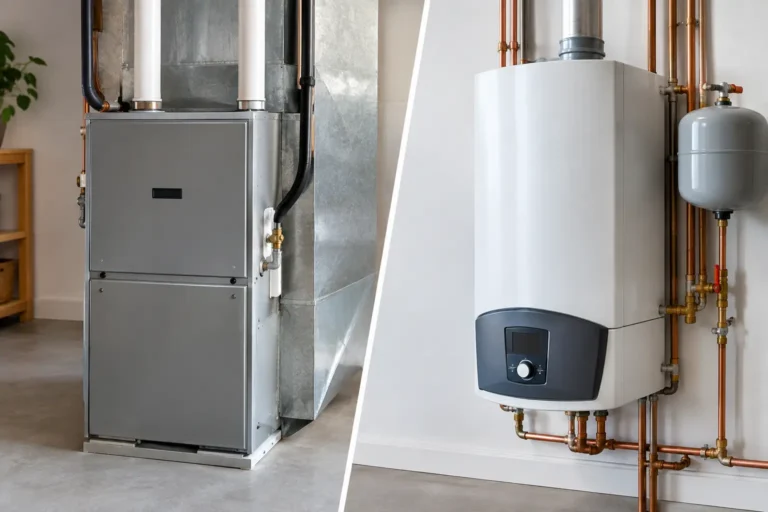
A like-for-like replacement does not always mean the project is identical from a safety standpoint. A newer high-efficiency furnace, for example, may use different venting materials and routing than an older conventional unit. Replacing a standard water heater with a heat pump water heater changes the fuel and electrical considerations entirely. Moving a gas appliance, increasing its capacity, or adding a second appliance can also affect pipe sizing and system design.
For rental properties and commercial spaces, documentation matters even more. Property managers need clear records of service, repairs, permits when applicable, and inspection outcomes. These records support maintenance planning, tenant communication, insurance discussions, and future capital decisions.
Before work begins, ask who is responsible for confirming permit requirements and scheduling any required inspection. A qualified contractor should be clear about the project scope, expected approvals, costs, and what will happen if existing conditions behind a wall, ceiling, or appliance need correction.
Who Should Perform Gas Work?
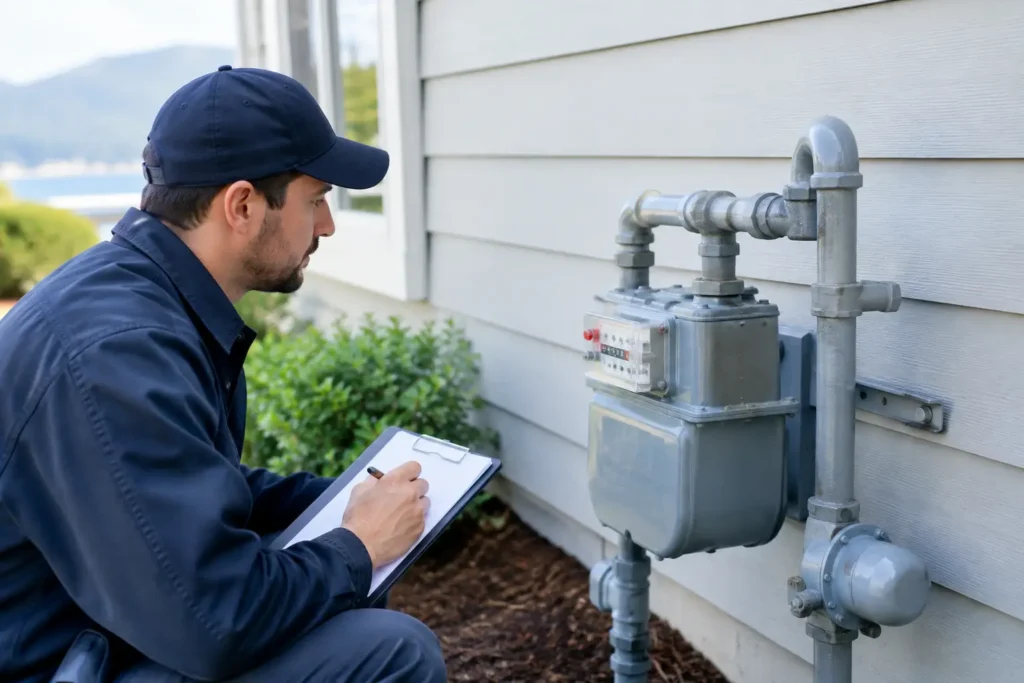
Gas lines, appliance connections, venting changes, and combustion-related repairs are not do-it-yourself projects. Even a small error can result in a leak, carbon monoxide exposure, fire risk, equipment damage, or a failed inspection.
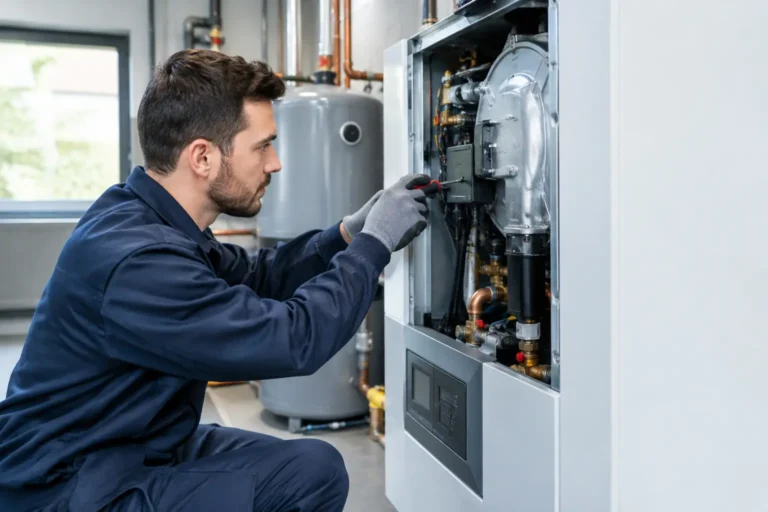
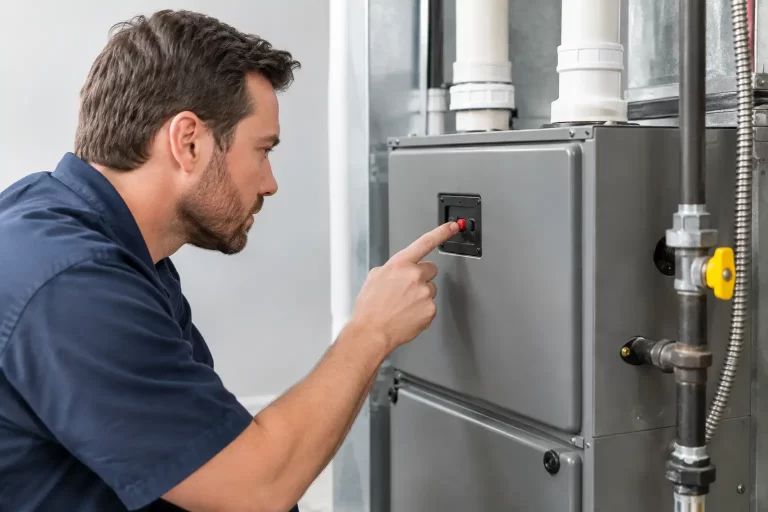
Use a contractor qualified for the specific work being performed. This is especially important when an HVAC service call overlaps with gas fitting work. A furnace may have an ignition failure, but diagnosing the repair properly can also require checking gas pressure, burner operation, venting, safety switches, and combustion performance. Replacing a part without addressing the underlying cause can leave the equipment unreliable or unsafe.
FlameCo Heating Services provides licensed, bonded, and insured HVAC and gas-related service across the Lower Mainland, including emergency support when a gas appliance or heating system cannot wait. Customers should still expect a clear explanation of the issue, the repair options, and the price before authorizing work.
Common Situations That Need Professional Attention
Not every gas concern is an emergency, but it is better to act early than to wait for a minor symptom to become a no-heat call or a safety incident. Arrange a professional assessment if you notice repeated pilot or ignition failures, yellow or irregular burner flames, soot near an appliance, water around a boiler or water heater, new stains near venting, or persistent shutdowns.
Four signs require more immediate action:
- You smell gas or hear a hissing sound near a gas line or appliance.
- A carbon monoxide alarm sounds, especially near bedrooms or combustion equipment.
- You notice dizziness, nausea, headaches, or flu-like symptoms that improve after leaving the building.
- A vent connector, chimney, or exterior vent termination is loose, damaged, blocked, or visibly deteriorated.
If you suspect a gas leak, do not operate switches, use flames, start vehicles nearby, or try to locate the leak yourself. Leave the area if it is safe to do so, contact the gas utility or emergency services as appropriate, and arrange for a qualified gas professional once the immediate hazard is addressed.
Venting and Carbon Monoxide Are Central to Gas Safety
A gas appliance can have a sound gas connection and still be unsafe if it cannot vent combustion gases correctly. Furnaces, boilers, water heaters, and fireplaces must have venting that is compatible with the appliance and installed according to its approved requirements. Improper slope, loose joints, unsupported pipe, blocked terminations, or incorrect materials can interfere with safe operation.
Carbon monoxide is colorless and odorless. It is produced when fuel does not burn completely, which can happen for several reasons, including inadequate air supply, burner problems, venting faults, or damaged heat-exchange components. Carbon monoxide alarms are a critical warning layer, but they do not replace regular equipment service.
Install carbon monoxide alarms in appropriate locations and test them according to the manufacturer’s instructions. Replace alarms at the end of their listed service life. If an alarm activates, treat it as a real safety event rather than assuming it is a faulty device.
Maintenance Helps Keep Equipment Compliant and Reliable
Gas safety regulations focus on safe installation and alteration, but ongoing maintenance is what helps systems remain safe in real operating conditions. Dust buildup, blocked drains, worn igniters, corroded venting, and aging components can change how equipment runs over time.
For most homes, annual service before the heating season is a practical baseline for furnaces, boilers, and fireplaces. A service visit should be more than changing a filter. It should consider appliance operation, visible gas piping, ignition sequence, safety controls, venting condition, air movement, and signs of leakage or corrosion. The appropriate tasks vary by appliance, so a fireplace service is not identical to a boiler or furnace tune-up.
For multi-unit and commercial properties, maintenance frequency may need to be more deliberate. Equipment serves more people, may run longer, and can create greater disruption when it fails. A planned schedule also gives managers time to budget for repairs or replacements instead of making a rushed decision during a winter breakdown.
Upgrades Can Change Your Safety and Compliance Needs
Energy-efficiency upgrades are often a smart long-term decision, particularly when an older furnace, boiler, or water heater is nearing the end of its service life. However, an upgrade should start with a system assessment, not just an equipment price.
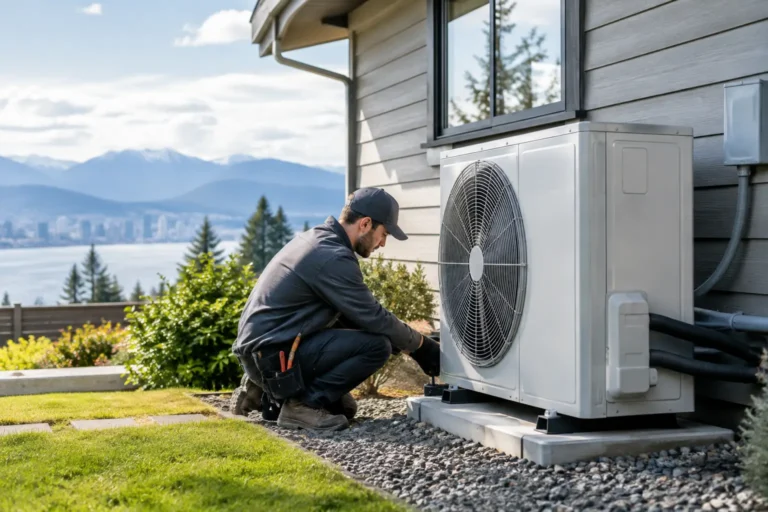
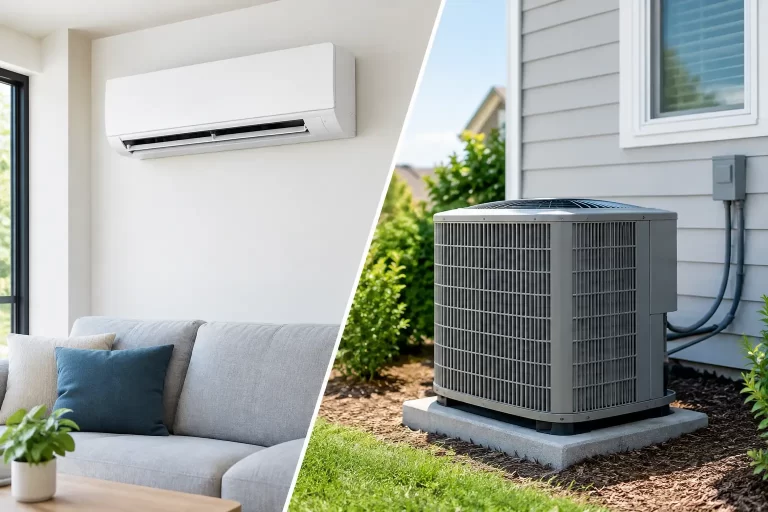
A heat pump can reduce reliance on gas for space heating, while a heat pump water heater can reduce gas consumption for domestic hot water. Available government incentives may help offset eligible heat pump and heat pump water heater projects, but program requirements, equipment eligibility, and funding availability can change. Confirm the current terms before making a purchase decision.
The trade-off is that an electrification upgrade may require electrical-capacity review, installation-space planning, condensate management, and consideration of how the building will handle backup heat or hot-water demand. In other cases, keeping a gas appliance and improving its condition or controls may be the more practical choice. The right answer depends on the building, budget, utility setup, and long-term plans.
A safe gas system is not something you should have to guess about. When equipment acts differently, a renovation affects gas appliances, or a replacement is being considered, get qualified advice before a small uncertainty becomes an urgent problem.