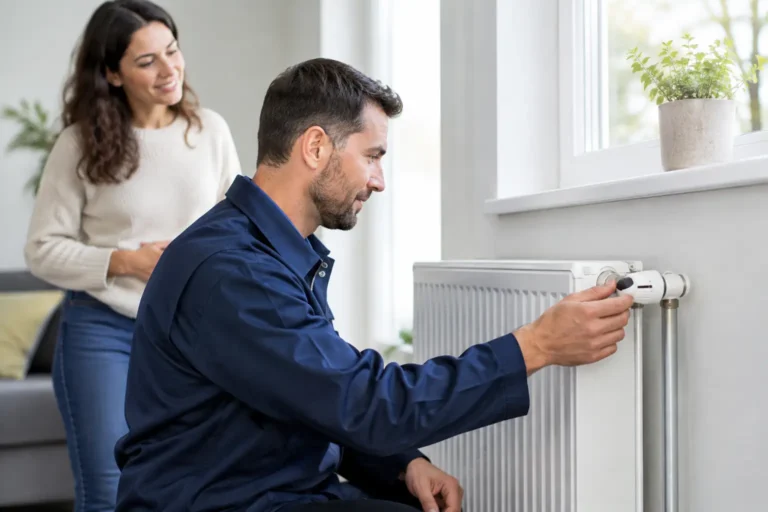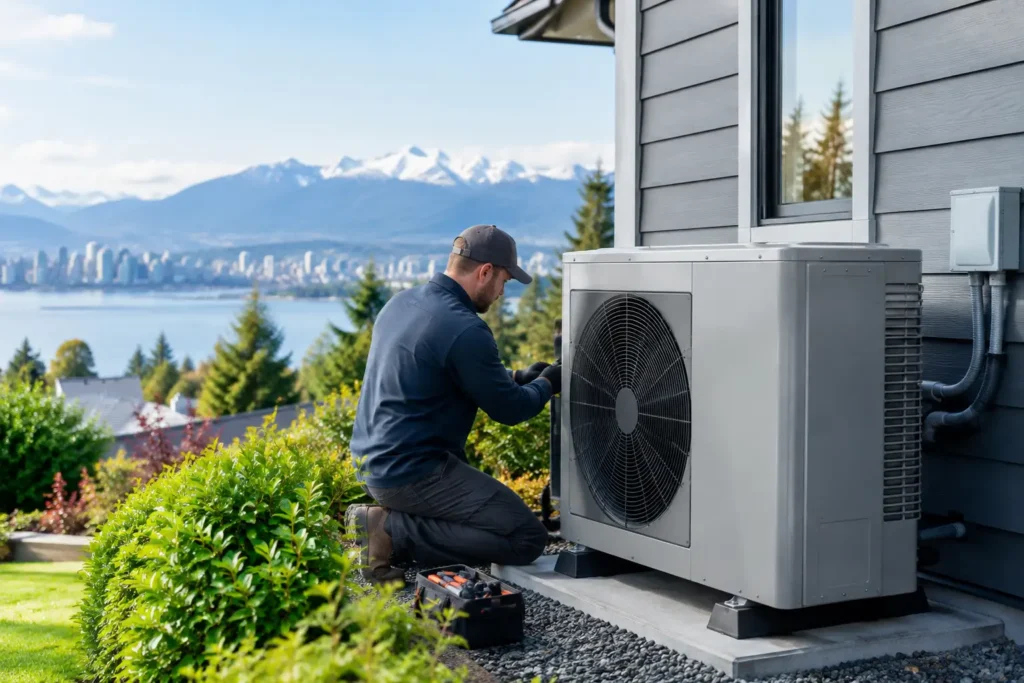
A furnace that is nearing the end of its life gives homeowners a decision to make: replace it with a similar gas model, or move part or all of the home’s heating to electricity. HVAC electrification trends are making that decision more common across the Lower Mainland, especially as heat pumps, heat pump water heaters, rebates, and efficiency concerns become part of everyday replacement planning.
Electrification does not mean every property needs to remove every gas appliance immediately. It means evaluating where electric equipment can provide reliable comfort, lower operating costs, or simpler long-term maintenance. The right plan depends on the home, the building’s electrical capacity, existing ductwork, hot-water demand, and how urgently equipment needs replacement.
What HVAC Electrification Means for Your Property
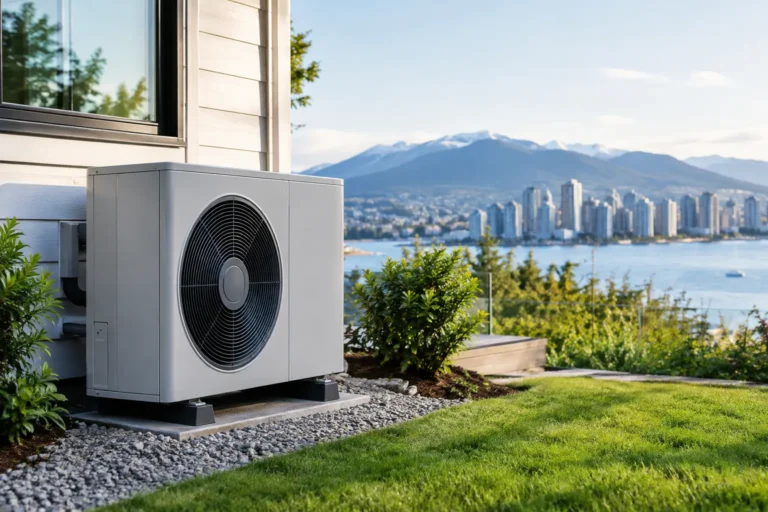
HVAC electrification is the shift from gas-fired heating and water-heating equipment toward electric alternatives. For many homeowners, the most visible change is replacing an older furnace and air conditioner with a central heat pump. A heat pump provides both heating and cooling through one outdoor system, moving heat rather than creating it through combustion.
In the Lower Mainland’s generally moderate winter climate, modern cold-climate heat pumps can be a practical primary heating option for many houses, condos, townhomes, and commercial spaces. Ductless mini-splits can serve homes without usable ductwork, room additions, suites, and targeted comfort problems. Heat pump water heaters are another growing option, using electricity to pull heat from surrounding air to heat stored water.
The shift is about more than energy sources. It can also reduce reliance on combustion equipment inside the building, add air conditioning where a property previously had none, and give owners a chance to correct comfort issues during a planned replacement instead of an emergency failure.
The HVAC Electrification Trends Driving Upgrades
Heat pumps are replacing paired furnace and AC systems
For years, many homes used a gas furnace for winter heat and a separate air conditioner for summer cooling. A central heat pump can handle both jobs. This is attractive to homeowners whose furnace and AC are both aging, because they can replace two major functions through one coordinated system design.
That does not automatically mean a heat pump is the best fit for every home. Duct condition, insulation levels, window performance, and the home’s heat loss all matter. An oversized system can cycle too often and leave rooms uncomfortable. An undersized system may need backup heat during cold snaps. Proper load calculations and equipment sizing are more valuable than choosing equipment based on square footage alone.
Hybrid heating remains a practical middle ground
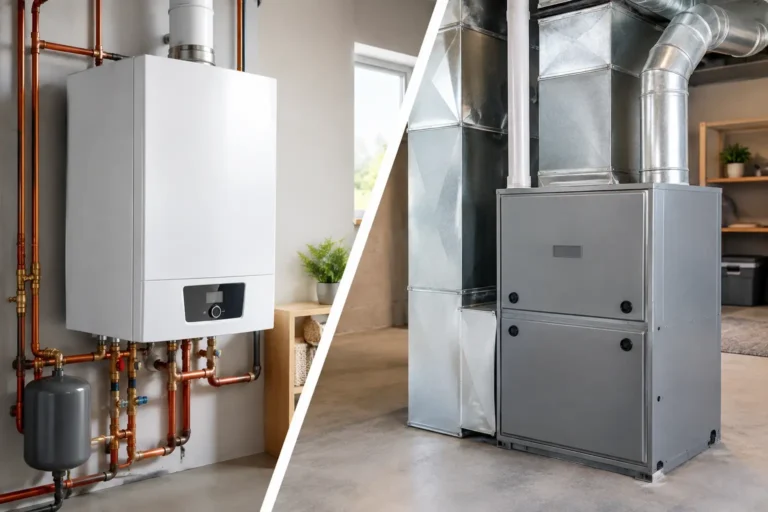
Full electrification is not the only path. Dual-fuel systems pair a heat pump with a gas furnace. The heat pump handles much of the heating season, while the furnace provides backup heat when outdoor temperatures are especially low or when a property needs extra capacity.
This approach can make sense for larger homes, older properties with higher heat loss, and customers who want electric cooling and efficient shoulder-season heating without removing a working gas furnace too early. It also gives homeowners a staged upgrade path instead of forcing every decision into one replacement project.
Ductless systems are solving room-by-room comfort problems
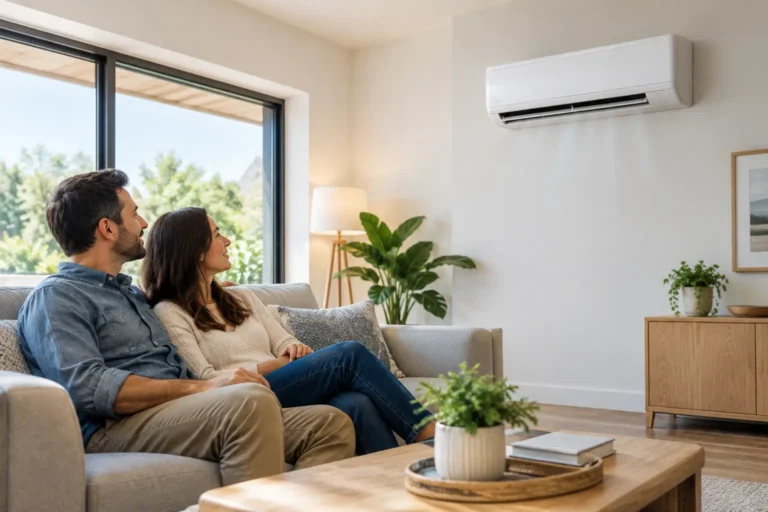
Mini-split heat pumps are becoming more common in homes with hot upper floors, cold bedrooms, basement suites, garages converted to living space, and additions that never connected well to the central system. They provide heating and cooling without extensive duct installation.
For landlords and property managers, ductless equipment can be especially useful when a single area has recurring comfort complaints but a full building retrofit is not practical. The trade-off is that indoor heads must be placed thoughtfully, and multi-zone systems need to be designed around actual room loads rather than assumed coverage.
Heat pump water heaters are getting more attention
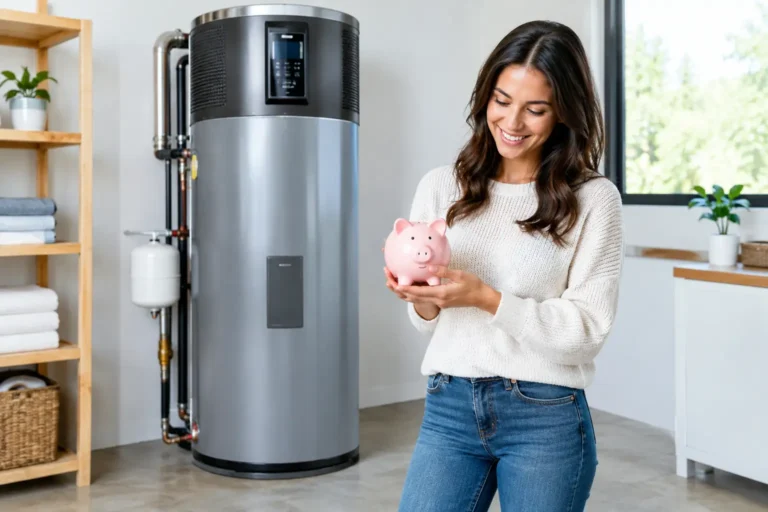
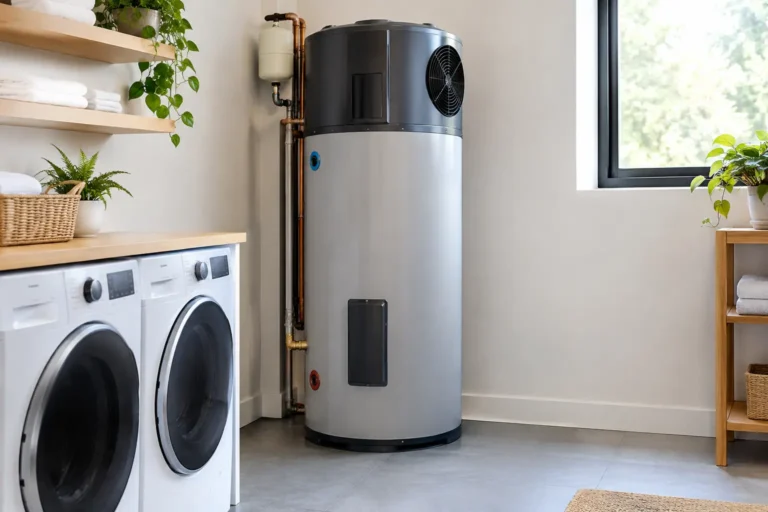
Hot-water equipment is a major part of electrification planning. A heat pump water heater can use significantly less electricity than a conventional electric tank, and government incentives may be available for qualifying heat pump water heater upgrades. Available programs, amounts, technical requirements, and eligibility can change, so confirm current details before selecting equipment.
These units need suitable installation space and air volume because they draw heat from the surrounding area. They can also cool and dehumidify the room where they are installed, which may be helpful in a utility room but less desirable in a small conditioned space. Noise, condensate drainage, electrical requirements, and household hot-water usage should be reviewed before installation.
Why a Straight Equipment Swap Can Create Problems
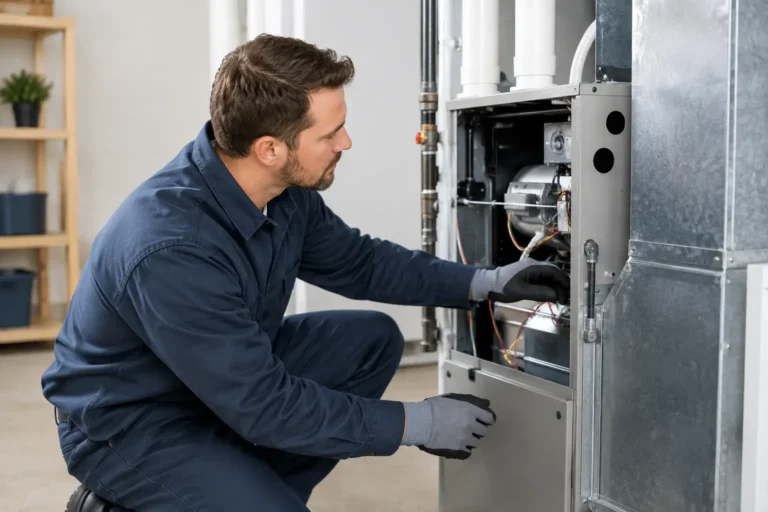
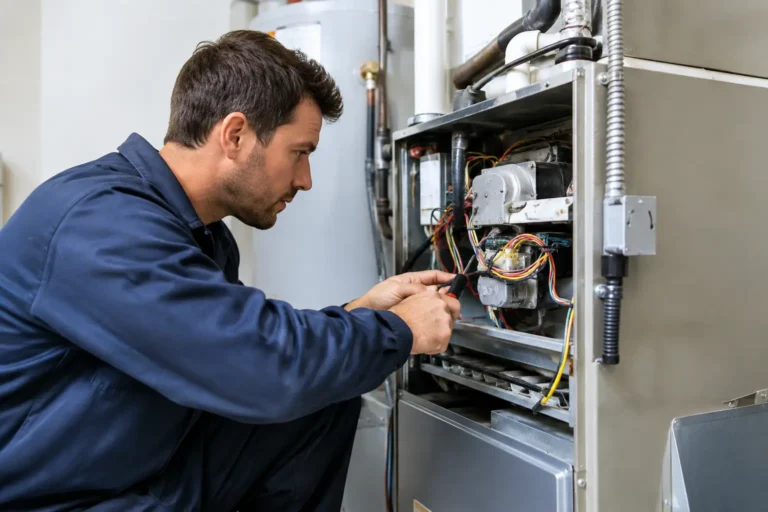
The fastest replacement is not always the best replacement. Replacing a failed furnace with a heat pump involves checking more than the equipment cabinet. Electrical panels may need additional capacity. Existing ducts may need repairs, sealing, balancing, or resizing. Older homes may need weatherization work to prevent heated air from escaping faster than the new system can deliver it.
A professional assessment should also consider ventilation. Tighter homes can be more energy efficient, but they still need controlled fresh-air exchange. Bathroom fans, range hoods, HRVs, ERVs, and combustion appliances all affect indoor air quality and system performance.
For multi-unit buildings and commercial properties, planning is even more important. Electrical demand, tenant schedules, equipment access, roof or exterior-unit locations, noise limits, drainage, and service continuity must be addressed before work starts. A project that looks simple on paper can become disruptive if these details are missed.
When Electrification Makes Financial Sense
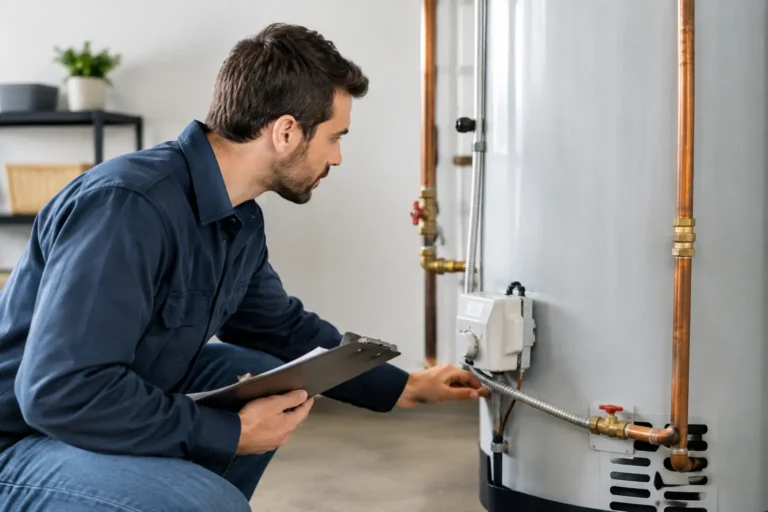
Electrification often makes the most sense when equipment is already due for replacement. If an old furnace needs a major repair, an air conditioner is nearing failure, or a water tank is leaking, that is the time to compare replacement options with all costs on the table.
The calculation should include purchase price, installation changes, expected energy use, maintenance, available rebates, financing, and the remaining condition of connected equipment. Government incentives on heat pumps can improve the economics of a qualifying upgrade, but they should not be the only reason to choose a system. A rebate does not fix poor sizing, inadequate ductwork, or an installer who has not assessed the property correctly.
For some homes, a high-efficiency gas furnace remains a sensible short-term replacement, particularly where electrical upgrades would be substantial or the home has unique heating demands. For others, a heat pump offers better year-round value because it replaces both heating and cooling equipment. There is no responsible one-size-fits-all answer.
Questions to Ask Before Choosing a Heat Pump or Electric Upgrade
Before approving an upgrade, property owners should get clear answers about the system’s heating capacity at local winter temperatures, expected backup heat, electrical work, and how the new equipment will affect existing ductwork. Ask how condensate will be drained, where outdoor equipment will sit, and what maintenance is required to protect performance.
It is also worth asking which incentives apply to the exact equipment and installation plan. Some programs require specific efficiency ratings, approved product models, pre-approval, invoices, or other documentation. Do not assume an advertised rebate applies after installation has started.
If the property still has gas appliances, make sure the contractor can address the full system safely. Gas lines, venting, fireplaces, boilers, and furnaces require qualified handling. An electrification project should not leave behind abandoned equipment, unsafe connections, or unresolved ventilation concerns.
Plan the Upgrade Before the Next Failure
The best time to compare HVAC options is before the furnace stops on a cold night or the water heater begins leaking. A planned evaluation gives you time to review heat pump options, electrical capacity, incentives, and the condition of the equipment you may keep.
For Lower Mainland homeowners and property managers, the practical goal is not electrification for its own sake. It is dependable heating, effective cooling, safe hot water, and a clear replacement plan that fits the building and budget. FlameCo Heating Services can assess the full comfort system, explain the trade-offs in plain language, and help you move forward with licensed, transparent work when the timing is right.