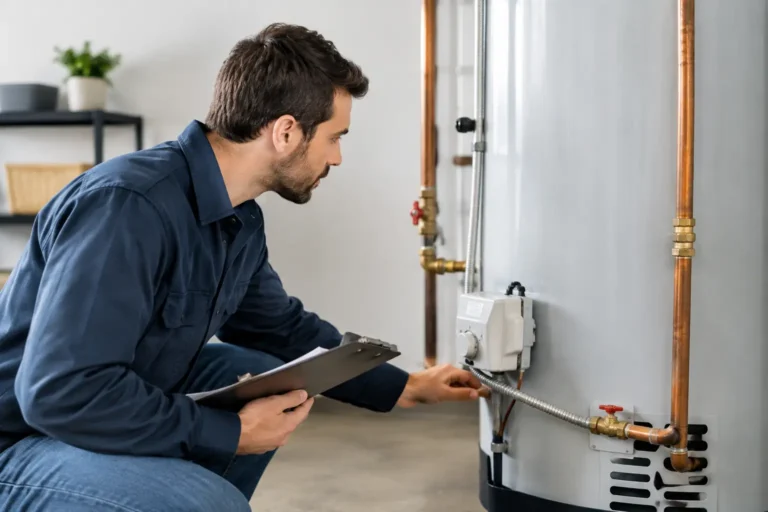
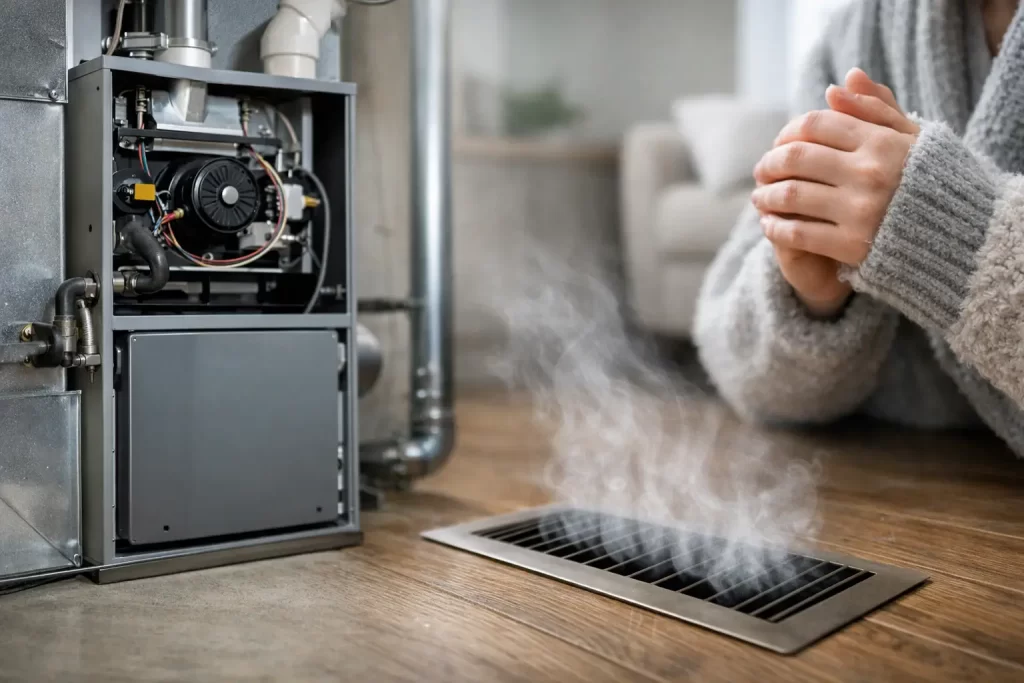
A furnace that starts up, runs loudly, and then sends cold air through the vents is more than an inconvenience on a Lower Mainland winter night. If you are wondering why your furnace is blowing cold air, the cause may be a simple thermostat setting, but it can also point to an ignition, airflow, drainage, electrical, or gas-related problem that needs qualified service.
Before trying to reset the system repeatedly, pay attention to what the furnace is doing. Is the air cold from every vent? Does the unit start and stop quickly? Is there an error light blinking on the furnace cabinet? Those details can help separate a quick fix from a repair that should not wait.
Why Is Your Furnace Blowing Cold Air?
A forced-air furnace does not produce warm air until its heat exchanger has warmed up. For the first minute or two of a heating cycle, air may feel cool while the blower clears the ducts. That is normal. Cold air that continues after several minutes, or returns every time the furnace runs, is not.
Modern furnaces are designed to shut down the burners when they detect an unsafe operating condition. The blower may keep running to protect the equipment from overheating. That safety response can feel like a furnace failure, but it is often the system telling you that airflow, ignition, venting, or drainage needs attention.
1. The Thermostat Is Set Incorrectly
Start with the least complicated possibility. Confirm the thermostat is set to Heat and that the temperature setting is several degrees above the current room temperature. If it uses batteries, replace them if the display is dim, blank, or inconsistent.
Also check the fan setting. When the fan is set to On, it runs continuously whether the burners are operating or not. During the breaks between heating cycles, it will circulate room-temperature or cool air. Set the fan to Auto and wait for a full heating cycle.
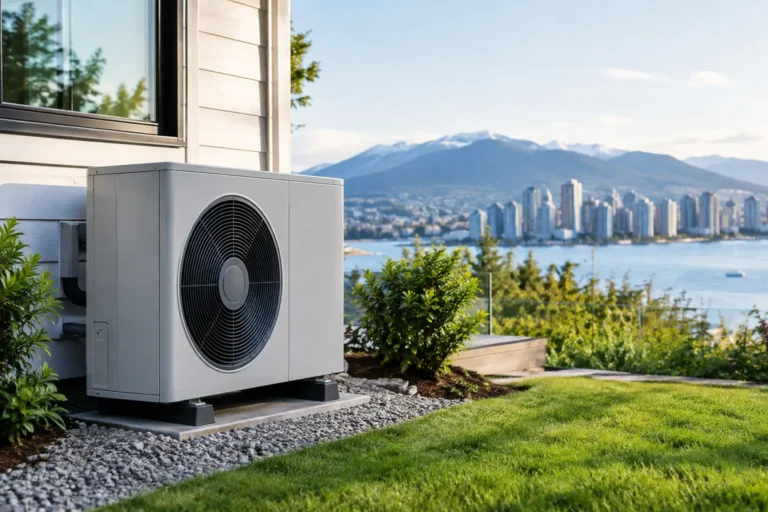
If you have a heat pump paired with a furnace, thermostat settings matter even more. A heat pump can deliver air that feels cooler than a gas furnace while still heating the home. However, truly cold air, poor indoor temperatures, or frequent auxiliary heat operation should be inspected.
2. A Dirty Filter Is Restricting Airflow
A clogged furnace filter is one of the most common reasons a furnace overheats and shuts off its burners. The blower may continue operating, sending cool air through the home while the furnace tries to protect itself.
Turn the thermostat off, check the filter location, and replace a visibly dirty filter with the correct size and airflow rating. Avoid forcing in an overly restrictive filter if the furnace was not designed for it. A high-rated filter can improve particle capture, but it can also reduce airflow when it is not matched to the system.
If a clean filter does not restore normal heat, do not keep cycling the furnace. Repeated overheating can strain limit switches, the blower motor, and other components.
3. The Furnace Is Overheating or Has a Blower Problem
Your furnace needs adequate airflow across the heat exchanger. In addition to a dirty filter, blocked return vents, closed supply registers, a failing blower motor, or a dirty indoor coil can reduce airflow enough to trigger a high-limit safety switch.
Make sure return-air grilles are not covered by furniture, boxes, or rugs. Open the supply vents throughout the home rather than closing most of them to force heat into one area. Closing too many vents can create pressure problems and reduce the airflow your furnace needs.
A furnace that starts, produces brief heat, then switches to cool air may have a limit-switch or blower issue. These repairs require diagnosis because the visible symptom can be the same even when the failed part is different.
4. The Igniter, Flame Sensor, or Pilot System Has Failed
Gas furnaces must prove that ignition occurred before they can continue heating. Older systems may use a standing pilot, while many newer furnaces use an electronic igniter and flame sensor.
A dirty flame sensor is a frequent reason a furnace lights briefly and then shuts the burners off. You may hear the furnace start, see it attempt ignition, and then notice it goes cold within seconds. The blower can continue to run afterward.
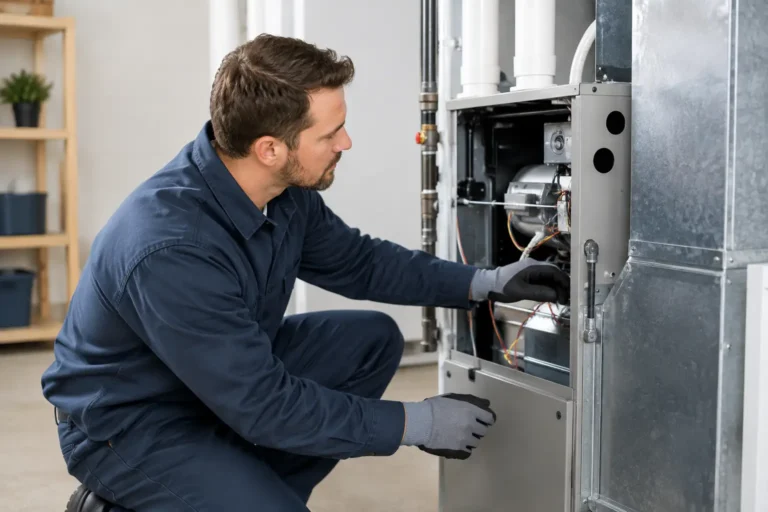
Do not bypass safety switches or attempt gas-component repairs yourself. A licensed HVAC and gas professional can test the ignition sequence, clean or replace the correct component, and confirm the furnace is venting and operating safely.
5. A Condensate Drain Is Blocked
High-efficiency furnaces create condensation during normal operation. That water drains through a small line and trap. If the line freezes, clogs, or backs up, a safety switch may prevent the furnace from operating.
This issue is especially common during colder, wetter weather and can look like an ignition problem. Some homeowners find water near the furnace or see a code light on the control board. Because drain-routing errors and venting issues can cause repeated shutdowns, it is best to have the full condensate system checked rather than only clearing what is visible.
6. The Furnace Has Lost Power or Fuel Supply
A tripped breaker, a switched-off furnace disconnect, or a blown low-voltage fuse can interrupt normal operation. Check the electrical panel once and ensure the furnace service switch has not been turned off accidentally. If the breaker trips again, leave it off and arrange service. Resetting a repeatedly tripped breaker can create a larger electrical risk.
For gas furnaces, confirm the gas shutoff valve has not been closed during other work in the utility area. Do not turn gas valves on and off repeatedly. If you smell gas, hear hissing near a gas line, feel unwell, or suspect a gas leak, leave the building immediately, avoid switches and open flames, and contact the gas utility or emergency services from a safe location.
7. The Venting System Is Blocked or Frozen
A high-efficiency furnace typically vents through PVC pipes that exit an exterior wall. Snow, ice, leaves, nest material, or other debris around the termination can affect combustion air intake or exhaust flow. The furnace may shut down rather than operate under unsafe venting conditions.
You can visually check that the exterior terminations are clear and unobstructed from the ground. Do not dismantle the venting, poke objects deep into the pipes, or climb onto a roof in winter conditions. A venting concern deserves prompt professional attention, particularly if the furnace is repeatedly locking out.
8. Ductwork or Zoning Is Creating a Comfort Problem
Sometimes the furnace is heating normally, but cold air reaches certain rooms because of duct leakage, disconnected ducts, poor insulation, balancing problems, or a malfunctioning zone damper. This is common in basements, additions, upper floors, suites, and commercial spaces with complicated duct layouts.
If only one area is cold while the rest of the building heats properly, the problem may not be inside the furnace at all. A proper assessment should include airflow, duct condition, thermostat placement, and the capacity of the equipment for the space.
Safe Checks Before Calling for Furnace Repair
A few basic checks can save time without putting your home or equipment at risk. Set the thermostat to Heat, set the fan to Auto, replace the filter if needed, ensure vents and returns are open, and check that the furnace has electrical power. Then allow one complete heating cycle to run.
Look through the furnace sight glass for a blinking diagnostic light if your model has one. Record the blink pattern rather than removing panels or touching internal wiring. The pattern can give a technician a useful starting point.
Do not repeatedly press the reset button, remove burner covers, clean sensors without training, or attempt repairs involving gas, combustion, wiring, or venting. A furnace can have several safety controls, and defeating one may put occupants at risk.
When Cold Air Is an Emergency
Call for urgent furnace service when there is no heat during cold weather, especially in homes with children, seniors, tenants, or plumbing that could freeze. Property managers should treat a full heating outage as time-sensitive, since delays can lead to tenant disruption, water damage, and larger repair costs.
You should also request immediate help if the furnace cycles on and off constantly, produces burning smells, makes banging or screeching sounds, leaks water around electrical components, or displays a persistent error code. If a carbon monoxide alarm sounds, get everyone outside, call emergency services, and do not re-enter until authorities say it is safe.
Repair or Replacement: What Makes Sense?
A single failed sensor, igniter, drain component, or blower-related part can often be repaired cost-effectively. The decision changes when the furnace is older, needs frequent repairs, has a cracked heat exchanger, or is too inefficient or undersized for the building.
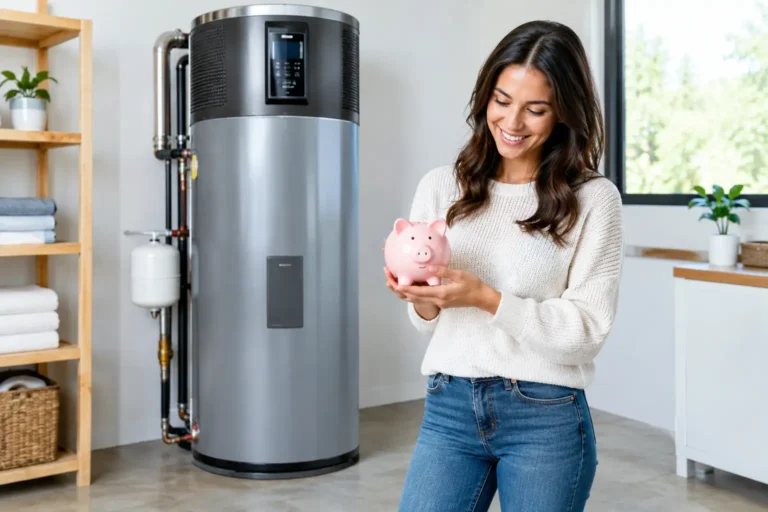
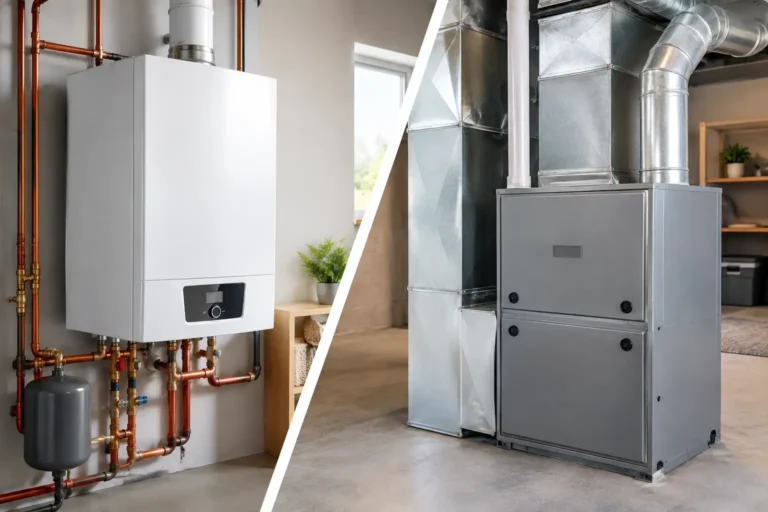
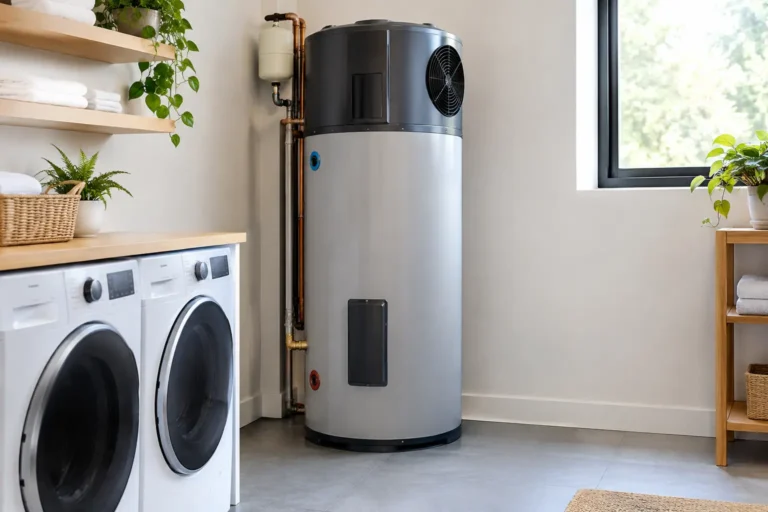
For homeowners considering replacement, a high-efficiency furnace or heat pump system may reduce energy use and improve year-round comfort. Available government incentives for heat pumps and heat-pump water heaters can affect the overall cost, but eligibility, equipment selection, and installation requirements vary. A clear quote should explain the repair, the replacement options, and the expected scope before work begins.
FlameCo Heating Services provides licensed, bonded, and insured furnace diagnostics, emergency repairs, and replacement planning across Maple Ridge and the Lower Mainland. When cold air keeps coming from the vents, the right next step is not guesswork – it is a safe diagnosis that restores dependable heat and gives you a clear answer before the problem gets worse.