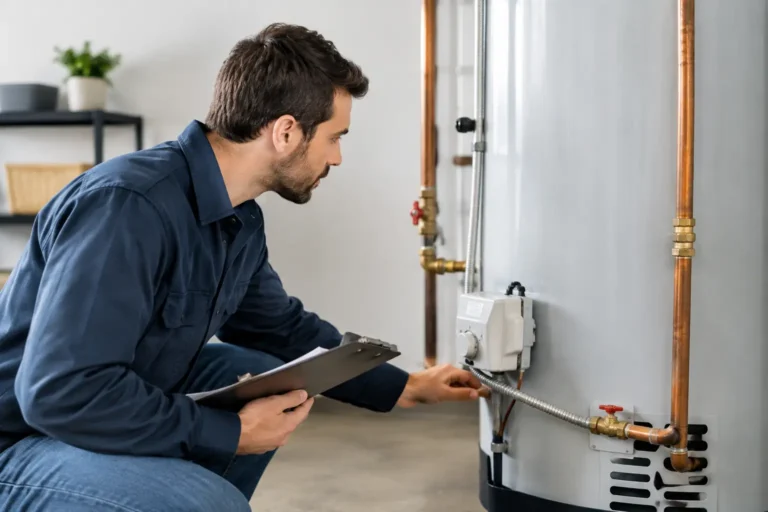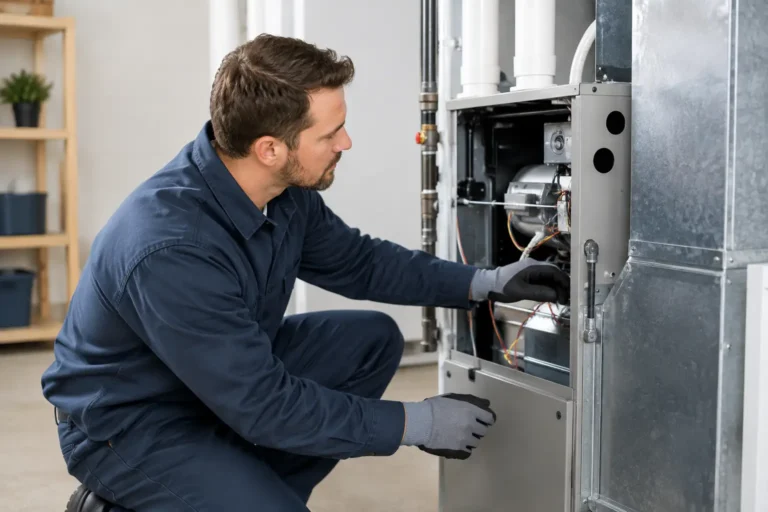
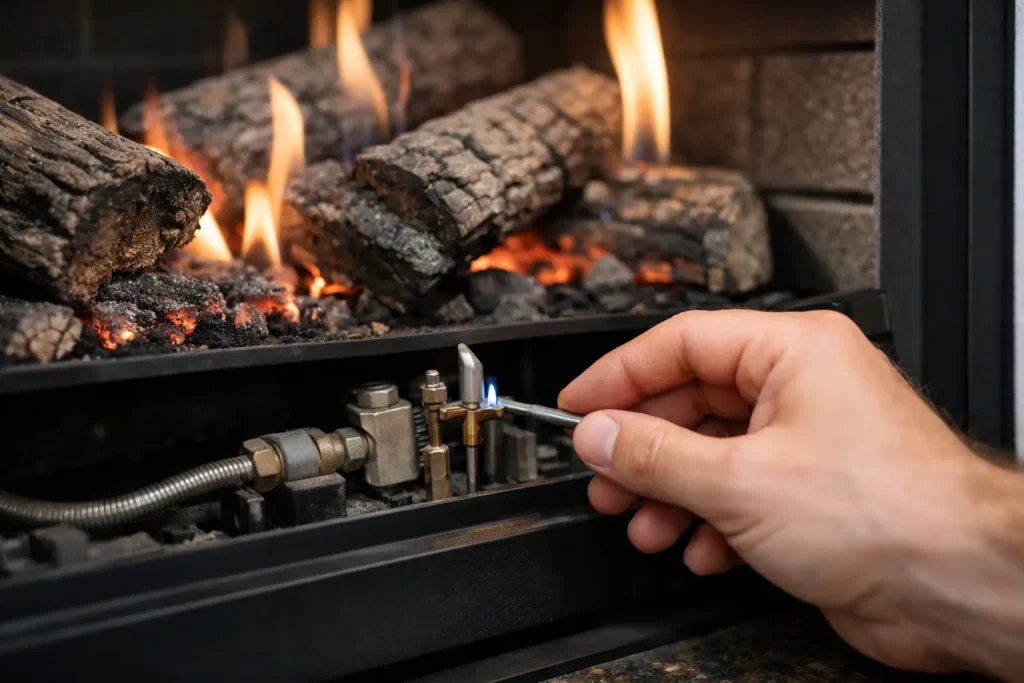
A pilot light that goes out the moment you release the control knob is more than an inconvenience on a cold evening. If your gas fireplace pilot light won’t stay lit, the fireplace cannot operate reliably, and repeated relighting attempts can create unnecessary risk. The issue may be as simple as a weak flame or as involved as a failed safety component, but gas equipment deserves a careful approach.
The safest first step is to stop trying to relight the unit if you smell gas, hear hissing, or feel lightheaded. Leave the area, avoid switches and open flames, and contact your gas utility or emergency services as appropriate. If there is no gas odor and the fireplace is otherwise in good condition, a few basic observations can help determine whether a professional repair call is needed.
Why a Gas Fireplace Pilot Light Won’t Stay Lit
A standing-pilot fireplace uses a small flame to heat a safety sensor, usually a thermocouple or thermopile. Once that sensor is hot enough, it sends a signal that allows gas to continue flowing to the pilot. If the sensor does not heat properly, the gas valve closes when you release the knob. That safety function is intentional.
The most common cause is a pilot flame that is too weak, too small, or not aimed correctly at the sensor. A healthy pilot flame is generally steady and mostly blue, with the flame clearly touching the thermocouple or thermopile. A yellow, lazy, flickering, or intermittent flame may not produce enough heat to keep the safety circuit engaged.
Dust, lint, pet hair, and residue can partially block the pilot assembly over time. Fireplaces often sit unused for months, which gives debris a chance to collect around the burner, pilot hood, and air openings. This is particularly common after summer or during the first fireplace use of the season.
A worn thermocouple or thermopile is another frequent culprit. These components operate in a high-heat environment and eventually fail. They may work intermittently at first, requiring you to hold the control knob longer than usual, before reaching the point where the pilot will no longer remain lit at all.
Other possible causes include a failing gas control valve, an issue with the wall switch or remote system, low gas pressure, moisture in the fireplace, or a venting and combustion problem. Those faults require qualified diagnosis because the symptoms can overlap, and replacing parts without confirming the cause can waste time and money.
Safe Checks Before Calling for Fireplace Repair
Start by checking the fireplace instructions on the rating plate or in the owner’s manual. Lighting sequences differ between manufacturers and models. Some require the knob to be held in for 30 seconds, while others may require up to a full minute to allow the safety sensor to warm. Releasing the knob too soon can make a normally functioning pilot go out.
Before trying again, turn the control to OFF and wait at least five minutes. This allows any unburned gas to dissipate. Then follow the manufacturer’s lighting instructions exactly. Never force a control knob, bypass a safety switch, or use a lighter or match unless the fireplace manual specifically directs you to do so.
While the pilot is lit, look through the viewing area without touching the burner assembly. Is the flame blue and stable? Does it make direct contact with the sensor? Is there obvious dust, soot, rust, or loose debris around the pilot? These details are useful to share with a technician.
Also check the practical basics. Confirm that the gas shutoff valve serving the fireplace is open and that other gas appliances in the property are working normally. If a furnace, range, or water heater is also having trouble, the issue may be broader than the fireplace itself.
Do not attempt to clean the pilot orifice with a pin, wire, drill bit, or compressed air. The opening is precisely sized. Damaging or enlarging it can affect combustion and create a serious safety concern. Cleaning and adjustment should be handled by a licensed gas technician.
Signs You Should Stop Troubleshooting
Some situations call for immediate professional help rather than another relighting attempt. Schedule service promptly if the pilot flame is yellow or sooty, if it lights but repeatedly drops out, or if the fireplace produces an unusual odor while operating. A clicking igniter that continues after lighting, a burner that delays before igniting, or glass that becomes unusually sooty also deserves attention.
Turn the fireplace off and arrange service if you see moisture, corrosion, damaged wiring, cracked logs, loose glass, or signs that insects or rodents have entered the unit. Direct-vent fireplaces rely on a sealed combustion system, so damaged venting, blocked termination caps, or compromised gaskets should not be ignored.
For landlords and property managers, a pilot issue should be treated as a maintenance item with a safety component, not simply a tenant comfort complaint. Document the symptoms, keep occupants from operating a questionable unit, and arrange a qualified inspection. Quick action can reduce disruption and prevent a smaller repair from becoming a no-heat or equipment replacement problem later in the season.
What a Professional Fireplace Technician Will Check
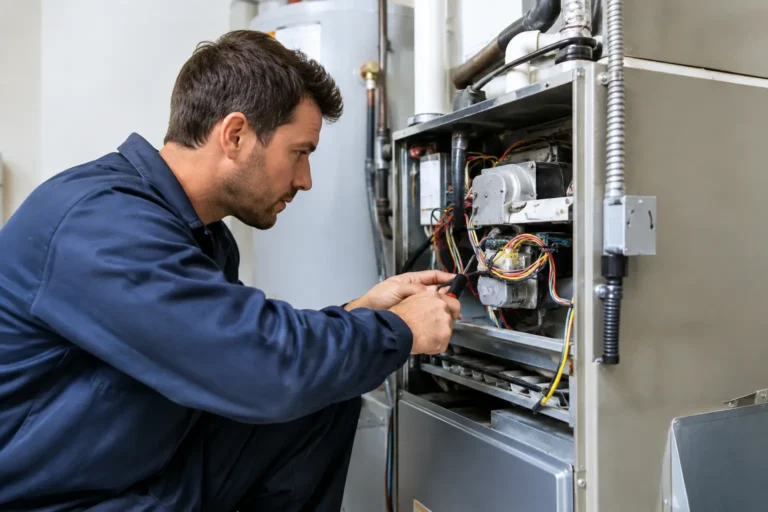
A proper diagnostic visit goes beyond replacing the thermocouple on assumption. A technician will inspect the pilot flame quality, verify that the sensor is positioned correctly, and test the thermocouple or thermopile output. They can also inspect the gas valve, wiring, ignition system, burner operation, and venting components.
Gas pressure and combustion performance may need to be checked as well. If the pilot is weak because of a supply, regulator, or valve issue, a new sensor alone will not solve the problem. Likewise, if debris is affecting the pilot assembly, the repair may include cleaning and adjustment rather than part replacement.
This diagnosis matters because fireplaces vary widely. A millivolt fireplace with a wall switch is different from an electronic ignition unit, and a natural gas unit uses different components and settings than a propane model. The right repair depends on the exact fireplace design, its age, maintenance history, and the condition of the venting system.
FlameCo Heating Services provides licensed gas fireplace repair for homeowners and property managers across Maple Ridge, Metro Vancouver, and the Lower Mainland. Our technicians can assess the full system, explain what failed, and provide clear repair or replacement options before work begins. For urgent gas-equipment concerns, responsive service is especially valuable when temperatures drop and a fireplace is part of the home’s heating plan.
Can You Prevent Pilot Light Problems?
Regular service helps prevent many pilot failures. An annual fireplace inspection before heating season gives a technician the opportunity to clean the pilot assembly, inspect burners and logs, test safety controls, check venting, and look for early corrosion or wear. It also helps confirm that the fireplace is burning cleanly and operating as intended.
Homeowners can support that work by keeping the fireplace area clear, avoiding storage of combustibles near the unit, and watching for changes in flame appearance. If the fireplace has glass doors or a sealed glass front, keep them properly installed during operation. Do not use household cleaners or water inside the firebox unless the manufacturer specifically permits it.
A pilot light that fails once may be a simple lighting-sequence issue. A pilot light that repeatedly goes out is the fireplace telling you that its safety system is not receiving the conditions it needs to stay open. Treat that signal seriously, and have the unit checked before the next cold night makes the problem more urgent.