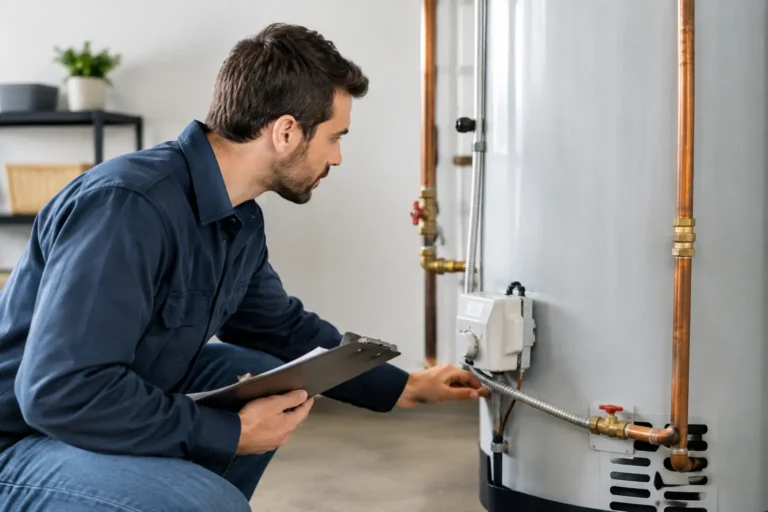
A failed hot-water tank rarely gives homeowners much time to compare options. If your tank is leaking, producing rusty water, or struggling to keep up, heat pump water heater rebates can make an efficient replacement more affordable – but only when the equipment, installation, and paperwork meet the active program rules.
For homes and rental properties in Maple Ridge, Metro Vancouver, and the Lower Mainland, a heat pump water heater can reduce the energy used to make domestic hot water. It also comes with practical requirements that a standard electric tank may not. The best time to check incentives is before ordering equipment or authorizing installation, not after the old tank has been removed.
Why heat pump water heater rebates matter
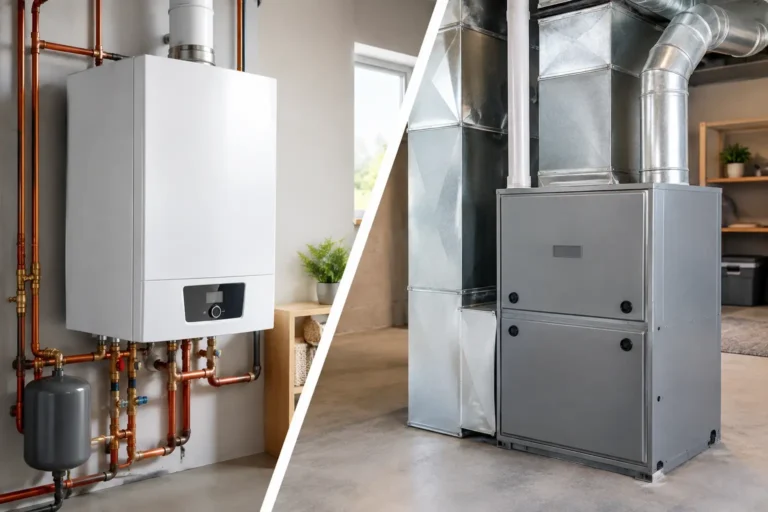
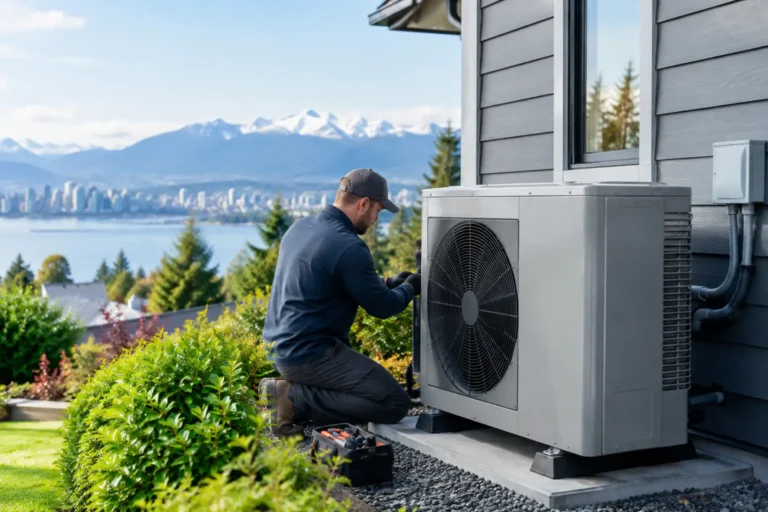
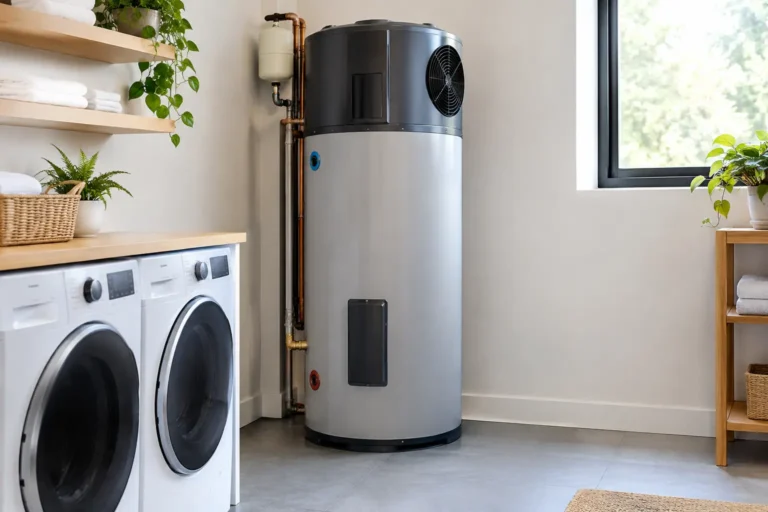
Water heating is a major part of a home’s energy use. A conventional electric tank creates heat directly with electric elements. A heat pump water heater moves heat from surrounding air into the stored water, using a refrigeration system similar in principle to an air conditioner or heat pump.
That process can use significantly less electricity than a standard electric resistance tank under the right conditions. The upfront equipment and installation cost can be higher, however. Available rebates may help close that gap and make the long-term operating savings more appealing.
In British Columbia, incentive availability can depend on the program administrator, utility territory, property type, existing equipment, and the exact model being installed. Programs can change without much notice, and funding limits or application windows may apply. A rebate shown in an older ad or discussed by a neighbor is not proof that your project qualifies today.
Start with the equipment, not the advertised rebate
Not every heat pump water heater is eligible for every incentive. Many programs require a specific efficiency rating, recognized product listing, or approved model number. Some require the unit to be installed in a primary residence, while others have separate paths for rental homes, multifamily buildings, or commercial properties.
Before selecting a system, confirm whether the current program requires pre-approval, proof of purchase, an installation invoice, photos, or contractor documentation. If a program requires pre-approval and the work starts first, the rebate may be lost even if the final equipment is otherwise eligible.
This is especially important during an emergency replacement. When a tank is actively leaking, restoring hot water and preventing property damage come first. Still, a qualified contractor can often assess whether an efficient replacement is practical before the new unit is ordered. Do not assume the fastest available tank is the only choice, but do not delay a leaking tank until it damages flooring, walls, or occupied suites.
What a qualifying installation usually needs
Exact requirements vary, but most rebate applications rely on clear documentation. Keep the itemized quote, final invoice, manufacturer model and serial number, installation date, payment record, and any approval reference number. For landlords and property managers, retain documents that identify the service address and unit location.
The installation itself must also meet local code and manufacturer requirements. A heat pump water heater needs appropriate electrical service, condensate drainage, pressure-relief protection, and enough surrounding air volume or ducting to operate properly. An incentive does not make an unsuitable installation suitable.
Is a heat pump water heater right for your space?
Heat pump water heaters are not one-size-fits-all replacements. They pull heat from the air around them and release cooler, drier air into the space. That can be useful in a warm mechanical room, basement, garage, or utility area, but it may be less desirable in a small enclosed room that is already difficult to heat.
In a heated part of the home, the unit’s cooling effect can slightly increase space-heating demand during colder months. Whether that trade-off matters depends on where the tank sits, how the home is heated, and whether the equipment can be ducted. In a garage or unconditioned area, cold-weather performance and freeze protection deserve careful review.
Noise is another consideration. These units have a fan and compressor, so they are not as quiet as a basic electric tank. The sound is usually manageable in a utility room, but placement beside a bedroom, home office, or quiet living area may not be ideal.
A proper replacement assessment should cover more than tank capacity. It should look at household hot-water demand, incoming electrical capacity, drain location, ceiling height, access for delivery, available clearance, and the condition of existing plumbing. For condos, apartment buildings, and commercial properties, it should also account for access restrictions, shutdown coordination, tenant communication, and the building’s hot-water design.
Heat pump water heater rebates: questions to ask first
A rebate can be valuable, but it should not force a poor equipment choice. Ask these questions before committing to a model or installation date:
- Is the exact make and model currently eligible under the applicable program?
- Does the project need approval before equipment is purchased or installed?
- Is the rebate for an electric-to-heat-pump upgrade, a fuel-switching project, or either one?
- Are homes, rental properties, strata units, and commercial spaces treated differently?
- What documents, inspections, and submission deadlines apply?
- Can the incentive be combined with other utility, municipal, or regional offers?
The answers affect the real project cost. A larger advertised incentive is not always the better option if it requires costly electrical upgrades, does not fit the available space, or delays a necessary replacement. On the other hand, a well-planned installation can provide efficient hot water for years while reducing energy use and taking advantage of support that may not be available later.
Plan for electrical, plumbing, and condensate work
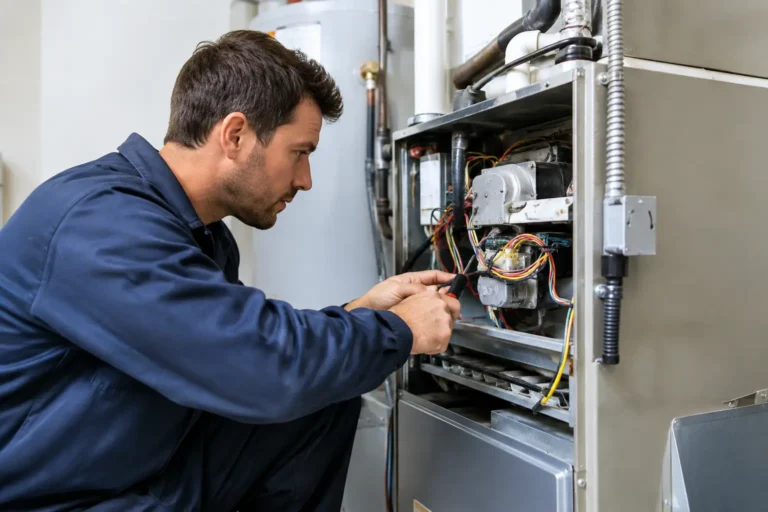
A standard electric water heater may use an existing 240-volt circuit, but a heat pump water heater can have different electrical requirements. The home’s panel capacity, circuit size, disconnecting means, and wiring condition should be checked rather than assumed. Older homes may need electrical work before the new system can be installed safely.
Heat pump water heaters also create condensate as they remove moisture from the air. That water needs a reliable drain route or an approved condensate pump. A temporary hose into an unsuitable location is not a long-term solution. Poor condensate planning can lead to water damage, nuisance shutdowns, and service calls that were avoidable at installation.
Plumbing details matter as well. Shutoff valves, expansion control where required, discharge piping, earthquake strapping where applicable, and safe access for future service should all be addressed. These are not extras to skip when a rebate is involved. They are part of installing a water-heating system that protects the property and the people using it.
Avoid common rebate mistakes
The most expensive mistake is starting the job before reading the current program rules. The next is purchasing a model based on a general efficiency claim instead of confirmed eligibility. Homeowners also lose incentives by missing application deadlines, submitting incomplete invoices, or failing to keep proof of payment.
For rental and multifamily properties, ownership and account-holder details can create additional complications. The person applying may need to match the utility account, property ownership records, or program requirements. Property managers should decide early who will gather documentation and submit the application.
Be cautious about quotes that promise a rebate amount without explaining the conditions. A responsible quote should separate the installation price from any estimated incentive unless the contractor is authorized to process it on your behalf and has confirmed eligibility. That keeps the project cost clear if funding changes or an application is declined.
Get a replacement plan before the tank fails
If your current hot-water tank is nearing the end of its life, planning ahead gives you more choices. You can compare tank size, installation location, electrical needs, estimated operating costs, and active heat pump water heater rebates without the pressure of an active leak or a home full of cold showers.
FlameCo Heating Services can assess the existing tank, review practical installation requirements, and provide a clear replacement quote for properties across the Lower Mainland. Licensed, bonded, and insured work matters when electrical coordination, plumbing connections, drainage, and hot-water safety are all part of the same project.
Before your next water-heater replacement becomes an emergency, confirm what your space can support, what the current incentive requires, and what the full installed price includes. That preparation is often the difference between simply replacing a failed tank and making a confident, cost-conscious upgrade.