A stuffy meeting room, lingering cooking odors, condensation on windows, and repeated tenant complaints are not minor building issues. They are often signs that the ventilation system is no longer moving, exhausting, or replacing air as it should. Commercial ventilation upgrades give property owners and managers a practical way to improve indoor comfort, protect equipment, and address air quality concerns before they become costly disruptions.
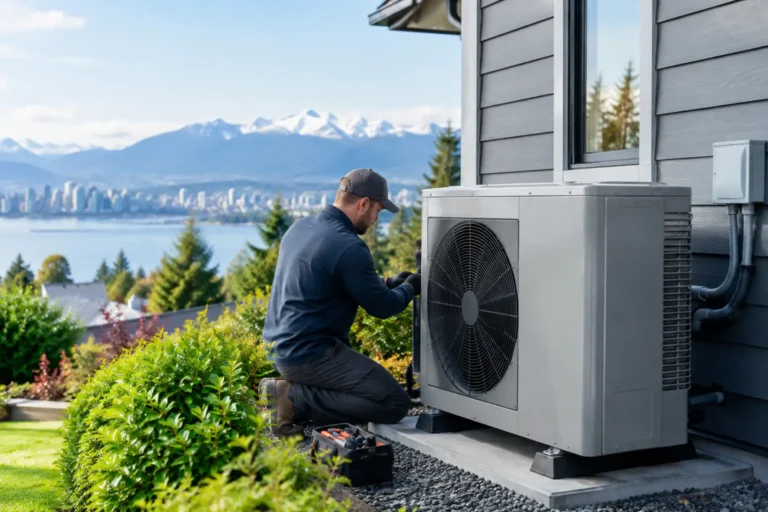
For businesses across Maple Ridge, Metro Vancouver, and the Lower Mainland, the right upgrade is rarely a matter of simply installing a bigger fan. The building’s use, occupancy, existing ductwork, heating and cooling equipment, and operating hours all affect the solution. A careful assessment helps avoid spending money on equipment that does not solve the actual problem.
When a Commercial Ventilation Upgrade Makes Sense
Ventilation systems work in the background, so decline can be gradual. Staff and tenants may notice the symptoms long before a property owner recognizes a mechanical issue. Rooms feel warm even when the air conditioner is running. Odors remain after cleaning. Humidity rises in washrooms, kitchens, storage areas, or busy common spaces. Some parts of the building feel stale while others are drafty.
A system may also be operating but still be inadequate. Many commercial properties change use over time. An office gains more employees, a retail space becomes a restaurant or clinic, or a warehouse adds equipment and enclosed work areas. The original ventilation design may no longer match the number of people, the contaminants being produced, or the heat generated inside the space.
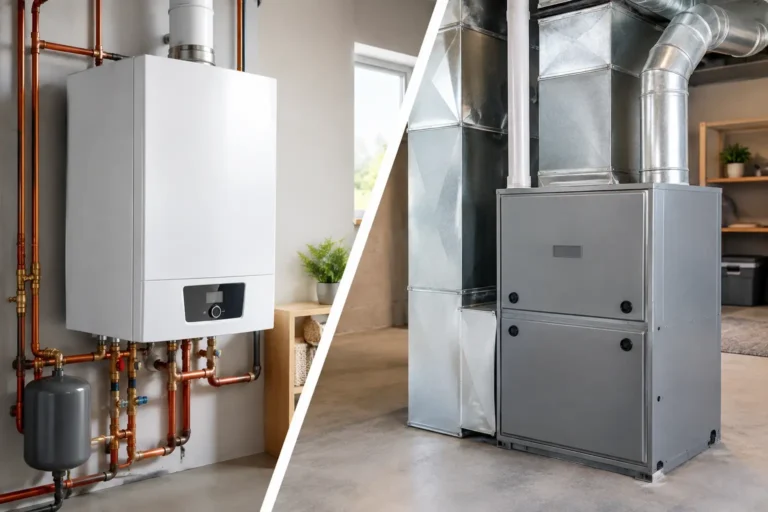
Age is another factor. Older rooftop units, exhaust fans, make-up air equipment, controls, belts, dampers, and duct systems can waste energy while delivering uneven airflow. Repairs may keep the system running, but frequent service calls and persistent comfort complaints often signal that a planned upgrade deserves consideration.
Start With the Building Problem, Not the Equipment
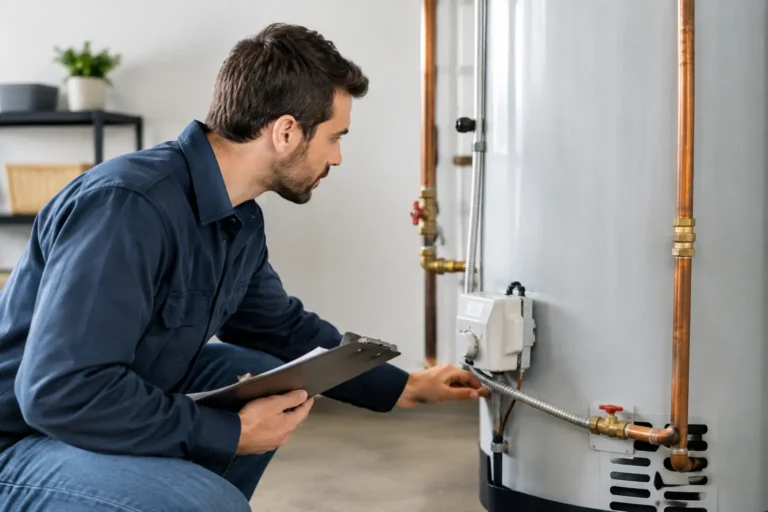
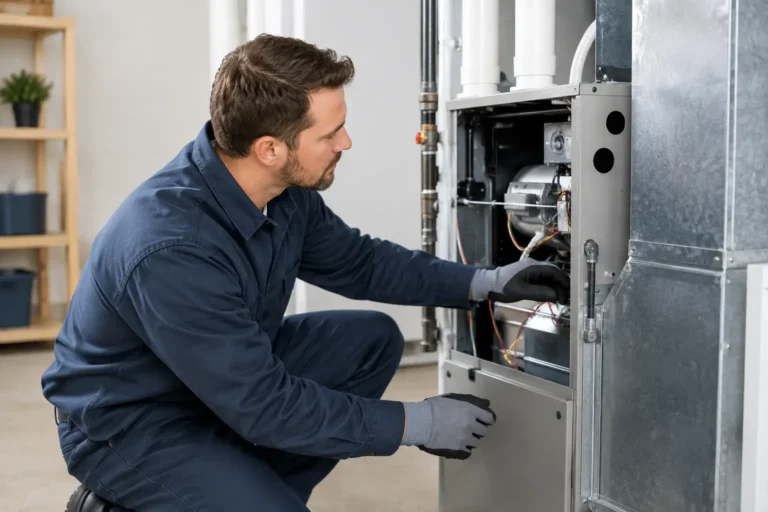
The most useful first step is a site assessment. A qualified HVAC contractor should look beyond a single complaint and identify how air moves through the building. That includes supply air, return air, exhaust paths, outside-air intake, filtration, controls, and the condition of accessible ductwork.
For example, a hot office may not need more cooling capacity. It may have a blocked diffuser, an unbalanced air distribution system, a failing damper, or insufficient return air. A restaurant with persistent odors may need better exhaust capture and make-up air balance rather than a larger general ventilation fan. In a multi-tenant building, one unit’s exhaust changes can affect pressure and airflow in neighboring spaces.
This is why equipment replacement without diagnosis can be expensive. A new fan connected to undersized ducts, poorly located intakes, or a faulty control sequence may run harder without improving the space. The best commercial ventilation upgrades are designed around the source of the issue and the way people use the building each day.
Common Upgrade Options for Commercial Properties
The scope of work depends on the property, but several upgrades regularly improve performance and reliability.
Demand-Controlled Ventilation
Demand-controlled ventilation adjusts outside-air intake based on actual conditions, often using carbon dioxide sensors or occupancy signals. It can be a strong fit for meeting rooms, classrooms, fitness areas, event spaces, and offices with fluctuating attendance.
The benefit is better control. The system can bring in more outside air when occupancy rises and avoid conditioning unnecessary outside air when a space is lightly used. This can reduce heating and cooling demand, but sensor placement, calibration, and control programming matter. A poorly commissioned system can create the same comfort problems it was intended to prevent.
Energy Recovery Ventilators
An energy recovery ventilator, often called an ERV, transfers some energy between outgoing stale air and incoming fresh air. During colder weather, it can help temper incoming air before the heating system takes over. In warmer conditions, it can reduce part of the cooling load.
ERVs can be especially valuable where a building needs consistent fresh-air ventilation and faces significant heating or cooling costs. They are not automatically right for every application. Available space, duct routing, maintenance access, moisture conditions, and the building’s existing HVAC design all need review before installation.
Exhaust and Make-Up Air Improvements
Commercial kitchens, washrooms, locker rooms, janitorial areas, garages, and industrial spaces often rely on exhaust equipment. When exhaust pulls air from a building, replacement air has to come from somewhere. If the system lacks adequate make-up air, doors can become difficult to open, cold drafts may enter through gaps, and combustion appliances can be affected.
Upgrading exhaust without addressing make-up air can create pressure problems. A balanced approach helps remove moisture, odors, smoke, and contaminants while maintaining a safer, more comfortable indoor environment. This work is particularly important where gas-fired equipment is present, because combustion air and venting must be handled correctly.
Filtration, Duct Repairs, and Air Balancing
Not every ventilation project requires major new equipment. Better filtration can help reduce airborne dust and particulates, provided the existing system can handle the added resistance. Sealing damaged ducts, replacing failing dampers, correcting disconnected runs, and cleaning heavily contaminated components may also improve delivery and air quality.
Air balancing is often one of the most valuable parts of an upgrade. It verifies that supply, return, and exhaust airflow are working as intended. Without balancing, even a new unit can leave some rooms under-ventilated and others excessively pressurized.
Protect Comfort Without Creating High Utility Bills
A commercial property needs fresh air, but more outside air is not always better. During hot, cold, or humid weather, outside air must be heated, cooled, filtered, and sometimes dehumidified. Bringing in excessive air can raise utility use and make it harder to maintain stable indoor temperatures.
The goal is appropriate ventilation for the space and its occupancy, not maximum airflow at all times. Modern controls, variable-speed motors, properly sized equipment, and energy recovery can reduce waste while supporting comfort. A contractor should explain the expected trade-offs in plain language, including upfront installation cost, maintenance needs, operating impact, and expected service life.
For landlords and property managers, timing matters as much as equipment selection. Phasing work outside business hours, coordinating access with tenants, and scheduling planned replacement before a full failure can limit disruption. Emergency repairs are sometimes unavoidable, but a scheduled ventilation upgrade gives you more control over the budget and project timeline.
Safety, Code Requirements, and Qualified Installation
Ventilation work can connect with electrical systems, roof penetrations, gas appliances, fire dampers, kitchen equipment, and building controls. That makes qualified installation essential. Improper duct connections, insufficient clearance, incorrect exhaust termination, or pressure imbalances can lead to poor performance and safety concerns.
Commercial properties may also have requirements related to occupancy, fire protection, kitchen exhaust, washroom exhaust, and local permits. Requirements vary by building type and scope of work. A licensed contractor can identify what needs to be reviewed before equipment is ordered or installed, rather than leaving surprises for the end of the project.
FlameCo Heating Services provides commercial HVAC and ventilation support with licensed, bonded, and insured service, including help when a ventilation issue cannot wait for normal business hours. Clear scope, transparent pricing, and proper commissioning matter because a system is only an upgrade if it performs as promised.
Plan Maintenance Into the Upgrade
New equipment still needs attention. Filters need replacement, belts and bearings need inspection, drains need clearing, motors need testing, and sensors need calibration. Outdoor intakes and exhaust terminations should also remain clear of debris, snow, and obstructions.
A maintenance plan protects the investment and gives building operators a record of system condition. It also makes it easier to catch small issues, such as a noisy fan motor or a stuck damper, before tenants experience a full comfort failure. For larger properties, documenting airflow readings and control settings after commissioning provides a useful baseline for future service.
The right ventilation project should leave the building easier to operate, not more complicated. If your commercial space has recurring odors, humidity, uneven temperatures, or air quality complaints, start with a professional assessment. A clear diagnosis can turn an ongoing frustration into a practical upgrade plan that supports occupants, equipment, and the long-term operation of the property.