A conventional electric water heater can be one of the quietest energy drains in a home: it heats water around the clock, even when no one is using it. That is why heat pump water heater trends are getting attention from homeowners, landlords, and property managers looking for a practical way to lower hot-water costs without changing how people shower, wash dishes, or do laundry.
These systems are not right for every mechanical room or every building. They need adequate space, produce cool air, and require careful installation. But for many Lower Mainland properties, they are moving from a niche upgrade to a serious replacement option when an aging electric tank fails.
Heat Pump Water Heater Trends Driving New Upgrades
The main trend is straightforward: buyers are looking beyond the purchase price and asking what a water heater will cost to operate over its full service life. A heat pump water heater uses electricity, but it does not create all of its heat directly through electric resistance elements. Instead, it pulls available heat from surrounding air and transfers it into the tank.
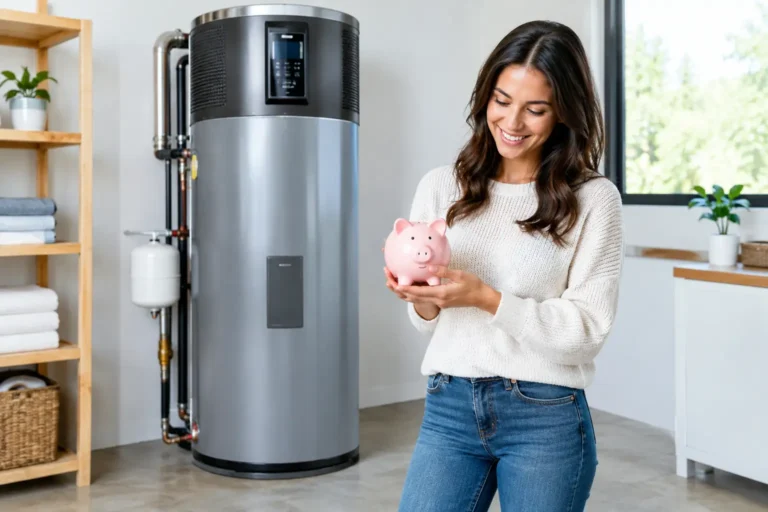
That approach can use substantially less electricity than a standard electric tank under the right conditions. The result is lower operating cost potential, especially in homes with steady hot-water use. Families, multi-bathroom homes, and rental properties can often see the strongest value because the equipment has more demand to work against.
Another change is how these products are being specified. Homeowners increasingly want larger tanks, better recovery planning, and controls that fit their routines. Rather than selecting a replacement based only on the old tank’s gallon capacity, a qualified contractor should review household size, fixture count, laundry habits, peak demand, available electrical service, and installation location.
Smart controls are becoming more useful
Many current models offer operating modes such as efficiency, hybrid, high-demand, and vacation settings. Some include scheduling, app monitoring, leak detection, or service alerts. These features can be useful, but they are not a substitute for correct sizing and installation.
Efficiency mode generally prioritizes heat-pump operation and lower energy use. High-demand or hybrid modes may activate electric elements when the household needs faster recovery. That flexibility is valuable for a home with changing occupancy, but it also means the lowest possible operating cost depends on how the unit is set up and used.
Rebates and incentives are influencing decisions
Government and utility incentive programs have become part of many replacement conversations. Depending on the property, equipment, and current program rules, a heat pump water tank may qualify for rebates or other support that reduces the upfront cost.
Eligibility can depend on the model, installation date, existing equipment, location, and whether the work is completed by an eligible contractor. Programs also change, run out of funding, or require documents before and after installation. Treat advertised incentive amounts as a starting point, not a guaranteed discount. Confirm the current requirements before selecting equipment or scheduling work.
What Makes a Heat Pump Water Heater Different
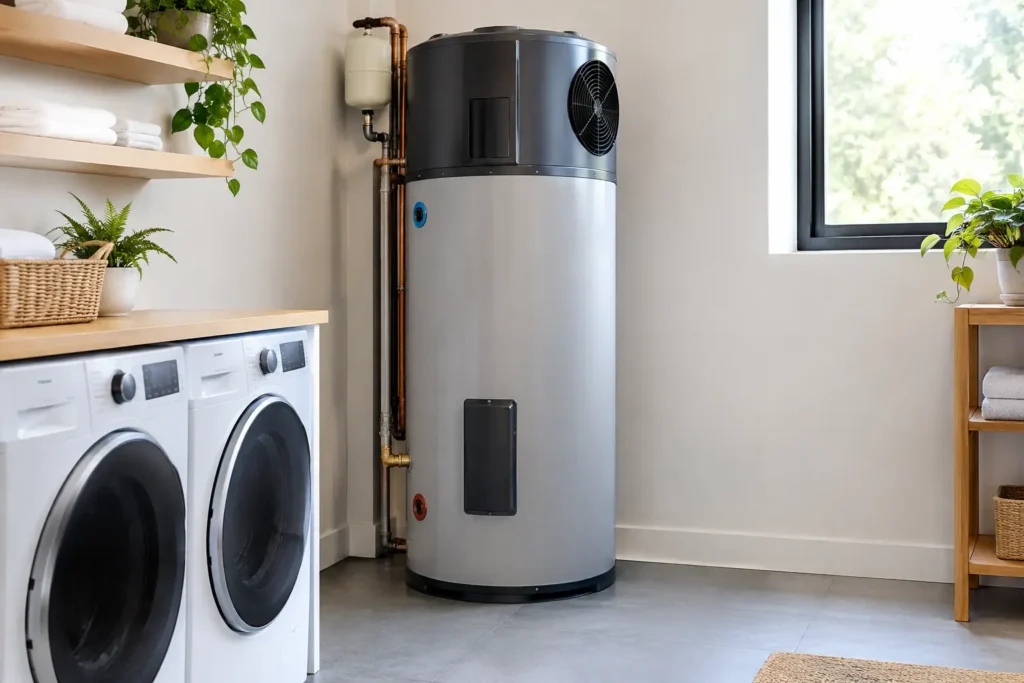
A heat pump water heater is a water tank with a small heat-pump system mounted on top or integrated into the unit. It extracts heat from the surrounding air, moves that heat into the stored water, and releases cooler, drier air back into the room.
That last detail matters. In a warm utility room, garage, basement, or larger mechanical area, the cooling effect may be welcome or barely noticeable. In a small enclosed closet, it can create comfort, airflow, and performance concerns. The unit also makes more sound than a standard electric tank, similar in character to a refrigerator or dehumidifier. It should not be installed without considering nearby bedrooms, offices, or quiet living areas.
Because the system creates condensate, it needs a reliable drain arrangement. It may need a condensate pump if there is no suitable gravity drain nearby. Installers should also account for pan drainage, seismic strapping where required, electrical connections, service access, and the condition of the existing plumbing.
The Installation Details That Affect Performance
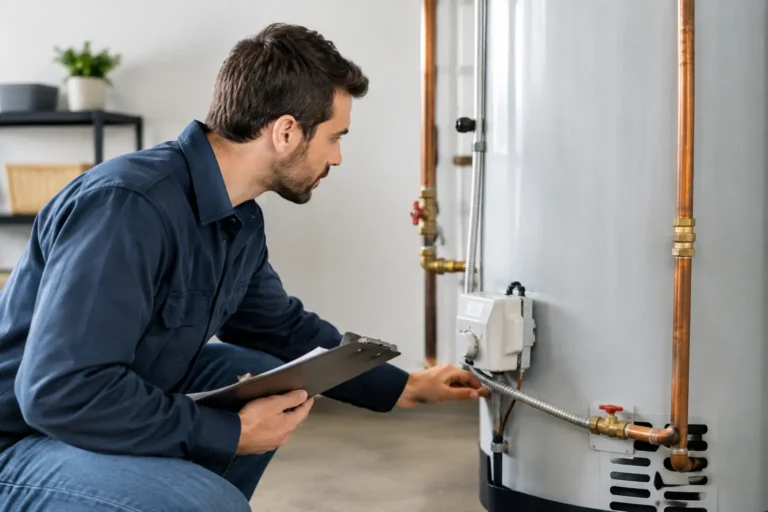
The best equipment cannot overcome a poor installation plan. Before recommending a heat pump water heater, the site should be assessed as a complete system, not just a tank swap.
First, there is air volume and ventilation. A heat pump water heater needs enough surrounding air to draw heat effectively. A larger open basement or mechanical room is usually easier than a tight utility closet. Ducting can sometimes help address space or cooling concerns, but it adds design considerations and cost.
Second, consider the room temperature through the year. These water heaters operate most efficiently in warmer conditions. If the surrounding area is very cold, performance can fall and the unit may rely more often on electric backup elements. In a heated Lower Mainland basement or utility space, the trade-off can be favorable. In an unconditioned, cold outbuilding, the decision deserves closer review.
Third, hot-water demand needs to be honest. A two-person household with predictable use has different needs than a household with teenagers, frequent guests, multiple showers running at once, or a large soaking tub. Tank capacity and recovery strategy should be matched to real demand, not an estimate based solely on bedroom count.
For rental and commercial properties, the planning extends further. Property managers should consider tenant schedules, access to mechanical rooms, drainage, noise, electrical capacity, and the consequence of a temporary loss of hot water. A scheduled replacement before a failing tank leaks is usually less disruptive and easier to budget than an emergency changeout.
Where Heat Pump Water Heater Trends Do Not Fit as Easily
Heat pump water heaters are efficient, but they are not automatic choices for every property. A homeowner may be better served by another option when there is inadequate installation space, no practical condensate route, limited electrical capacity, unusually high short-term demand, or a location where cooling and noise would be a problem.
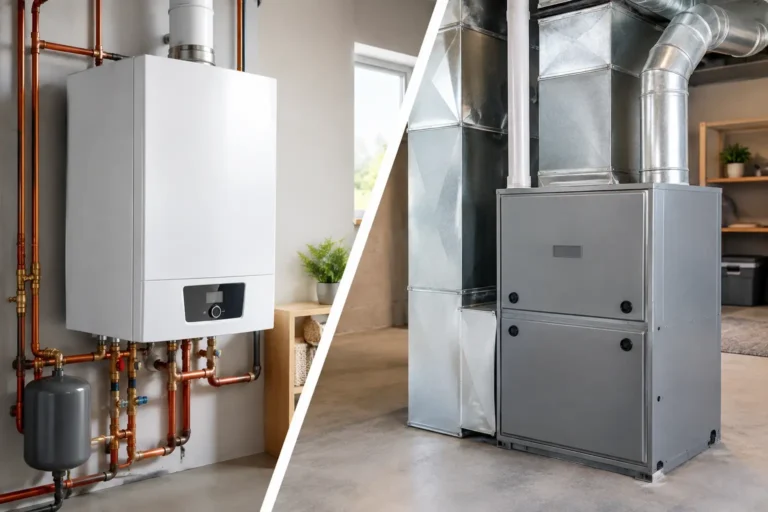
They can also be a more complicated replacement for a gas-fired water heater. Moving from gas to a heat pump water heater may involve electrical upgrades, changes to venting or gas piping plans, and a careful look at household operating costs. The right answer depends on the building, current equipment, available incentives, and the owner’s long-term plans.
For some homes, a standard electric tank remains the simplest lower-upfront-cost option. For others, a high-efficiency gas water heater or a different hot-water strategy may be more suitable. A credible quote should explain the trade-offs clearly instead of treating one product as the answer for every address.
Questions to Ask Before You Replace Your Tank
Before approving a new water heater, ask whether the proposed tank is sized for your household’s peak hot-water demand, where condensate will drain, how much clear air and service access the unit needs, and whether the electrical panel can support it. Ask which operating mode is expected to suit your household and how that affects recovery time.
Also ask for the full installed scope. A clear quote should identify equipment, labor, removal of the existing tank, permits where needed, electrical work, drainage work, accessories, and any rebate paperwork support. This helps prevent a low equipment price from becoming an expensive installation surprise.
When replacing a conventional electric tank, a planned assessment is especially worthwhile. The old unit’s footprint may not tell you whether the new heat pump model has enough clearance above it, around it, or in front of it for future service.
A Practical Upgrade Starts With the Room, Not the Brochure
Heat pump water heaters are gaining ground because they offer a meaningful path to lower energy use while keeping the familiar convenience of stored hot water. Their success depends less on a headline efficiency rating than on correct sizing, location, drainage, electrical planning, and realistic expectations about recovery time.
If your tank is aging, leaking, making unusual noises, or no longer meeting household demand, do not wait for a full failure to compare options. FlameCo Heating Services can assess the equipment room, explain the installation requirements, and provide a clear replacement plan that accounts for available heat-pump water-tank incentives. The most useful next step is a site-specific quote that protects your hot-water supply and avoids surprises after installation.