A cold bedroom over the garage, a top-floor apartment that overheats every summer, or a new addition with no practical path for ductwork can create comfort problems that a central system cannot easily solve. Ductless systems provide heating and cooling where it is needed, using compact indoor units connected to an outdoor heat pump. For many Lower Mainland properties, that means more control over difficult rooms without opening up walls or extending existing ducts.
They are not the right answer for every building. The best choice depends on the home’s layout, insulation, electrical capacity, existing equipment, and how occupants use each area. A qualified assessment before installation protects you from an undersized system, poor indoor-unit placement, or an upgrade that does not address the real problem.
How Ductless Systems Work
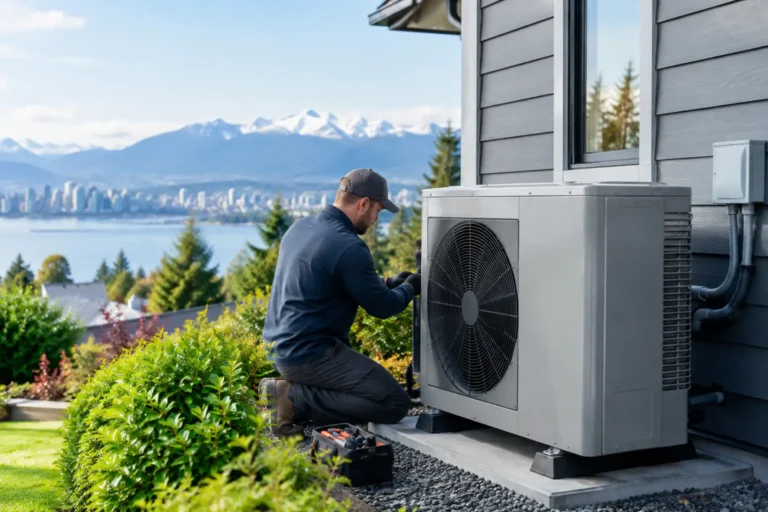
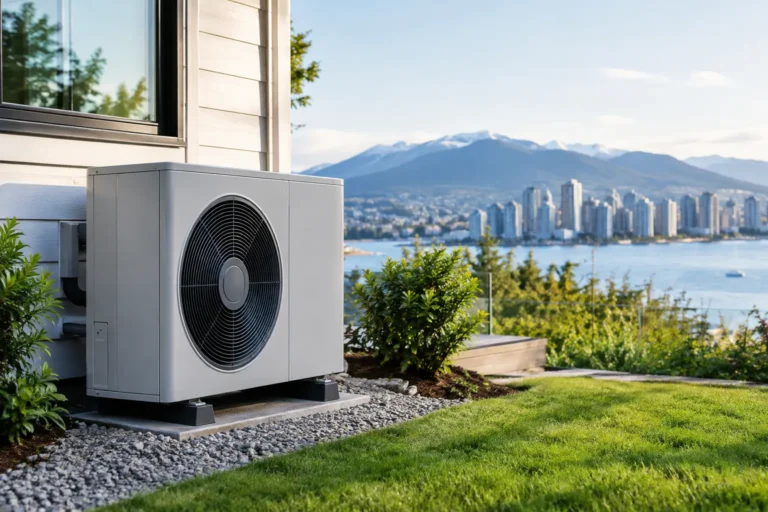
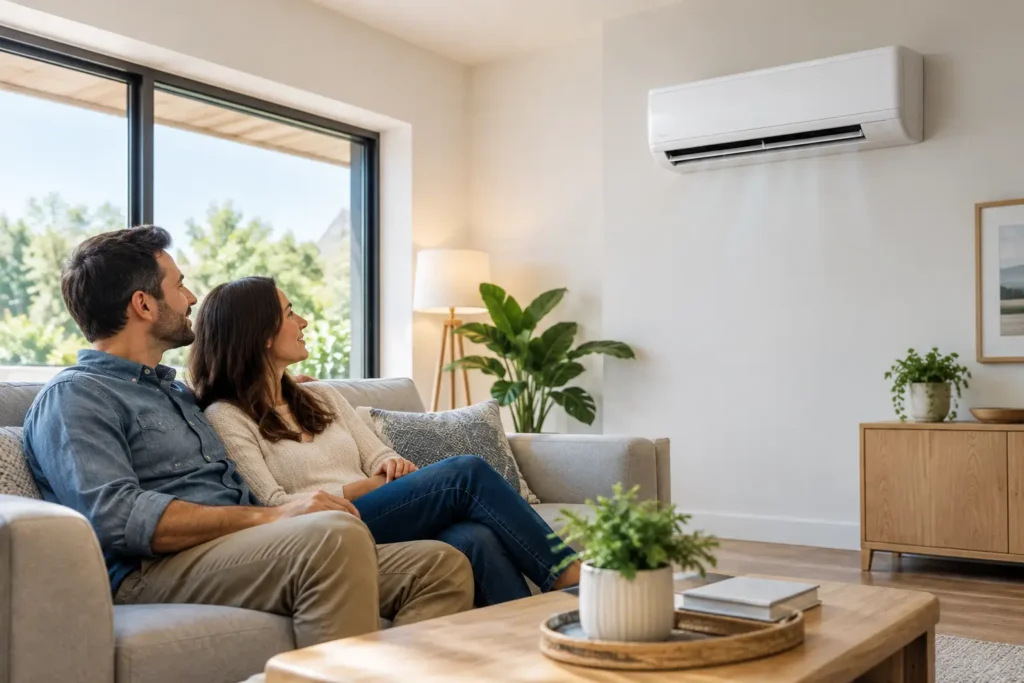
A ductless system, often called a mini-split, has an outdoor condenser or heat pump and one or more indoor air handlers. Refrigerant lines and electrical wiring run through a small exterior wall opening between the units. The indoor unit delivers conditioned air directly into its zone rather than pushing it through a network of ducts.
Single-zone equipment serves one room or defined area. Multi-zone equipment connects several indoor units to one outdoor unit, allowing separate temperature settings for different rooms or suites. That control is one of the main reasons homeowners, landlords, and commercial property managers consider ductless heating and cooling.
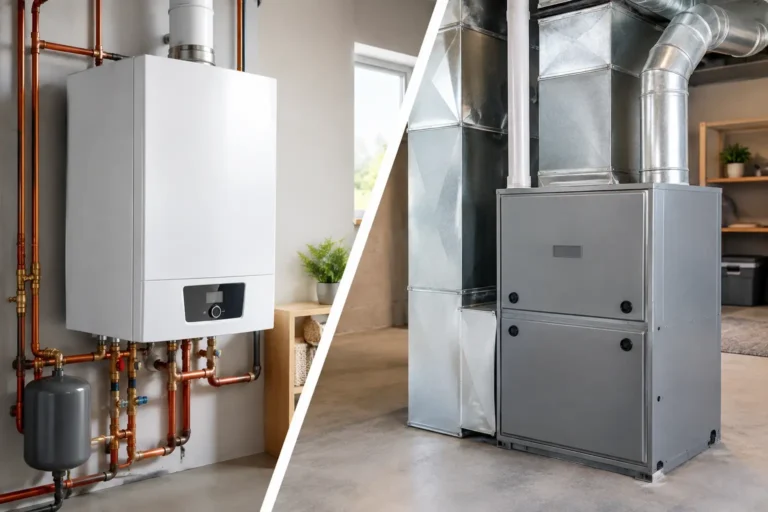
Most modern ductless systems are heat pumps. They cool by moving heat outside during warm weather and heat by drawing available heat from outdoor air in cooler weather. Metro Vancouver’s generally moderate winter climate can make this an efficient option for many properties. Performance still depends on the specific equipment, design, and outdoor temperature, so it is worth discussing whether the unit will be primary heat, supplemental heat, or part of a hybrid system with a furnace or boiler.
When Ductless Systems Make Sense
Ductless equipment is especially useful where ductwork is missing, limited, or expensive to modify. Older homes with electric baseboards, garages converted into living space, basement suites, laneway homes, additions, and renovated offices are common examples. Instead of installing a full duct network, a properly sized mini-split can condition the occupied space directly.
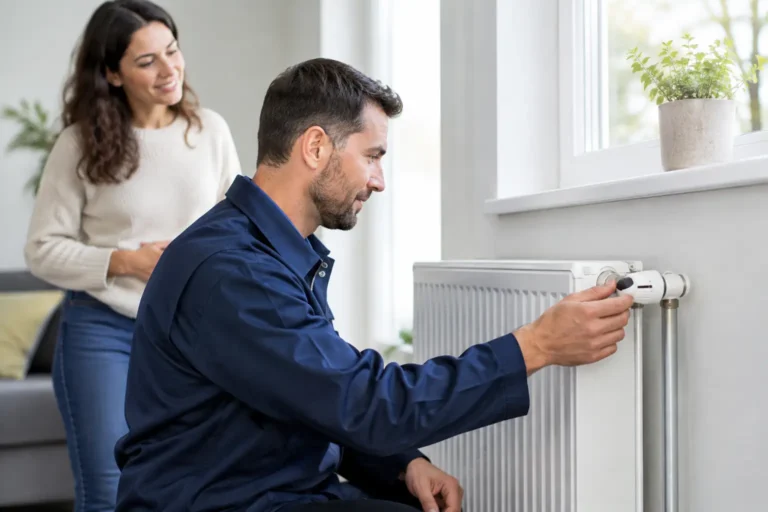
It can also solve uneven temperatures in a home that already has forced-air heating. A furnace may keep the main floor comfortable while a south-facing bedroom, upper level, or enclosed sunroom remains too warm in summer or too cool in winter. Adding a dedicated ductless unit to that problem area can be more practical than replacing an otherwise serviceable central system.
For rentals and multifamily buildings, zoning can reduce disputes over thermostat settings and improve tenant comfort. However, the system must be designed around the building’s electrical service, unit access, drainage routes, noise considerations, and local strata or building requirements. One outdoor unit serving several indoor zones can be a clean solution, but it also means the outdoor equipment is a shared point of failure that should be maintained on schedule.
Commercial applications can benefit as well. Small retail spaces, offices, server rooms, treatment rooms, and tenant improvements often need targeted cooling or heating without major downtime. The right installation plan matters because indoor units need clear airflow, accessible filters, and condensate drainage that will not damage finishes or interrupt operations.
Comfort Benefits and Real Trade-Offs
The strongest advantage of ductless equipment is room-by-room control. You can avoid heating or cooling unused spaces as aggressively, and occupants can set comfortable temperatures in the rooms they use most. Variable-speed heat pump technology can also run at lower output for longer periods, helping maintain steadier temperatures than equipment that frequently turns on and off.
Installation is usually less invasive than adding ductwork, but it is not invisible. Wall-mounted indoor units are visible, and their location affects both appearance and performance. Ceiling cassettes, floor-mounted models, and concealed ducted options are available in some situations, though they may raise installation complexity and cost.
A ductless system also does not automatically improve air quality throughout the whole house. Each indoor head filters the air in its own zone, but it does not replace proper ventilation or address humidity and airflow issues in rooms it does not serve. If a property has stale air, persistent condensation, combustion-safety concerns, or bathroom exhaust problems, those issues need their own assessment.
Heating capacity deserves careful attention. A system selected only for summer air conditioning may not deliver the required heat during colder periods. Conversely, oversized equipment can cycle inefficiently, create uncomfortable temperature swings, and cost more upfront. Equipment selection should account for room dimensions, insulation, windows, sun exposure, occupancy, ceiling height, and the actual layout of the space.
Installation Details That Protect Performance
The quality of installation has a direct effect on comfort, efficiency, and equipment life. Indoor units should not be tucked behind furniture, aimed directly at beds or workstations, or placed where doors block their throw. Outdoor units need suitable clearance, stable mounting, proper drainage, and a location that allows technicians to service them safely.
Condensate management is another detail that should not be treated as an afterthought. During cooling operation, indoor heads remove moisture from the air. That water must drain correctly to prevent leaks, odors, ceiling damage, or ice buildup. In some layouts, a condensate pump is needed, and it should remain accessible for inspection and service.
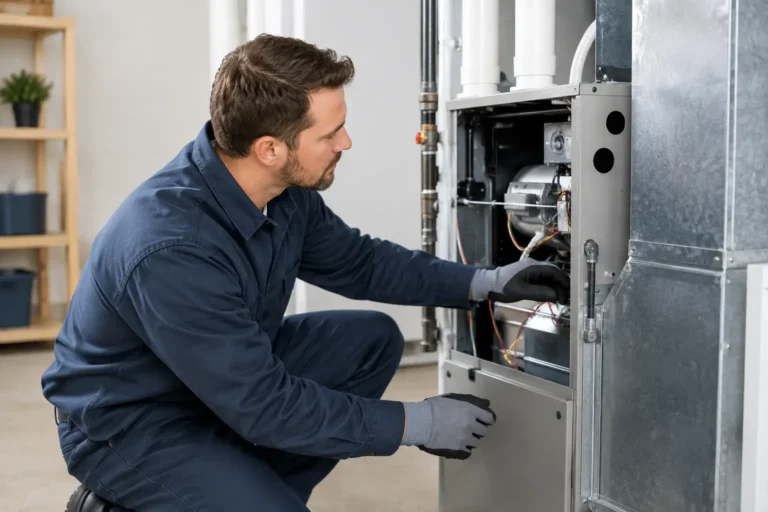
Electrical work must match the equipment’s requirements and applicable codes. A professional installation includes correct circuit protection, secure line-set routing, proper refrigerant procedures, and commissioning to verify operation. When a project involves gas appliances, fireplaces, or existing heating equipment, use licensed professionals who can assess the entire comfort and safety picture rather than treating the new unit as an isolated appliance.
Costs, Incentives, and Replacement Planning
Ductless system pricing varies widely. A single-zone unit for one room is very different from a multi-zone heat pump serving several bedrooms, a suite, and a main living area. Access challenges, electrical upgrades, line-set length, wall or ceiling construction, drainage needs, and outdoor-unit placement all affect the final quote.
The lowest installed price is not always the lowest long-term cost. An improperly sized unit, poorly located indoor head, or installation that makes maintenance difficult can lead to callbacks and reduced comfort. Ask for a clear scope of work that identifies the equipment, number of zones, placement plan, electrical requirements, warranty details, and any expected repairs to finishes.
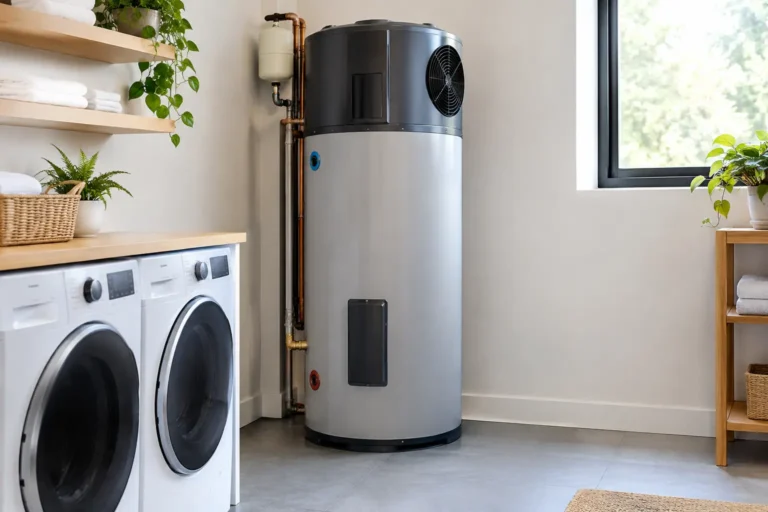
Heat pump rebates and government incentive programs may help reduce the cost of qualifying energy-efficient upgrades. Availability, eligible equipment, income requirements, and application rules can change, so confirm the current program details before making a purchase decision. If a heat pump water heater or other energy upgrade is also planned, coordinating the work can help you understand electrical capacity and project timing before equipment is ordered.
Maintenance and Signs You Need Service
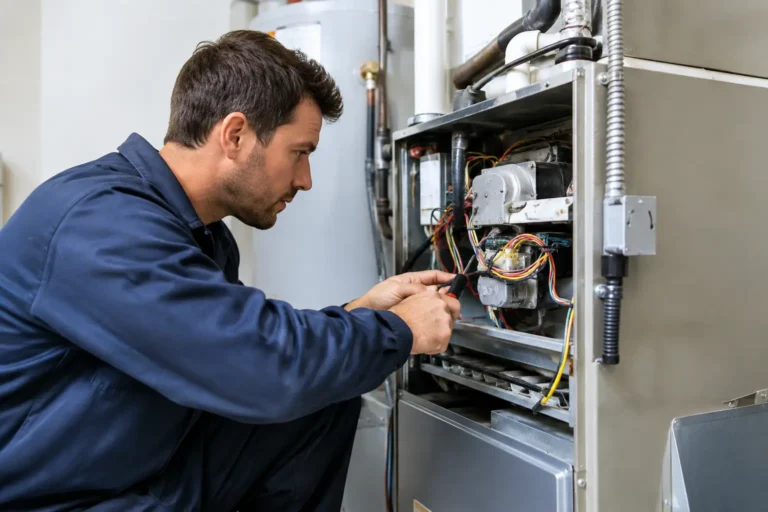
Ductless equipment needs routine care, even when it appears to be operating normally. Homeowners can usually clean washable filters as directed by the manufacturer and keep furniture, curtains, and debris away from indoor and outdoor units. Seasonal professional service should include cleaning components, checking drainage, inspecting electrical connections, and confirming heating and cooling performance.
Call for service if an indoor unit leaks water, produces unusual odors, makes new noises, blows weak airflow, trips breakers, or no longer reaches the selected temperature. Ice on refrigerant lines, repeated error codes, and a sudden increase in operating cost also deserve prompt attention. Waiting can turn a simple drainage, cleaning, or electrical issue into a larger repair.
For landlords and property managers, planned maintenance is particularly useful before winter heating demand and summer cooling demand. It helps reduce tenant disruption and gives you a clearer record of equipment condition when budgeting for future replacements.
Choosing a Contractor for a Ductless Upgrade
A dependable contractor should start by asking what problem you are trying to solve. Is it one uncomfortable room, the lack of cooling in an older home, a suite conversion, rising energy use, or a complete heating-system replacement? That answer guides the design far better than selecting equipment based only on square footage.
Look for clear pricing, licensed and insured work, a defined installation scope, and a team that can address related HVAC, ventilation, and gas-equipment concerns when they arise. FlameCo Heating Services provides ductless heat pump assessment, installation, repair, and maintenance across Maple Ridge and the Lower Mainland, with straightforward quotes and responsive service when comfort cannot wait.
A properly planned ductless system should make the rooms you use feel dependable, not add another equipment problem to manage. Start with the space that is hardest to keep comfortable, then choose a solution built for that room, that property, and the way people actually live or work there.