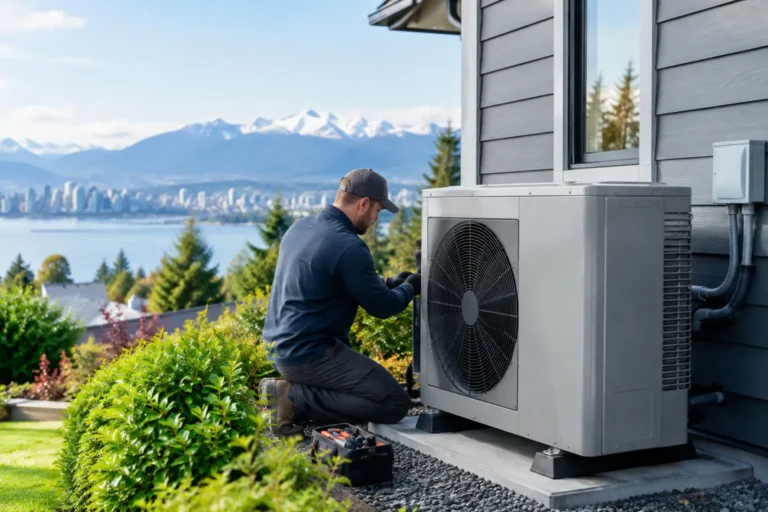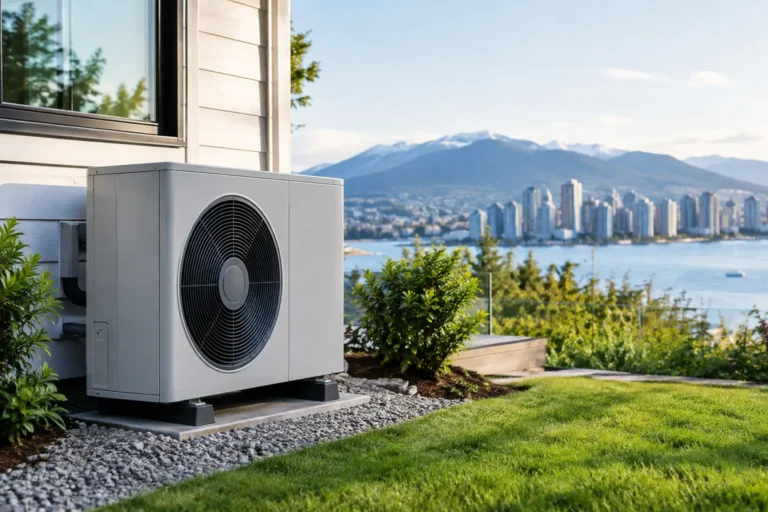
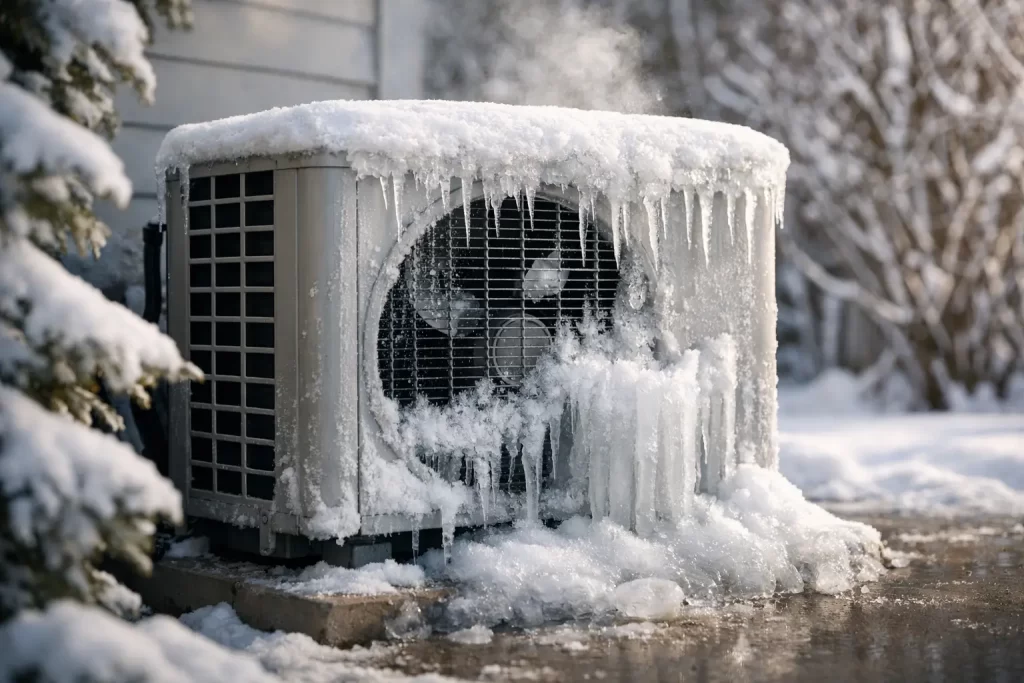
A light coating of frost on an outdoor heat pump during a cold, damp morning is usually normal. The reason why heat pump freezes becomes a real concern is when that frost does not clear, builds into thick ice, or leaves your home with weak heat. At that point, the system is working harder, comfort drops, and a small issue can turn into equipment damage if it is ignored.
Why a Heat Pump Freezes in Cold Weather
In heating mode, a heat pump pulls heat from outdoor air and transfers it indoors. Even when the air feels cold, it still contains usable heat energy. As the outdoor coil gets colder than the surrounding air, moisture can condense on it and freeze.
That process is especially common during wet winter weather near the freezing point. Maple Ridge and the Lower Mainland often get exactly those conditions: damp air, rain, fog, overnight frost, and temperatures that move above and below freezing. A working heat pump is designed with this in mind.
The difference is whether the unit can remove that frost. Most systems periodically enter a defrost cycle. For several minutes, the heat pump reverses operation to warm the outdoor coil and melt the buildup. You may see water draining from the unit, hear a change in operation, or notice a brief cloud of steam. The outdoor fan may stop during this process. Those signs are generally normal.
A heat pump should return to normal heating operation after defrosting. It should not stay buried in ice for hours or repeatedly lose its ability to heat the home.
When Frost Becomes a Heat Pump Problem
Thin, even frost across the outdoor coil can be part of normal winter operation. Thick ice around the coil, fan guard, base, refrigerant lines, or cabinet is different. Ice restricts airflow, reduces heat transfer, and may prevent the fan from turning properly.
Watch for warning signs such as a unit that remains iced over after a defrost cycle, a fan that is striking ice or not running, cold air from indoor vents, unusually long run times, repeated system shutdowns, or a sudden increase in electric bills. If your thermostat is constantly relying on auxiliary or emergency heat, the heat pump may not be carrying its share of the heating load.
A frozen outdoor unit is not something to chip at with a screwdriver, hammer, or sharp object. The coil contains delicate aluminum fins and refrigerant tubing. One puncture can create a much larger repair. Do not pour boiling water on the equipment either. The rapid temperature change can damage components, and water can refreeze around the unit.
Common Reasons a Heat Pump Freezes Up
A Defrost System Failure
A heat pump depends on sensors, controls, wiring, and a reversing valve to start and complete defrost correctly. If a sensor is inaccurate, a control board fails, or the reversing valve does not shift as it should, frost can remain on the coil and turn into ice.
This is one of the most common reasons a system looks normal at first but becomes heavily iced after several cold days. The system may still run, but it will operate inefficiently and can eventually shut down on a safety limit.
Restricted Airflow Around the Outdoor Unit
The outdoor coil needs open airflow to collect heat. Leaves, windblown debris, landscaping, snow buildup, or objects stored too close to the unit can interfere with that airflow. A dirty coil can cause similar trouble, particularly if it has not been professionally cleaned during regular maintenance.
Check that the top and sides of the outdoor unit are clear. Remove loose leaves, branches, and snow around the cabinet without bending fins or reaching into the fan area. Keep roof runoff, piled snow, and yard debris from blocking the unit throughout the season.
A Dirty Indoor Filter or Indoor Airflow Issue
The outdoor unit may be where you see ice, but the cause is not always outdoors. A clogged return-air filter, dirty indoor coil, failing blower motor, or closed supply registers can reduce airflow through the indoor portion of the system. That affects refrigerant pressures and can contribute to coil freezing and poor heating performance.
Start with the filter. If it is visibly loaded with dust or past its replacement interval, install the correct new filter. Avoid using an overly restrictive filter unless your system was designed for it. If a clean filter does not improve performance, an HVAC technician should check airflow and equipment operation.
Low Refrigerant or a Refrigerant Leak
Heat pumps are sealed systems. They do not use up refrigerant under normal operation. If refrigerant is low, there may be a leak or an installation-related issue that needs to be identified and repaired.
Low refrigerant can cause abnormal coil temperatures, weak heating, icing, and longer run times. Adding refrigerant without finding the leak is not a complete repair. A licensed technician should test the system, locate the cause, repair it when practical, and verify proper operation afterward.
Drainage and Installation Problems
During defrost, melting frost must drain away from the outdoor unit. If water cannot escape, it can refreeze in the base pan, around the coil, or beneath the fan. In some cases, the unit may be installed where roof runoff, downspout discharge, or poor site drainage repeatedly sends water toward it.
An outdoor unit also needs proper clearance from the ground and space around it for airflow and drainage. Correcting these conditions may involve more than a simple service call, but it can prevent recurring ice problems and protect the equipment over time.
What You Can Safely Do Before Calling for Service
First, look at the unit without removing panels or touching electrical components. Clear loose debris and snow from around the equipment, and make sure the air path is open. Then check the indoor air filter and confirm the thermostat is set correctly for heating.
If the system is in a defrost cycle, give it time to complete the cycle. Steam and dripping water can look alarming, but they often mean the unit is doing its job. If ice remains after the cycle, the fan cannot turn, or indoor heat is inadequate, switch the system off and arrange service.
If you have a dual-fuel system or a separate furnace, use the backup heat setting only as directed by your thermostat or installer. Emergency heat can keep the building comfortable, but it is typically more expensive to operate and should not become the long-term answer to an iced heat pump.
For rental and commercial properties, act promptly when tenants report reduced heat. A heat pump that is cycling, icing, or relying entirely on backup heat can affect multiple spaces and create higher operating costs quickly.
When to Arrange a Professional Heat Pump Repair
Call for service when the outdoor unit is encased in ice, the fan is frozen or noisy, the heat pump will not defrost, or the home is not maintaining temperature. Also arrange an inspection if the problem returns more than once, even if the unit eventually begins working again. Recurring ice is usually a symptom, not a weather event.
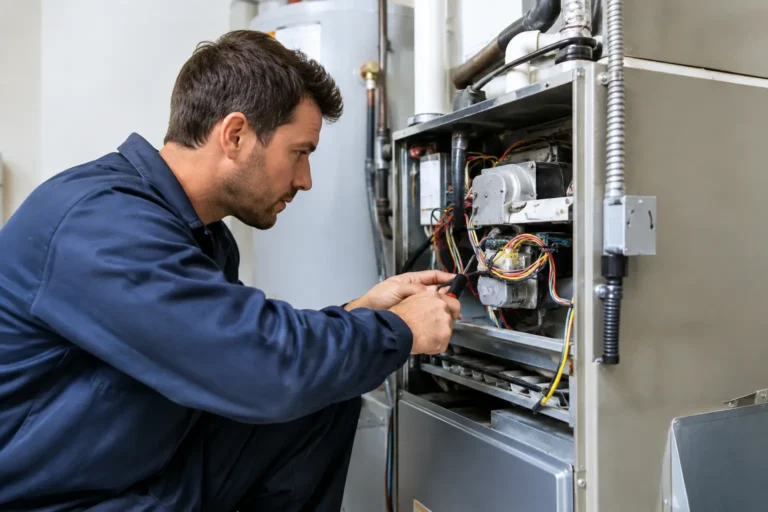
A qualified technician can test the defrost controls, sensors, reversing valve, electrical components, airflow, drainage, and refrigerant charge. This is the right approach because several different faults can create nearly identical ice buildup. Accurate diagnosis helps avoid replacing parts that are not actually causing the problem.
FlameCo Heating Services provides responsive heat pump repair and maintenance for homeowners and property managers across Metro Vancouver and the Lower Mainland. Licensed, bonded, and insured service means you get a clear explanation of the issue, upfront pricing, and a repair plan focused on restoring safe, reliable heat.
A heat pump can handle winter weather, but it should not have to fight through a block of ice to do it. Address persistent freezing early, and your system has a much better chance of delivering efficient, dependable comfort through the next cold spell.